Axiora Medical
The introduction of PFNA Intramedullary Nails has transformed orthopedic surgery. These innovative devices are designed to enhance fracture treatment. Specifically, they improve stability and facilitate quicker recovery for patients.
Orthopedic surgeons widely consider PFNA Intramedullary Nails for their effectiveness. They provide strong support during the healing process. Many patients report significantly reduced pain and quicker rehabilitation compared to traditional methods. However, the learning curve for proper application raises some challenges for surgeons.
In the global market, buyers appreciate the benefits these nails offer. They have become a standard choice in trauma centers. Yet, it’s essential to recognize that every surgical case is unique. Selecting the right tool involves careful consideration and expert insight.
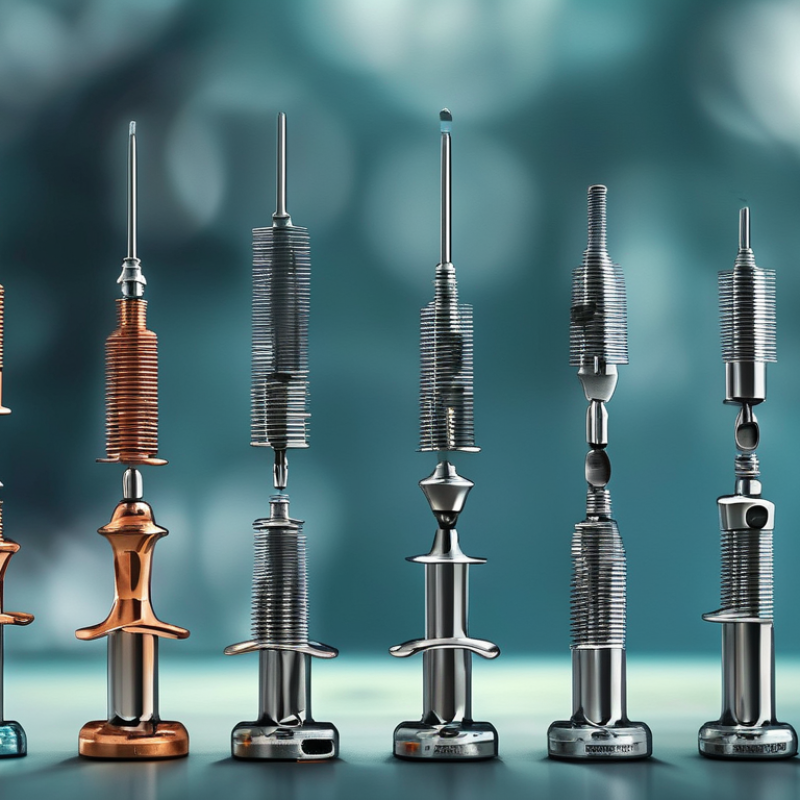
PFNA (Proximal Femoral Nail Antirotation) intramedullary nails are increasingly popular in orthopedic surgery. Designed for fractured femurs, they offer strong stabilization. According to a recent report by the Journal of Orthopedic Research, the use of PFNA nails decreases time-to-healing significantly. This surgical solution is suitable for both younger and elderly patients with varying fracture types.
A study from the International Journal of Medical Sciences indicates that PFNA nails result in lower complication rates compared to traditional fixation methods. This is especially critical for patients with complex fractures. Surgeons report user-friendly design, simplifying the surgical process. Surgeons can effectively align nails with minimal exposure, enhancing precision during surgery.
Tips: Choose a qualified surgeon familiar with PFNA techniques. Not all facilities have the same level of experience. Ask for case studies or testimonials. Additionally, consider the rehabilitation process post-surgery. Understanding recovery can help patients set realistic expectations. Remember, not every case is straightforward; complications can arise. It's important to stay informed and proactive.
PFNA intramedullary nails have transformed the landscape of surgical procedures. One key advantage is their ability to provide stable fixation in complex fractures. This stability is crucial in achieving optimal healing. Surgeons often appreciate the minimal trauma these nails cause to surrounding tissues. This leads to quicker recovery times for patients.
Another benefit is the versatility of PFNA nails. They can be used for various fracture types, including femoral neck and intertrochanteric fractures. Their design allows for precise placement, reducing the risk of complications. In practice, this means fewer revisions and a lower likelihood of re-operation.
While PFNA nails offer clear advantages, there are also challenges. Proper technique is essential to maximize their effectiveness. Surgeons must stay updated on best practices and new techniques. Some patients may experience discomfort post-surgery, necessitating further evaluation. Overall, the adoption of PFNA intramedullary nails represents a significant advancement in orthopedic surgery, blending reliability with ongoing learning.
PFNA intramedullary nails are becoming popular in orthopedic surgery. They offer several advantages over traditional fixation methods. One major benefit is their minimal invasiveness. Surgery involves a smaller incision, leading to less soft tissue damage. This technique can reduce recovery time for patients significantly.
Another notable advantage is enhanced stability. PFNA nails provide stronger fixation in the bone. This means better support during the healing process. It also minimizes the chance of complications. Traditional methods often require longer screws, leading to more stress on the bone.
Despite these benefits, there are still challenges. Surgeons must be well-trained in using PFNA nails. Experience plays a crucial role in their success. Some patients may also have specific anatomical considerations. These factors can affect the choice between PFNA and traditional methods. Thus, careful evaluation is essential before making a decision.
The market for PFNA intramedullary nails is witnessing significant growth. Surgeons and hospitals are increasingly recognizing their benefits. These nails offer minimal invasiveness, which can lead to quicker recovery times for patients. The ease of use during surgical procedures adds to their appeal in various healthcare settings.
Global demand for PFNA nails is rising, particularly in regions with advancing healthcare infrastructures. Emerging economies are investing in modern surgical technologies. This growing acceptance is largely due to improved patient outcomes associated with these devices. However, doctors often face challenges in their application and technique. Ongoing training and knowledge sharing are crucial for maximizing their effectiveness.
As the market expands, there are concerns about quality control. Not all manufacturers maintain the same standards. Buyers need to ensure reliability in sourcing. Transparency and certification processes are vital elements that can help mitigate these risks. The evolution of PFNA technologies requires constant evaluation to address potential shortcomings and adapt to changing surgical practices.
The future of PFNA (Proximal Femoral Nail Antirotation) technology is promising, particularly for global buyers seeking advanced solutions in orthopedic treatments. Innovations focus on improving design and function. Recent trends include the development of lighter materials that enhance patient comfort and recovery times.
Tips: When considering PFNA nails, discuss material options with your healthcare provider. Some materials may offer better biocompatibility. Ensure you understand the implications of each choice.
New designs aim to minimize complications linked with traditional implants. Some researchers explore smart technology integration. These advancements could lead to real-time monitoring of healing progress. Yet, challenges remain. Incorporating smart features into the nails raises questions about costs and patient access.
Understanding these future developments is crucial. Educating yourself can guide better decision-making. Look for clinical trials testing new PFNA designs. Closely follow research to stay informed about progress and effectiveness. Continue to have open discussions with your orthopedic specialist about evolving technologies to ensure optimal treatment plans.
intramedullary nails designed for?
Studies show PFNA nails have lower complication rates and decrease healing time.
Choosing a qualified surgeon experienced with PFNA techniques is crucial for successful outcomes.
They cause minimal trauma to surrounding tissues, promoting quicker recovery for patients.
Yes, they can be used for various types, including femoral neck and intertrochanteric fractures.
Some discomfort may persist, requiring further evaluation and understanding of the recovery process.
Advancements in lighter materials and smart technology integration for real-time monitoring are being explored.
Understanding new designs helps in making better decisions regarding treatment options and recovery.
Proper technique is essential, and some patients may still experience complications during recovery.
Yes, discussing materials with healthcare providers can lead to better biocompatibility and recovery outcomes.
PFNA Intramedullary Nails have emerged as a significant advancement in orthopedic surgery, providing a robust solution for the fixation of fractures, particularly in the hip region. These nails are designed for ease of insertion and stability, helping to minimize surgical complications and enhance patient recovery. Their key advantages include reduced operating time, lower infection rates, and improved alignment compared to traditional fixation methods.
As global demand for PFNA Intramedullary Nails increases, the market is witnessing a shift towards more innovative technologies and materials that promise even greater surgical outcomes. Future developments in this area aim to enhance the functionality and effectiveness of PFNA nails, making them a preferred choice among surgeons worldwide. This evolution reflects the ongoing commitment to improving patient care in orthopedic practices.
