Axiora Medical
Axiora Medical
Axiora Medical
High-precision spinal sleeves, dynamic couplers, and surgical instrument setups engineered for clinical reliability.
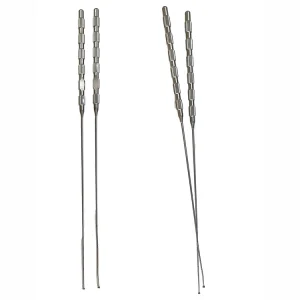
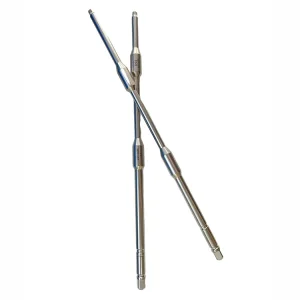
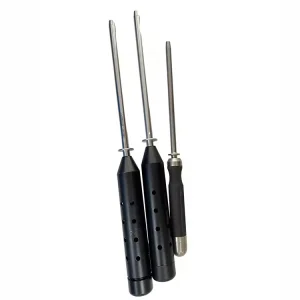
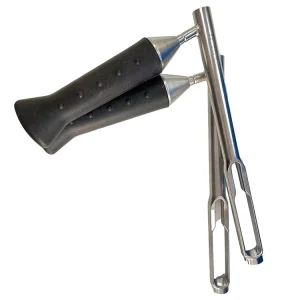
The global orthopedic accessories and surgical instruments sector constitutes one of the most critical backbones of modern clinical medicine. Driven by an aging global population, the expansion of minimally invasive surgery (MIS), and complex spinal corrective procedures (such as adolescent idiopathic scoliosis), the market demand for precision-engineered accessories has scaled exponentially. Strategic sourcing managers, medical device brands, and hospital procurement systems require partner factories that offer not only physical manufacturing volume, but advanced compliance structures, material integrity, and repeatable engineering accuracy.
Modern orthopedic surgery relies heavily on the interface between implants and their corresponding delivery systems. From pedicle positioning measuring systems to torque-limiting screwdrivers, a failure in instrument tolerance of even 0.01mm can lead to catastrophic intraoperative errors, implant failure, or prolonged patient recovery times. Consequently, Tier-1 manufacturing facilities must maintain highly sophisticated CNC infrastructure, integrated metallurgy laboratories, and cleanroom packaging facilities that align with global regulatory matrices, including FDA 21 CFR Part 820 and EU MDR 2017/745.
"The shift toward high-performance materials such as titanium alloys (Ti-6Al-4V ELI), cobalt-chromium, and polyetheretherketone (PEEK) has redefined the technical barrier of entry for orthopedic accessory manufacturers. Precision is no longer a metric of quality control; it is the fundamental baseline of clinical safety."
Furthermore, local market conditions dictate specific technical demands. For example, North American and European healthcare systems increasingly favor customized, single-use, sterile-packed instrument kits to mitigate hospital-acquired infections (HAIs) and reduce sterilization logistics costs. Meanwhile, fast-developing clinical corridors in Latin America and Southeast Asia require robust, multi-use modular instrument platforms capable of enduring rigorous autoclave sterilization cycles without mechanical degradation. Partnering with a comprehensive OEM/ODM factory like Axiora ensures these localized, complex requirements are seamlessly engineered into the final product line.
Axiora Medical Technology (China) Co., Ltd. is a premier developer and global exporter of high-precision orthopedic systems, medical accessories, and custom surgical instruments.
Established with a firm commitment to innovation, precision manufacturing, and international compliance, Axiora integrates state-of-the-art multi-axis CNC machining, Swiss longitudinal cutting lathes, automated surface modification lines, and rigorous ISO 13485-certified quality management protocols. Our facility covers over 18,600 square meters of specialized medical manufacturing space, empowering our engineers to support major device manufacturers, distributors, and surgical clinics worldwide.
Our operational framework is structured to support comprehensive OEM/ODM programs. Utilizing advanced reverse engineering, custom prototyping, and material analysis, our 86-strong R&D engineering division designed and delivered over 126 new proprietary and collaborative orthopedic products in the last fiscal year alone. Our capability profile details are outlined below:
| Strategic Metric | Operational Capability Specifications |
|---|---|
| Company & Brand Profile | Axiora Medical Technology (China) Co., Ltd. (Brand: Axiora | www.axioraortho.com) |
| Year Established & Export Footprint | Established 2017 | 8+ Years of Global Export Operations to Europe, North America, Middle East, and APAC |
| Financial Velocity | USD 26 Million Annual Export Revenue |
| Core QC Staffing | 48 Dedicated Quality Assurance & Metrology Officers |
| Inspection Methodologies | Coordinate Measuring Machines (CMM), Universal Tensile Testing, Rockwell/Vickers Hardness Testing, Surface Roughness Profiling, Salt Spray & Passivation Corrosion Analysis |
| Supply Chain Network | 1,120 Validated Global Supply Chain Partners |
| Comprehensive Customization | Laser Etching, Custom Private Labeling, Medical-grade Tyvek Sterile Packaging, Material Certifications, Custom Torque Calibration |
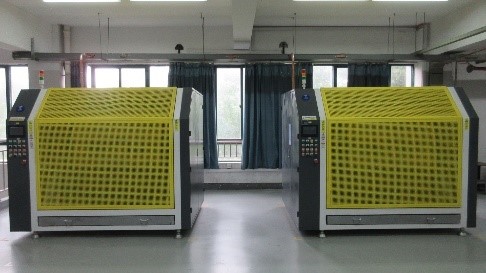
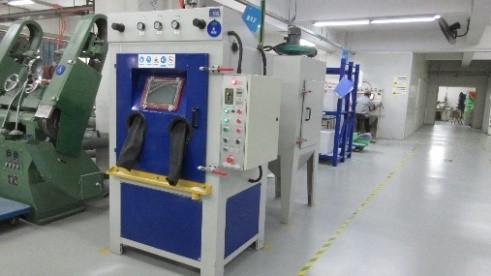
Traceable step-by-step orthopedic manufacturing phases, from raw medical titanium reception to aseptic packaging and validation testing.
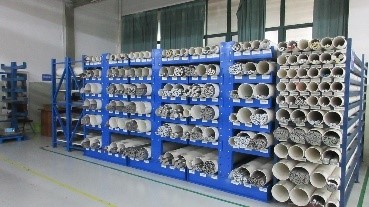
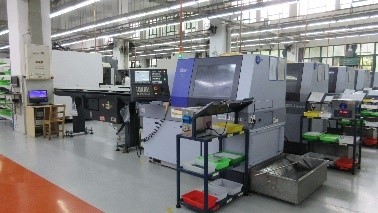
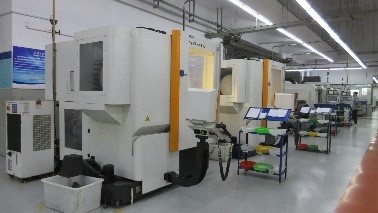
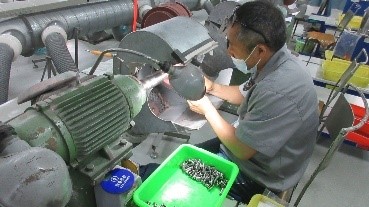
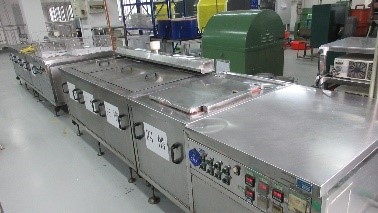
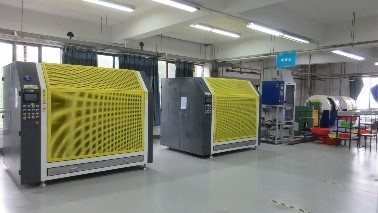
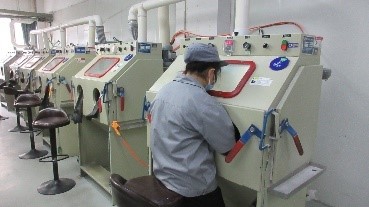
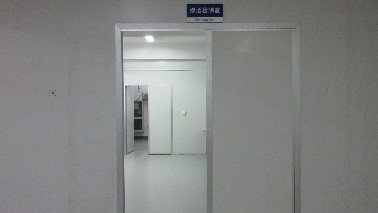
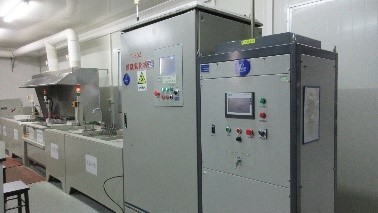
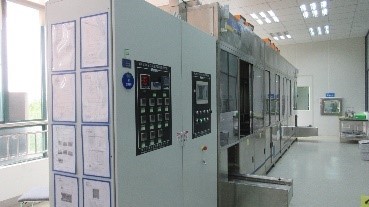
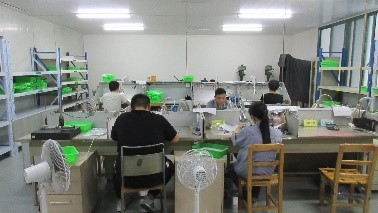
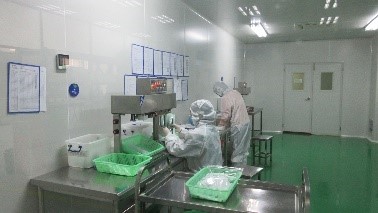
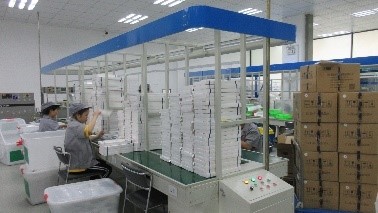
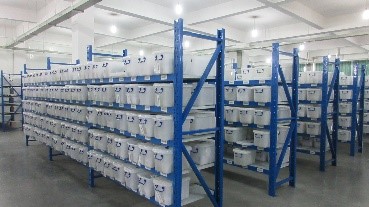
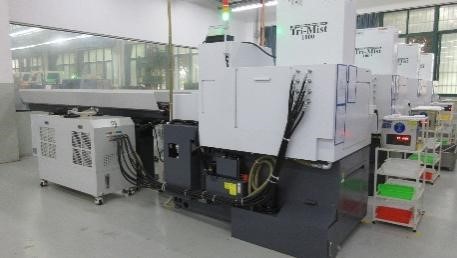
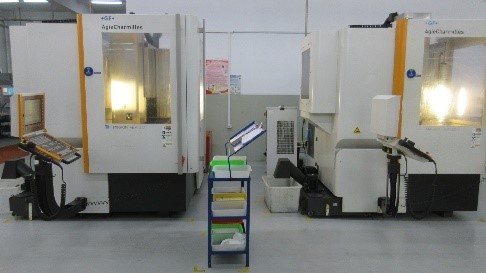
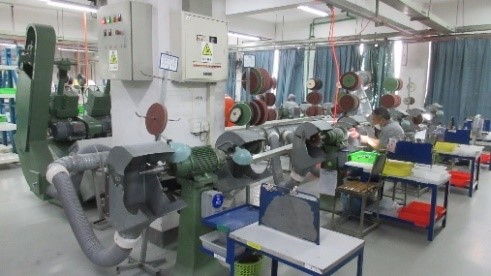
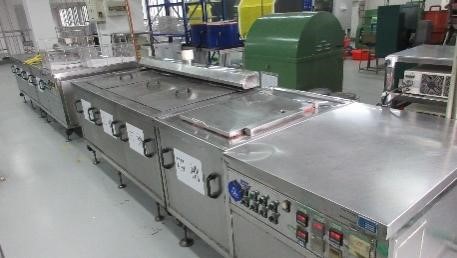
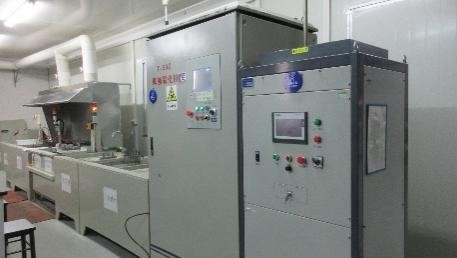
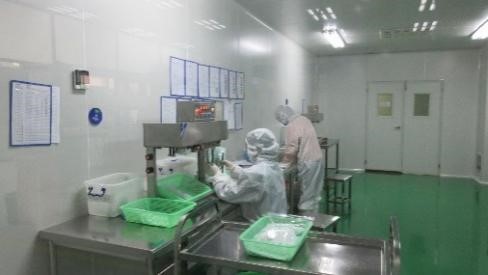
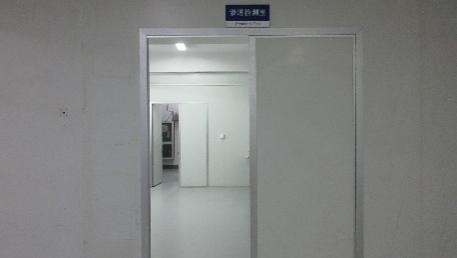
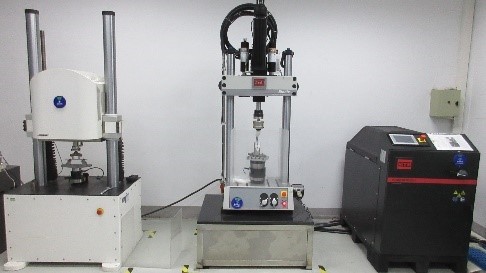
Orthopedic accessories interact directly with biological tissues and bone frameworks under high dynamic load parameters. Hence, the choice of substrate metal and subsequent micro-structuring treatment is vital. At Axiora, raw materials are sourced from validated medical-grade providers with full batch chemical certification. We primarily manufacture using:
Our production integrates two distinct post-processing steps: Type II and Type III Anodic Oxidation. Type II anodization provides a boundary lubricant layer to minimize friction and prevent galling of threads in spinal couplers. Type III color anodization allows clinical staff to color-code instruments, optimizing surgical workflows during complex procedures such as multi-level scoliosis reconstructions.
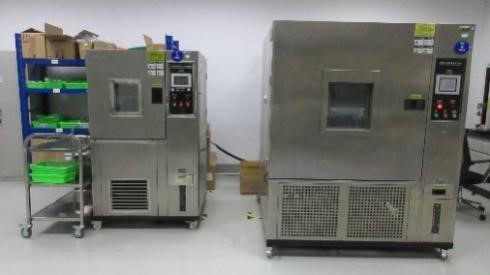
Furthermore, critical instruments undergo strict Liquid Penetrant Inspections to detect microscopic surface cracks under UV light, ensuring that no micro-fracture survives the processing queue. Biomechanical validation is finalized on our computerized *Endurance and Thermal Aging Testers*, which stress-test components under cyclical, high-torque configurations to simulate a lifetime of autoclave cycles.
Tailored manufacturing programs designed for medical device brands, regional importers, and large-scale clinical organizations.
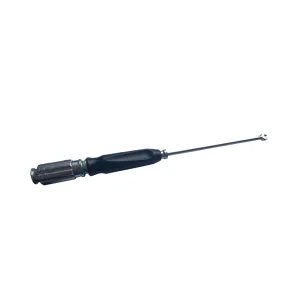
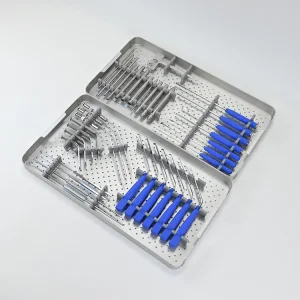
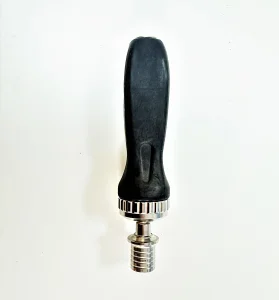
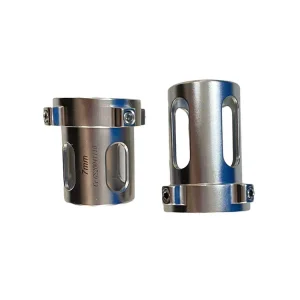
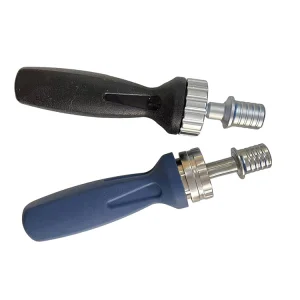
High-precision reset sleeves, pedicle positioning systems, and fighting spanners engineered to give orthopedic surgeons the tactile feedback needed during delicate spinal alignments.
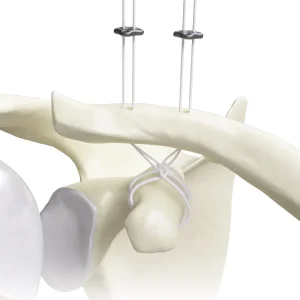
Innovative arthroscopic AC repair buttons and joint reconstruction elements built to support active restoration with low profile profiles and biocompatible interfaces.
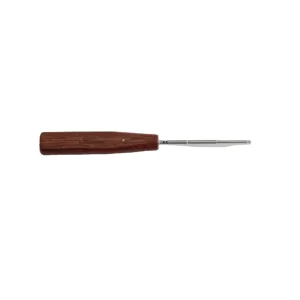
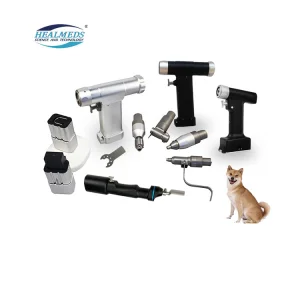
Designed for pet and working animal surgery, our heavy-duty power files, oscillating saws, and specialized veterinary drills meet high durability demands under intense operational use.
The next decade of orthopedic care will be defined by personalization, digitized surgical workflows, and high-performance smart materials. Axiora's engineering group is actively aligning production methodologies to integrate three primary technological streams:
To produce complex trabecular geometries that mimic natural human bone structure, we are refining our metal 3D-printing systems. Integrating Direct Metal Laser Sintering (DMLS) with traditional CNC milling allows for the manufacturing of custom femoral components and osteotomy wedges with optimal osteointegration characteristics.
We are prototyping next-generation torque limiters and ratchet handles equipped with embedded micro-sensors. These smart devices communicate directly with surgical navigation software via Bluetooth, providing real-time data on torque loads, screw depth, and bone density variations to improve safety and efficacy during spinal procedures.
To reduce secondary surgeries for implant removal, we are researching bioabsorbable magnesium alloys and polylactic acid (PLA) compounds. These materials will allow temporary fixation elements to dissolve safely in the body as natural bone healing progresses.
Get professional insights from our engineering division regarding compliance, raw material certificates, and OEM design procedures.
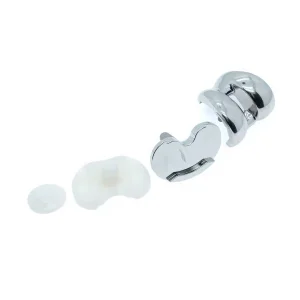
Complete joint replacements, acromioclavicular repair sets, TLIF cage holders, and veterinary surgical tools.