Axiora Medical
Axiora Medical
Axiora Medical
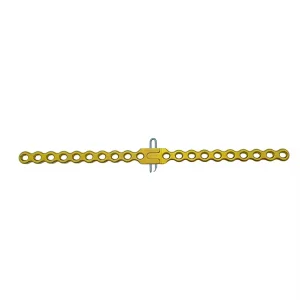
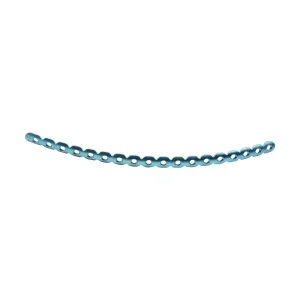
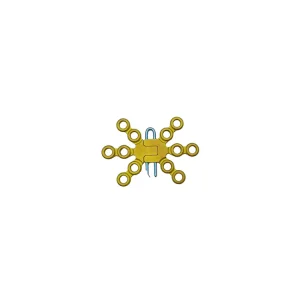
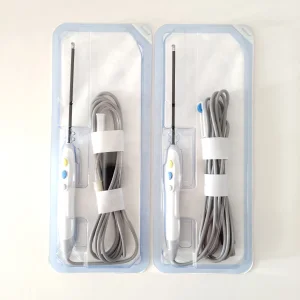
Historically, median sternotomy has remained the golden standard access route for cardiac surgeries, including coronary artery bypass grafting (CABG) and valvular interventions. However, the success of the post-operative recovery phase depends heavily on the mechanical stability of the reapproximated sternum. Modern clinical studies confirm that rigid internal sternal fixation systems present outstanding superiority over conventional wire cerclage techniques. Wire cerclage frequently suffers from localized bone cutout (wire-through-bone phenomenon), high incidence of sternal dehiscence, and post-operative pain due to micro-motion at the osteotomy margins.
Rigid sternal fixation plates, engineered from biocompatible medical-grade titanium (such as Ti-6Al-4V ELI or Pure Titanium), deliver a stable, multi-dimensional splint across the sternum. By distributing physiological breathing forces across a broader surface area, these systems eliminate rotational and shear displacement, accelerate primary osseous healing, and significantly decrease the clinical incidence of mediastinitis—a devastating complication with mortality rates reaching up to 40%.
The transition from dynamic wire closure to rigid plate fixation mirrors the progress of long-bone trauma management. Rigid fixation reduces respiratory-induced movement at the closure site, protecting the internal mammary artery harvest site and preserving mediastinal barrier integrity against bacteria.
As a global pioneer in orthopedic and cardiothoracic trauma devices, Axiora Medical Technology (China) Co., Ltd. develops high-grade sternal locking plates and rib fixation systems engineered for superior strength and rapid, uncomplicated surgical application. Our designs combine ultra-low profile geometry with anatomical pre-contouring to minimize palpable implant irritation under the skin, resolving long-term implant comfort challenges for patient rehabilitation.
The global sternal closure systems market is undergoing rapid expansion, driven by an aging global population, the rising prevalence of cardiovascular diseases (CVDs), and a growing demand for advanced clinical outcomes in thoracic surgery. Market reports project a compounding annual growth rate (CAGR) of 6.2% through 2030, with rigid fixation plates and cables displacing standard stainless-steel wires in advanced healthcare systems.
Compliance under the EU Medical Device Regulation (MDR 2017/745) and US FDA 510(k) clearances has redefined the export landscape. Factories must prove rigorous clinical evidence and trace materials to remain globally competitive.
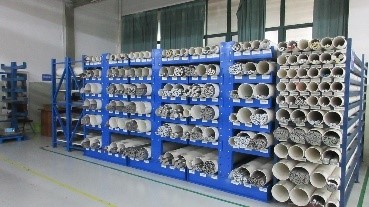
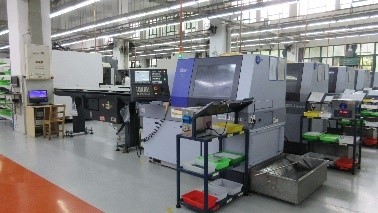
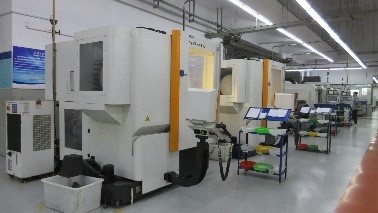
Cardiothoracic distributors require predictable lead times. Advanced manufacturers are integrating vertically, controlling everything from titanium ingot sourcing and high-speed CNC machining to sterile packaging.
While the initial cost of rigid plates exceeds wire cerclage, the total hospital cost drops. Fewer complications, shorter intensive care unit (ICU) stays, and lower readmission rates yield excellent value for healthcare payers.
Geographically, North America and Europe remain the largest consumers of premium sternal stabilization implants, attributed to high surgery volumes and favorable reimbursement frameworks. However, the Asia-Pacific region, led by China and India, is registering the fastest growth. This acceleration is driven by infrastructure upgrades, a rise in medical tourism, and a strategic pivot by domestic hospitals toward high-quality, cost-efficient regional alternatives.
The manufacturing architecture of Sternal Fixation Systems is defined by precise mechanical engineering. Key performance indicators focus on balancing plate rigidity with physiological elasticity, allowing the chest to expand naturally during respiration while avoiding bone ischemia or local osteopenia.
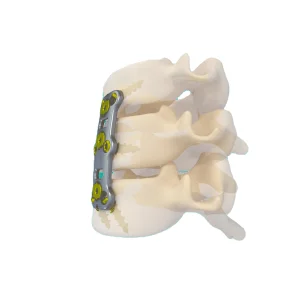
Every thorax has unique anatomical geometry. Standard flat plates require extensive intraoperative bending, which can compromise the structural integrity of the metal. Modern systems utilize advanced CT-based modeling to construct pre-contoured plates matching the average sternum geometry. This reduces operation times and avoids fatigue points caused by manual bending.
Screws must lock securely into the plate to form a monolithic frame. Threaded screw heads engage with internal threads in the plate holes, converting shear stress into compressive force across the osteotomy line. This design is highly beneficial for patients with osteoporotic bones, where standard non-locking screws are prone to stripping and pulling out.
Using advanced type-II anodization processes, manufacturers can generate a hard, bioactive titanium oxide layer on the plate surface. This not only enhances corrosion resistance within the aggressive, fluid-rich thoracic environment but also minimizes tissue adhesion, facilitating plate removal in the rare event of late-stage deep infection.
Axiora Medical Technology (China) Co., Ltd. is a professional manufacturer specializing in the research, development, production, and global supply of high-quality orthopedic implants and surgical instruments. Our product portfolio covers trauma fixation systems, spinal implants, joint reconstruction solutions, sports medicine products, and related orthopedic surgical instruments.
Established with a commitment to innovation and precision manufacturing, Axiora integrates advanced CNC machining, automated production lines, and strict quality management systems to deliver reliable products that meet international standards. Our experienced engineering team continuously develops innovative solutions to support surgeons and healthcare providers worldwide.
With strong OEM and ODM capabilities, we provide customized manufacturing services according to customers' drawings, samples, and technical requirements. From product design and prototyping to mass production and packaging, our integrated manufacturing process ensures consistent quality, competitive pricing, and on-time delivery.
Today, Axiora exports its orthopedic products to customers across Europe, North America, South America, the Middle East, Southeast Asia, and Africa, building long-term partnerships with medical device distributors, brand owners, hospitals, and healthcare organizations around the world.
| Item | Details |
|---|---|
| Company Name | Axiora Medical Technology (China) Co., Ltd. |
| Brand | Axiora |
| Website | www.axioraortho.com |
| Established | 2017 |
| Factory Area | 18,600 m² |
| Annual Export Revenue | USD 26 Million |
| Export Experience | 8 Years |
| Industry Experience | 15 Years |
| Quality Inspection | 100% Finished Product Inspection & Incoming Material Inspection |
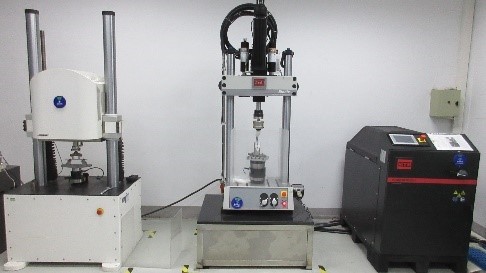
| Product Inspection Methods | Coordinate Measuring Machine (CMM), Tensile Testing, Hardness Testing, Surface Roughness Inspection, Salt Spray Testing |
| Quality Control Staff | 48 |
| Business Type | Manufacturer & Exporter (OEM/ODM) |
| Main Markets | Europe, North America, Middle East, Southeast Asia, South America |
| Supply Chain Partners | 1,120 |
| Main Customer Types | Medical Device Brands, Importers, Distributors, Hospitals, Government Procurement Projects |
| R&D Capability | Independent Product Development, Reverse Engineering, OEM & ODM Solutions |
| Customization Options | Logo Printing, Private Label, Custom Packaging, Product Design, Material Selection, Drawing-Based Manufacturing |
| New Products Released Last Year | 126 |
| R&D Engineers | 86 |
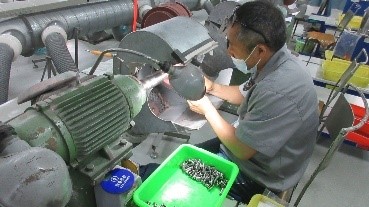
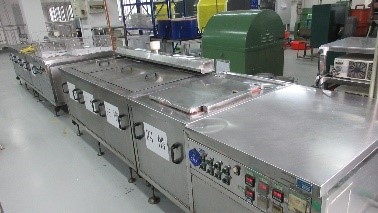
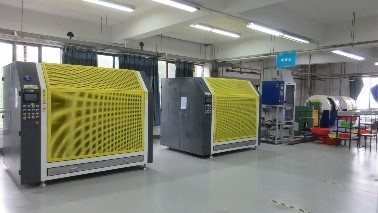
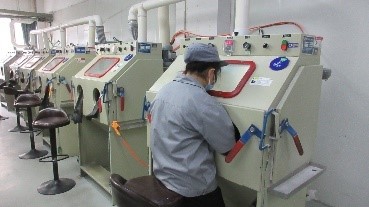
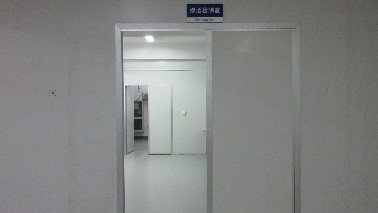
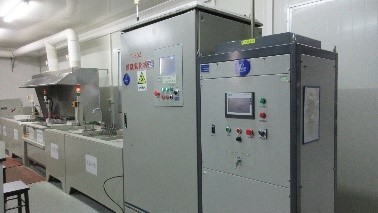
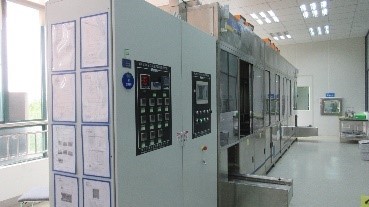
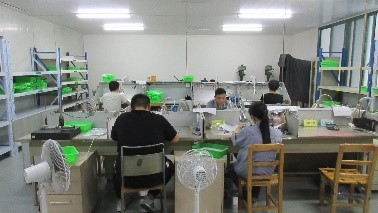
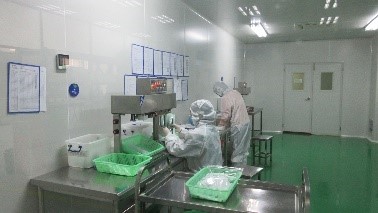
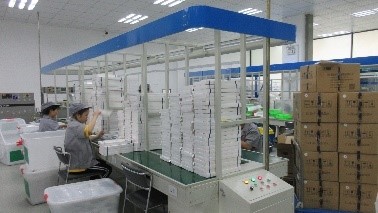
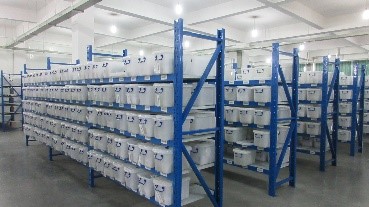
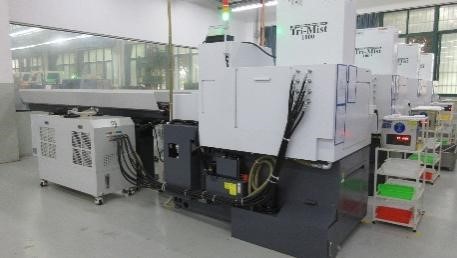
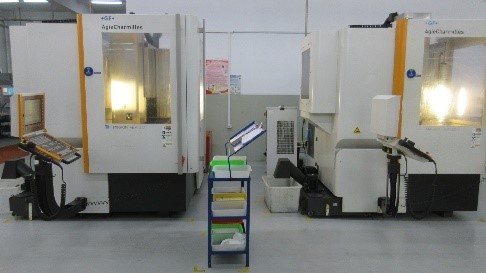
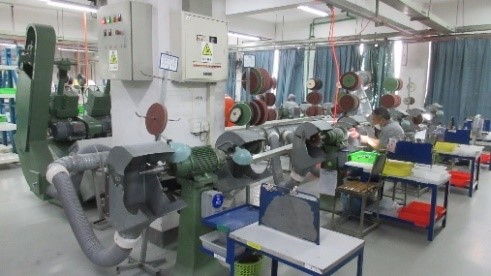
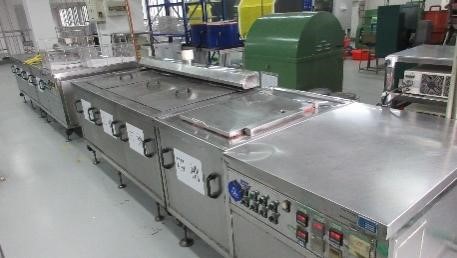
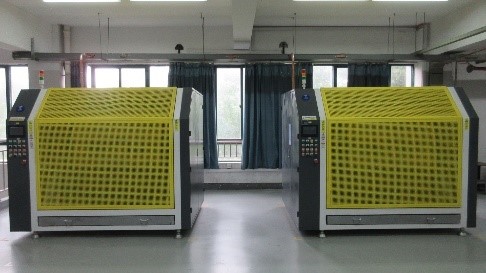
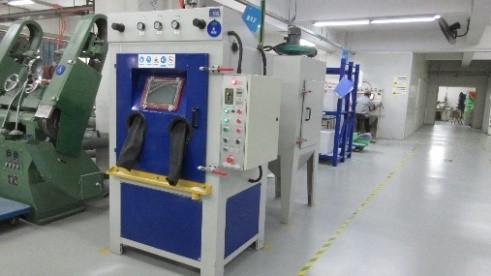
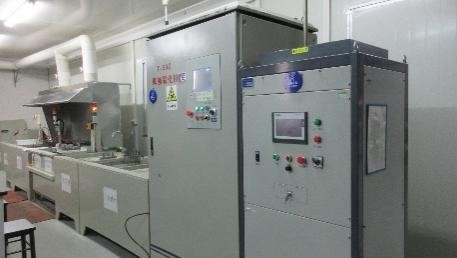
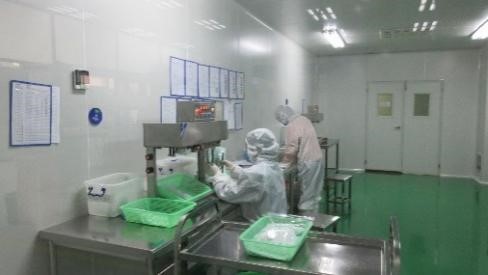
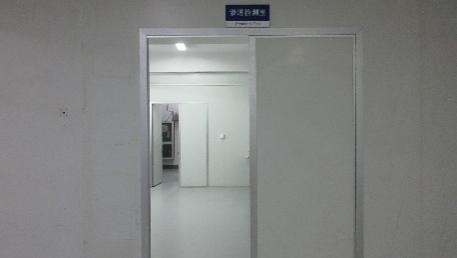
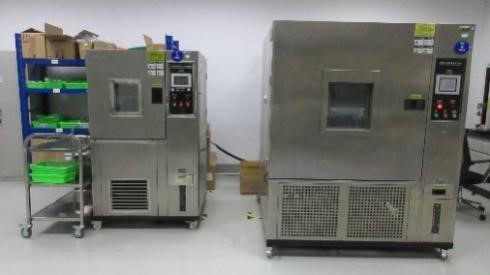
Our manufacturing facility operates under ISO 13485 cleanroom regulations. Here is the step-by-step production flow and testing protocol deployed at our 18,600 m² facility.
Years Industry R&D
Annual Export Value
In-House R&D Engineers
Global Channel Partners
Sternal fixation needs vary depending on patient anatomy and the surgical context. Our technical platform is structured to address the specific challenges encountered by thoracic teams:
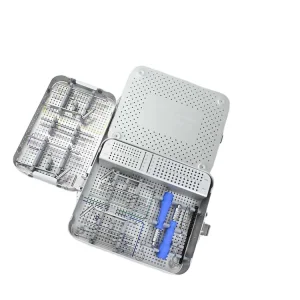
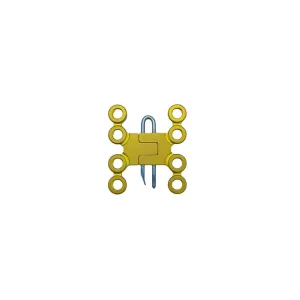
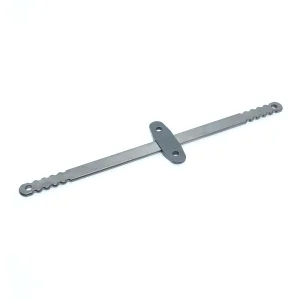
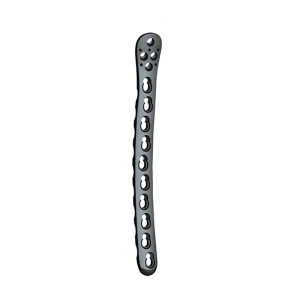
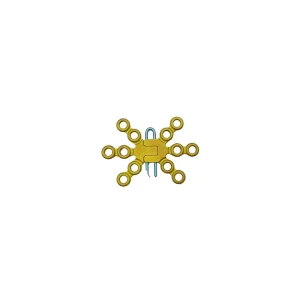
By offering a modular range of options—including locking plates, H-type configurations, straight bone plates, and specialized rib systems—Axiora provides thoracic surgeons with the necessary tools to tailor closures to each patient's anatomical needs.
As a leading supplier of medical equipment, Axiora Medical Technology supports international distributors, hospital procurement managers, and OEM clients through targeted business solutions:
Backed by an 86-engineer design team and high-precision CNC machinery, we manufacture custom implants directly from client blueprints or digital files. Our technical expertise encompasses toolpath programming, customized anodization, and sterile packaging.
Our quality management system operates under ISO 13485 regulations. Each batch of raw titanium underwent complete chemical composition and mechanical tensile checks. Non-destructive penetrant testing and three-dimensional coordinate measuring machine (CMM) testing ensure every plate satisfies clinical tolerances before packaging.
We supply clients with the full documentation required for regulatory registrations, including material certificates, biocompatibility studies, sterilization validation, and CE/ISO declarations, simplifying the local import process.