Axiora Medical
Axiora Medical
Axiora Medical
Premium medical-grade titanium and stainless steel fracture fixation plates, locking screws, and reconstructive implants manufactured for extreme anatomical precision and high biomechanical durability.
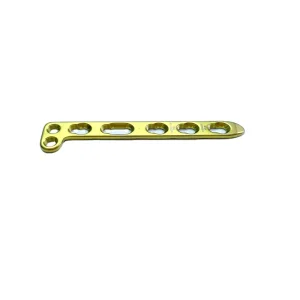
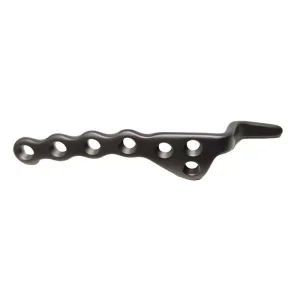
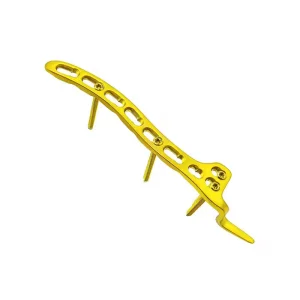
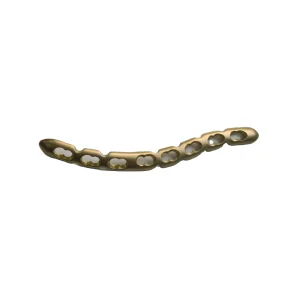
In global clinical orthopedics, trauma implants represent the most critical class of internal fixation devices. Designed to stabilize fractures, restore anatomical alignment, and facilitate early mobilization, these systems must withstand high dynamic loading conditions within the hostile biological environment of the human body. As leading orthopedic trauma implant factories, we recognize that our products represent the line between successful skeletal recovery and revision surgeries.
The materials employed in manufacturing must display a perfect balance of biocompatibility, corrosion resistance, high fatigue strength, and an elastic modulus as close as possible to human cortical bone. The primary materials utilized are:
Advanced trauma implant factories must integrate mechanical and materials science, translating physical parameters (such as yield strength and fatigue cycles) into components that perform predictably under the complex forces of shear, tension, compression, and torsion experienced by patients daily.
Axiora Medical Technology (China) Co., Ltd. is a professional manufacturer specializing in the research, development, production, and global supply of high-quality orthopedic implants and surgical instruments. Our product portfolio covers trauma fixation systems, spinal implants, joint reconstruction solutions, sports medicine products, and related orthopedic surgical instruments.
Established with a commitment to innovation and precision manufacturing, Axiora integrates advanced CNC machining, automated production lines, and strict quality management systems to deliver reliable products that meet international standards. Our experienced engineering team continuously develops innovative solutions to support surgeons and healthcare providers worldwide.
With strong OEM and ODM capabilities, we provide customized manufacturing services according to customers' drawings, samples, and technical requirements. From product design and prototyping to mass production and packaging, our integrated manufacturing process ensures consistent quality, competitive pricing, and on-time delivery. Today, Axiora exports its orthopedic products to customers across Europe, North America, South America, the Middle East, Southeast Asia, and Africa, building long-term partnerships with medical device distributors, brand owners, hospitals, and healthcare organizations around the world.
| Item | Details |
|---|---|
| Company Name | Axiora Medical Technology (China) Co., Ltd. |
| Brand | Axiora |
| Established | 2017 |
| Factory Area | 18,600 m² |
| Annual Export Revenue | USD 26 Million |
| Export Experience | 8 Years |
| Industry Experience | 15 Years |
| Quality Control Staff | 48 Specialists |
| R&D Engineers | 86 Engineers |
| Business Type | Manufacturer & Exporter (OEM/ODM) |
| Main Markets | Europe, North America, Middle East, Southeast Asia, South America |
| Supply Chain Partners | 1,120 Partners |
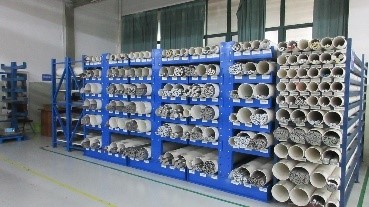
China is home to the most concentrated cluster of precision engineering suppliers, high-purity medical titanium processing plants, and certified sterilization facilities. This integrated network allows for zero-lead-time logistics between raw titanium supply, precision machining, surface treatment, and final cleanroom packaging.
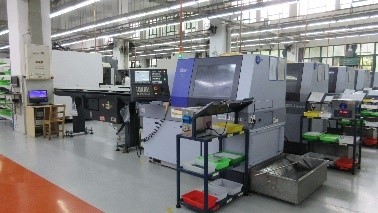
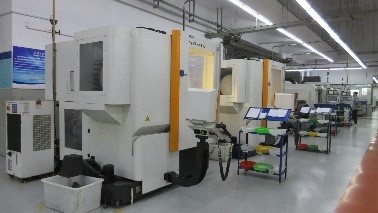
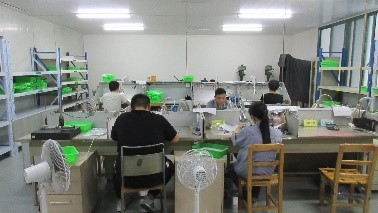
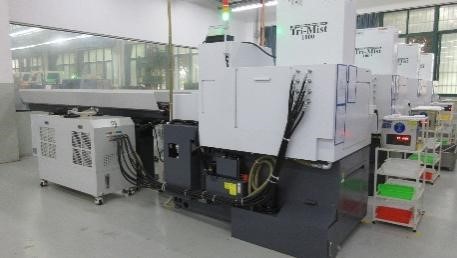
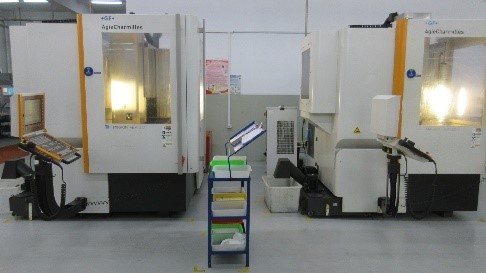
Our production floor is powered by high-precision Swiss-type longitudinal cutting lathes and 5-axis CNC machining centers. This technology ensures that even micro-sized screws and anatomical plates with complex contours are machined with tolerances as tight as 5 microns, eliminating structural stress concentrators.
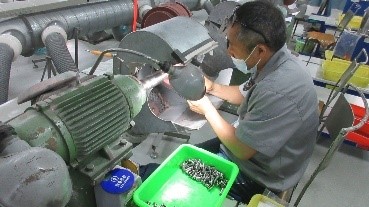
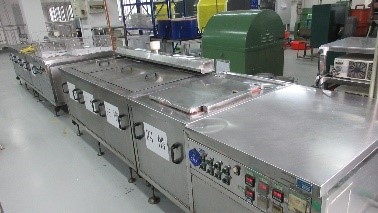
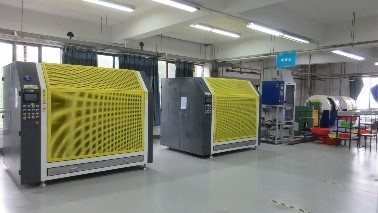
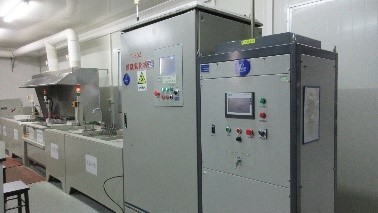
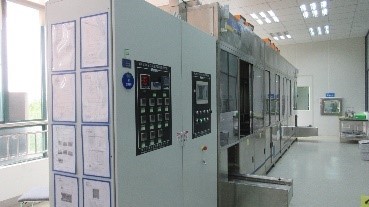
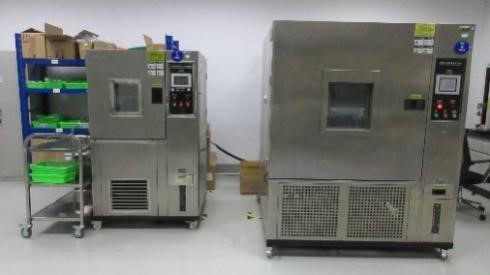
Quality in orthopedics is not negotiable. We utilize Coordiante Measuring Machines (CMM) for geometric verification, alongside mechanical testing equipment to run dynamic fatigue and tensile load trials. Every single implant undergoes an anodizing process to enhance bio-inertness, followed by rigorous dye penetrant inspection for micro-fractures.
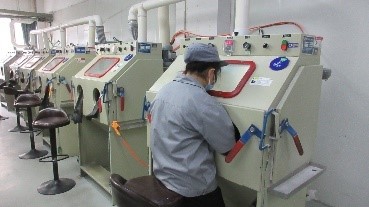
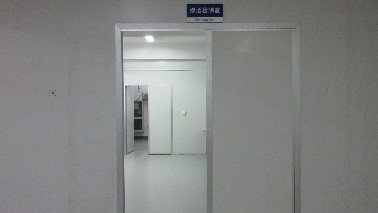
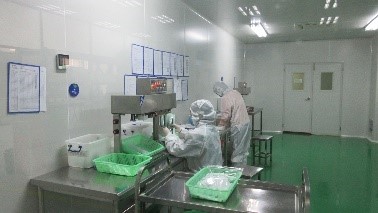
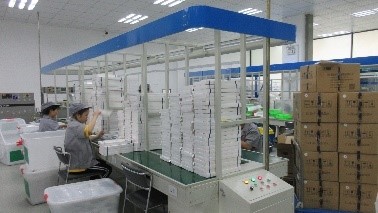
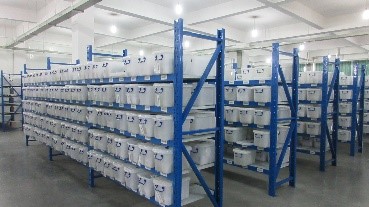
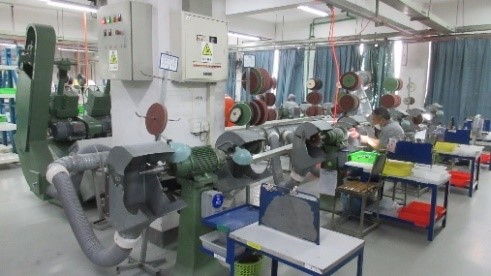
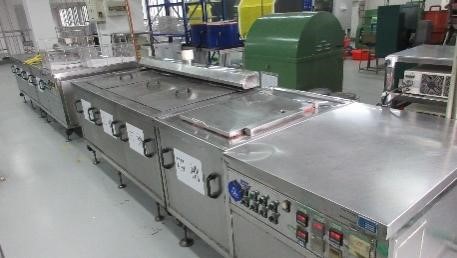
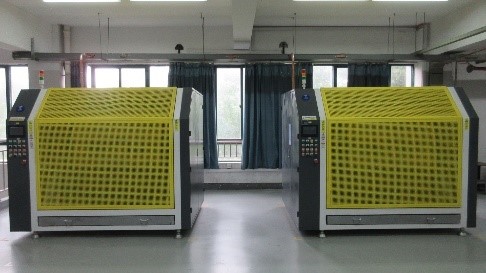
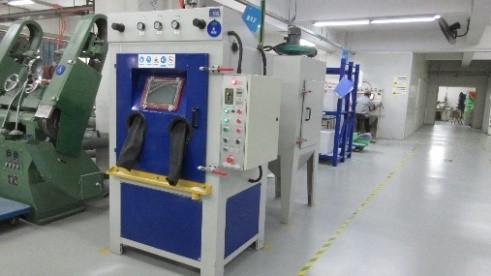
A detailed stage-by-stage visualization of our 18,600 m² factory's specialized production steps, moving from raw titanium rods to sterilized, shelf-ready surgical products.
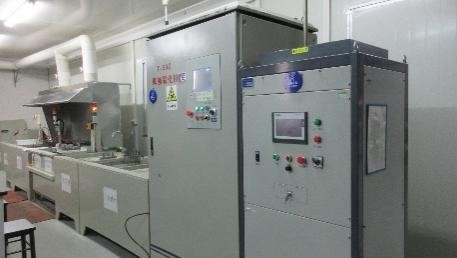
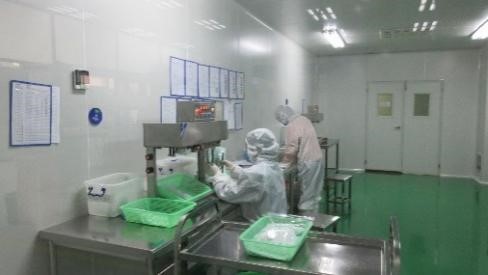
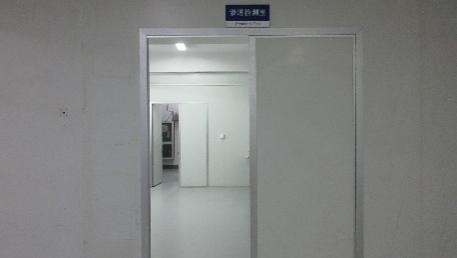
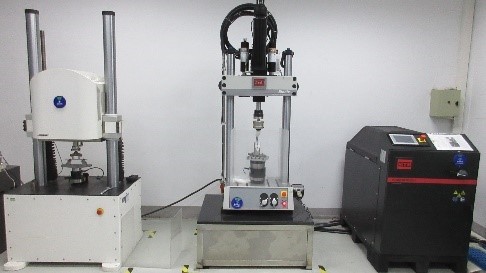
Surgical intervention for trauma fractures is highly site-specific. An implant designed for a distal radius fracture has fundamentally different geometry and loading profiles compared to a proximal femur locking plate. Global orthopedic distributors must curate their portfolios to map against specific clinical requirements:
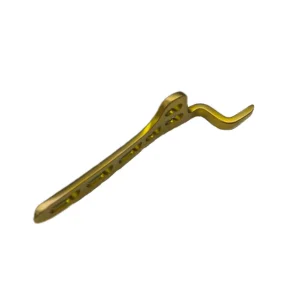
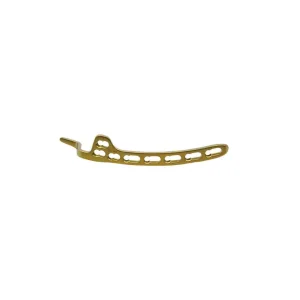
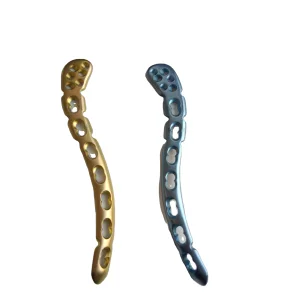
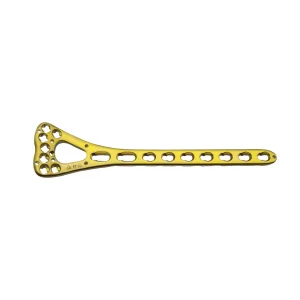
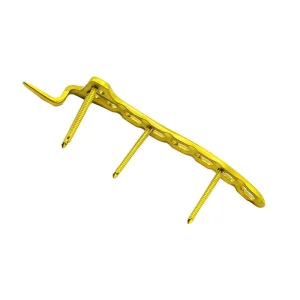
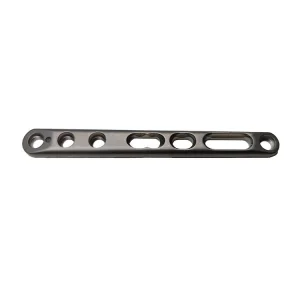
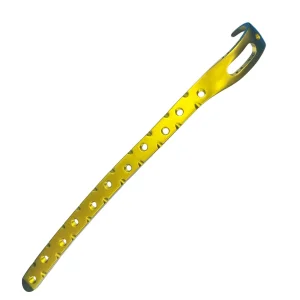
The shoulder girdle and upper limbs require implants that match complex anatomy with minimal hardware prominence to prevent soft tissue irritation. For instance, the Clavicular Hook Plate and the 3.5mm Small Fragment Bone Implant are contoured to match the natural S-curve of the clavicle, providing stable fixation for distal fractures or acromioclavicular joint dislocations. Similarly, the Distal Radius Locking Plate is optimized with a low profile to prevent irritation to the flexor pollicis longus tendon, using polyaxial screws to capture small osteoporotic fragments in elderly patients.
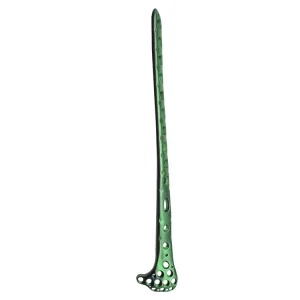
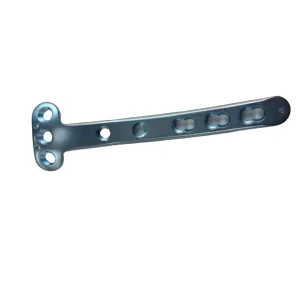
Implant configurations for the lower limbs must manage extreme cyclic loading. The Proximal Femur Locking Plate is engineered with thick, high-tensile locking holes to support the trochanteric region during early weight-bearing phases. For tibial injuries, the Distal Tibia Locking Plate provides a biomechanically stable structure for intra-articular and extra-articular distal tibia fractures, bridging the mechanical loads between the diaphyseal shaft and the ankle joint.
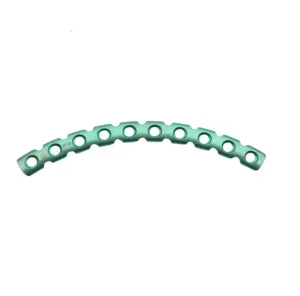
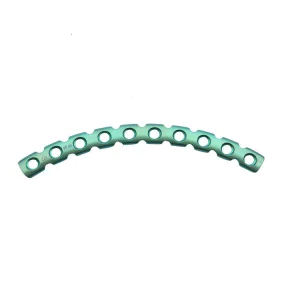
In cranial and maxillofacial surgeries, aesthetics, low-profile structures, and hand-malleable plates are crucial. The Titanium Maxillofacial Arc Locking Plate is designed with a minimal plate thickness of 1.0mm to 1.5mm, permitting rapid reshaping by the surgeon to fit the facial contours while securing delicate bone fusions and interventional cages.
The global orthopedic market is undergoing a rapid evolution, driven by technological breakthroughs that demand ongoing adaptation from contract manufacturers and brand owners alike:
B2B procurement of orthopedic devices requires managing multiple regulatory, logistical, and technical parameters. Brand owners and distributors should evaluate potential partners using a structured framework:
The partner facility must operate under a validated ISO 13485:2016 quality management system. For high-barrier markets, verification of US FDA 510(k) clearances or CE MDR compliance is mandatory. The manufacturer should provide full raw material traceability reports (heat numbers, material mill certificates) matching ASTM specifications.
Ensure the manufacturer has in-house mechanical testing capability or partners with certified third-party labs to perform:
• ASTM F382 (Standard Test Method for Metallic Bone Plates) to evaluate static and dynamic bending properties.
• ASTM F543 (Standard Specification and Test Methods for Metallic Medical Bone Screws) to verify insertion torque and torsional yield strength.
For sterile-packaged implants, cleanroom facilities must meet ISO Class 7 (Class 10,000) or Class 8 standards. The packaging must use Tyvek medical-grade pouches, showing validated shelf-life testing, and the sterilization must achieve a minimum SAL of 10-6 via Ethylene Oxide (EO) or Gamma irradiation.
Explore our extended portfolio of limb reconstruction plates, distal tibia compression sets, and specialized bone alignment locking instruments designed for operating room performance.