 Axiora Medical
Axiora Medical
Axiora Medical
Clinical-grade orthopedic fixation devices manufactured under rigorous ISO 13485 protocols for optimized biomechanical performance and rapid patient recovery.
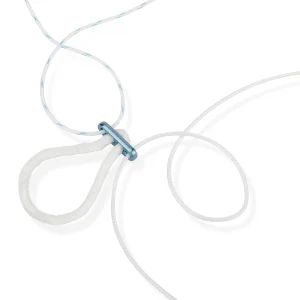
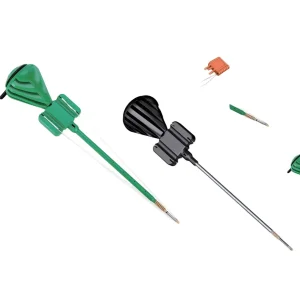
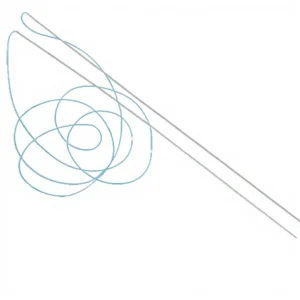
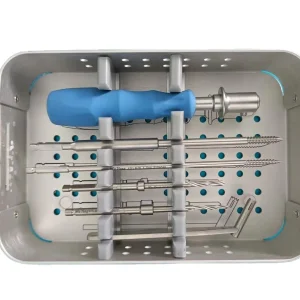
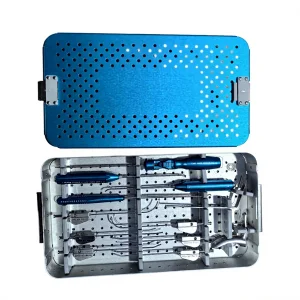
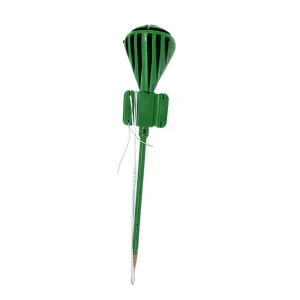
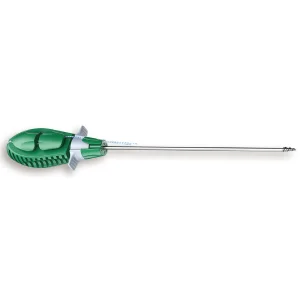
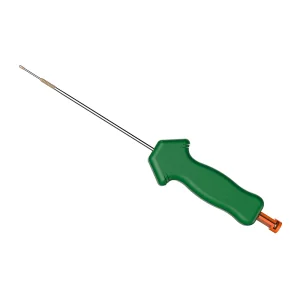
Under the parent brand Axiora, Axiora Medical Technology (China) Co., Ltd. serves as an industry-leading manufacturer specializing in Class II and Class III orthopedic implants, instruments, and customized solutions.
Axiora Medical Technology (China) Co., Ltd. is a high-technology industrial entity dedicated to the research, design, optimization, and globally compliant production of high-performance orthopedic implants and related surgical instrument sets. Our comprehensive solution portfolio features robust systems for sports medicine, trauma fixation, spinal fusion systems, joint reconstruction, and dedicated clinical instruments.
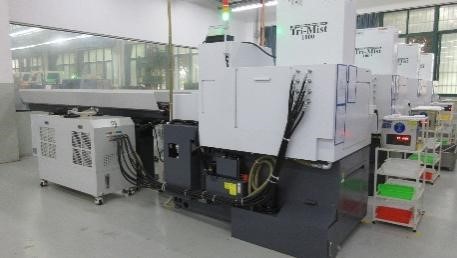
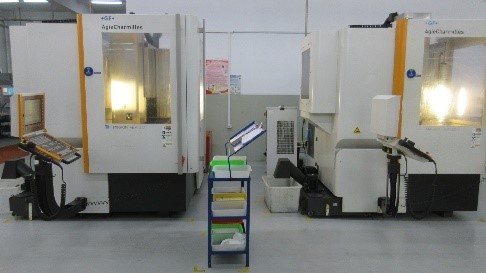
With the global rise in outpatient orthopedic procedures and the increasing clinical preference for minimally invasive surgery, we have scaled our production lines to offer optimized OEM and ODM pathways. Using advanced high-precision Swiss-type longitudinal cutting lathes, automated CNC multi-axis milling, and ISO Class 7 cleanrooms, Axiora addresses the critical demands of medical device brands, healthcare groups, and government tender buyers across Europe, North America, South America, the Middle East, and Asia Pacific.
| Technical Capability Metric | Specification & Infrastructure Details |
|---|---|
| Company Name & Brand | Axiora Medical Technology (China) Co., Ltd. (Brand: Axiora) |
| Digital Gateway | www.axioraortho.com |
| Factory Area & Cleanrooms | 18,600 m² total footprint incorporating ISO Class 7/Class 10,000 sterile packaging zones |
| Quality Control Force | 48 dedicated QC inspectors with 100% incoming raw material and finished product examination |
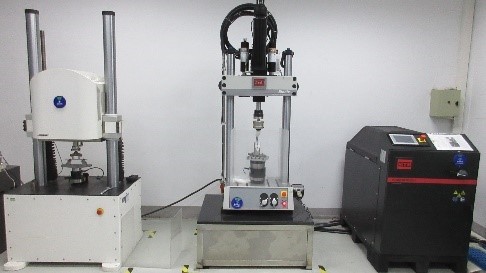
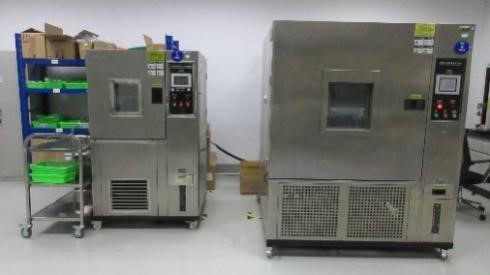
| Metrology & Inspection | Coordinate Measuring Machines (CMM), dynamic tensile fatigue systems, Rockwell/Vickers hardness testers, optical surface roughness profiles, and salt spray exposure chambers |
| OEM/ODM Customization | Reverse engineering, advanced solid modeling CAD/CAM, laser marking, private label, medical-grade sterilizable packaging, and customized titanium anodizing |
| Innovation Rate | 126 new products and clinical instrument updates launched within the last fiscal year |
Pioneering the next generation of implant materials, surface modifications, and anatomical design principles.
The clinical success of sports medicine reconstruction depends directly on the interface between implantable materials and living bone tissue. Axiora’s technical roadmap centers on the optimization of PEEK (Polyetheretherketone) and Medical Grade 5 Titanium (Ti-6Al-4V ELI). While Titanium offers exceptional mechanical integrity and immediate structural pull-out resistance, PEEK provides an elastic modulus highly comparable to human cortical bone, reducing stress shielding and artifacts in post-operative MRI scans.
Looking to the future, our material science laboratory is investing heavily in biocomposite polymer structures, blending PLLA (Poly-L-lactide) and β-TCP (Beta-Tricalcium Phosphate). This compound provides transient fixation strength during the healing phase of ligament reconstruction, followed by controlled resorption. The release of calcium phosphate during degradation buffers the localized acidic environment and facilitates replacement of the implant by natural trabecular bone.
Simulating natural strain pathways using advanced CAD algorithms to optimize implant topology, minimizing micromovements and bone resorption.
Developing plasma-spray hydroxyapatite (HA) and laser texturing options to encourage direct osteocyte migration and rapid mechanical locking.
Ultra-High-Molecular-Weight Polyethylene (UHMWPE) braided sutures designed for maximum knot security and zero elongation under tension.
Bridging the gap between specialized surgical instruments and implantable hardware to optimize ASC efficiency and clinical outcomes.
Modern clinical pathways are moving increasingly toward outpatient settings, particularly Ambulatory Surgical Centers (ASCs). In these fast-paced environments, efficiency, product availability, and minimized procedural complications are key. Axiora addresses these needs by supplying complete structural systems: matching high-tensile anchors, guide wires, trephines, and trial inserters within integrated sterilization trays.
By engineering proprietary systems for Anterior Cruciate Ligament (ACL/PCL) reconstruction, rotator cuff restoration, and meniscal repair, we enable surgeons to execute complex procedures with high precision. For instance, our Meniscal Repair System features dual-needle configurations with flexible, high-tensile materials that adapt to inside-out and outside-in knee arthroscopic techniques, significantly shortening the operative learning curve.
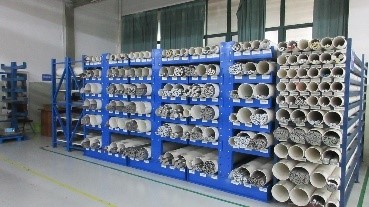
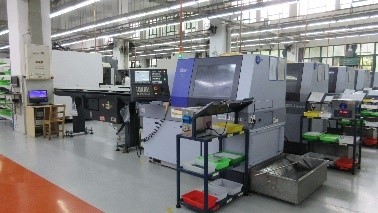
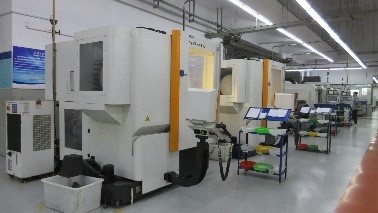
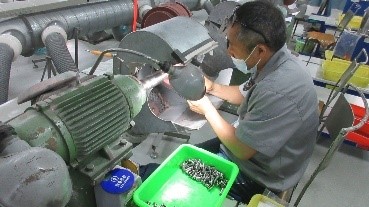
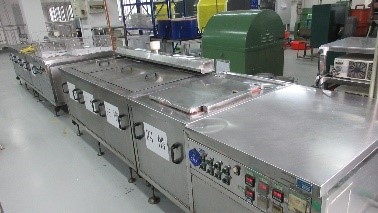
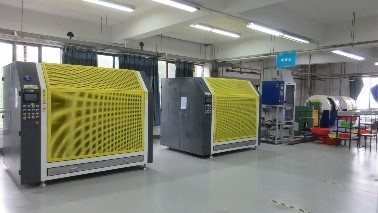
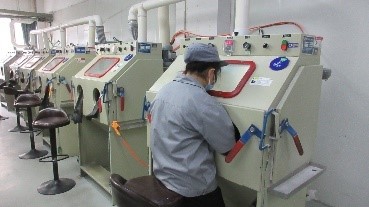
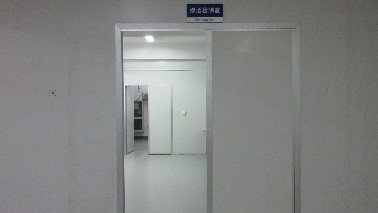
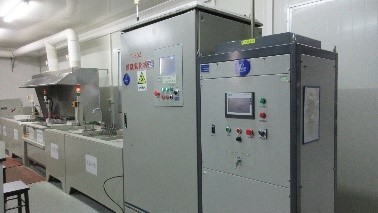
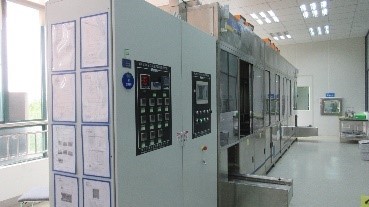
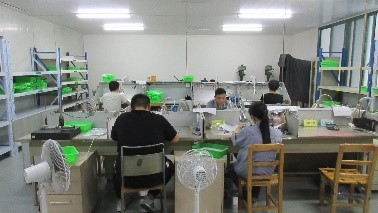
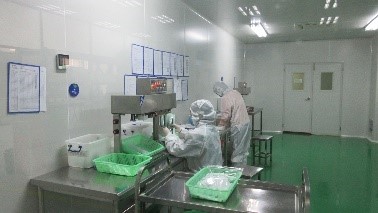
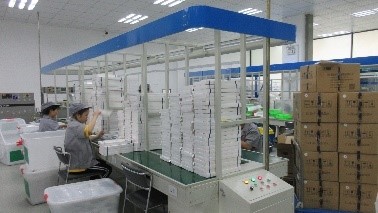
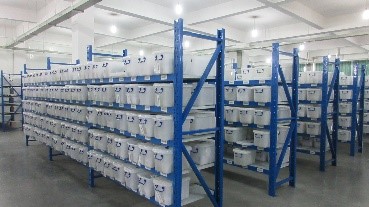
Step-by-step visual and technical validation of our 18,600 m² advanced manufacturing facility in China.
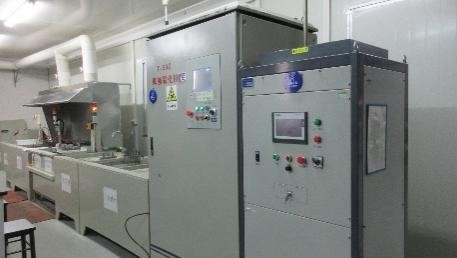
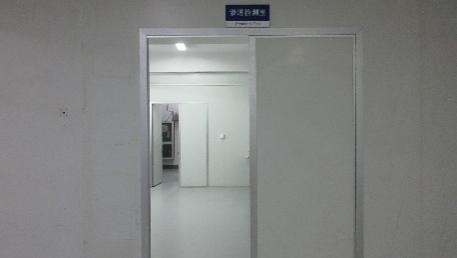
At Axiora, every stage of our medical device manufacturing process is tracked by an enterprise resource planning (ERP) database, ensuring full material batch traceability. Operating in compliance with cleanroom standards, we monitor microclimates, particulate levels, and bioburdens constantly. By combining Swiss-type precision machining with rigorous quality control, we maintain dimensional tolerances within ±5 microns for orthopedic threads and surgical interfaces.
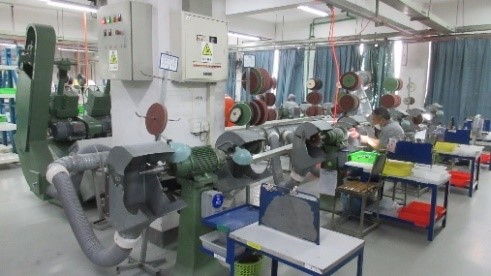
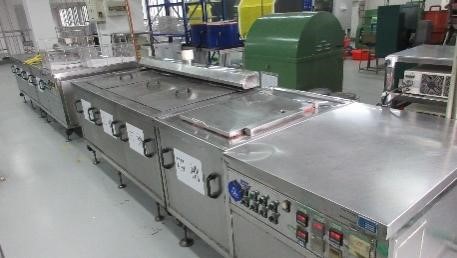
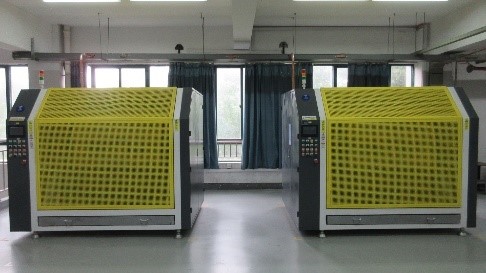
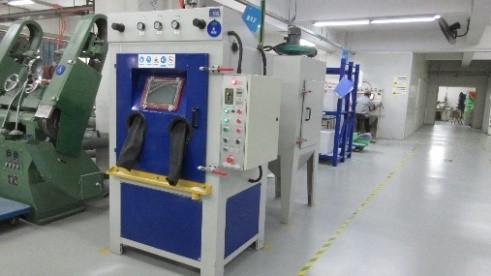
Ensuring cross-border medical device compliance through systematic regulatory affairs, testing data, and documentation.
Entering international markets requires rigorous documentation and regulatory alignment. Axiora provides full dossier support, including FDA 510(k) submissions, CE MDR technical files, and local MoH registrations. Our dedicated regulatory affairs department coordinates directly with local consulting authorities to verify product safety profiles, biomechanical test data, and sterilisation validation protocols. By supplying clean test data, we help brands navigate Class II and Class III approvals with confidence.
Our QA frameworks align with the Medical Device Single Audit Program (MDSAP), checking production safety across multiple jurisdictions simultaneously. Our cleanrooms are subject to continuous validation, including airborne particulate counters, air pressure monitoring, and microbial settling plate exposures. Each batch of implants is delivered with a complete Material Test Certificate (MTC) outlining elemental composition, mechanical strength properties, and fatigue limits.
Streamlined procurement steps for orthopedic brands, medical groups, and large-scale hospital tenders.
Detailed transfer of drawings (IGS/STEP format) into physical orthopedic configurations. Reverse engineering is available for customized projects.
We evaluate prototypes using static tension, shear load, and cyclic fatigue testing to ensure the device performs under physiological loads.
Double Tyvek sterile packaging configurations are validated under ISO 11607 to ensure sterile integrity for up to five years.
Axiora's flexible manufacturing system allows us to fulfill both large-scale standard orders and custom, low-volume production runs. Our engineering team uses 3D simulation tools to optimize tooling designs and decrease production cycle times. Whether you require standard PEEK anchors for rotator cuff repairs or customized implant designs for complex bone geometries, our manufacturing facility delivers precision components on time.
Highly refined surgical kits, non-absorbable suture constructs, and biocompatible anchors for complete reconstruction systems.
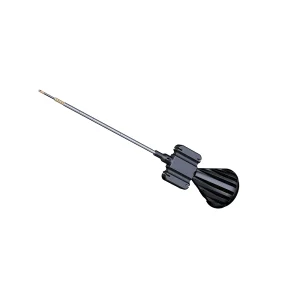
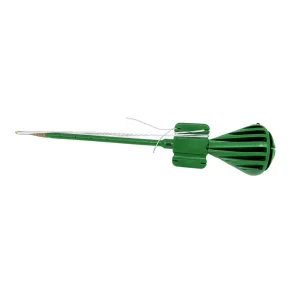
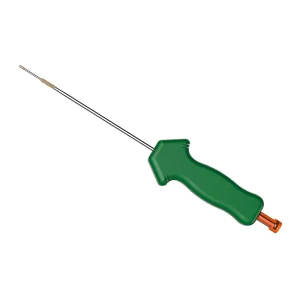
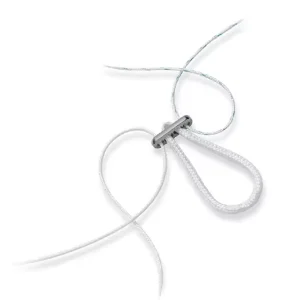
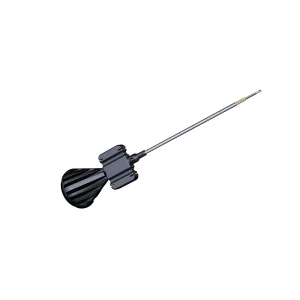

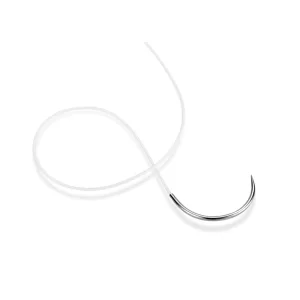
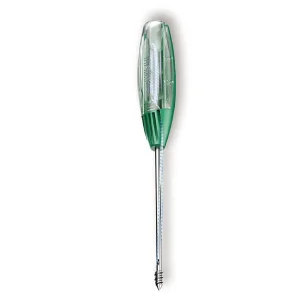
Addressing critical technical, regulatory, and mechanical questions for professional medical device procurement specialists.
PEEK (Polyetheretherketone) is a non-absorbable polymer that provides permanent mechanical fixation and high chemical resistance, making it suitable for applications that require long-term stability. Biocomposites, typically composed of PLLA and β-TCP, are absorbable materials designed to resorb over time. They transfer loads to the healing bone and promote osteointegration, reducing the risk of late implant displacement or foreign body reactions.
We perform mechanical testing using a calibrated tensile testing machine, adhering to ASTM F543 and ASTM F2502 standards. Testing involves inserting the anchors into synthetic bone blocks that mimic human bone densities (ranging from 10 to 30 PCF) and applying a axial pull-out force at a rate of 5 mm/min. We record the peak failure force (in Newtons) to verify that each product meets our structural requirements before shipment.
Our implants are sterilized using either Ethylene Oxide (EO) or Gamma Irradiation, depending on the material's sensitivity. We validate sterilization cycles according to ISO 11135 (for EO) and ISO 11137 (for Gamma), targeting a Sterility Assurance Level (SAL) of 10⁻⁶. Our double-sterile barrier Tyvek packaging is validated under ISO 11607 accelerated aging protocols to guarantee a shelf life of five years.
Yes. Through our integrated OEM/ODM program, we construct custom surgical instrumentation sets. Our engineering department uses CNC milling, EDM cutting, and surface treatment technologies to manufacture drills, drivers, and guides based on customer specifications. We can supply these in custom graphic sterilization cases designed to withstand repeated autoclaving cycles.
We supply a complete technical documentation package for registration purposes. This package includes ISO 13485 certifications, biocompatibility data (ISO 10993 testing), clinical evaluation reports, sterilisation validation documentation, and raw material certificates (MTC) showing compliance with ASTM and ISO standards.