Axiora Medical
Choosing among the Top Maxillofacial Plating Systems Manufacturers requires more than comparing catalog sizes or polished websites. Surgical teams need dependable systems for facial trauma, orthognathic procedures, and reconstructive care. A credible manufacturer should demonstrate material expertise, consistent production, and clear quality controls. Titanium plates should feel precise in the hand, with smooth edges and predictable screw engagement.
This guide examines manufacturers through practical and verifiable criteria. These include product design, implant materials, manufacturing capacity, regulatory documentation, surgeon support, and distribution reliability. It also considers whether systems offer useful plate profiles, strong fixation, and compatibility with modern imaging and planning workflows. Clinical experience matters. Feedback from maxillofacial surgeons can reveal handling issues that brochures rarely mention.
No manufacturer is perfect.
A strong reputation still requires careful review. Published evidence may vary in depth, and regional approvals do not always apply worldwide. Buyers should confirm current certifications, traceability procedures, sterilization information, and post-market support before making decisions. Pricing alone can mislead, especially when training, instruments, and replacement components affect total value. This overview aims to provide a balanced starting point for hospitals, distributors, and surgical professionals. It highlights established strengths while acknowledging possible limitations. The goal is not to promote one supplier blindly, but to support safer, better-informed evaluation of Maxillofacial Plating Systems.
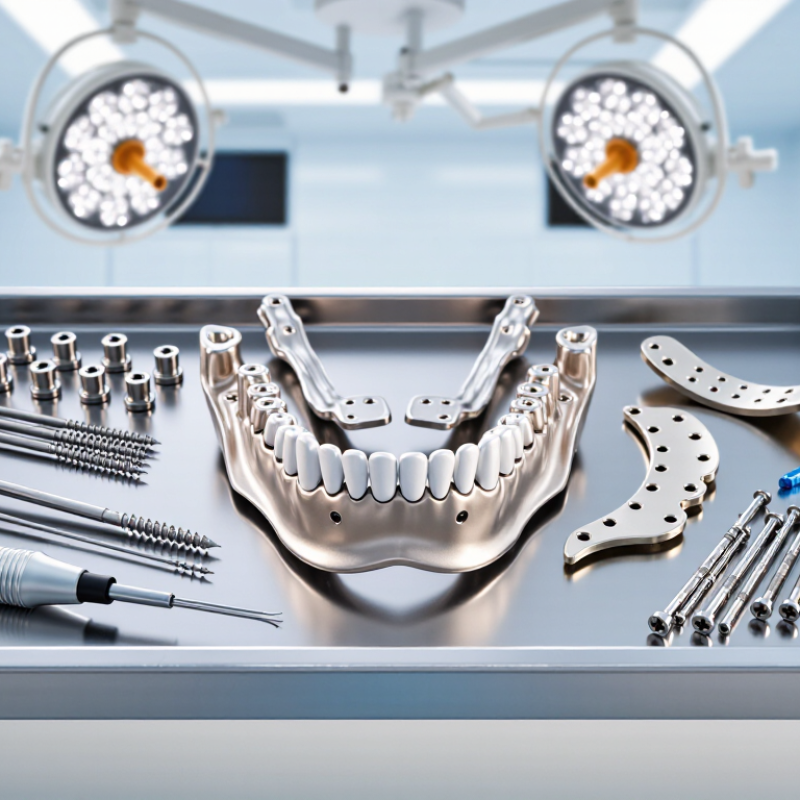
Maxillofacial plating systems are medical devices used to stabilize facial bones after trauma or reconstructive surgery. They usually include plates, screws, meshes, and specialized instruments. Surgeons place these components across fracture lines, such as the cheekbone, jaw, orbital rim, or midface. The hardware maintains alignment while bone healing progresses. Common materials include titanium and titanium alloys because they offer strength, corrosion resistance, and relatively low weight. Some systems use resorbable polymers, although their performance depends on anatomy, loading, and healing conditions.
A 2024 Grand View Research report projects steady growth in the global craniomaxillofacial devices market through 2030, with reconstruction and trauma care among important demand areas. Market growth does not prove that one system suits every patient. Facial anatomy varies sharply. So do bone density, wound condition, and surgical access. Clinical evidence also remains uneven for some emerging materials. That point deserves more attention. Mechanical strength alone cannot define a reliable plating system. Design, sterilization, screw stability, imaging compatibility, and surgeon training all matter. Regulatory documentation and peer-reviewed outcomes should guide purchasing decisions.
Tips: Match plate thickness to the bone and expected load. Check screw length carefully near nerves, teeth, and the orbit. Review fatigue testing and published clinical data, not only marketing claims. Keep an alternative fixation plan available. Small errors can become visible facial problems.
Top Maxillofacial Plating Systems Manufacturers?
Key Components and Design Features
Reliable maxillofacial plating systems combine plates, screws, meshes, instruments, and precise drilling tools. Plates should support facial anatomy without creating unnecessary bulk. Low-profile edges can reduce soft-tissue irritation near the orbit, mandible, and nasal area. Screw options usually include different diameters, lengths, and thread patterns. Locking holes may improve stability when bone quality is limited. However, locking hardware is not automatically the best choice for every fracture.
Material selection affects strength, handling, and imaging performance. Medical-grade titanium remains widely used because it is strong, lightweight, and generally compatible with diagnostic imaging. Some systems allow surgeons to contour plates during procedures. This flexibility helps fit uneven surfaces, but repeated bending can weaken a plate. That detail is easy to overlook. Good designs therefore include clear bending zones and dependable instruments. Driver tips should engage screws firmly, while torque control helps prevent stripping or over-tightening. Color coding and readable markings can also reduce selection errors on a crowded surgical table.
Tips: Check screw compatibility before use. Review plate thickness, hole geometry, and available lengths. Ask whether instruments provide stable grip and tactile feedback. Examine packaging, traceability, testing data, and training support. A system may look efficient in a catalog, yet feel awkward during a simulated procedure. Practical evaluation matters.
| System Category | Key Components | Core Design Features | Common Materials | Typical Clinical Applications | Important Selection Criteria |
|---|---|---|---|---|---|
| Facial Fracture Fixation Systems |
|
|
|
Repair of orbital rim, zygomaticomaxillary complex, naso-orbito-ethmoid, and midface fractures. | Plate thickness, contourability, screw diameter, radiographic visibility, and compatibility with the surgical approach. |
| Mandibular Reconstruction Systems |
|
|
|
Segmental mandibular defects, tumor resection, severe trauma, and reconstruction with vascularized bone grafts. | Mechanical strength, fatigue resistance, plate adaptability, screw angulation, and restoration of mandibular contour. |
| Mandibular Trauma Plating Systems |
|
|
Titanium is commonly selected because it combines biocompatibility, adequate strength, and relatively low imaging artifact compared with some other metals. | Symphysis, parasymphysis, body, angle, and ramus fractures, subject to fracture pattern and surgeon preference. | Occlusal control, plate position relative to tooth roots and the inferior alveolar canal, screw length, and resistance to cyclic loading. |
| Orthognathic Surgery Systems |
|
|
Commonly titanium or titanium alloy; resorbable polymer options may be available for selected indications. | Le Fort I osteotomy, bilateral sagittal split osteotomy, genioplasty, and selected segmental osteotomies. | Stability during bone healing, ease of adaptation, access through limited exposure, and avoidance of tooth roots and neurovascular structures. |
| Orbital Reconstruction Systems |
|
|
Titanium mesh, titanium sheet, porous polyethylene, and other validated implant materials may be used depending on the design. | Orbital floor, medial-wall, and combined orbital fractures; reconstruction after orbital volume changes. | Restoration of orbital volume, implant stability, contour accuracy, visibility on CT, and protection of ocular structures. |
| Resorbable Fixation Systems |
|
|
Biodegradable polymers such as PLLA, PLGA, or related copolymers, depending on the validated product design. | Selected pediatric and low-load craniofacial procedures, when temporary fixation is clinically appropriate. | Degradation profile, initial strength, tissue response, handling temperature, and suitability for the expected loading environment. |
| Patient-Specific Maxillofacial Systems |
|
|
Titanium alloy is frequently used for customized load-bearing implants; validated polymer or other material options may be used for guides. | Complex reconstruction, major asymmetry, oncologic defects, severe trauma, and cases requiring precise three-dimensional restoration. | CT-data quality, design accuracy, manufacturing tolerances, regulatory compliance, delivery time, and intraoperative backup planning. |
| Pediatric Craniofacial Systems |
|
|
Titanium, titanium alloy, and selected bioresorbable polymers. | Pediatric craniofacial trauma, congenital deformity correction, and selected reconstructive procedures. | Patient age, bone thickness, growth considerations, implant prominence, fixation strength, and potential need for secondary surgery. |
| Instrument and Screw Platform Features |
|
|
Surgical-grade stainless steel, titanium, polymers, and sterilization-resistant engineering materials. | Supports fixation across trauma, orthognathic, reconstructive, orbital, and craniofacial procedures. | Instrument ergonomics, cleaning compatibility, tray organization, torque control, dimensional accuracy, and compatibility across the complete system. |
| Quality and Compliance Characteristics |
|
|
Materials should conform to applicable medical-device specifications, such as recognized titanium or implant-grade stainless-steel standards where relevant. | Applies to all maxillofacial plating and fixation system categories. | Regulatory authorization in the target market, ISO 13485 quality management, ISO 10993 biocompatibility assessment, validated sterilization, and post-market surveillance. |
Leading maxillofacial plating system manufacturers combine surgical insight with disciplined engineering. Their systems support fracture fixation, reconstruction, and delicate bone contouring. Experienced teams study operating-room pressure, limited visibility, and the need for predictable handling. A useful plate should sit closely against bone without unnecessary bending. Screw heads should engage smoothly, while instruments remain stable in gloved hands. Small details matter.
Reliable manufacturers maintain documented material controls, dimensional testing, sterilization guidance, and traceable production records. They often use titanium alloys selected for strength, biocompatibility, and imaging considerations. Product development should include surgeon feedback, anatomical models, and repeated mechanical testing.
Quality is not only a certificate. It is consistency from one tray to the next. Leading suppliers also provide clear sizing, drill guidance, and instrument compatibility. Their technical teams should answer practical questions without vague promises.
Selection still requires careful judgment. A broad catalog can look impressive but complicate inventory and training. Hospitals should review clinical evidence, complaint handling, delivery reliability, and local regulatory status. Fit matters more than advertising. In practice, planning assumptions may fail when a plate bends poorly around a thin orbital rim. Simulation and backup options deserve attention. No system is perfect. Manufacturers that openly discuss limitations are easier to trust. The strongest partnerships grow through responsive support, accurate documentation, and improvement after real surgical use.
Top Maxillofacial Plating Systems Manufacturers?
How Manufacturers Compare by Product and Technology
Manufacturers differ in more than catalog size. A practical comparison should examine plate geometry, screw options, fixation strength, and instrument design. Standard systems may offer straight, curved, and orbital plates for routine reconstruction. Advanced portfolios can include patient-specific implants, resorbable materials, and low-profile locking mechanisms. Titanium remains widely valued for strength, contouring flexibility, and clinical familiarity. Polymer-based solutions may reduce imaging artifacts, but handling and long-term performance require closer evaluation.
Technology also separates manufacturers. Some use digital planning, virtual surgical simulation, and additive manufacturing to create anatomy-matched components. Others focus on dependable conventional systems with broad size ranges. Both approaches have value. In my experience, a precise digital workflow can save operating time, yet it may increase planning demands and training needs. No platform is perfect. Catalog language can sound stronger than real-world evidence. Independent testing, published clinical data, traceability, and responsive technical support deserve equal attention.
Tips: Compare systems using the same criteria. Review fatigue testing, sterilization compatibility, screw angulation, and intraoperative usability. Ask whether instruments feel balanced in gloved hands. Check how quickly replacement parts arrive. Evaluate training materials, not just product images. A manufacturer’s reliability appears during difficult cases, not only during demonstrations. Small gaps matter. Also, surgeons should assess local regulatory clearance and institutional protocols before adopting new technology.
Technology comparison of commonly used maxillofacial plating system categories
The chart compares established product categories rather than individual companies or brands. Scores use a 1–5 qualitative scale based on commonly reported material and design characteristics: 1 indicates a limited or less typical attribute, while 5 indicates a strong or highly typical attribute. Titanium systems generally provide high strength and radiographic visibility, resorbable systems offer biodegradability and reduced imaging artefacts, and patient-specific implants provide the highest level of anatomical customization.
Selection should begin with the patient, not the catalogue. The WHO Global Status Report on Road Safety 2023 reports about 1.19 million annual road deaths and 20–50 million nonfatal injuries. Many injuries require facial reconstruction. The system should match fracture location, bone thickness, occlusion, soft-tissue condition, and expected loading.
Material safety is non-negotiable. Verify documented biocompatibility testing under ISO 10993 and quality controls aligned with ISO 13485. Titanium systems should demonstrate corrosion resistance, dimensional consistency, and reliable screw engagement. FDA guidance for orthopedic metallic implants also supports evaluating mechanical performance, manufacturing controls, and material characterization. Check fatigue data, plate deformation, screw pull-out resistance, and sterilization validation. Small details matter.
Clinical handling deserves equal weight. A low-profile plate may reduce palpability, but it can be difficult to contour without weakening. Locking screws can improve fixation, yet poor trajectory control may compromise purchase. The GBD 2019 study estimated 178 million new fractures worldwide, highlighting the need for scalable and dependable fixation solutions. Still, laboratory strength cannot predict every patient outcome. I would avoid treating one test result as proof of clinical superiority. Review radiographic follow-up, revision data, traceability, surgeon training, and instrument ergonomics. A useful system should feel controlled in a wet operating field, not merely impressive in a brochure.
It should support fracture fixation, reconstruction, and careful bone contouring. Plate selection must match anatomy and expected loading.
Titanium alloys are often considered for strength, biocompatibility, corrosion resistance, and imaging compatibility. Material evidence still matters.
Review documented material controls, dimensional testing, sterilization validation, and traceable production records. Consistency matters more than impressive paperwork.
Consider fracture location, bone thickness, occlusion, soft-tissue condition, and expected mechanical loading. Patient anatomy comes before catalogue size.
They may reduce palpability beneath thin soft tissue. However, contouring can weaken them if handled poorly.
Not always. They can improve fixation, but poor trajectory control may reduce bone purchase.
Check instrument stability, screw engagement, plate contouring, and handling with gloved hands. Wet-field control deserves attention.
They are highly important. Clear drill guidance and compatible instruments can reduce confusion during a demanding procedure.
Not necessarily. Too many sizes can complicate inventory, training, and selection under pressure.
Laboratory strength cannot predict every patient outcome. No system is perfect. Review clinical follow-up, revisions, complaints, and delivery reliability.
Maxillofacial Plating Systems are specialized medical devices used to stabilize and support facial bones during fracture repair, reconstruction, and corrective procedures. They typically include plates, screws, meshes, and related instruments designed to provide secure fixation while accommodating complex facial anatomy. Important design features may include low-profile structures, adaptable shapes, multiple hole configurations, and material properties that support strength, biocompatibility, and imaging compatibility. Some systems also emphasize ease of contouring, simplified placement, and reduced soft-tissue irritation.
Leading manufacturers in this field are generally evaluated by the breadth of their product portfolios, engineering capabilities, manufacturing consistency, and commitment to clinical safety. Comparisons may focus on plate designs, screw options, fixation technology, instrumentation, customization, and procedural efficiency. When selecting a Maxillofacial Plating Systems solution, healthcare providers should consider anatomical requirements, material quality, sterilization compatibility, regulatory compliance, documented performance, surgical workflow, and supplier support. A well-designed system should balance stability, flexibility, precision, and patient comfort while meeting the practical needs of surgeons and healthcare facilities.
