Axiora Medical
Choosing implants for orthognathic surgery is more than comparing product names or plate shapes. These devices help stabilize repositioned jaw bones during healing, but the appropriate choice depends on the surgical plan, anatomy, and clinical judgment. Orthognathic Surgery Implants may include plates and screws used for facial bone fixation; the phrase does not describe one universal device. Small details matter. Material, design, placement, and expected bone movement can all influence a surgeon’s recommendation. A slimmer plate may sound appealing, for example, but appearance alone cannot determine whether it is suitable. Patients should not select hardware independently or assume that one option is best for everyone.
This guide introduces seven practical considerations for discussing implant choices with an oral and maxillofacial surgeon. It covers questions about materials, fixation, imaging, the surgeon’s experience, possible risks, recovery, and follow-up care. Each topic can help patients understand the reasoning behind a recommendation, rather than treating a device as a simple purchase. Ask how the proposed implants support the specific surgical plan, and what alternatives may be reasonable. Also ask what complications could occur and how they would be managed. A qualified clinician can explain which details apply to an individual case. Online information can prepare you for that conversation, but it cannot replace an examination or personalized medical advice. The decision may still feel uncertain. That is worth acknowledging, and revisiting with your care team before surgery.
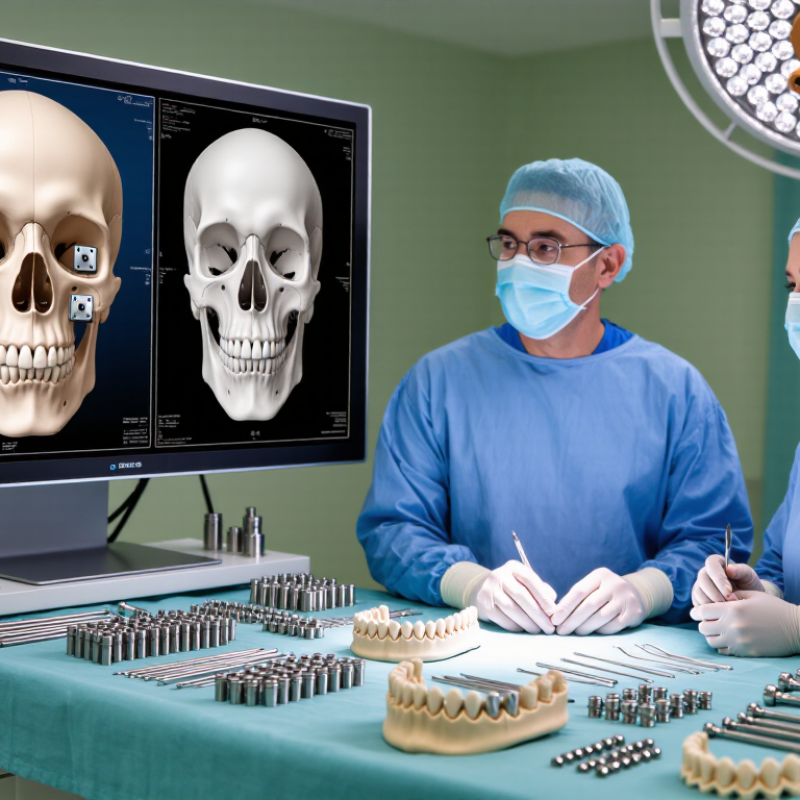
In orthognathic surgery, “implants” usually means the small plates and screws that hold repositioned jawbones in place while they heal. These are different from dental implants, which replace missing tooth roots. Fixation hardware helps maintain the surgeon’s planned jaw position; it does not move the jaw by itself or guarantee a particular bite or facial appearance. Titanium is commonly used, while some procedures may use resorbable materials. The choice depends on the operation, bone quality, healing considerations, and the surgeon’s judgment.
Evidence can guide the discussion, but it is not perfect. A Cochrane review examined six randomized trials involving 527 patients and found the evidence too uncertain to show that resorbable plates are better than titanium plates for orthognathic surgery. Ask what material is proposed, why it suits your specific procedure, and whether removal might be considered if hardware causes problems. Removal is not automatic. Recovery also depends on factors beyond the plates, including bone healing and following post-operative instructions. A small screw can matter. Yet the decision deserves a careful, case-by-case conversation with an oral and maxillofacial surgeon.
Choosing an implant starts with the movement planned, the bone available, and the surgeon’s fixation strategy. Titanium plates and screws provide rigid fixation and remain in the jaw; resorbable systems gradually break down. Neither option suits every case. A thin bone segment, for example, may need a different plate shape or screw length than a broad, stable segment. Ask how the proposed material supports the planned movement and whether later removal could be considered. Small details matter.
Material specifications offer a useful comparison point. ASTM F136-13, a standard for wrought titanium-6aluminum-4vanadium ELI alloy, sets aluminum content at 5.5–6.5% and vanadium at 3.5–4.5%. This alloy is one material option, not a requirement for every orthognathic case; some fixation systems use other titanium grades or resorbable polymers. Clinical reviews compare these systems, but study methods and patient groups vary, so results should not be treated as a personal forecast. Ask your surgeon about the specific plate-and-screw system, imaging findings, allergy history, and follow-up plan. Clear answers help. Perfect certainty is rare.
Identify the appropriate fixation type and material. Typical elastic modulus values below illustrate how material stiffness varies.
Titanium alloys and stainless steel are substantially stiffer than bone, while resorbable PLLA polymers are less stiff. Values are representative approximations: actual properties vary by alloy, polymer formulation, and processing. Material stiffness alone does not determine implant suitability; fixation design, clinical needs, and the surgeon’s judgment also matter.
Choosing implants for orthognathic surgery means looking beyond size or shape. Anatomical fit matters: the implant should follow the planned bone position without crowding tooth roots, nerves, or the sinus. Surgeons assess scans alongside the patient’s bite and facial structure. Small differences count. A plate that appears to fit on an image may need adjustment during surgery, so planning should allow for that possibility.
Tip: Ask how the implant’s contour and screw placement suit your anatomy. Function matters just as much. Fixation should support the repositioned jaw while it heals and preserve a stable bite. The team may consider bone quality, expected forces, and access for future monitoring. A technically neat plan is not automatically the best functional one; real healing can be less predictable than a scan suggests.
Biocompatibility is another key factor. Discuss the material, your medical history, and any known metal sensitivities with your surgeon. Most patients tolerate commonly used surgical materials, but individual concerns deserve review. Ask what signs would prompt follow-up, such as persistent swelling or new discomfort. Clear answers help set realistic expectations. Consider the whole plan, not just the implant itself.
When comparing implants for orthognathic surgery, look closely at how the surgeon plans the operation. A careful plan should connect your bite, facial balance, jaw movement, and imaging findings. Ask how scans and models will guide the planned bone movement and placement of fixation plates or screws. Details matter. A few millimeters can affect how the teeth meet.
Ask the surgeon to explain why a particular implant material and design suit your anatomy. Also ask what could change during surgery, how the team checks implant position, and whether removal might ever be considered. The answer should be specific, not a sales pitch. Digital simulations can help, but they are not guarantees. I would be cautious of any plan presented as perfectly predictable; real anatomy can differ from a screen.
Surgeon expertise matters as much as the hardware. Check relevant specialist training, experience with similar jaw procedures, and access to a coordinated team, such as orthodontic and anesthesia professionals. Ask how often the surgeon handles cases like yours, what follow-up visits involve, and whom to contact if healing concerns arise. Bring your questions in writing. You may still feel unsure afterward, and that is worth discussing before consenting. A second opinion can help when explanations feel rushed or unclear.
Orthognathic surgery usually uses small plates and screws to hold repositioned jaw bones while they heal. Ask what material is planned, whether it is expected to remain, and how the team handles infection or exposure. These devices can cause tenderness or irritation; numbness, delayed healing, and bite changes are also possible. A 2016 systematic review in the Journal of Oral and Maxillofacial Surgery reported hardware removal in 13.4% of cases reviewed. That figure is not an individual prediction: studies differed in follow-up and removal criteria. Small details matter. Your surgeon should explain how your anatomy and health affect risk.
Recovery often brings swelling, bruising, a soft-food diet, and careful oral hygiene. Follow your surgeon’s instructions on rinsing, brushing, activity, and follow-up visits; do not adjust the plan based on someone else’s recovery. Healing takes patience. Contact the care team promptly for fever, worsening pain, pus, or a sudden change in your bite. Over the long term, keep routine dental visits and report persistent irritation or a plate that feels exposed. Hardware does not always need removal, and taking it out also involves another procedure. One imperfect but useful question: what symptoms should make me call today, rather than wait?
It should follow the planned bone position without crowding tooth roots, nerves, or the sinus. Small differences matter.
They review scans, your bite, and facial structure. A plate may still need adjustment during surgery.
It should support the repositioned jaw while healing and help preserve a stable bite. Healing can be unpredictable.
Ask what material is planned and discuss your medical history or known metal sensitivities. Individual concerns deserve review.
Ask your surgeon what to watch for, such as persistent swelling or new discomfort. Clear instructions help.
Ask how scans and models guide bone movement and plate or screw placement. A few millimeters can affect your bite.
No. They can help with planning, but real anatomy may differ from a screen. I would not assume perfect predictability.
Ask about specialist training, similar jaw procedures, and coordination with orthodontic and anesthesia professionals. Be specific.
Write down your questions and ask about follow-up and whom to contact during healing. A second opinion may help. I might still have questions.
Choosing Orthognathic Surgery Implants involves understanding how they support jaw correction and contribute to stable healing. The right choice depends on the purpose of the procedure, the required implant type, and the material’s strength and compatibility with the body. Each option should be considered in relation to the patient’s anatomy, since an appropriate fit can help support function and comfort after surgery.
Careful planning and an experienced surgeon are also essential. Patients should discuss how the implant will be positioned, what risks may apply to their individual case, and what recovery may involve. Follow-up appointments and long-term care help the surgical team monitor healing and address concerns. By weighing implant materials, anatomical fit, surgical expertise, and aftercare together, patients can make a more informed decision with guidance from their care team.
