Axiora Medical
Axiora Medical
Axiora Medical
Precision-engineered joint systems, surgical guides, and fixation devices certified for clinical applications globally.
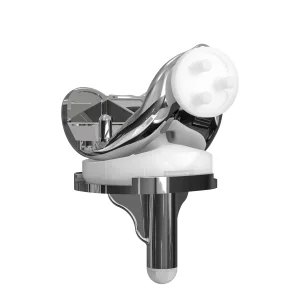
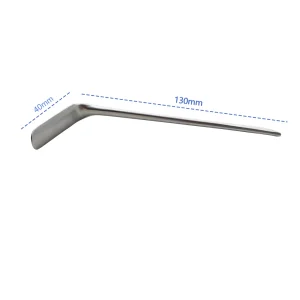
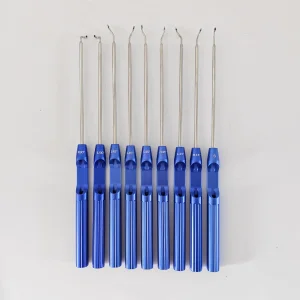
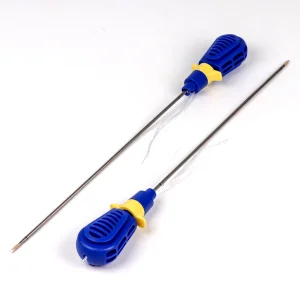
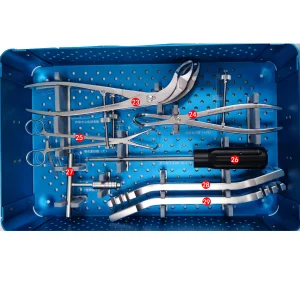
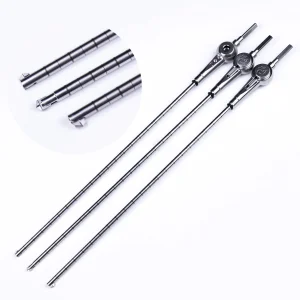
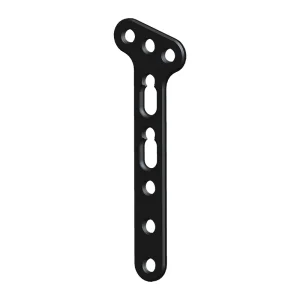
The clinical necessity for structural bone restoration has driven the global bone grafts and substitutes market beyond a valuation of USD 4.2 Billion. As surgical protocols shift toward minimally invasive interventions and accelerated post-operative recovery, the demand for biocompatible scaffolds has transitioned from traditional autologous harvests to highly standardized synthetic materials (such as Biphasic Calcium Phosphates, Hydroxyapatite, and bioactive glasses) and sterile processing allografts.
Clinicians and biomedical procurement agencies require highly pure structures that maintain predictable osteoconductive and osteoinductive properties. The modern surgical environment demands scaffold materials with interconnected porosity ranges between 100μm and 500μm, allowing rapid vascularization and cellular attachment. In response, manufacturing paradigms have aligned strictly with the European Union Medical Device Regulation (EU MDR 2017/745) to minimize risk profile levels.
Key regulatory frameworks mandate strict control over the biological safety of bone grafting materials, targeting risk factors like immunogenic reactions and heavy metal contamination. Advanced chemical validation processes, such as X-ray diffraction (XRD) and Fourier-transform infrared spectroscopy (FTIR), have become standard operating procedures for leading global factories to verify phase purity and crystalline consistency before sterilisation.
Under the revised EU MDR framework, bone grafts and implantable scaffolds are classified as Class III or high-risk Class IIb devices depending on their biological origin (e.g., xenografts, allografts, or synthetic polymers). This classification imposes rigorous conformity assessment procedures by designated Notified Bodies (e.g., TÜV SÜD, BSI, DEKRA).
Ensure your supplier provides a complete technical file comprising:
Axiora Medical Technology (China) Co., Ltd. is an established, specialized manufacturer focused on high-precision orthopedic implants, surgical systems, and cleanroom biomedical components.
| Operating Standard | Industrial Metric & Capability Detail |
|---|---|
| Company Name | Axiora Medical Technology (China) Co., Ltd. |
| Brand Registration | Axiora |
| Website | www.axioraortho.com |
| Export & Industry History | 8 Years of Dedicated Export Experience | 15 Years of Biomaterial Industry Experience |
| Quality Control Systems | 100% Finished Product Inspection & Rigorous Incoming Raw Material Verification |
| Physical Verification Lab | Coordinate Measuring Machine (CMM), Tensile Testing, Hardness Testing, Surface Roughness Profilometry, Salt Spray Corrosion Chambers |
| Quality Control Staff | 48 Certified Quality Control Specialists |
| Main Target Markets | Europe, North America, Middle East, Southeast Asia, South America |
| Supply Chain Ecosystem | 1,120 Globally Distributed Partners & Component Suppliers |
| OEM/ODM Capabilities | Logo laser engraving, Private Labeling, Custom Blister/Pouch Sterile Packaging, Inverse Material Design, Custom CNC Machining from Drawings |
| R&D Output | 126 New Product Releases in the Last Calendar Year |
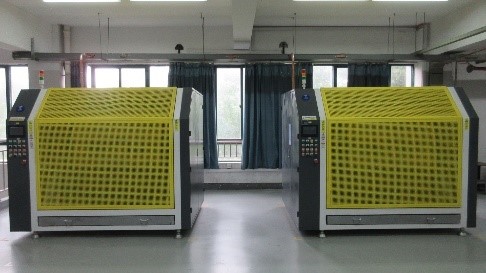
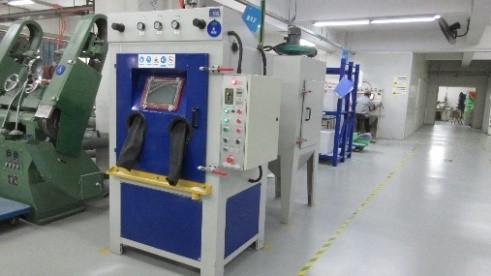
Take a look inside our ISO 13485:2016 production facility. We maintain strict control over every stage of processing, cleanroom packaging, and material testing.
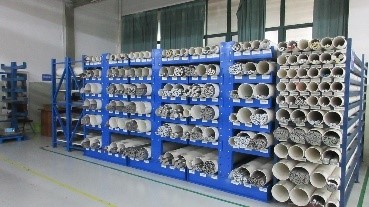
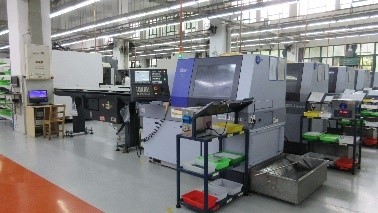
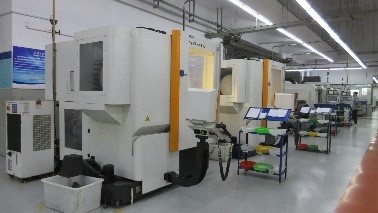
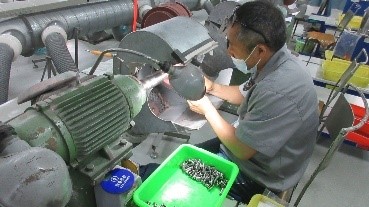
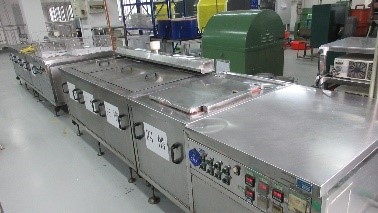
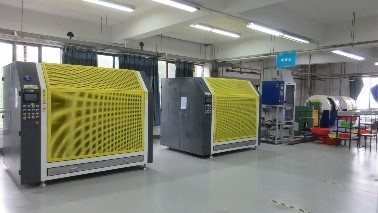
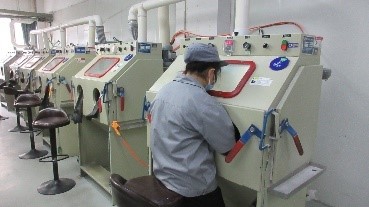
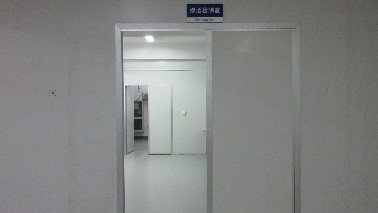
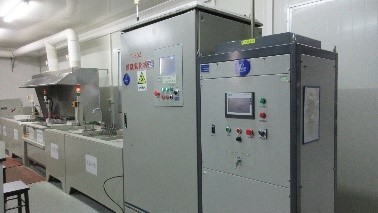
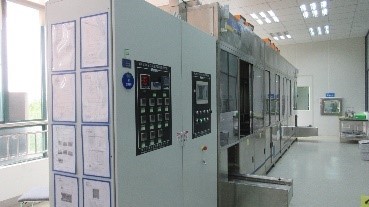
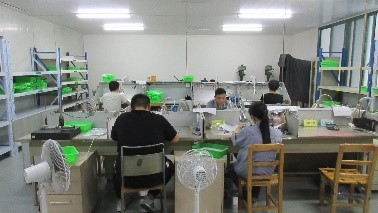
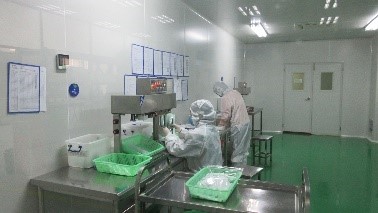
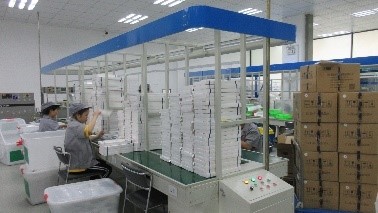
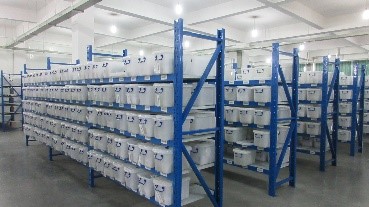
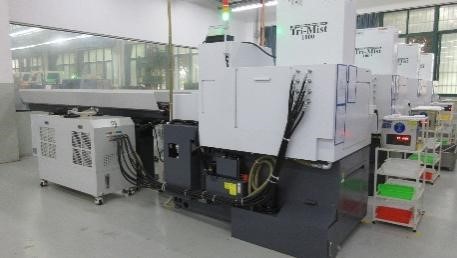
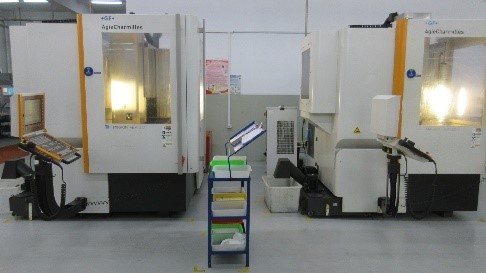
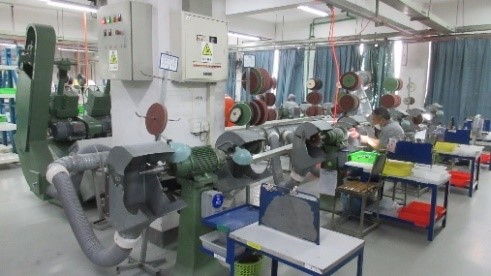
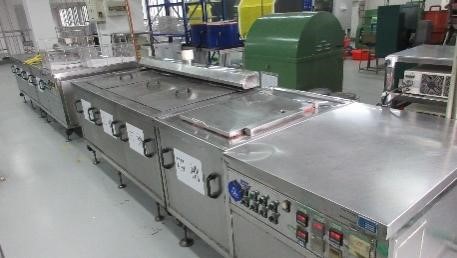
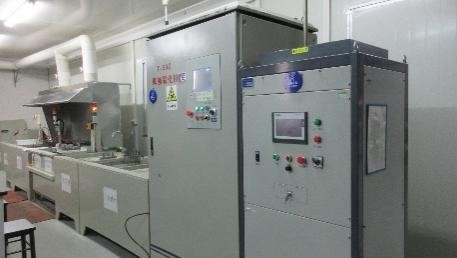
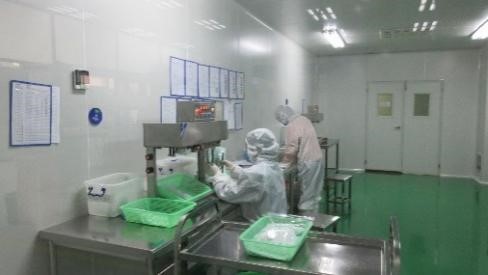
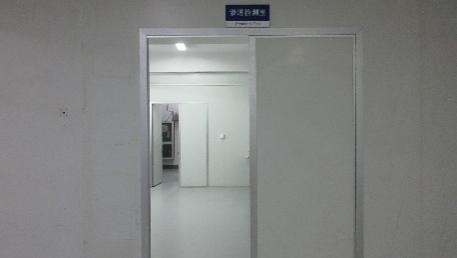
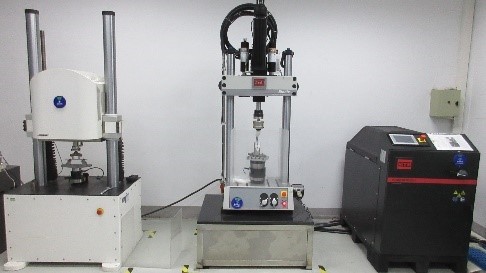
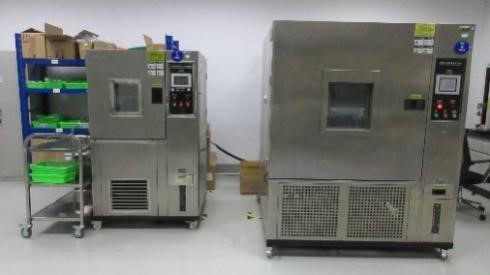
Chinese manufacturers have climbed the medical device value chain from basic consumable production to complex bio-functional implants. By combining vertically integrated supply chains with highly optimized manufacturing zones, facilities like Axiora achieve exceptional quality consistency alongside significant efficiency advantages.
Unlike fragmented manufacturers, Chinese medical factories utilize a single-hub manufacturing setup: raw medical-grade material processing, custom multi-axis CNC milling, biological surface modification (such as titanium plasma spraying or chemical deposition), Class 10,000 aseptic cleanroom packaging, and in-house aging/fatigue testing occur within one location. This integration reduces transfer-contamination risks and speeds up regulatory compliance audits for overseas buyers.
Our centralized manufacturing ecosystem directly translates to shorter production runs and optimized logistics, allowing global buyers to manage lead times effectively. Integrated manufacturing ensures consistent batch production and helps partners meet tight launch timelines under international medical frameworks.
Bone grafting materials do not function in isolation; they are implanted alongside advanced fixation systems to stabilize skeletal segments during tissue regeneration.
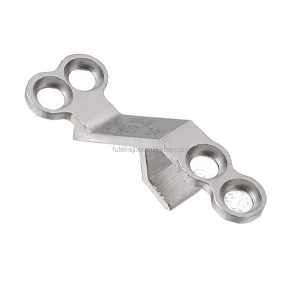
In surgical settings like spinal fusion (TLIF/PLIF cages) or trauma reconstruction, structural support is provided by biocompatible metallic plates or PEEK cages, while the bone graft fill acts as an osteoconductive matrix to guide new bone formation. Correct pore sizes and structural properties ensure the host tissue integrates seamlessly, supporting vascular growth and bone remodeling.
Surgical success depends on compatibility between the physical implant and the bio-scaffold. If structural micro-movement occurs, a fibrous tissue barrier may form instead of bone fusion. Consequently, sourcing organizations must coordinate specifications between implant suppliers and biomaterial providers to ensure matching mechanical and physical profiles.
Expert guidance for biomaterial procurement managers, regulatory directors, and medical product distributors.
Bone grafts derived from animal sources (xenografts) or human tissue (allografts) contain non-viable biological cells and are classified as Class III. Synthetic grafts (HA/TCP) without biological components may be classified under Class IIb (or Class III if they contain nano-structured elements or incorporate active pharmaceutical ingredients).
Osteoconduction is tested via in-vitro cell proliferation assays and in-vivo animal implantation models (ISO 10993-6). Histological analysis confirms host bone tissue growth along the scaffold structure, while Micro-CT scans evaluate the pore structure and connectivity.
Gamma Irradiation (minimum 25 kGy dose) is standard for synthetic materials like calcium phosphates, as it provides deep penetration without causing chemical degradation. Ethylene Oxide (EO) is used for heat-sensitive polymers, requiring validated aeration cycles to keep residual oxide levels below limits.
The Calcium-to-Phosphorus ratio determines the in-vivo resorption rate. Pure Hydroxyapatite (HA, Ca/P ratio of 1.67) degrades slowly, whereas Beta-Tricalcium Phosphate (β-TCP, Ca/P ratio of 1.5) resorbs quickly. Combining these into Biphasic Calcium Phosphate (BCP) allows the resorption rate to match natural bone remodeling.
We conduct Limulus Amebocyte Lysate (LAL) testing on every batch to ensure endotoxin levels remain below 20 USP EU per device (and below 2.15 USP EU for devices contacting cerebrospinal fluid). Our purified water systems and cleanroom processes minimize bioburden before sterilization.
Yes. We support custom double-barrier sterile blister packaging and pre-labeled Tyvek pouches inside our Class 10,000 cleanroom. We also supply raw biomaterials in bulk non-sterile forms to clients operating their own sterilization facilities.
Our sterile bone grafts typically carry a 3-to-5 year shelf life. This is validated through real-time and accelerated aging chambers (ASTM F1980), followed by physical testing of packaging seal strength and sterile barrier integrity.
Every shipment includes complete material traceability reports, including raw material Mill Test Certificates, chemical analysis, grain size validation, and compliance statements for ISO 5832 (for metals) or ASTM standards (for synthetic polymers).
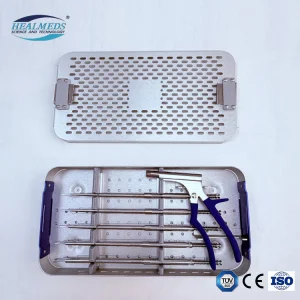
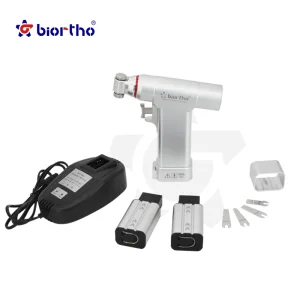
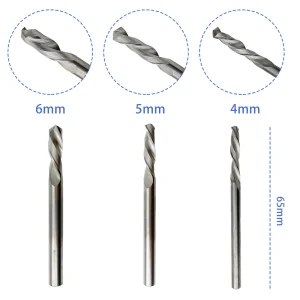
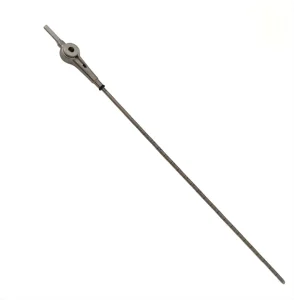
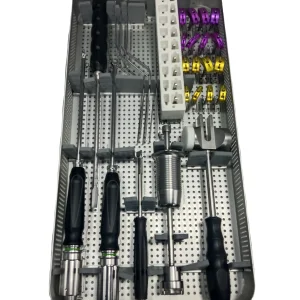
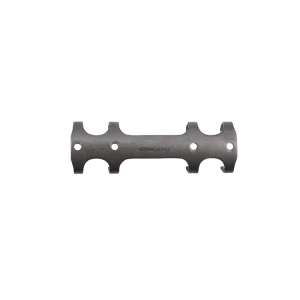
Precision surgical saws, spinal fixation instruments, and orthopedic components supporting surgical workflows.