Axiora Medical
Axiora Medical
Axiora Medical
Engineered to comply with stringent European CE and ISO 13485 regulations. Providing clinical precision for scoliosis, trauma, and joint surgeries.
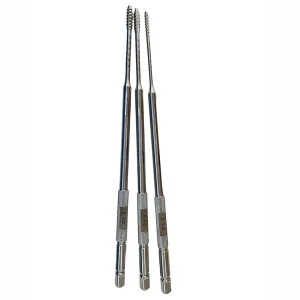
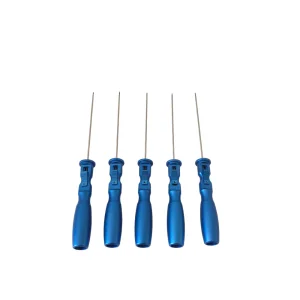
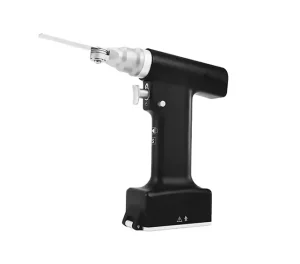
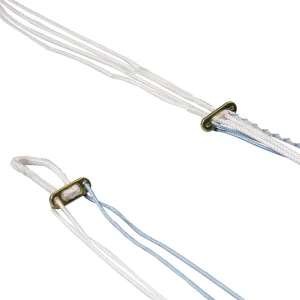
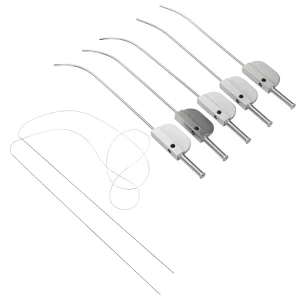
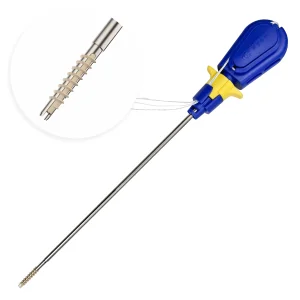
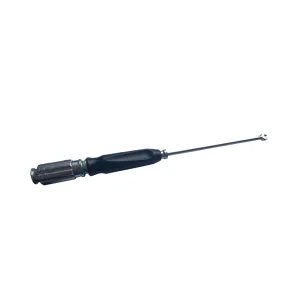
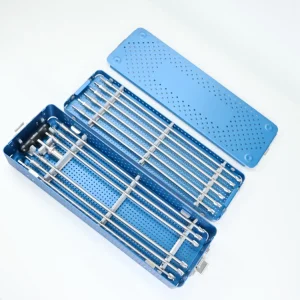
Established with a firm commitment to clinical precision and modern innovation, Axiora Medical Technology (China) Co., Ltd. stands as a premier manufacturer specializing in the research, design, production, and global distribution of high-quality orthopedic implants and surgical instruments. Our extensive product portfolio covers comprehensive spinal implants, trauma fixation systems, joint reconstruction solutions, sports medicine systems, and compatible advanced orthopedic surgical instruments.
By implementing state-of-the-art multi-axis CNC machining centers, automated smart manufacturing lines, and ultra-rigorous quality control platforms, Axiora ensures that every single medical implant conforms to international clinical guidelines. Our dedicated team of R&D engineers works in close collaboration with global neurosurgeons and clinical biomechanical labs, turning raw medical-grade materials into implants that support anatomical stability and biological integration.
Through strong OEM and ODM design pipelines, we execute rapid prototyping and scalable production of custom posterior pedicle screw systems, bone plates, and specialized surgical instruments matching specific drawing specifications or surgical philosophies.
Detailed enterprise metrics highlighting our manufacturing footprint, testing methods, and quality benchmarks.
| Specification Parameter | Operational Capacities & Corporate Standards |
|---|---|
| Company Name | Axiora Medical Technology (China) Co., Ltd. |
| Established Year / Global Reach | 2017 / 8 Years Export Experience |
| Core Business Models | Original Equipment Manufacturer (OEM) & Original Design Manufacturer (ODM) |
| R&D and New Product Rate | 86 specialized engineers; 126 new orthopedic designs released last year |
| Regulatory Standards | CE Mark Certification, ISO 13485 Quality Management System Compliance |
| Testing Instruments | Coordinate Measuring Machine (CMM), Hardness Testers, Surface Roughness Inspection, Salt Spray Chambers, Tensile Testing Machines |
| Quality Control Workflow | 100% Finished Product Inspection, incoming materials chemical-composition certification |
| Supply Chain Integration | 1,120 active supply partners globally ensuring continuous raw material and surface treatment access |
An Industry Whitepaper on Mechanical Stabilization, Material Optimization, and Regulatory Frameworks
Posterior pedicle screw systems represent the gold standard in contemporary spinal fixation, securing the three columns of the spine to facilitate rigid spinal fusion. The primary mechanical function of a pedicle screw is to resist axial pulling force, lateral bending stress, and torsional loading within the pedicle. The biomechanical performance of our Posterior Pedicle Screw System is determined by thread geometry, core diameter pitch optimization, and articulation tolerance.
Axiora design engineers utilize a dual-lead thread profile that transitions from a cortical thread at the proximal end to a cancellous thread at the distal tip. This dual-lead architecture optimizes the screw-to-bone interface contact area, distributing stresses evenly throughout the pedicle and vertebral body. This mechanical distribution significantly minimizes the risk of implant pull-out, a common challenge in patients with compromised bone mineral density (osteopenia and osteoporosis).
Every batch of Axiora pedicle screws undergoes extensive mechanical characterization under ASTM protocols. Static and dynamic fatigue testing simulates multi-axial spinal loading patterns, verifying that our polyaxial head-to-shaft articulation system resists fatigue failure over 5 million cycles at severe loading thresholds.
One of the primary surgical requirements is ease of rod placement, particularly in multi-level thoracolumbar fixations. Our polyaxial pedicle screws feature an open-style head design offering a wide-angle articulation range of up to 60 degrees. The internal locking mechanism is designed to prevent cross-threading using a buttress thread pattern on the set screw. Once tightened to the recommended insertion torque (typically 8.0 to 10.0 Nm), the friction-fit block locks the screw head firmly, eliminating micro-motion and screw slippage.
Axiora implants are manufactured from medical-grade Titanium Alloy (Ti-6Al-4V ELI) conforming to ASTM F136 specifications. This material is chosen for its superior strength-to-weight ratio, high corrosion resistance, and excellent biocompatibility. To facilitate osteointegration and reduce the time required for bony fusion, the implant surfaces undergo controlled anodization. Anodization forms a stable Titanium Oxide (TiO2) layer, minimizing heavy metal ion release and encouraging osteoblast adhesion along the implant interface.
Our 18,600 m² smart factory utilizes swiss CNC lathe machinery, ultrasonic washing lines, and aseptic packing environments to maintain implant cleanability.
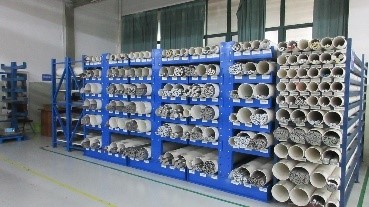
Raw Material
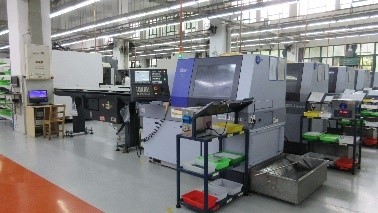
Longitudinal Cutting
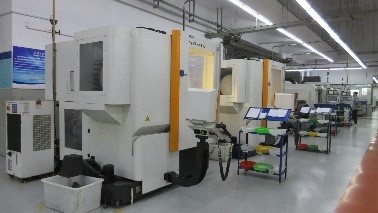
CNC Machining
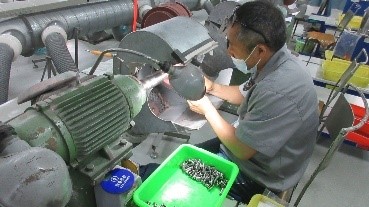
Polishing
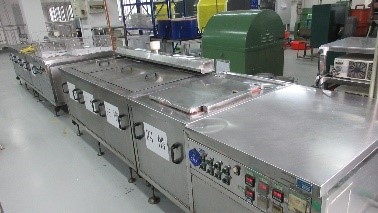
Ultrasonic Washing 1
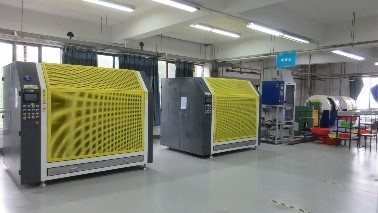
Grinding
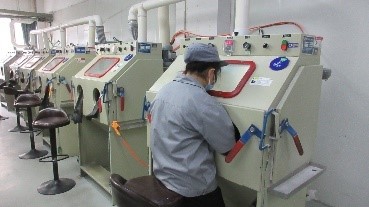
Sand-Blasting
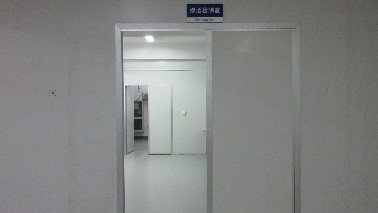
Penetrant Testing
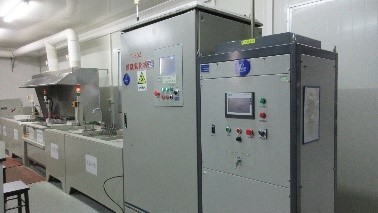
Anodizing
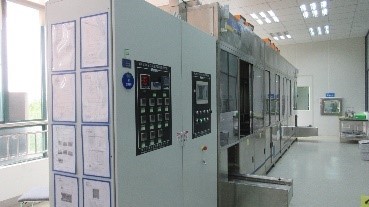
Ultrasonic Washing 2
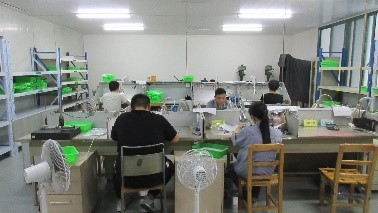
OQC
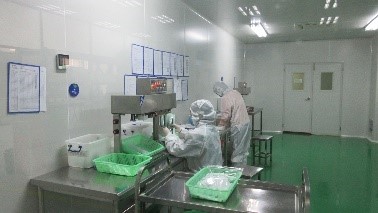
Aseptic Packing Room
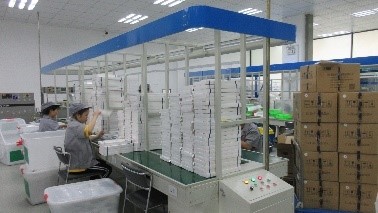
Packing Line
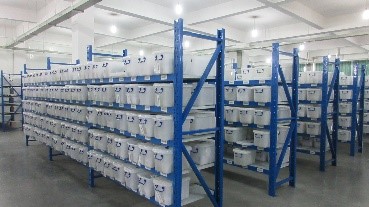
Storage
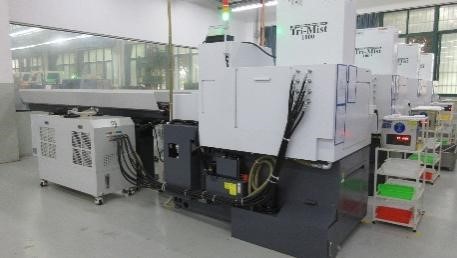
Longitudinal Lathe
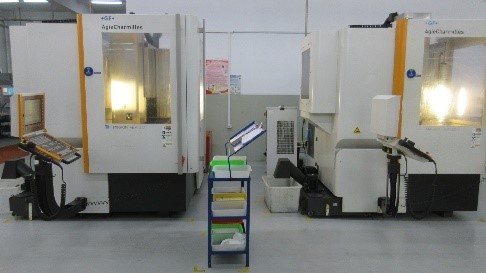
CNC Machine
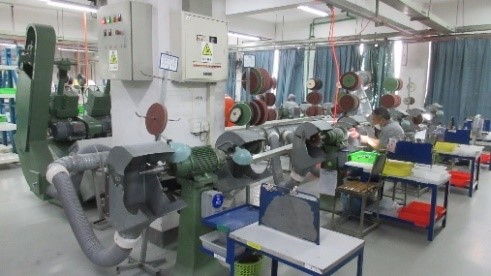
Polishing Machine
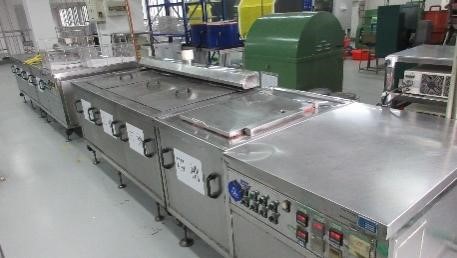
Ultrasonic Washer
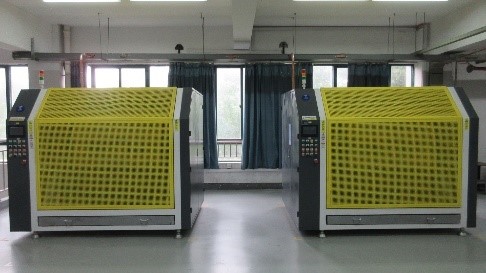
Grinding Machine
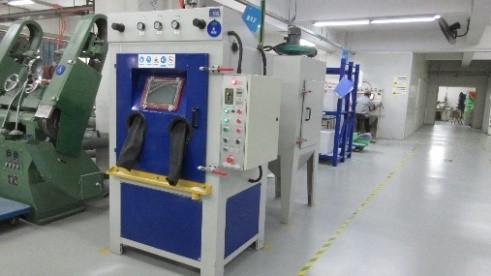
Sand-Blast Unit
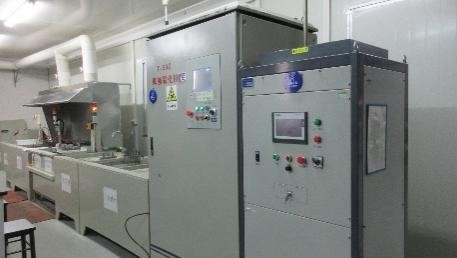
Anodizer
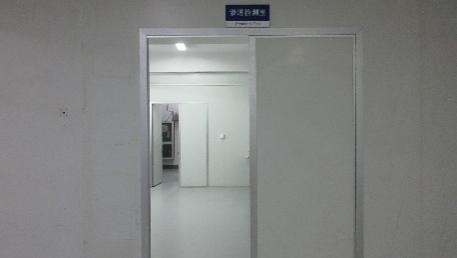
Penetrant Testing
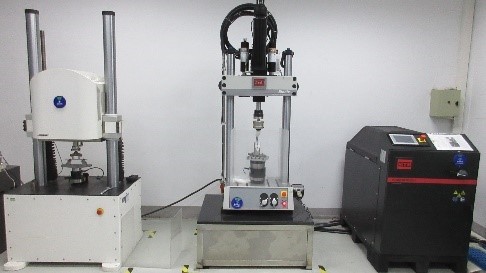
Endurance Tester
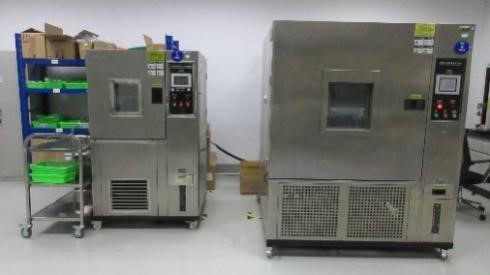
Aging Tester
Addressing the shifting landscape of regulatory barriers, orthopedic logistics, and Industry 4.0 cost efficiency
The transition from the Medical Device Directive (MDD) to the Medical Device Regulation (MDR) in Europe has changed the global registration criteria. Importers and clinical distributors must source from manufacturers who possess verified CE certificates backed by clinical evaluation reports (CER). Axiora maintains dynamic Post-Market Clinical Follow-up (PMCF) registries, providing procurement partners with ready-to-file technical files. This regulatory preparation significantly reduces approval delays in diverse global markets.
Global supply chain volatility has made supply security a major priority for hospital purchasing networks. Operating from our advanced manufacturing zone, Axiora utilizes Industry 4.0 production concepts, integrating smart inventory management, real-time tool wear sensors, and multi-axis automated CNC cells. This automation mitigates labor inflation and guarantees dimensional repeatability with sub-micron tolerances. Our factory maintain raw material reserves of medical-grade Titanium and PEEK, buffering partners against sudden supply disruptions.
We provide full design customization for regional anatomical requirements. By utilizing solid modeling software, rapid stereolithography prototyping, and dedicated tooling, we decrease the timeline from engineering design freeze to production of clinical-grade implants.
Spinal surgery is increasingly shifting toward minimally invasive approaches guided by real-time computer-assisted navigation and robotic guidance. This trend requires implants manufactured to strict geometric specifications. Axiora's current generation of posterior pedicle screws features navigation-compatible geometry, allowing optical markers and guide arrays to track screw trajectories precisely. These tight design tolerances reduce the risk of malpositioning, minimizing radiation exposure and improving patient outcomes.
Key information addressing technical specifications, customization options, and regulatory processes.
We use Ti-6Al-4V ELI (Extra Low Interstitial) conforming to ASTM F136. This alloy features lower levels of interstitial elements like carbon, hydrogen, and oxygen, providing higher fatigue resistance and mechanical toughness compared to standard medical titanium grades.
Every batch of polyaxial screws undergoes rigorous testing including axial pullout strength (ASTM F543) and dynamic subassembly fatigue testing (ASTM F1717). This ensures the articulation joint can withstand physiological stress cycles without loosening or failing post-implantation.
Axiora holds ISO 13485 certifications for medical device quality management systems and CE certificates for our core spinal and trauma lines. This support enables our distributors to secure national registrations and hospital tenders worldwide.
Yes. We specialize in comprehensive OEM/ODM partnerships, offering reverse engineering, custom dimensions, proprietary laser markings, and custom aseptic sterile packaging options. We support partners from design concept through regulatory approval.
Lead times range from 30 to 45 days for standard catalog items, and 60 to 75 days for customized OEM components. This timeline is supported by our raw material storage and automated CNC machining operations.
Extend clinical capabilities with premium instrumentation, trauma plates, and specialized veterinary orthopedic implants.