Axiora Medical
Axiora Medical
Axiora Medical
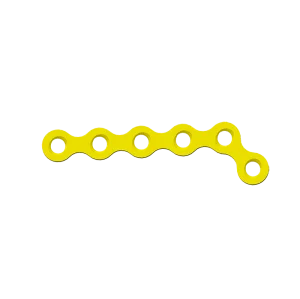
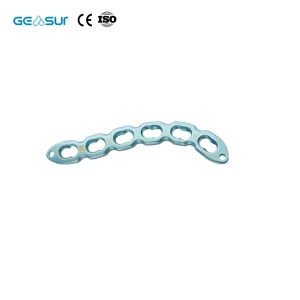
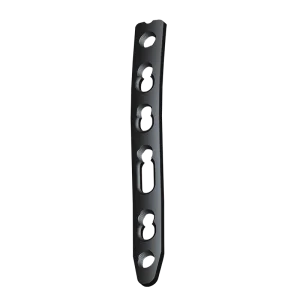
In modern traumatology, the treatment of appendicular skeleton fractures requires implants that balance structural rigidity with biological preservation. CE Certified Small Fragment Locking Plates represent the pinnacle of anatomical internal fixation. Designed primarily for small fragment bones—including the distal radius, clavicle, fibula, ulna, and humeral shaft—these systems address the biomechanical limitations of traditional dynamic compression plates (DCP).
By combining locking screw dynamics with conventional compression slots, these plates function as externalized internal fixators. The fixed-angle construct eliminates the need for plate-to-bone compression, thereby preserving the periosteal blood supply, minimizing the risk of avascular necrosis, and promoting accelerated primary bone healing. Operating at an international standard, Axiora Medical Technology combines state-of-the-art metallurgy with clinical engineering to manufacture locking systems that guarantee long-term implant reliability under variable load conditions.
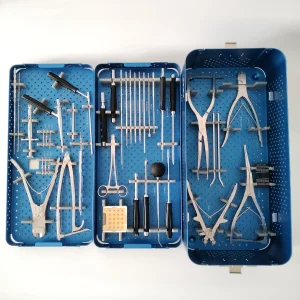
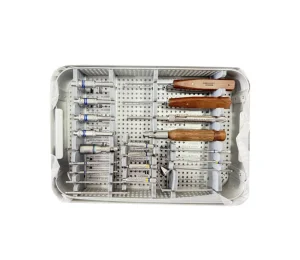
CE-marked clinical instruments and locking plate technologies engineered for precise anatomical reconstruction and surgical efficiency.
For medical device importers, tier-one distributors, and healthcare procurement committees, selecting an orthopedic implant partner goes beyond cost per unit. Today's procurement priorities center on regulatory risk management (especially compliance with the new European Medical Device Regulation - EU MDR), structural material purity, and uninterrupted high-volume manufacturing capabilities.
Axiora Medical Technology addresses these complex challenges through localized logistics integration, strict QA protocols, and structured raw material stockpiling. The global trauma market demands custom options, private labeling (OEM/ODM), and complete regulatory dossier packages (including ISO 13485 certifications, biocompatibility studies, and CE declarations). We provide commercial procurement entities with a secure path to market expansion, ensuring all small fragment systems perform consistently under strict surgical standards.
Fully compliant with CE Class III regulations, ensuring seamless regulatory integration for European and global healthcare systems.
Axiora Medical Technology (China) Co., Ltd. is a professional manufacturer specializing in the research, development, production, and global supply of high-quality orthopedic implants and surgical instruments. Our product portfolio covers trauma fixation systems, spinal implants, joint reconstruction solutions, sports medicine products, and related orthopedic surgical instruments.
Established with a commitment to innovation and precision manufacturing, Axiora integrates advanced CNC machining, automated production lines, and strict quality management systems to deliver reliable products that meet international standards. Our experienced engineering team continuously develops innovative solutions to support surgeons and healthcare providers worldwide.
With strong OEM and ODM capabilities, we provide customized manufacturing services according to customers' drawings, samples, and technical requirements. From product design and prototyping to mass production and packaging, our integrated manufacturing process ensures consistent quality, competitive pricing, and on-time delivery. Today, Axiora exports its orthopedic products to customers across Europe, North America, South America, the Middle East, Southeast Asia, and Africa, building long-term partnerships with medical device distributors, brand owners, hospitals, and healthcare organizations around the world.
| Operational Parameters | Technical Details & Capacity Specifications |
|---|---|
| Company Name | Axiora Medical Technology (China) Co., Ltd. |
| Established / Experience | Founded in 2017 with 8 Years of Dedicated Export and 15 Years of Total Industry Practice |
| Manufacturing Facilities | 18,600 m² Advanced Cleanroom & Manufacturing Facility |
| Quality Control Staff | 48 Active Quality Control Personnel supervising multi-stage checks |
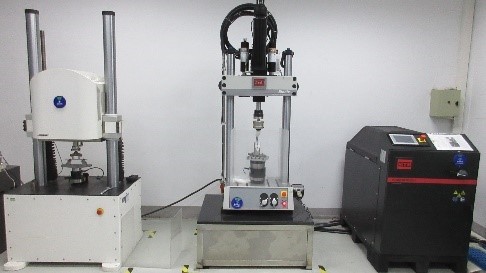
| Inspection Methodologies | Coordinate Measuring Machine (CMM), Tensile Strength Testing, Hardness Testing, Surface Roughness Inspection, Salt Spray Testing |
| R&D Force | 86 Research and Development Engineers launching over 126 new orthopedic designs annually |
| Customization Scope | Logo Etching, Private Labeling, Custom Blister/Aseptic Packaging, Reverse Engineering (ODM) |
| Global Distribution | Europe, North America, Middle East, Southeast Asia, South America, and Africa |
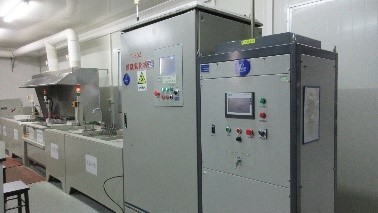
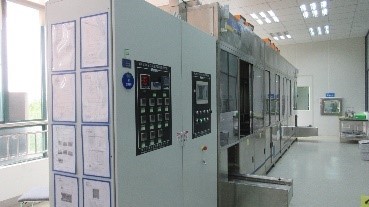
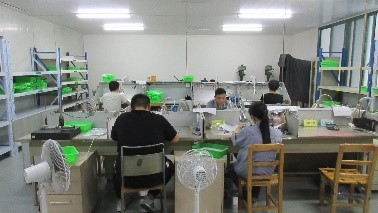
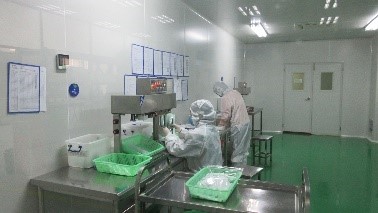
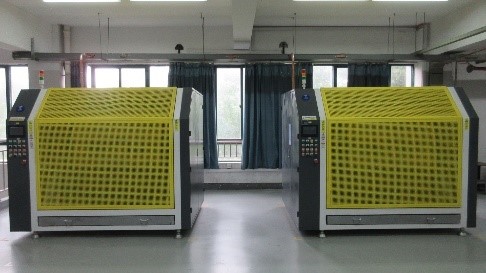
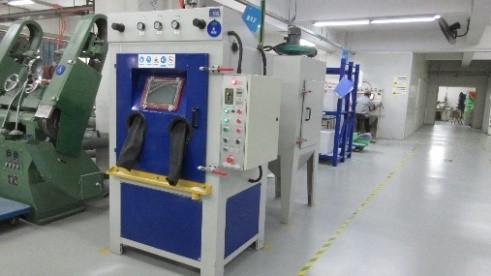
A deep dive into our end-to-end orthopedic production chain. Every small fragment plate undergoes precise mechanical and biological validation.
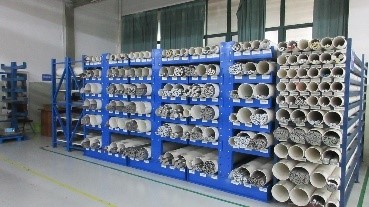
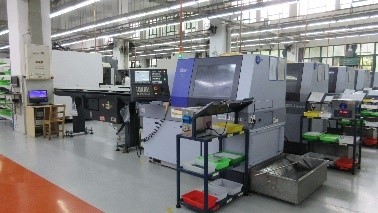
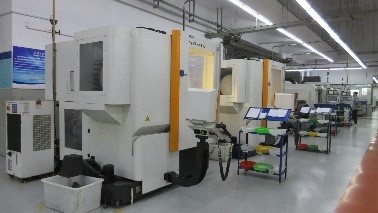
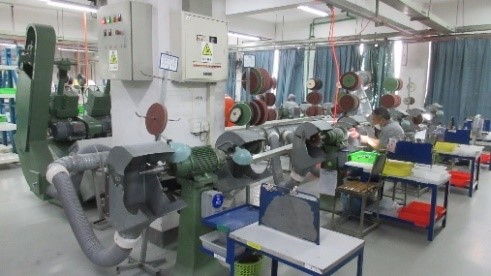
Our small fragment locking plates are fabricated exclusively from medical-grade titanium alloy Ti-6Al-4V ELI (Extra Low Interstitial) matching ASTM F136 or ISO 5832-3 standards. This alloy delivers an optimized strength-to-weight ratio, exceptional fatigue resistance, and superior biocompatibility compared to 316L stainless steel. The raw titanium bars are cut using high-efficiency longitudinal cutting lathes before entering multi-axis CNC milling machines, where the low-profile plate geometry, combi-holes, and undercut segments are machined in single-setup cycles to maintain micron-level tolerances.
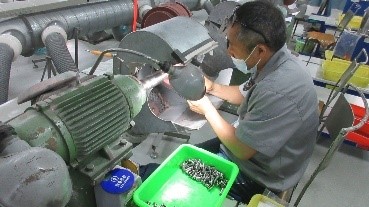
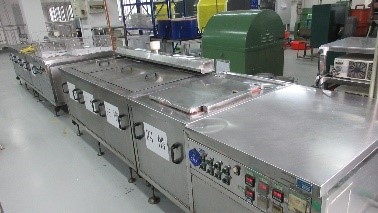
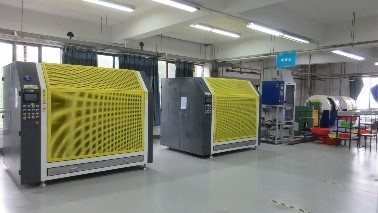
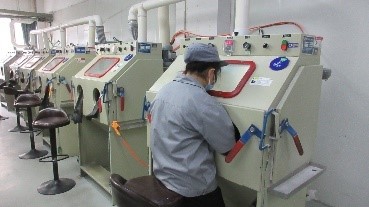
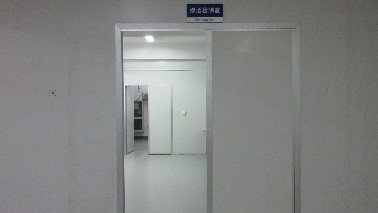
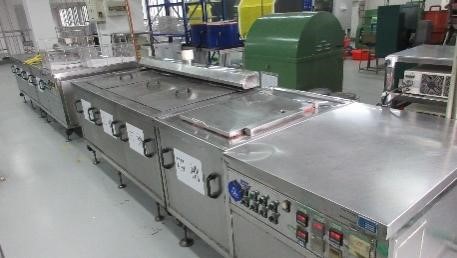
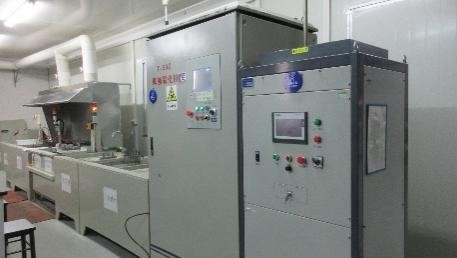
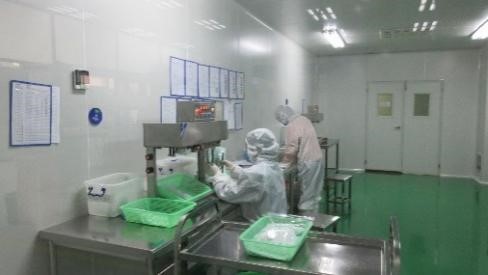
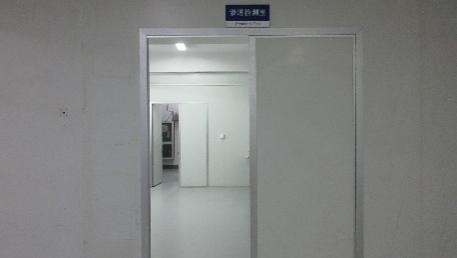
To reduce cellular adhesion, optimize tissue tolerance, and enable color-coded surgical identification, plates undergo precise chemical anodization (Type II or Type III). Post-machining polishing, combined with automated ultrasonic washing cycles, removes particulate contaminants. Non-destructive dye penetrant testing ensures the metallic matrix is free of micro-fissures or surface stresses. Finally, our packaging runs inside ISO Class 8 (Class 100,000) aseptic cleanrooms to eliminate pyrogens and foreign matter prior to final sterilization.
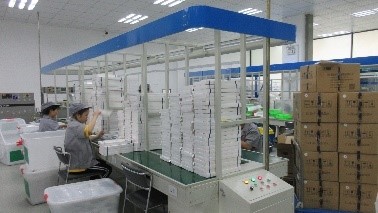
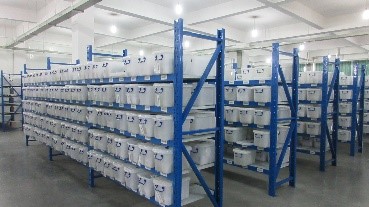
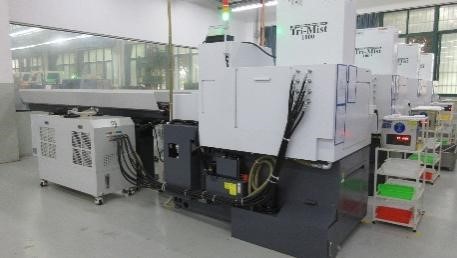
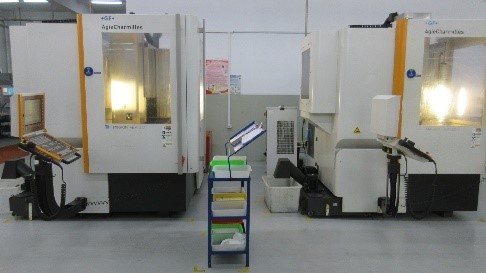
Evaluating the future trajectory of internal fixation systems, including advanced bioresorbable polymers and custom anatomical profiles.
The next decade of trauma reconstructive engineering is moving beyond static internal fixation. In collaboration with university clinical research centers, Axiora is developing the following advanced platforms:
Providing clear regulatory documentation to simplify customs clearances and hospital registration workflows worldwide.
Because small fragment implants are classified as Class III devices (EU MDR classification for implantable devices), regulatory scrutiny is exceptionally high. Axiora addresses these strict regulatory requirements with standard-compliant production dossiers:
Our quality assurance department ensures compliance with ISO 13485 (Medical Devices - Quality Management Systems), while our products carry the CE Mark for distribution within Europe. In addition, we maintain compliance with ASTM standards, providing full material traceability back to the original titanium ingot. This documentation simplifies registration and distribution workflows for importers in South America, North America, the Middle East, and Southeast Asia.
Answers to common technical, manufacturing, and regulatory questions from clinical engineers and healthcare distributors.
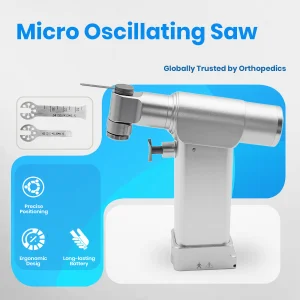
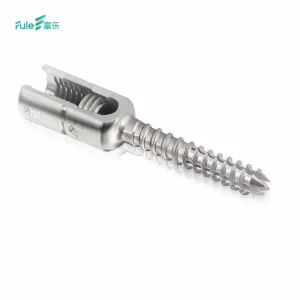
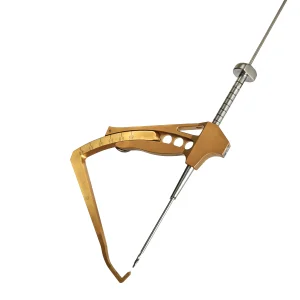
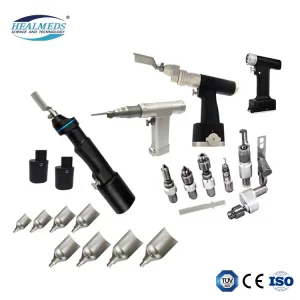
Explore our technical range of high-performance orthopedic surgical equipment, bone screws, and specialized instrument kits.