Axiora Medical
Axiora Medical
Axiora Medical
Advanced trauma fixation, arthroscopic reconstruction, and specialized clinical instrumentation designed for modern operating rooms.
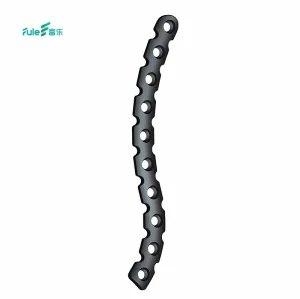
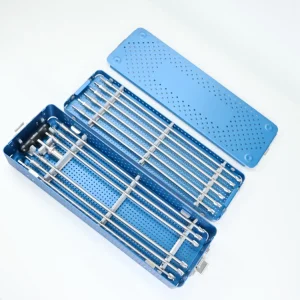
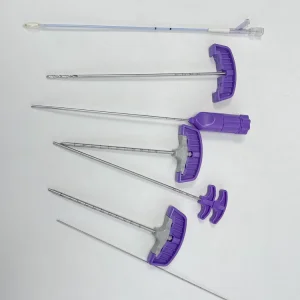
Analysis of biomechanical efficacy, metal alloys, and surgical development in modern sports medicine.
In modern orthopedic sports medicine, anterior cruciate ligament (ACL) and posterior cruciate ligament (PCL) reconstructions demand ultra-reliable graft fixation. Titanium interference screws have served as the clinical gold standard for decades. Unlike bioabsorbable polymer alternatives (such as PLLA or PLDLA), which can occasionally induce sterile localized inflammatory reactions or premature degradation leading to graft slippage, titanium alloys provide immediate rigid mechanical fixation.
The primary mechanical property of interest is the pull-out strength. Titanium interference screws engineered from Ti-6Al-4V ELI (Extra Low Interstitial) conform to ASTM F136 standards, offering a combination of high tensile strength, fatigue resistance, and biocompatibility. These parameters ensure the screw retains its position under cyclical loading during early postoperative mobilization.
"Clinical investigations confirm that the micro-roughness of titanium screw threads encourages early bone contact and direct osseointegration, significantly minimizing the risk of graft tunnel widening compared to first-generation bioabsorbable polymeric fixations."
The choice of medical-grade titanium alloy is crucial. Grade 5 titanium is commonly utilized, but the "ELI" designation indicates a formulation with reduced levels of oxygen, nitrogen, hydrogen, and iron. This refinement enhances fracture toughness and ductility. The material's modulus of elasticity is closer to that of cortical bone compared to stainless steel, which mitigates stress shielding and optimizes natural load transmission.
Understanding the critical supply chain factors, international standards, and QA protocols for OEMs/ODMs.
International buyers of orthopedic implants operate under strict regulatory supervision. In the European Union, the transition from MDD to Medical Device Regulation (MDR 2017/745) has elevated compliance requirements. Class IIb implants, which include permanent orthopedic fixations like titanium interference screws, require extensive clinical evaluation reports, post-market surveillance plans, and comprehensive traceability protocols.
Chinese manufacturers focusing on high-end orthopedic solutions have upgraded their cleanroom validation processes, packaging integrity tests, and biocompatibility documentation (conforming to ISO 10993) to align with these regulatory shifts. This enables distributors to secure rapid registration in European and Latin American markets.
Procuring directly from advanced Chinese factories offers several strategic benefits:
Axiora Medical Technology (China) Co., Ltd. — Leading the frontier of orthopedic implant engineering and global manufacturing.
Axiora Medical Technology (China) Co., Ltd. is a professional manufacturer specializing in the research, development, production, and global supply of high-quality orthopedic implants and surgical instruments. Our product portfolio covers trauma fixation systems, spinal implants, joint reconstruction solutions, sports medicine products, and related orthopedic surgical instruments.
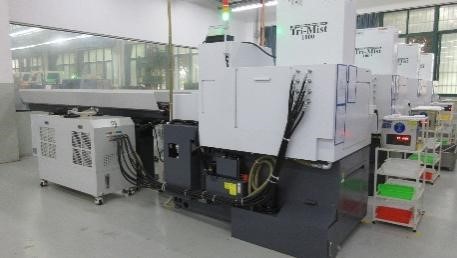
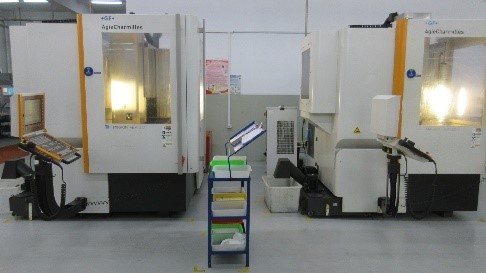
Established with a commitment to innovation and precision manufacturing, Axiora integrates advanced CNC machining, automated production lines, and strict quality management systems to deliver reliable products that meet international standards. Our experienced engineering team continuously develops innovative solutions to support surgeons and healthcare providers worldwide.
| Item / Metric | Details & Operational Integrity |
|---|---|
| Company Name | Axiora Medical Technology (China) Co., Ltd. |
| Brand | Axiora |
| Website | www.axioraortho.com |
| Export Experience | 8 Years of Seamless Global Logistical Execution |
| Industry Experience | 15 Years of Orthopedic Innovation and Clinical R&D |
| Quality Inspection | 100% Finished Product Inspection & Incoming Material Inspection |
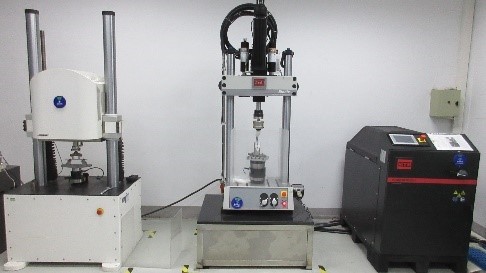
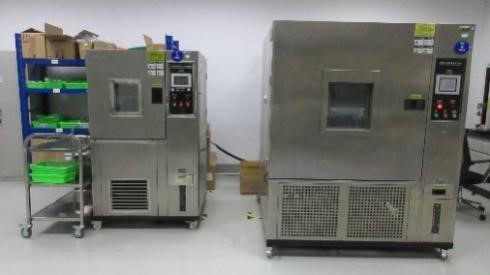
| Product Inspection Methods | Coordinate Measuring Machine (CMM), Tensile Testing, Hardness Testing, Surface Roughness Inspection, Salt Spray Testing |
| Quality Control Staff | 48 Dedicated Quality Assurance Technicians |
| Business Type | Manufacturer & Exporter (OEM/ODM Customization Available) |
| Main Markets | Europe, North America, Middle East, Southeast Asia, South America |
| Supply Chain Partners | 1,120 Globally Active B2B Healthcare Partners |
| Customization Options | Logo Printing, Private Label, Custom Packaging, Product Design, Material Selection, Drawing-Based Manufacturing |
| New Products Released Last Year | 126 Innovative Clinical Devices Launched |
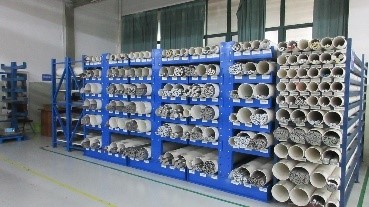
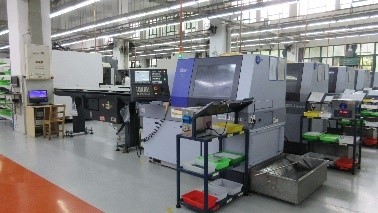
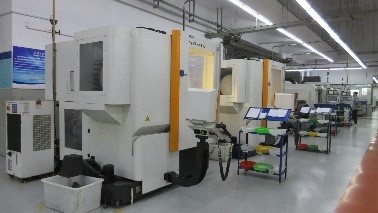
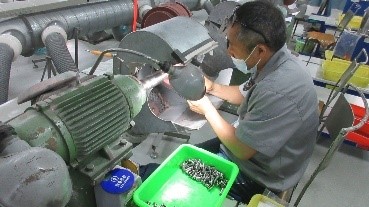
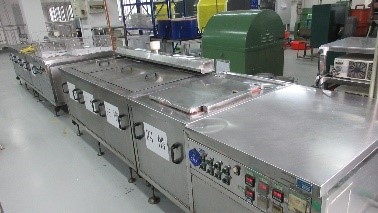
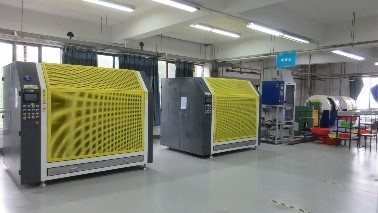
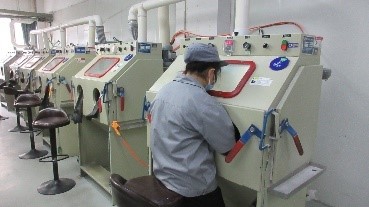
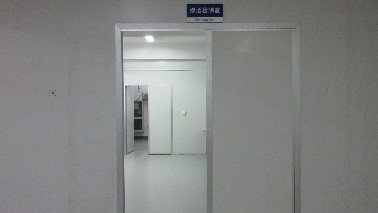
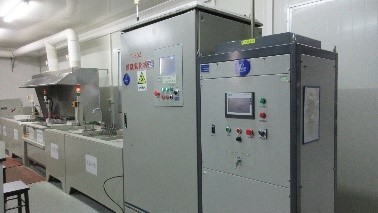
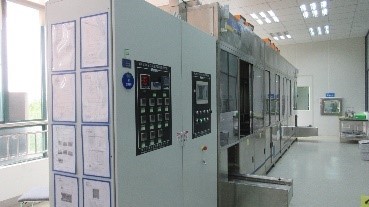
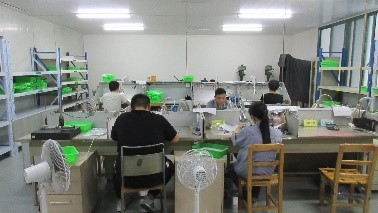
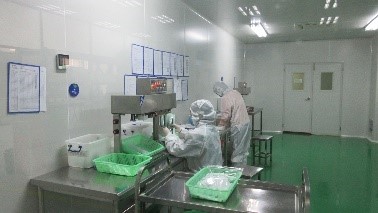
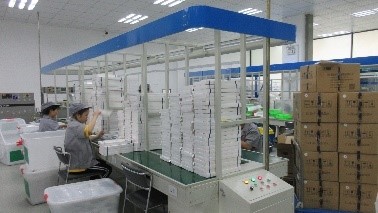
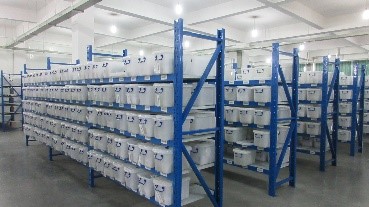
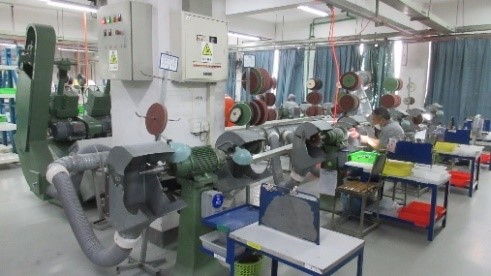
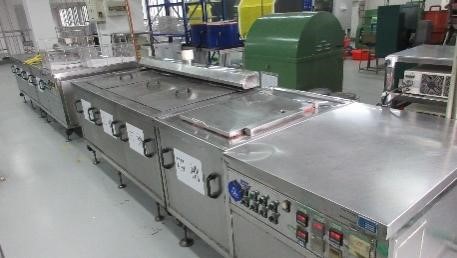
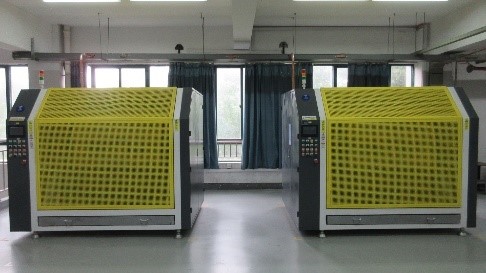
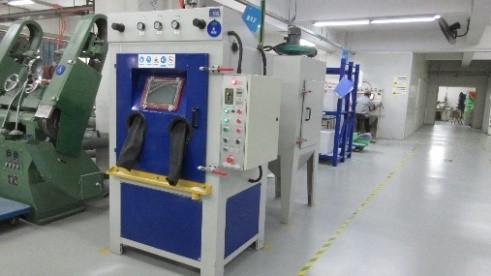
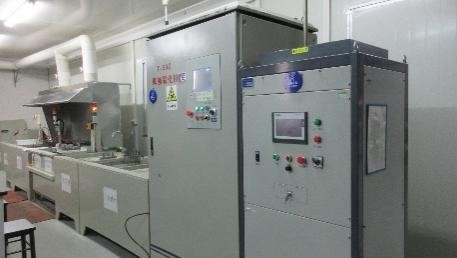
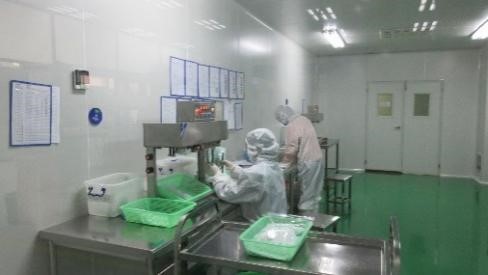
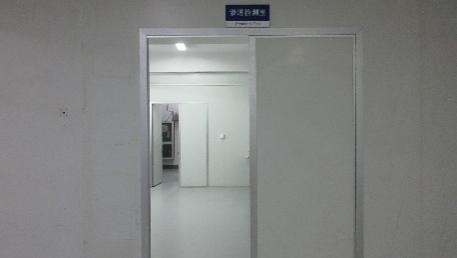
Step-by-step visual representation of our CNC engineering, quality inspection, and packaging workflows.
Looking ahead: Direct metal laser sintering, bioactive coatings, and next-generation thread geometeries.
While CNC machining remains highly efficient for solid-core screws, additive manufacturing using electron beam melting (EBM) or direct metal laser sintering (DMLS) is opening up new possibilities. These technologies allow for the fabrication of fully porous titanium trabecular structures. By mimicking the elastic modulus of cancellous bone, these structures facilitate cell migration and vascularization throughout the screw body, helping to address the risk of bone graft loss.
The future of titanium fixation lies in active bone induction. Modern research is focusing on nano-textured surface treatments, such as acid etching and anodization, to create TiO2 nanotubes. These nanotubes can be loaded with bone morphogenetic proteins (BMP-2) or hydroxyapatite coatings. This approach accelerates bone deposition directly onto the titanium threads, reducing the time required for complete osseointegration.
"The integration of surface-engineered titanium with osteoinductive coatings is showing potential in clinical models, offering faster integration for patients returning to high-impact activities."
Ensuring compliance, mitigating procurement risks, and securing international sterile logistics.
Surgical safety starts before the packaging process. Implants are packaged in ISO Class 7 (Class 10,000) cleanrooms, where environmental control systems monitor airborne particulates, microbial levels, and humidity. Suture anchors and interference screws undergo validated sterilization cycles, typically using Gamma irradiation or Ethylene Oxide (EtO), following ISO 11137 and ISO 11135 regulations. This ensures a Sterility Assurance Level (SAL) of 10-6.
To comply with regulatory standards such as European MDR and US FDA UDI (Unique Device Identification) systems, each implant is marked with a laser-etched matrix code. This allows for full tracking through production steps, raw material inspections, heat treatment cycles, anodization records, and distribution paths. In the event of a quality concern, distributors can identify affected lots, protecting both patients and provider liability.
Technical answers to common questions about titanium interference screws and procurement.
High-precision reconstructive arthroscopic implants, dynamic trauma plates, and specialized veterinary surgical kits.