Axiora Medical
Axiora Medical
Axiora Medical
Select premium reconstruction hardware and precision instrument systems manufactured to global clinical standards.
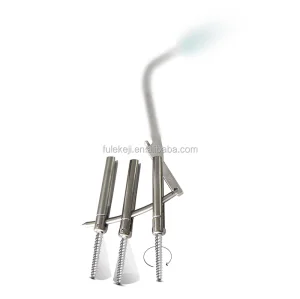
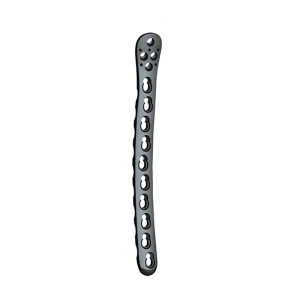
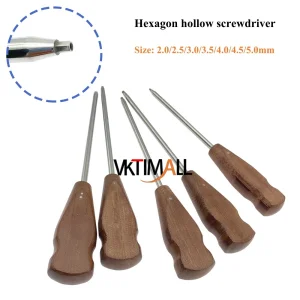
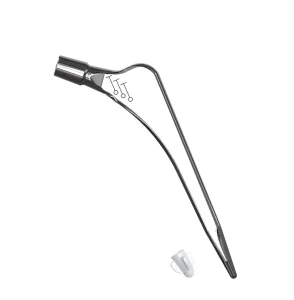
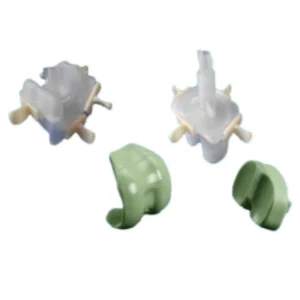
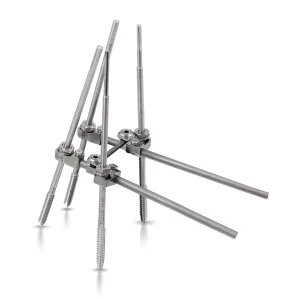
The technical architecture of anterior cruciate ligament (ACL) reconstruction and the mechanical vital role of graft fixation interfaces.
Anterior Cruciate Ligament (ACL) reconstruction requires absolute structural integrity to facilitate anatomical graft-to-bone healing. The selection of fixation hardware directly determines the success rate of the surgery during the critical 8-to-12-week postoperative vascularization and integration phase. Among various fixation methods, interference screws remain the clinical gold standard for securing soft-tissue and bone-tendon-bone (BTB) grafts in both femoral and tibial tunnels.
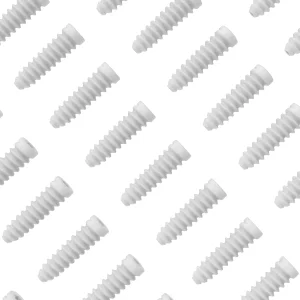
By providing direct compressive forces between the graft and the osseous wall, interference screws achieve robust primary stability, minimizing graft micro-motion and "windshield wiper" effects. As global clinical preferences transition towards reducing secondary hardware removal surgeries, the material science behind these implants has evolved rapidly. Today, medical device distributors face a critical choice between high-torque titanium alloy designs and biocompatible, osteoconductive bioabsorbable polymers, such as PLGA (poly-L-lactide-co-glycolide).
Axiora Medical Technology integrates state-of-the-art polymer formulation with micrometer-precision CNC Swiss machining to deliver interference screws that consistently meet these demanding biomechanical profiles. Our clinical-grade solutions guarantee safe degradation kinetics, preventing premature loss of structural support while avoiding chronic intra-articular inflammatory responses.
Why leading global orthopedics brands utilize Chinese manufacturing clusters for high-precision sports medicine implants.
Chinese factories benefit from direct access to premium medical-grade raw materials. From high-grade Titanium Alloy (Gr. 5 / Ti-6Al-4V ELI) to advanced synthesized PLGA polymers, the domestic supply chain maintains strict raw material tracing, guaranteeing consistent physical-chemical characteristics.
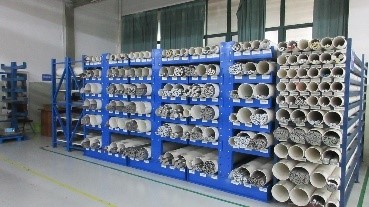
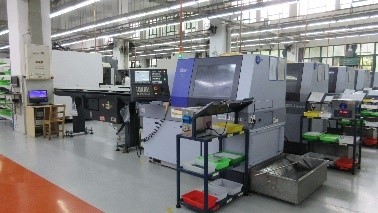
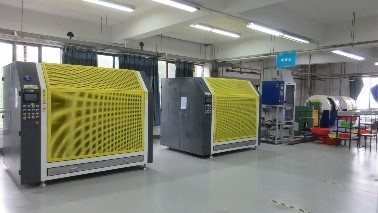
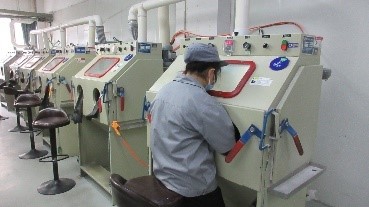
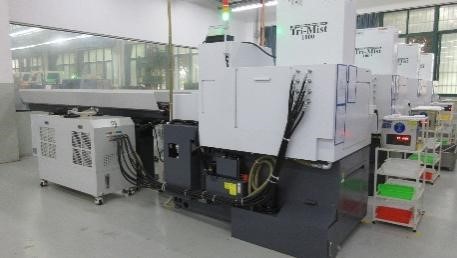
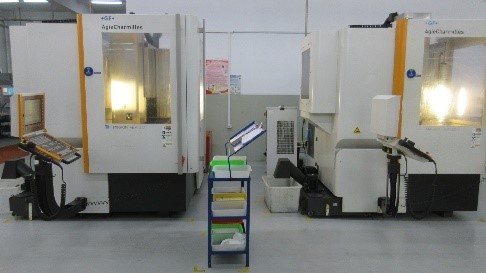
Our manufacturing complex utilizes multi-axis CNC Swiss-type lathes to execute high-tolerance thread structures. By executing thread pitches and hex-lobular drivers within a ±5-micron tolerance, we ensure maximum driver-screw mating to prevent screw breakage or stripping during insertion.
Major Chinese factories adhere strictly to EN ISO 13485:2016 quality management standards. Every batch of interference screws undergoes rigorous extraction testing, biocompatibility verification (ISO 10993 series), and validated ethylene oxide (EO) sterilization protocols.
Analyzing the shift from inert metals to bio-interactive and composite osteoconductive matrices.
The global sports medicine market is experiencing a profound transition away from permanently implantable metal hardware. While titanium interference screws deliver unmatched torque performance and primary pull-out force, they exhibit clinical disadvantages such as MRI artifacts, graft laceration risks during screw insertion, and the frequent need for subsequent removal due to late patient discomfort.
Consequently, the market share for Bioabsorbable Polymer Screws (PLGA/PLA) and Biocomposite Screws (incorporating Beta-Tricalcium Phosphate or Hydroxyapatite) is growing rapidly. The clinical target is to achieve a degradation rate that perfectly mirrors the native bone remodeling curve. Once the mechanical support is no longer needed, the screw is absorbed by the body, leaving a completely healed bone tunnel and simplifying any potential future revision surgeries.
Tailoring interference screw configurations for specific anatomical challenges and reconstruction strategies.
Due to the rotational and shear stresses experienced at the lateral femoral condyle, femoral tunnel fixation requires a low-profile, blunt-threaded design. The thread crests must be rounded to avoid graft laceration during insertion, while the drive socket must handle high torsional loads without axial slippage.
The tibial bone density is naturally lower than the femur. Therefore, tibial fixation relies on wider-diameter screws with deeper thread profiles. This structural modification maximizes bone compaction and mechanical purchase, protecting the graft from slipping during early active rehabilitation.
In revision scenarios, surgeons often encounter compromised bone tunnels or existing osteolytic cysts. Axiora provides customized larger-diameter interference screws (up to 12mm) and specialized biocomposite implants to fill voids and encourage osseous regeneration.
Meeting the strict standards of international healthcare systems and medical device distributors.
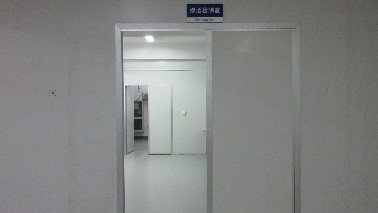
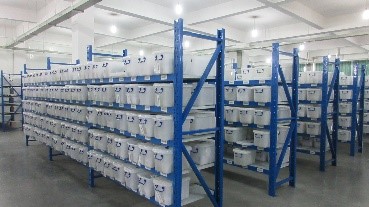
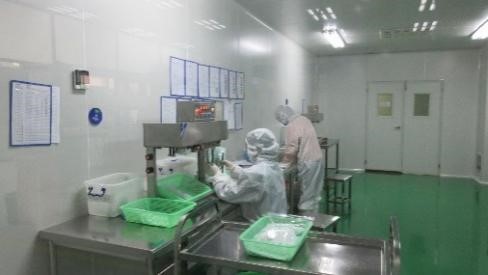
For international medical brand owners and procurement agencies, selecting an orthopedics supplier involves detailed regulatory and quality vetting. Axiora ensures complete transparency through a vertically integrated system that covers everything from raw titanium ingot inspection to final ISO Class 7 cleanroom packaging.
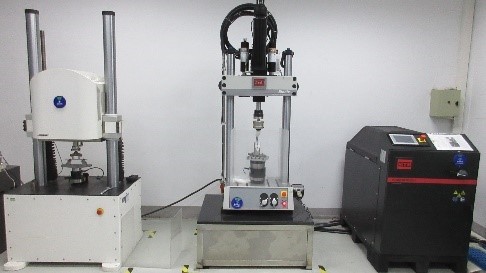
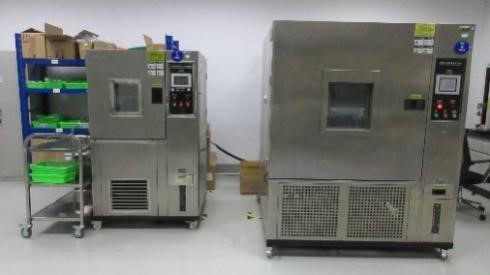
Our raw material testing protocols include mechanical tensile strength testing, chemical composition verification, and raw material purity analysis. Every single batch of PLGA and titanium screw designs is accompanied by raw material certificates, ensuring traceability and consistency.
Additionally, we provide customizable labeling, sterile blister packaging validation, and full technical documentation support to streamline registration processes with regulatory bodies such as the FDA, CE, and national ministries of health.
Axiora Medical Technology (China) Co., Ltd. - A Trusted Pioneer in Global Orthopedic Implant Solutions.
Axiora Medical Technology (China) Co., Ltd. is a professional manufacturer specializing in the research, development, production, and global supply of high-quality orthopedic implants and surgical instruments. Our product portfolio covers trauma fixation systems, spinal implants, joint reconstruction solutions, sports medicine products, and related orthopedic surgical instruments.
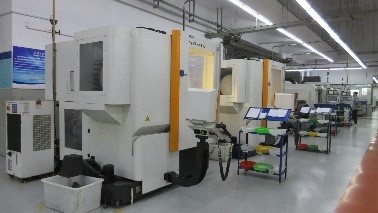
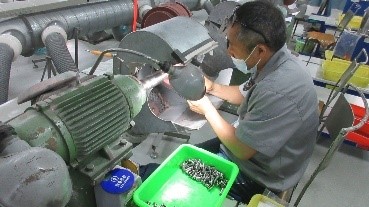
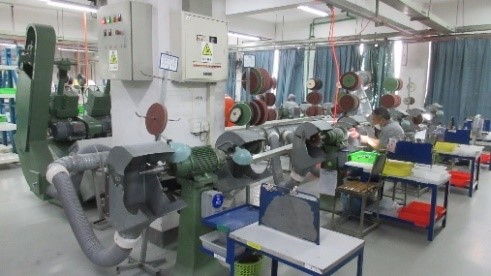
Established with a commitment to innovation and precision manufacturing, Axiora integrates advanced CNC machining, automated production lines, and strict quality management systems to deliver reliable products that meet international standards. Our experienced engineering team continuously develops innovative solutions to support surgeons and healthcare providers worldwide.
With strong OEM and ODM capabilities, we provide customized manufacturing services according to customers' drawings, samples, and technical requirements. From product design and prototyping to mass production and packaging, our integrated manufacturing process ensures consistent quality, competitive pricing, and on-time delivery.
Today, Axiora exports its orthopedic products to customers across Europe, North America, South America, the Middle East, Southeast Asia, and Africa, building long-term partnerships with medical device distributors, brand owners, hospitals, and healthcare organizations around the world.
| Item | Details |
|---|---|
| Company Name | Axiora Medical Technology (China) Co., Ltd. |
| Brand | Axiora |
| Website | www.axioraortho.com |
| Established | 2017 |
| Factory Area | 18,600 m² |
| Annual Export Revenue | USD 26 Million |
| Export Experience | 8 Years |
| Industry Experience | 15 Years |
| Quality Inspection | 100% Finished Product Inspection & Incoming Material Inspection |
| Product Inspection Methods | Coordinate Measuring Machine (CMM), Tensile Testing, Hardness Testing, Surface Roughness Inspection, Salt Spray Testing |
| Quality Control Staff | 48 |
| Business Type | Manufacturer & Exporter (OEM/ODM) |
| Main Markets | Europe, North America, Middle East, Southeast Asia, South America |
| Supply Chain Partners | 1,120 |
| Main Customer Types | Medical Device Brands, Importers, Distributors, Hospitals, Government Procurement Projects |
| R&D Capability | Independent Product Development, Reverse Engineering, OEM & ODM Solutions |
| Customization Options | Logo Printing, Private Label, Custom Packaging, Product Design, Material Selection, Drawing-Based Manufacturing |
| New Products Released Last Year | 126 |
| R&D Engineers | 86 |
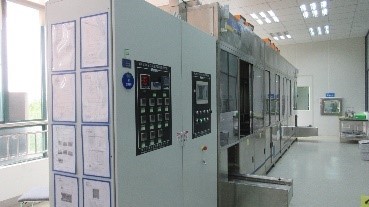
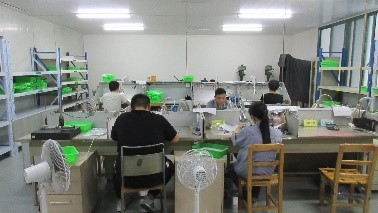
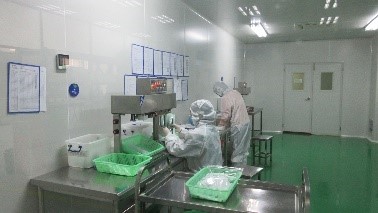
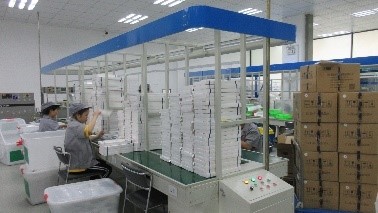
Essential insights for procurement managers, orthopedic surgeons, and clinical distributors.
PLGA (poly-L-lactide-co-glycolide) interference screws provide secure primary fixation while slowly degrading via hydrolysis. This gradual breakdown prevents stress shielding and eliminates the need for future hardware removal surgeries. Additionally, PLGA screws produce zero magnetic resonance imaging (MRI) artifacts, facilitating clearer postoperative healing evaluations.
Our screws feature optimized thread configurations and precise internal driving sockets (such as star or hex designs). This profile distributes insertion torque evenly, reducing stress concentration. Furthermore, we maintain tight tolerances within ±5 microns on our CNC Swiss machining lines, ensuring a perfect fit between the driver and the screw.
Axiora PLGA screws retain their structural strength for the critical first 8 to 12 weeks post-surgery, providing stable graft fixation. Hydrolytic degradation then proceeds gradually, with complete mass absorption occurring within 18 to 24 months. This timeline is designed to align with natural bone healing and remodeling processes.
Yes. With 86 experienced R&D engineers, Axiora offers comprehensive OEM/ODM services. We can customize screw diameters, thread pitches, driving styles, and raw material mixtures (such as adding Beta-TCP for osteoconduction) based on your technical drawings or specification sheets.
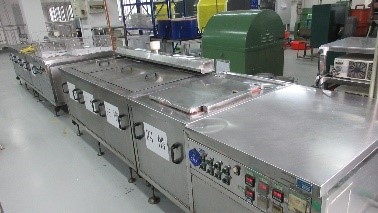
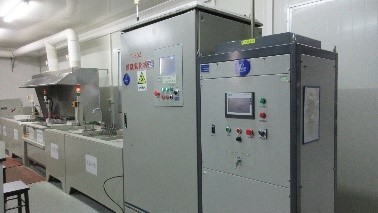
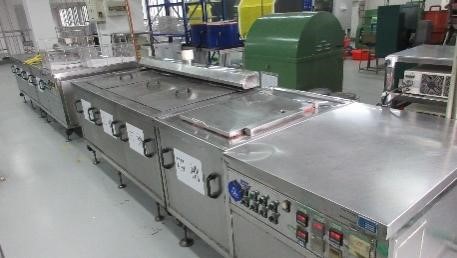
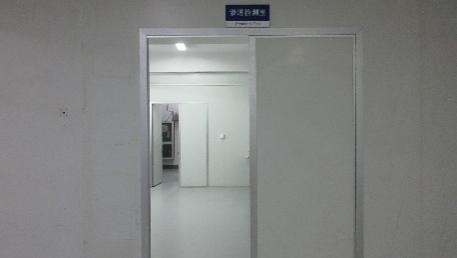
All implants are cleaned in multi-stage ultrasonic washing systems before packaging in a validated Class 7 aseptic cleanroom. We offer both Ethylene Oxide (EO) and Gamma Irradiation sterilization methods, backed by complete sterilization validation files in compliance with ISO 11135 and ISO 11137 standards.
Explore our trauma, joint repair, and spinal systems designed to complete your surgical procurement portfolio.