Axiora Medical
Axiora Medical
Axiora Medical
Explore our elite range of CE and ISO-certified surgical systems engineered for precision performance
Understanding the clinical and mechanical architecture of Proximal Femoral Nail Antirotation devices in geriatric trauma management
Unlike traditional double-screw designs, the PFNA helical blade compresses the cancellous bone during insertion. This compaction significantly improves mechanical retention, especially in osteoporotic patients, minimizing the risk of cut-out or secondary varus collapse.
The intramedullary load-sharing design reduces the bending moment on the lateral cortex. Our specialized titanium alloy construction delivers a modulus of elasticity that matches natural cortical bone, preventing stress shielding and accelerating bone union.
Engineered with a 6-degree mediolateral angle, our intramedullary nails allow for simple insertion through the tip of the greater trochanter. Multiple distal locking options prevent rotation and axial translation in complex segmental fractures.
Clinical Context: Proximal femoral fractures, particularly intertrochanteric fractures, represent a significant burden on global healthcare systems. Due to the high prevalence of osteoporosis in the aging demographic, fixation techniques must provide immediate mechanical stability to facilitate early weight-bearing. The evolution of the Proximal Femoral Nail Antirotation (PFNA) has revolutionized this treatment sector. By replacing the traditional lag screw with a specialized helical blade, the implant shifts from bone extraction to bone compaction.
Our R&D team works closely with clinical consultants across the globe to optimize the shape, blade pitch, and locking mechanism of our PFNA systems. By maintaining precise control over tolerances (within ±5 microns) during the CNC machining process, we guarantee that the instruments interface smoothly with the implants, reducing operating theatre times and optimizing overall surgical efficiency.
Axiora Medical Technology (China) Co., Ltd. — Global standard engineering, domestic supply-chain resilience
Axiora Medical Technology (China) Co., Ltd. is a professional manufacturer specializing in the research, development, production, and global supply of high-quality orthopedic implants and surgical instruments. Our product portfolio covers trauma fixation systems, spinal implants, joint reconstruction solutions, sports medicine products, and related orthopedic surgical instruments.
Established with a commitment to innovation and precision manufacturing, Axiora integrates advanced CNC machining, automated production lines, and strict quality management systems to deliver reliable products that meet international standards. Our experienced engineering team continuously develops innovative solutions to support surgeons and healthcare providers worldwide.
With strong OEM and ODM capabilities, we provide customized manufacturing services according to customers' drawings, samples, and technical requirements. From product design and prototyping to mass production and packaging, our integrated manufacturing process ensures consistent quality, competitive pricing, and on-time delivery.
Today, Axiora exports its orthopedic products to customers across Europe, North America, South America, the Middle East, Southeast Asia, and Africa, building long-term partnerships with medical device distributors, brand owners, hospitals, and healthcare organizations around the world.
| Operating Parameters | Details & Specifications |
|---|---|
| Company Name | Axiora Medical Technology (China) Co., Ltd. |
| Brand | Axiora |
| Website | www.axioraortho.com |
| Established | 2017 |
| Factory Area | 18,600 m² |
| Annual Export Revenue | USD 26 Million |
| Export Experience | 8 Years |
| Industry Experience | 15 Years |
| Quality Inspection | 100% Finished Product Inspection & Incoming Material Inspection |
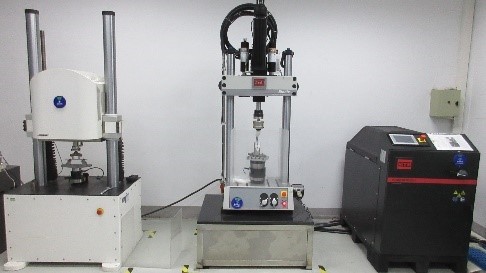
| Product Inspection Methods | Coordinate Measuring Machine (CMM), Tensile Testing, Hardness Testing, Surface Roughness Inspection, Salt Spray Testing |
| Quality Control Staff | 48 Experts |
| Business Type | Manufacturer & Exporter (OEM/ODM) |
| Main Markets | Europe, North America, Middle East, Southeast Asia, South America |
| Supply Chain Partners | 1,120 global partners |
| Main Customer Types | Medical Device Brands, Importers, Distributors, Hospitals, Government Procurement Projects |
| R&D Capability | Independent Product Development, Reverse Engineering, OEM & ODM Solutions |
| Customization Options | Logo Printing, Private Label, Custom Packaging, Product Design, Material Selection, Drawing-Based Manufacturing |
| New Products Released Last Year | 126 novel products |
| R&D Engineers | 86 specialized medical device engineers |
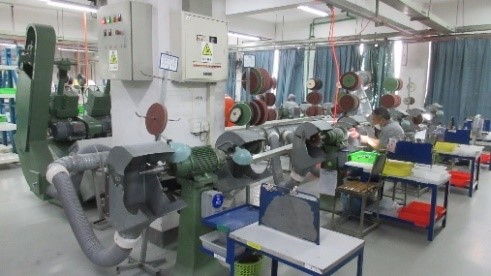
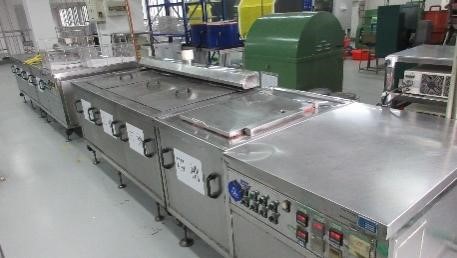
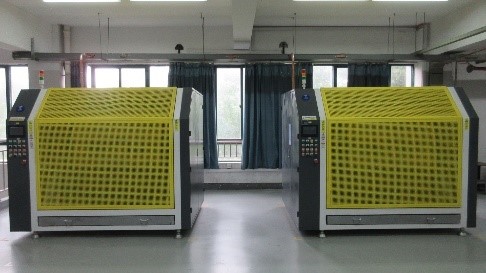
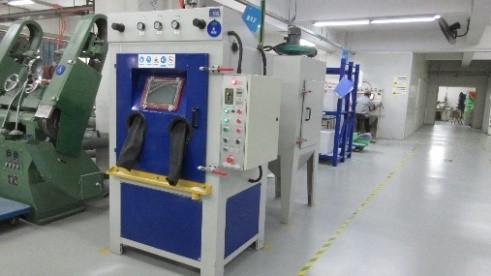
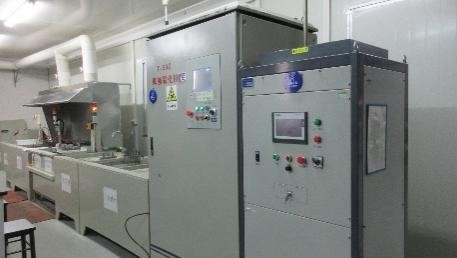
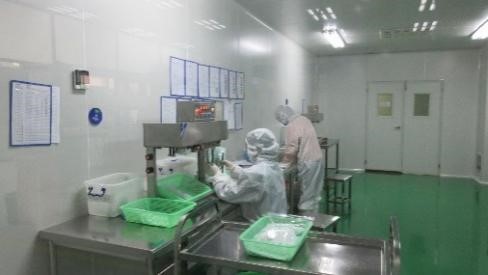
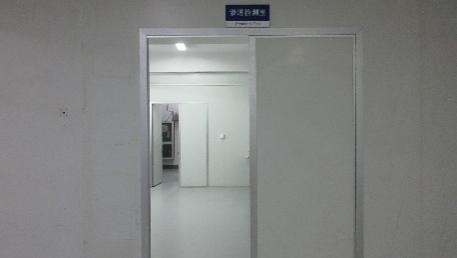
Visual map of our integrated medical production lines, from high-grade raw titanium to sterile packaging
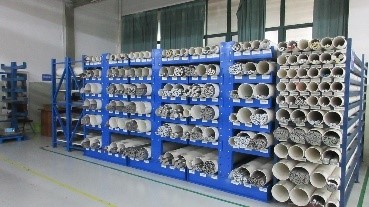
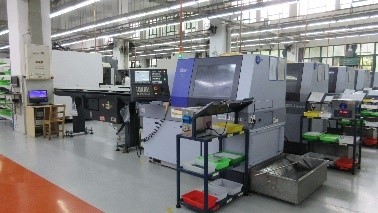
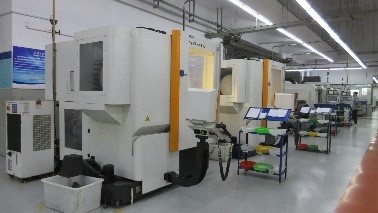
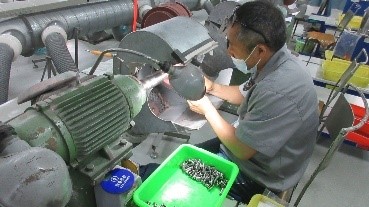
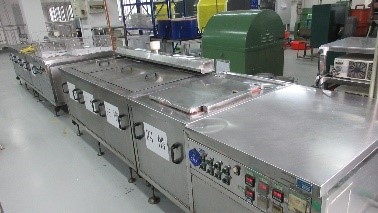
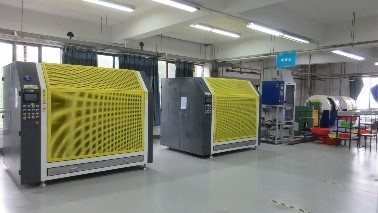
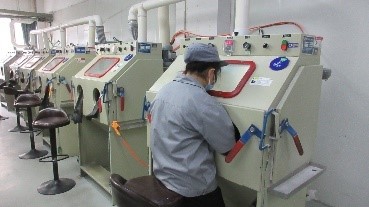
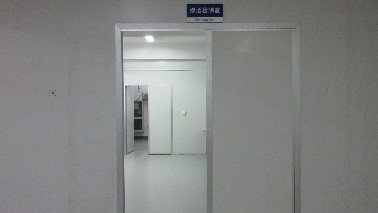
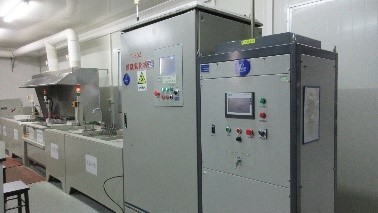
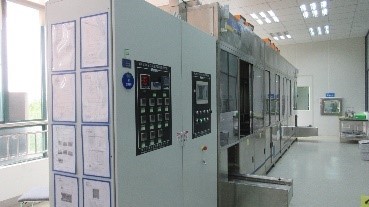
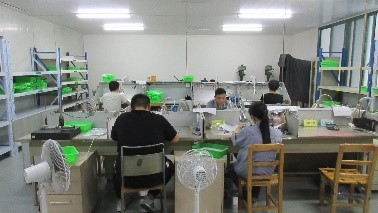
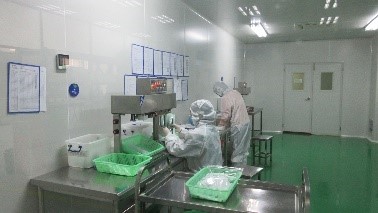
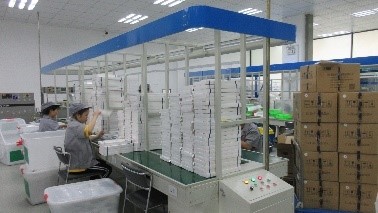
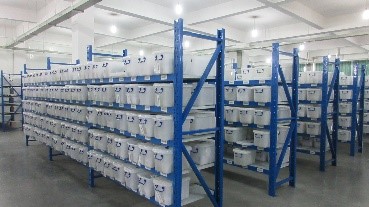
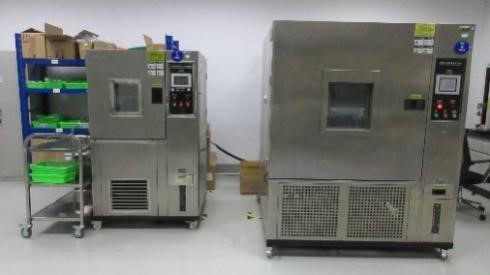
We deploy advanced imported mechanical units and rigorous stress-testing benches to guarantee life-long compliance
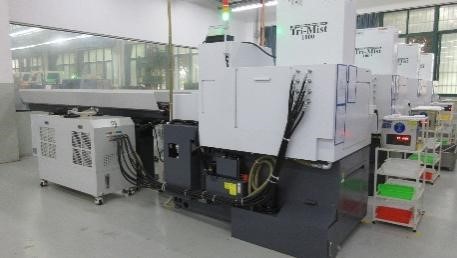
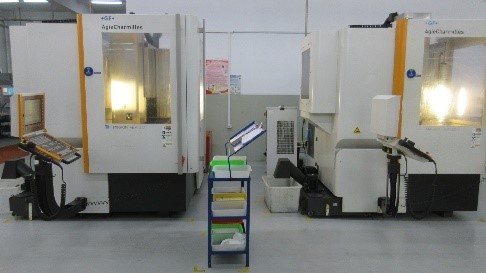
A deep analysis of China’s supply chain efficiency, material compliance, and global orthopedic market integration
Patient profiles vary significantly across continents. In the Asian market, the femoral head and canal dimensions are typically smaller and require nails with reduced proximal diameters (often referred to as PFNA-II). Conversely, Western populations often require larger distal diameters and longer nail dimensions to match the higher average stature and femoral anterior bowing radius. Our production capabilities cover anatomical variations across both hemispheres, offering varying proximal outer diameters, adjustable neck-shaft angles (125°, 130°, and 135°), and custom lengths ranging from 170mm up to 420mm.
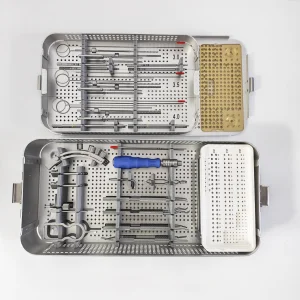
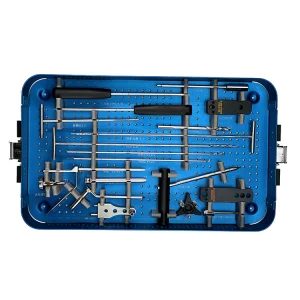
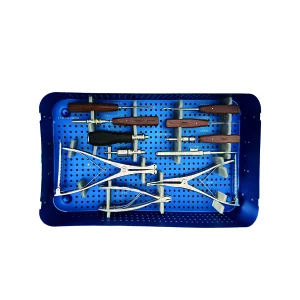
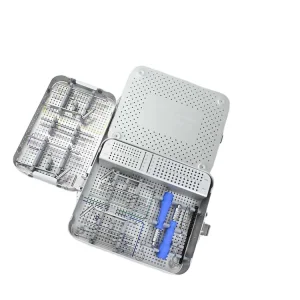
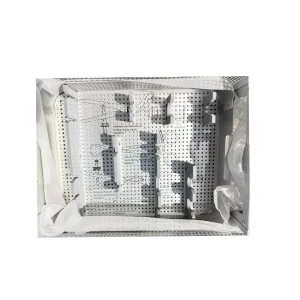
Additionally, surgical procedures in developing regions and public health systems require user-friendly instrument kits that reduce complexity and shorten recovery room turnover times. Our trauma instrumentation boxes are color-coded and logically numbered to align with standard surgical workflows, ensuring safe, effective use even in environments with high staff turnover.
The development of orthopedic trauma solutions at Axiora is focused on active biomechanics. Our technical development roadmap highlights the following milestones:
China has developed an integrated industrial ecosystem for medical device manufacturing, centered on major medical technology hubs. Our factory in China leverages this direct access to raw materials (high-purity Ti-6Al-4V ELI conforming to ASTM F136 specifications), state-of-the-art multi-axis CNC Swiss-type lathes, and specialized medical-grade surface treatment providers.
By integrating product design, forging, precise machining, cleanroom packaging, and testing within a single regional supply chain, we dramatically reduce turnaround times. The results speak for themselves: we maintain high quality standards with a 100% inspection rate overseen by 48 quality control specialists, all while offering cost savings that support our partners in competitive markets.
Exporting to over 50 countries requires strict compliance with diverse regulatory frameworks. Our regulatory affairs department supports distributors with comprehensive documentation, including:
Reliable production metrics validating our leadership in orthopedic supply chains
Technical and procurement inquiries regarding PFNA systems and surgical implementation
Partnering with hospitals globally to supply dependable systems for complete surgical setups