Axiora Medical
Axiora Medical
Axiora Medical
Precision-engineered surgical tools and implants manufactured under ISO 13485 protocols to match modern orthopedic procedures.
In modern spinal arthrodesis, Posterior Lumbar Interbody Fusion (PLIF) remains a primary approach for correcting mechanical instability, spinal stenosis, and degenerative disc diseases (DDD). The clinical success of interbody fusion depends directly on the biological and structural stability of the chosen implant. Historically, implants transitioned from autologous bone grafts to titanium alloys, and subsequently to medical-grade Polyetheretherketone (PEEK) polymers.
From a clinical biomechanical perspective, titanium alloy implants exhibit an elastic modulus (approximately 110 GPa) that is significantly higher than that of human cortical bone (typically 12 to 18 GPa). This severe modulus mismatch introduces stress shielding, a phenomenon where the metal cage bears the majority of the physiological load. Consequently, the adjacent vertebral bone experiences reduced mechanical stimulation, leading to localized osteoclast activity and an elevated risk of implant subsidence or non-union.
To address this clinical limitation, PEEK-OPTIMA™ and similar implant-grade polymers have become the standard biomaterial. With an elastic modulus of approximately 3.6 GPa, PEEK mimics the natural mechanical properties of cortical bone. This ensures a balanced load transfer across the interbody space, stimulating natural osteogenesis (according to Wolff’s Law) while preserving structural integrity. Furthermore, PEEK is completely radiolucent. Unlike titanium, which produces severe scatter and artifacts on X-ray, CT, and MRI scans, PEEK cages allow surgeons to evaluate post-operative fusion progress, bone growth, and density through clear visual verification.
The global spinal implants market has experienced rapid growth, driven by an aging worldwide population and rising clinical expectations for minimally invasive spine surgeries (MISS). The demand for reliable PLIF PEEK Cages is especially high in North America, Europe, and the Asia-Pacific region, where outpatient spinal surgeries are increasingly common.
To balance clinical performance with economic sustainability, medical device brands and hospital buying groups are moving away from regional boutique fabricators in favor of large-scale, vertically integrated contract manufacturers. As a prominent China Wholesale PLIF PEEK Cage Manufacturer and Exporter, Axiora Medical Technology (China) Co., Ltd. addresses this demand. By combining high-precision CNC machining and certified Class 100,000 cleanroom packaging in our 18,600 m² facility, we supply globally competitive spinal implants at wholesale rates.
Our OEM and ODM systems enable international partners to customize cage profiles, footprint dimensions, and lordotic angles. This allows distributors to offer optimized spinal solutions tailored to the anatomic profiles of their specific regional demographics, all supported by comprehensive material traceability and technical documentation.
Axiora Medical Technology (China) Co., Ltd. is a professional manufacturer specializing in the research, development, production, and global supply of high-quality orthopedic implants and surgical instruments. Our product portfolio covers trauma fixation systems, spinal implants, joint reconstruction solutions, sports medicine products, and related orthopedic surgical instruments.
Established with a commitment to innovation and precision manufacturing, Axiora integrates advanced CNC machining, automated production lines, and strict quality management systems to deliver reliable products that meet international standards. Our experienced engineering team continuously develops innovative solutions to support surgeons and healthcare providers worldwide.
With strong OEM and ODM capabilities, we provide customized manufacturing services according to customers' drawings, samples, and technical requirements. From product design and prototyping to mass production and packaging, our integrated manufacturing process ensures consistent quality, competitive pricing, and on-time delivery.
Today, Axiora exports its orthopedic products to customers across Europe, North America, South America, the Middle East, Southeast Asia, and Africa, building long-term partnerships with medical device distributors, brand owners, hospitals, and healthcare organizations around the world.
| Item | Details |
|---|---|
| Company Name | Axiora Medical Technology (China) Co., Ltd. |
| Brand | Axiora |
| Website | www.axioraortho.com |
| Established | 2017 |
| Factory Area | 18,600 m² |
| Annual Export Revenue | USD 26 Million |
| Export Experience | 8 Years |
| Industry Experience | 15 Years |
| Quality Inspection | 100% Finished Product Inspection & Incoming Material Inspection |
| Product Inspection Methods | Coordinate Measuring Machine (CMM), Tensile Testing, Hardness Testing, Surface Roughness Inspection, Salt Spray Testing |
| Quality Control Staff | 48 |
| Business Type | Manufacturer & Exporter (OEM/ODM) |
| Main Markets | Europe, North America, Middle East, Southeast Asia, South America |
| Supply Chain Partners | 1,120 |
| Main Customer Types | Medical Device Brands, Importers, Distributors, Hospitals, Government Procurement Projects |
| R&D Capability | Independent Product Development, Reverse Engineering, OEM & ODM Solutions |
| Customization Options | Logo Printing, Private Label, Custom Packaging, Product Design, Material Selection, Drawing-Based Manufacturing |
| New Products Released Last Year | 126 |
| R&D Engineers | 86 |
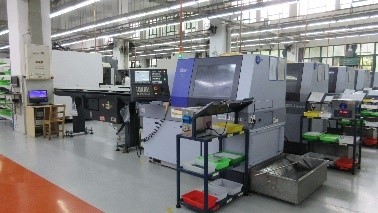
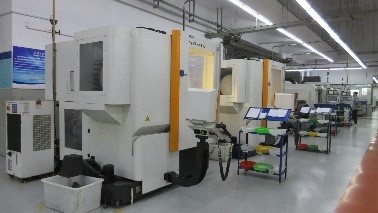
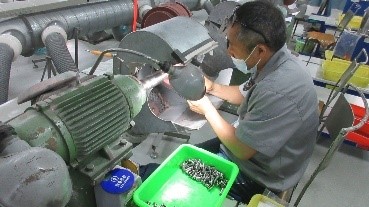
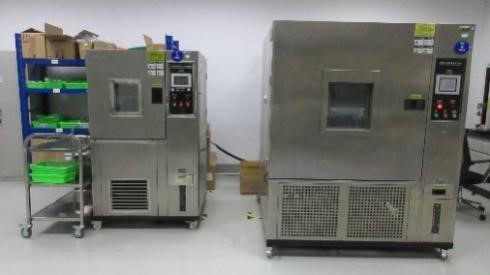
Our facility integrates specialized Swiss-type longitudinal cutting, 5-axis CNC machining, ultrasonic cleaning, and quality testing to maintain tight tolerances and ensure clean, medical-grade products.
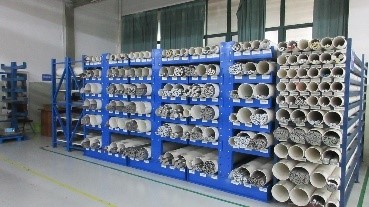
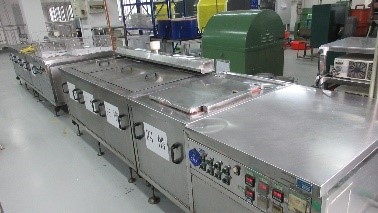
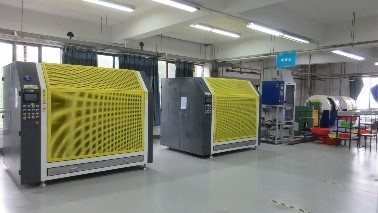
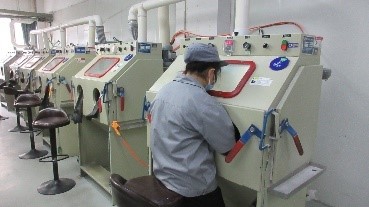
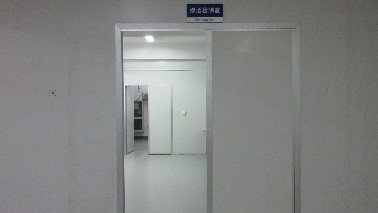
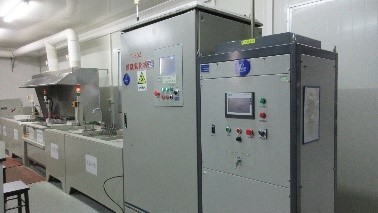
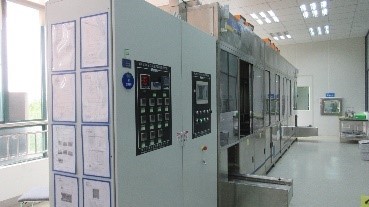
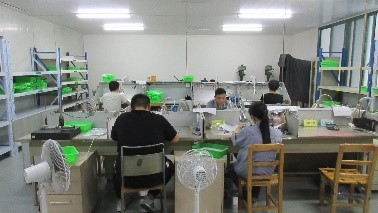
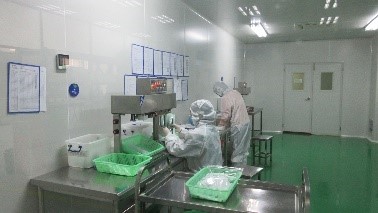
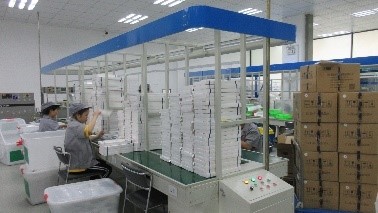
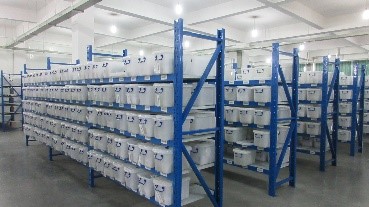
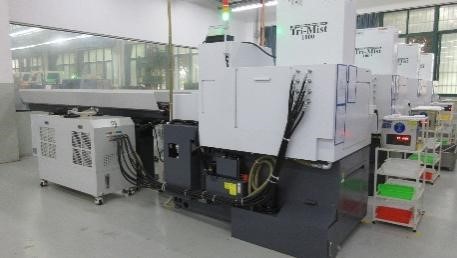
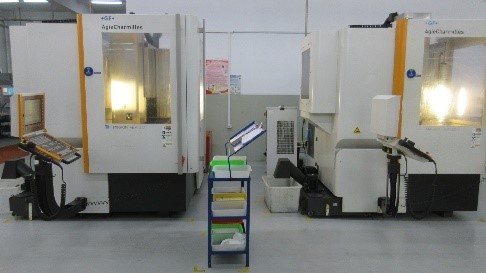
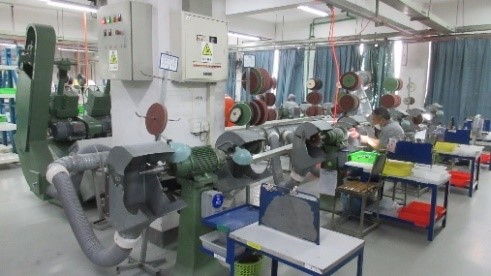
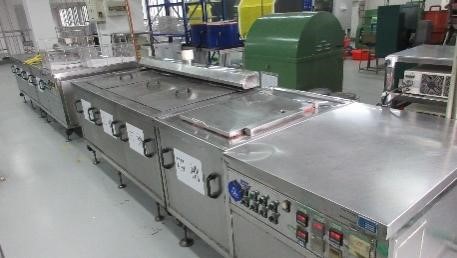
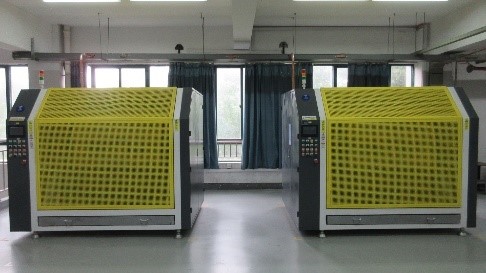
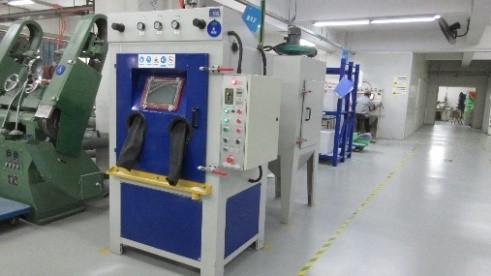
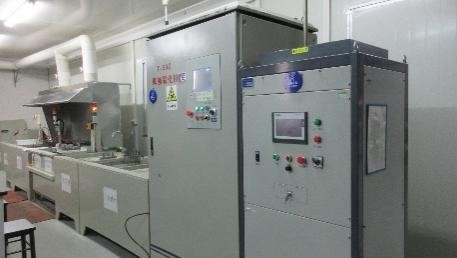
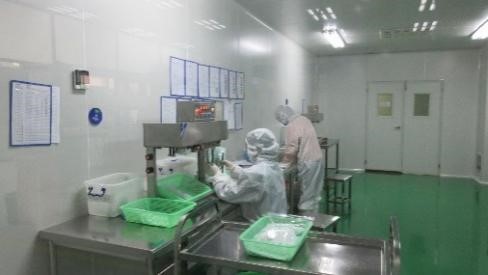
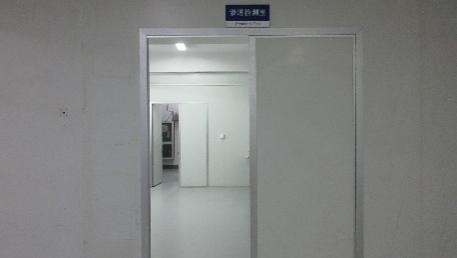
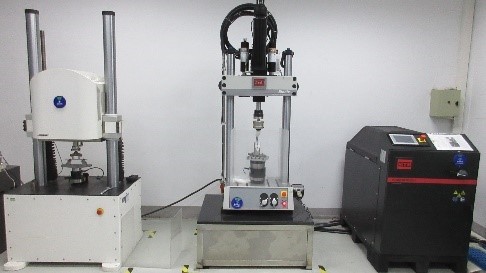
In medical manufacturing, material integrity is paramount. Axiora sources only implant-grade PEEK polymer (such as Evonik VESTAKEEP® or Solvay Zeniva®) from qualified suppliers. Every shipment includes a certified Certificate of Conformity (CoC) and batch-specific chemical composition records, establishing full transparency from raw stock to finished sterile packaging.
Our quality management system is certified under ISO 13485:2016, the international standard for medical device quality management. We maintain complete product history records (DHR) for all manufactured implants. To satisfy the regulatory requirements of importing countries (including FDA pathways and EU CE Mark directives), our implants undergo comprehensive mechanical evaluation in accordance with ASTM standards:
For wholesale importers and distributors, we offer detailed regulatory support, providing complete technical documentation, raw material testing reports, and ISO certificates to facilitate the registration process with local health authorities.
PLIF PEEK cages are engineered to restore disc space height and stabilize the spine. However, patient anatomy varies, requiring specialized configurations for different clinical scenarios:
To optimize osseointegration, modern implant manufacturing has advanced beyond standard smooth PEEK profiles. Axiora's R&D team is currently developing and validating two key technologies:
1. Porous Titanium-Coated PEEK (Ti-PEEK): This composite design combines the low modulus of elasticity of PEEK with the bioactive properties of titanium. Using physical vapor deposition (PVD) or plasma spraying, we apply a micro-porous titanium layer to the PEEK substrate. This encourages early cellular attachment and bone integration, while the underlying PEEK core prevents stress shielding.
2. 3D-Printed Porous Architectures: Through additive manufacturing (3D printing PEEK using FFF/FDM technology), we are working to produce biomimetic, interconnected pore networks. These structures simulate trabecular bone, allowing vascularization and cell migration directly through the implant body to accelerate fusion.
Answers to common questions regarding materials, customization, regulatory support, and logistics.
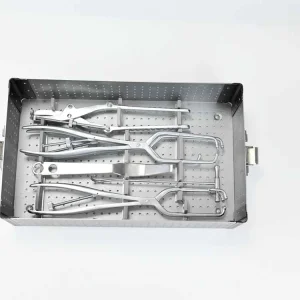
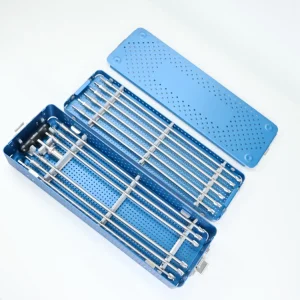
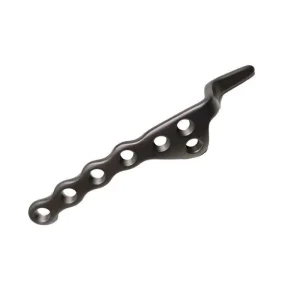
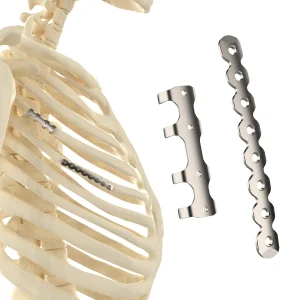
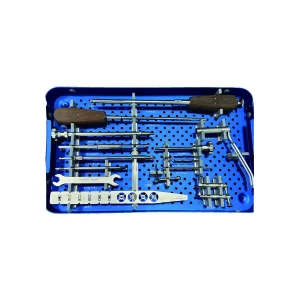
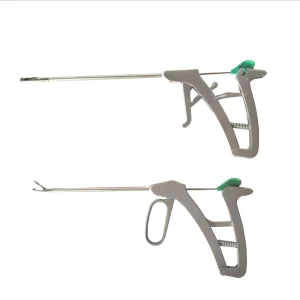
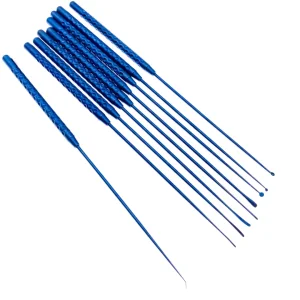
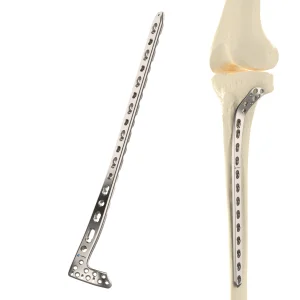
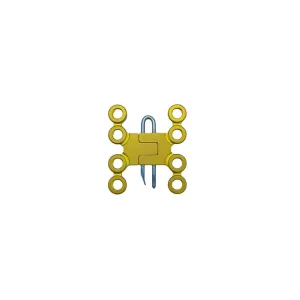
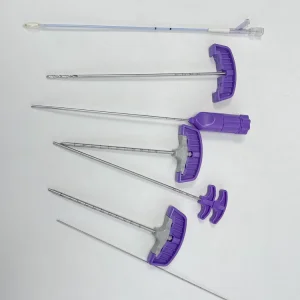
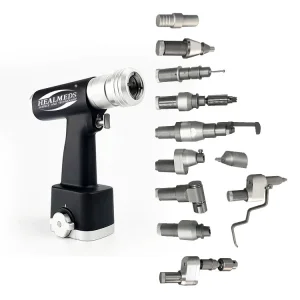
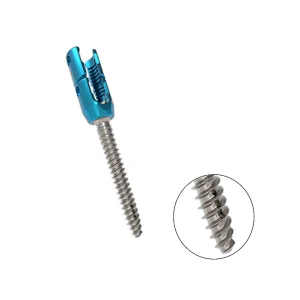
Our complete surgical portfolio includes trauma fixation plates, intramedullary nails, arthroscopy systems, and spinal stabilization instruments.