Axiora Medical
Axiora Medical
Axiora Medical
High-precision instrumentation and advanced orthopedic systems configured to international quality control thresholds.
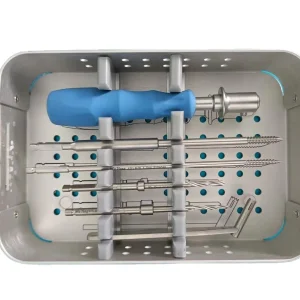
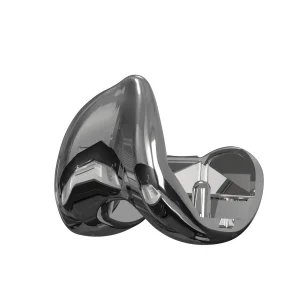
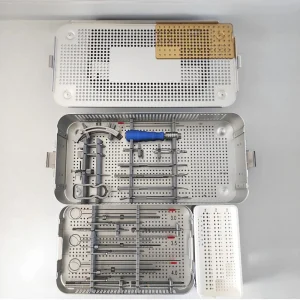
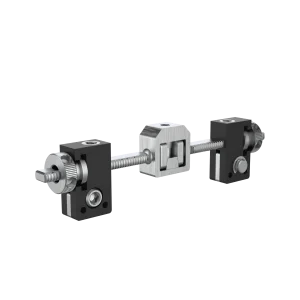
An authoritative analysis on global clinical applications, bio-mechanical properties, and metallurgic benchmarks in trauma stabilization.
Unilateral external fixators represent a cornerstone of modern reconstructive orthopedics and traumatology. By employing a rigid longitudinal configuration positioned parallel to the anatomical axis of the long bones, these systems achieve stabilization through a series of percutaneous transfixion pins anchored securely into both the proximal and distal bone segments. Structurally distinct from circular or hybrid fixators, unilateral external fixators offer the critical advantages of rapid deployment, minimized soft tissue disruption, and an optimized, patient-friendly profile that enhances mobilization during recovery.
From a mechanical perspective, the efficiency of unilateral systems depends strictly on the balance between axial stiffness and dynamic micro-motion. Orthopedic research confirms that controlled axial micro-displacement promotes secondary bone healing through the stimulation of callus formation—a biological phenomenon governed by Wolff's Law. Conversely, excessive shear stress or lack of torsional stability can lead to non-unions, pin tract infections, or mechanical failure. To combat this, advanced medical factories utilize high-tensile titanium alloys (Ti-6Al-4V ELI) and medical-grade stainless steel (AISI 316LVM) to engineer frames with modular configurations, allowing surgeons to fine-tune rigidity intraoperatively.
Clinical Advantage: Compared to internal fixation, external unilateral fixation minimizes disruption of the endosteal and periosteal blood supply, significantly reducing the incidence of ischemic osteonecrosis and postoperative infection in high-energy open fractures (Gustilo-Anderson Class II and III).
Specially calibrated configurations restrict lateral translation while supporting physiological axial loading, expediting natural osseous union.
Integrated dynamic modules facilitate transition from rigid fixation to controlled axial micro-motion during later phases of bone healing.
Unilateral positioning guarantees uncomplicated access for wound debridement and skin grafting in complex soft tissue reconstructive operations.
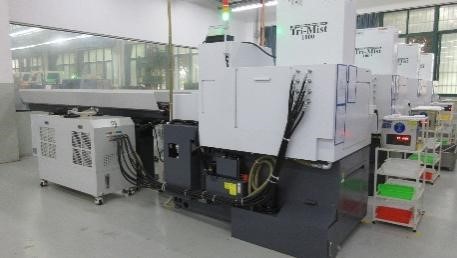
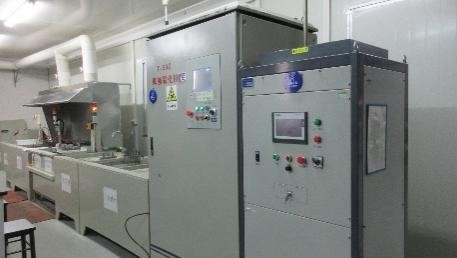
China's prominence as the primary global manufacturing hub for orthopedic implants and medical devices is established on unparalleled supply chain integration and cutting-edge industrial technology. Unlike fragmented manufacturing networks elsewhere, Chinese medical factories coordinate the entire production process within centralized industrial clusters. This centralized framework covers raw material sourcing, high-precision Swiss-type longitudinal cutting, CNC machining, multi-stage surface finishing (such as titanium anodization and electro-polishing), mechanical safety testing, cleanroom packaging, and sterile barrier management.
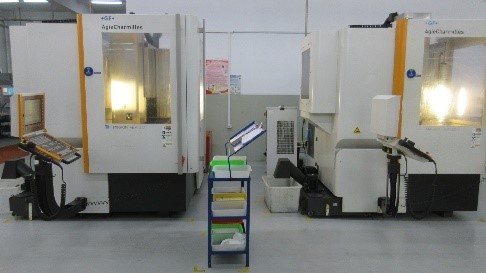
At Axiora Medical Technology (China) Co., Ltd., we utilize this integrated manufacturing model to guarantee exceptional quality and significant cost-efficiencies. Our facility spans 18,600 square meters, equipped with high-performance CNC multi-axis machines that allow us to construct complex, highly customized unilateral fixator components to tolerances as tight as 0.005mm. The synergy of raw-material proximity, automated production lines, and high-volume raw titanium sourcing allows us to shorten standard OEM lead times by up to 40% compared to Western manufacturers, without compromising technical integrity.
Axiora Medical Technology is a leading specialized manufacturer of premium orthopedic trauma and spinal fixation systems.
| Specification Parameter | Details & Capabilities |
|---|---|
| Company Name | Axiora Medical Technology (China) Co., Ltd. |
| Brand | Axiora |
| Website | www.axioraortho.com |
| Export Experience | 8 Years |
| Industry Experience | 15 Years |
| Quality Inspection | 100% Finished Product Inspection & Incoming Material Inspection |
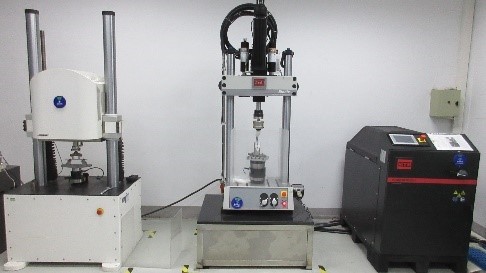
| Product Inspection Methods | Coordinate Measuring Machine (CMM), Tensile Testing, Hardness Testing, Surface Roughness Inspection, Salt Spray Testing |
| Quality Control Staff | 48 Dedicated Specialists |
| Business Type | Manufacturer & Exporter (OEM/ODM) |
| Main Markets | Europe, North America, Middle East, Southeast Asia, South America |
| Supply Chain Partners | 1,120 Globally |
| Main Customer Types | Medical Device Brands, Importers, Distributors, Hospitals, Government Procurement Projects |
| R&D Capability | Independent Product Development, Reverse Engineering, OEM & ODM Solutions |
| Customization Options | Logo Printing, Private Label, Custom Packaging, Product Design, Material Selection, Drawing-Based Manufacturing |
| New Products Released Last Year | 126 Innovative SKUs |
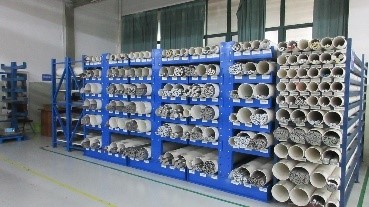
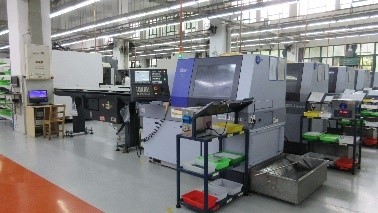
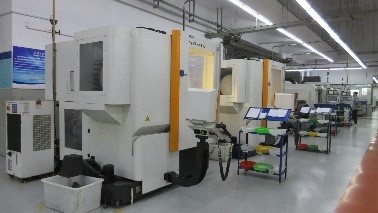
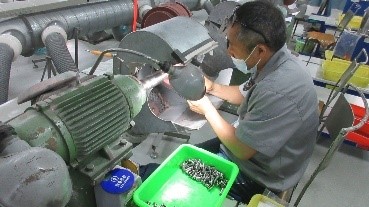
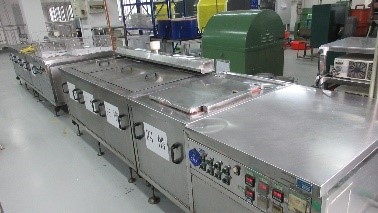
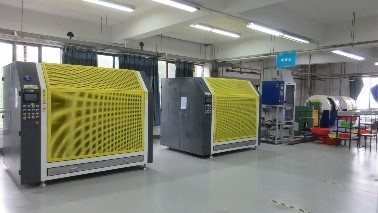
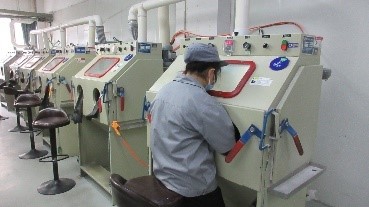
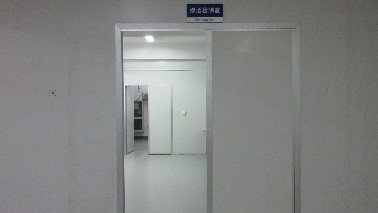
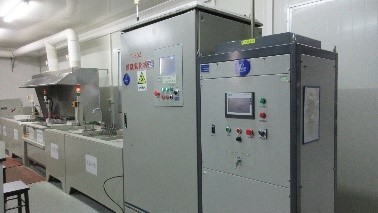
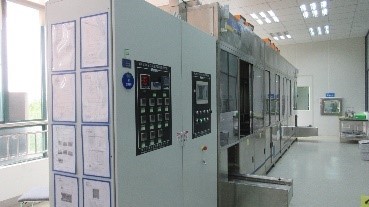
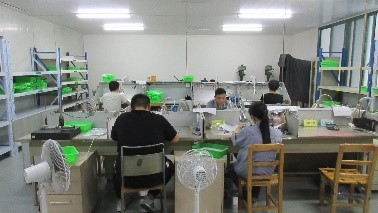
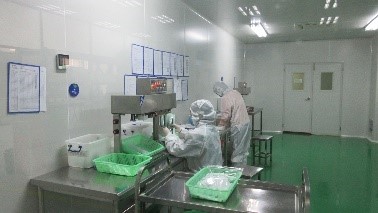
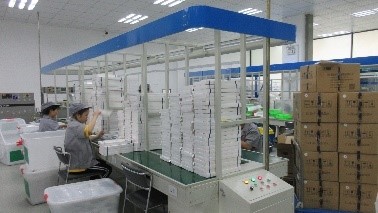
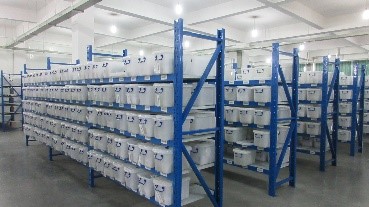
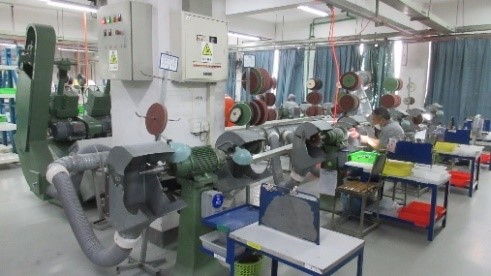
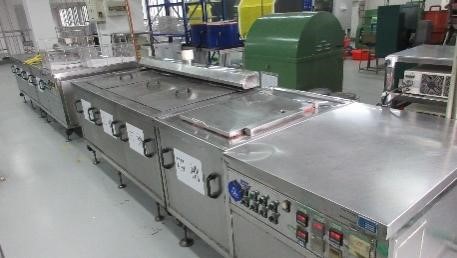
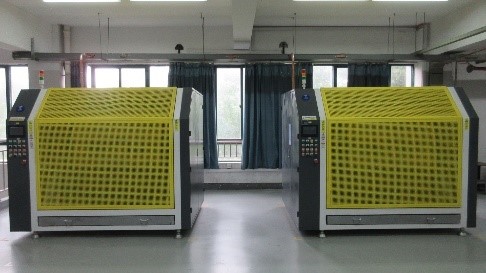
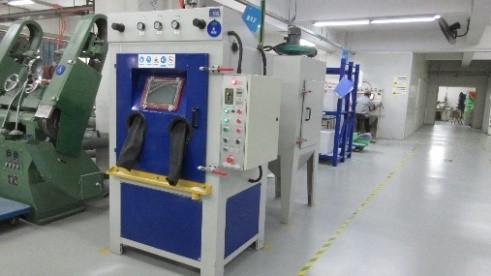
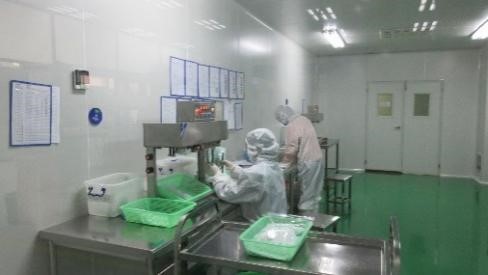
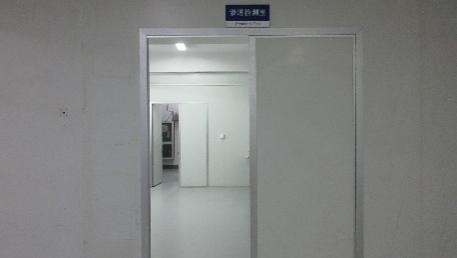
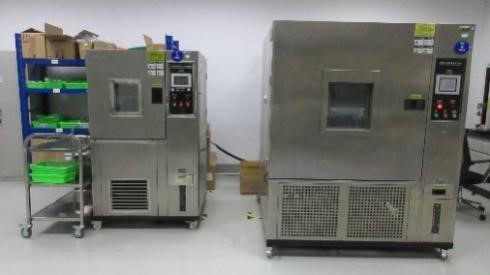
Transparent display of our production cycle: from raw medical-grade titanium stock to packaging under ISO Class 7 Cleanroom conditions.
Optimizing construct configuration for adult human, pediatric, and specialized veterinary orthopedic applications.
Utilized extensively in limb-lengthening protocols and non-union management of the tibia and femur. Standardized pin diameters range from 4.0mm to 6.0mm, calibrated to handle high physiologic load tolerances.
Requires lightweight, low-profile unilateral systems (often utilizing carbon-fiber composite components). These minimize structural weight for children, preventing growth plate disruption while achieving rigid alignment stability.
Highly dynamic mini-fixators designed specifically for bone reconstruction in companion animals and working dogs. Designed to withstand sudden animal movement dynamics while ensuring pin stability.
Across these varying patient profiles, environmental adaptability is paramount. In high-humidity tropical sectors, unilateral external fixators must exhibit superior resistance to electrochemical oxidation. We implement a proprietary Type II medical anodizing process on all titanium alloy hardware, forming a stable titanium dioxide protective layer that eliminates the risk of passive corrosion in saline or physiological fluid-rich clinical environments.
Analyzing technology pathways and procurement frameworks for medical device supply chains.
The global external fixation market is shifting rapidly toward radiolucent materials. Traditional stainless steel components block view under fluoroscopy, making it difficult for surgeons to check bone alignment during surgery. Our engineering team is leading this transition by integrating high-performance Carbon Fiber Reinforced Polymers (CFRP). Unilateral fixator rods constructed from CFRP offer equivalent stiffness to titanium while remaining completely radiolucent, providing clear imaging in intraoperative evaluations.
Additionally, global procurement standards have tightened under the European Medical Device Regulation (EU MDR 2017/745) and FDA 510(k) frameworks. Large distributors and government health ministries prioritize manufacturers who supply complete bio-compatibility certifications, sterilization validation paperwork, and comprehensive technical files. Axiora meets these compliance criteria, facilitating smooth import clearance and clinical acceptance in strictly regulated medical markets worldwide.
OEM and ODM Sourcing Strategy: Standardizing internal inventory interfaces with modular fixator clamps helps distributors lower overall stock requirements. By manufacturing cross-compatible universal pins and clamps, we help partners reduce inventory carrying costs by up to 25%.
Answers to critical design, metallurgy, and clinical application questions from medical engineers and procurement teams.
Explore our wider catalog of trauma fixation systems, medical power tools, and specialized surgical instrument kits.