Axiora Medical
Axiora Medical
Axiora Medical
Global Medical Contract Manufacturing & Supply Chain Partner
Advanced OEM orthopedic products engineered to meet international clinical standards and medical regulatory frameworks.
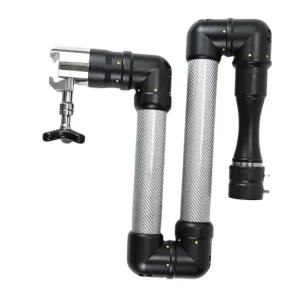
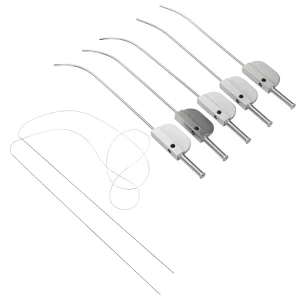
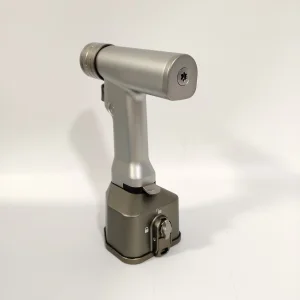
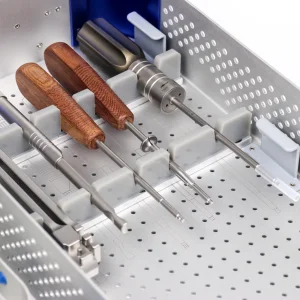
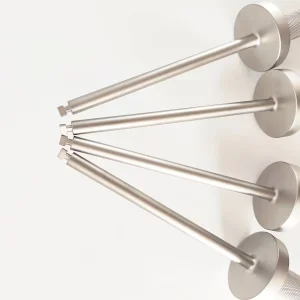
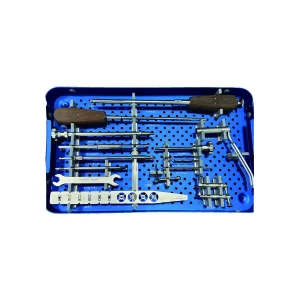
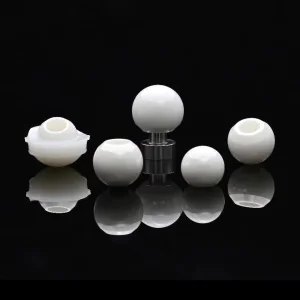
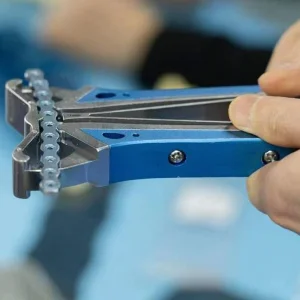
A technological shift from permanent metallic fixation to transient, bioadaptive healing environments.
In modern orthopedic reconstructive surgery, the long-term presence of permanent metallic fixations—such as titanium alloy and stainless steel plates and screws—poses persistent clinical challenges. These issues include stress shielding, which prevents natural bone remodeling, localized foreign-body inflammation, imaging artifacts in post-operative MRI/CT scans, and the potential necessity for secondary hardware removal procedures. These secondary operations introduce additional risks to patients and place substantial financial and operational burdens on healthcare systems worldwide.
To address these drawbacks, bioresorbable orthopedic implants have emerged as a clinical benchmark. By utilizing engineered biocompatible polymers and copolymer matrices, these medical devices perform critical load-bearing operations during the initial bone-healing phase. They then degrade through predictable hydrolytic pathways into non-toxic metabolites (such as lactic and glycolic acids), which are subsequently excreted via the body's natural metabolic processes (the Krebs cycle). This dynamic degradation profile matches the natural bone remodeling timeline, shifting the load-bearing requirements back to the patient’s healing skeleton.
Clinical Value Proposition: Bioresorbable fixation systems eliminate secondary removal surgeries, mitigate long-term tissue sensitization, and restore natural biomechanical stimulation. For medical device distributors and brand managers, offering high-performance bioresorbable solutions represents a vital competitive advantage in sports medicine, pediatric orthopedics, and craniomaxillofacial surgery sectors.
Advanced molecular engineering of polymer matrices to optimize mechanical strength and degradation rates.
Characterized by a highly crystalline structure, PLLA provides high tensile strength and slow degradation rates. It is ideally suited for load-bearing fixation devices, such as interference screws and suture anchors, which require structural integrity for 12 to 24 months.
By blending L-lactide and glycolide monomers, PLGA allows precise adjustment of hydrophilic properties. This modification enables engineering of degradation periods from 6 weeks to 6 months, tailored for pediatric fracture repair and soft-tissue-to-bone fixation.
Incorporating osteoconductive ceramic particles (like Hydroxyapatite or Beta-Tricalcium Phosphate) into the polymer matrix buffers acidic byproducts, minimizes localized osteolysis, and stimulates bone deposition around the implant site.
Targeted manufacturing designs tailored to distinct medical disciplines and surgical demands.
Bioresorbable implants are not one-size-fits-all medical products. Different clinical scenarios demand distinct mechanical behavior, surface geometries, and absorption kinetics. Our production lines are optimized to manufacture solutions across four major medical applications:
Providing interference screws, cross pins, and soft-tissue anchors constructed from high-molecular-weight PLLA-HA. These devices deliver reliable fixation during early-stage post-operative rehabilitation for ACL/PCL reconstructions and rotator cuff repairs.
In pediatric patients, permanent metal implants can restrict skeletal growth. Our bioresorbable pins, tacks, and small bone plates degrade safely without disrupting epiphyseal growth plates, eliminating the psychological and physical stress of a secondary extraction surgery.
Ultra-low profile plates and mesh systems made from amorphous PLDLA copolymers provide excellent contouring capability. These systems maintain mid-face and cranial bone alignments, then degrade without leaving palpable hardware under the skin.
Applying advanced bioresorbable tech to animal health markets. We manufacture bioresorbable fracture fixation pins and stabilization plates designed for rapid bone healing in canine and feline osteosynthesis procedures, ensuring reliable veterinary outcomes.
Combining high-precision medical manufacturing with strict cleanroom operations and validation protocols.
Axiora Medical Technology operates state-of-the-art production facilities designed to balance manufacturing precision with high-volume cost efficiency. By using computer-controlled CNC systems, specialized hot-runner injection molding machines, and automated surface treatment technologies, we maintain strict control over dimensional tolerances and material purity.
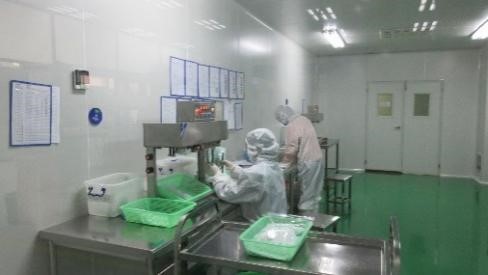
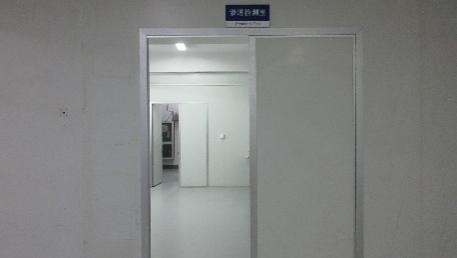
Importantly, our entire production line is backed by an integrated supply chain. We procure certified medical-grade polymers from verified global raw material suppliers, maintain internal testing laboratories for raw feedstock, and run an ISO Class 7 (Class 10,000) aseptic packaging facility. This minimizes bioburden and endotoxin risks prior to final sterilization, helping global brand managers secure a stable, compliant supply chain.
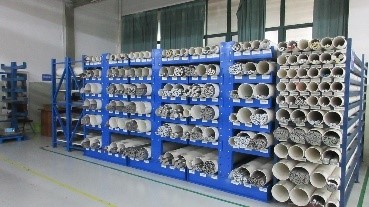
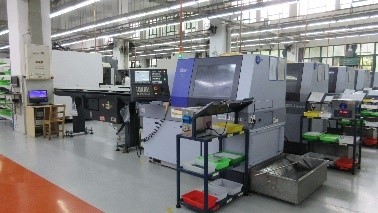
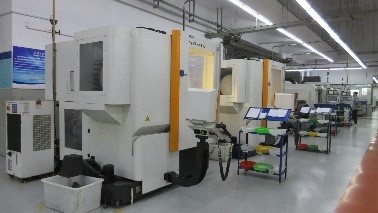
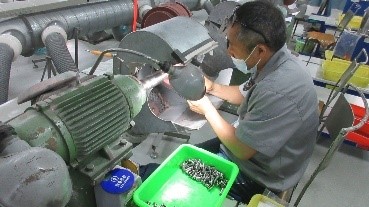
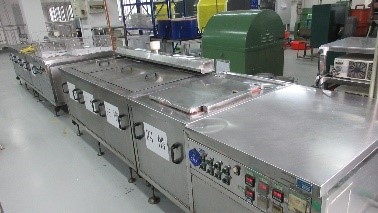
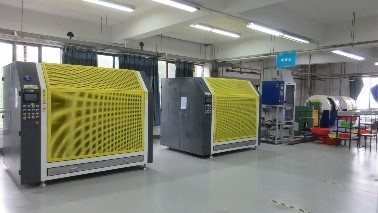
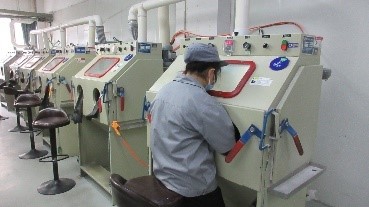
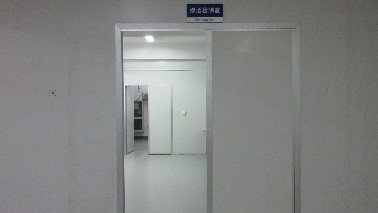
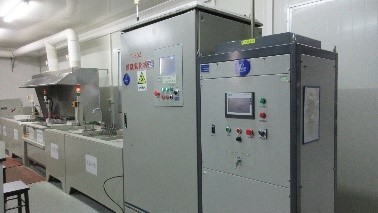
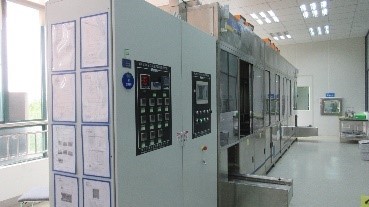
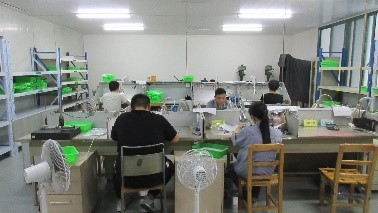
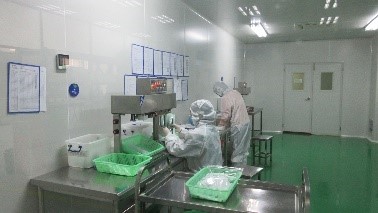
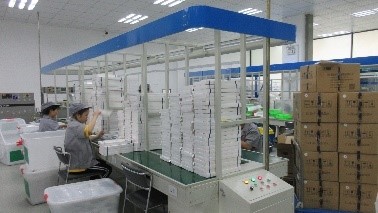
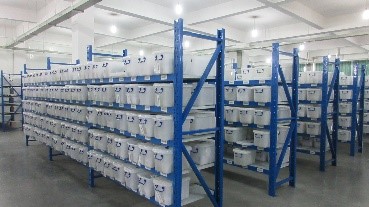
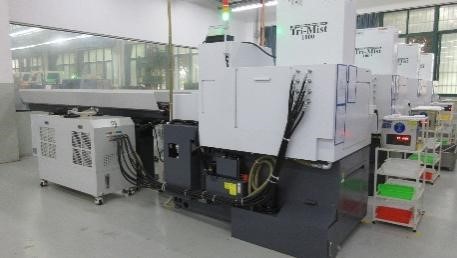
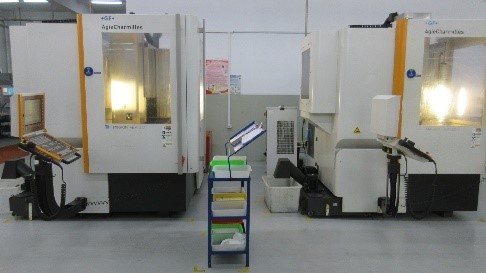
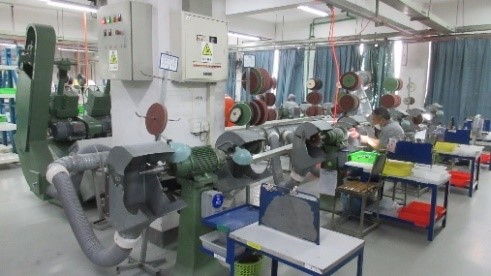
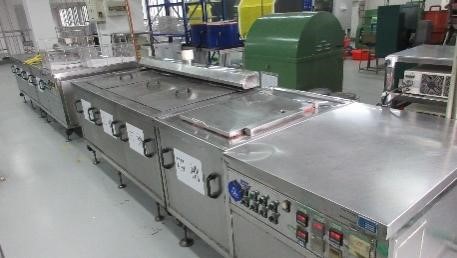
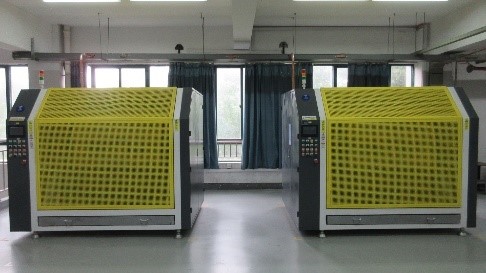
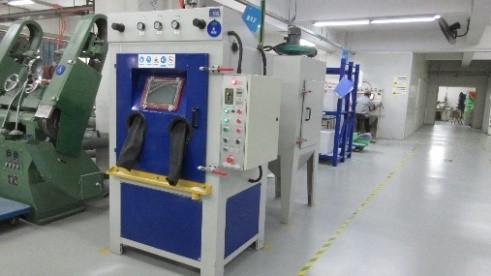
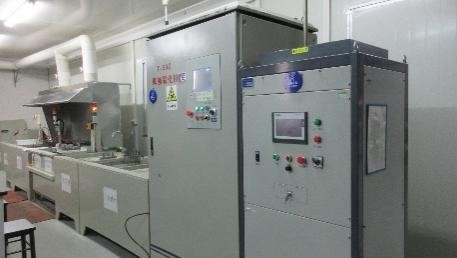
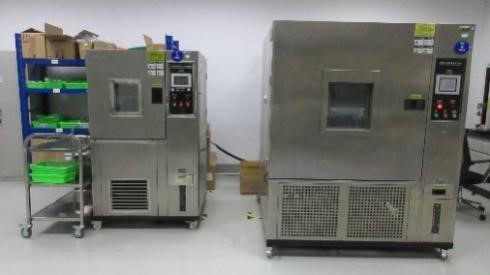
Axiora Medical Technology (China) Co., Ltd. is a professional manufacturer specializing in the research, development, production, and global supply of high-quality orthopedic implants and surgical instruments. Our product portfolio covers trauma fixation systems, spinal implants, joint reconstruction solutions, sports medicine products, and related orthopedic surgical instruments.
Established with a commitment to innovation and precision manufacturing, Axiora integrates advanced CNC machining, automated production lines, and strict quality management systems to deliver reliable products that meet international standards. Our experienced engineering team continuously develops innovative solutions to support surgeons and healthcare providers worldwide.
With strong OEM and ODM capabilities, we provide customized manufacturing services according to customers' drawings, samples, and technical requirements. From product design and prototyping to mass production and packaging, our integrated manufacturing process ensures consistent quality, competitive pricing, and on-time delivery.
Today, Axiora exports its orthopedic products to customers across Europe, North America, South America, the Middle East, Southeast Asia, and Africa, building long-term partnerships with medical device distributors, brand owners, hospitals, and healthcare organizations around the world.
| Operation Details | Axiora Capabilities & Standards |
|---|---|
| Company Name | Axiora Medical Technology (China) Co., Ltd. |
| Brand | Axiora |
| Website | www.axioraortho.com |
| Established | 2017 |
| Factory Area | 18,600 m² |
| Annual Export Revenue | USD 26 Million |
| Export Experience | 8 Years |
| Industry Experience | 15 Years |
| Quality Inspection | 100% Finished Product Inspection & Incoming Material Inspection |
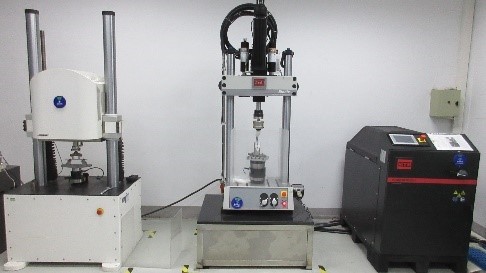
| Product Inspection Methods | Coordinate Measuring Machine (CMM), Tensile Testing, Hardness Testing, Surface Roughness Inspection, Salt Spray Testing |
| Quality Control Staff | 48 Dedicated Specialists |
| Business Type | Manufacturer & Exporter (OEM/ODM) |
| Main Markets | Europe, North America, Middle East, Southeast Asia, South America |
| Supply Chain Partners | 1,120 global accounts |
| Main Customer Types | Medical Device Brands, Importers, Distributors, Hospitals, Government Procurement Projects |
| R&D Capability | Independent Product Development, Reverse Engineering, OEM & ODM Solutions |
| Customization Options | Logo Printing, Private Label, Custom Packaging, Product Design, Material Selection, Drawing-Based Manufacturing |
| New Products Released Last Year | 126 products |
| R&D Engineers | 86 senior engineers |
Helping international medical brands navigate complex regulatory approvals with fully documented testing procedures.
Orthopedic implants are categorized as high-risk medical devices (Class III under CE MDR and US FDA frameworks). Consequently, manufacturers must maintain comprehensive technical documentation. Axiora supports our global partners by providing transparent verification files, process validation reports, and raw material trace certificates.
Our quality management system is certified to ISO 13485:2016 medical device standards. We perform rigorous testing regimens to verify biocompatibility and performance, including:
A structured approach to custom implant development and supply chain integration.
For multinational medical brands and procurement agencies, selecting a production supplier involves evaluating long-term technical support, capacity scaling, and risk mitigation strategies. Axiora provides a structured OEM/ODM framework to transition ideas from design to commercial reality:
Our engineering team converts client ideas or drawings into optimized manufacturing files. We produce polymer prototypes using CNC machining to verify dimensional accuracy before creating production molds.
We design and machine custom injection molds in-house. These tools are engineered to handle high-temperature medical polymers, preventing thermal degradation and preserving molecular weight during molding.
Implants are packaged in sterile barrier pouches within our ISO Class 7 cleanrooms. We offer bulk non-sterile packaging for local processing, or double sterile barrier packaging ready for direct hospital use.
Answers to common questions regarding custom bioresorbable implants, testing, and production logistics.
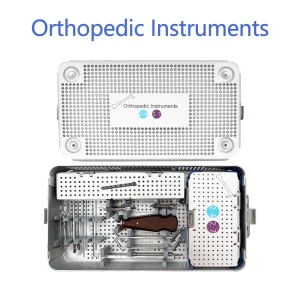
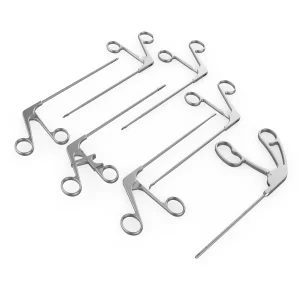
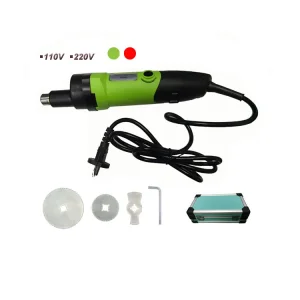
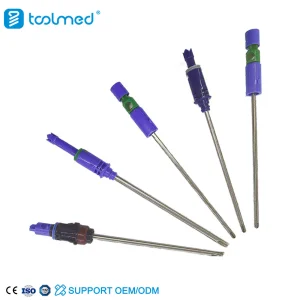
Premium OEM solutions designed to support diverse orthopedic procedures globally.