Axiora Medical
Axiora Medical
Axiora Medical
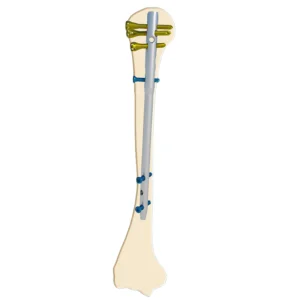
Femoral intramedullary (IM) nailing represents the gold standard for the stabilization of femoral shaft fractures. Over the last three decades, the clinical transition from rigid, non-locking devices to highly sophisticated, anatomically pre-bent, locking intramedullary nail systems has dramatically minimized patient recovery times and reduced systemic post-operative complications like non-union, malalignment, and implant failure. From a mechanical standpoint, intramedullary nails function as load-sharing devices. Unlike rigid bone plates that bear all physiological weight and may lead to stress shielding, IM nails allow dynamic axial loading across the fracture site, promoting robust secondary bone healing through callus formation.
Standard nails feature a uniform sagittal bend. However, modern clinical applications require custom helical or multi-planar proximal curves. Advanced OEM fabrication ensures the nail matches the natural anterior bow of the femur, preventing distal anterior cortex perforation during insertion.
By offering dynamic and static interlocking options, modern IM nails allow controlled load sharing. Dynamic configurations facilitate axial compression, whereas static setups prevent rotation and length discrepancies in unstable comminuted fractures.
Axiora Medical Technology (China) Co., Ltd. is a professional manufacturer specializing in the research, development, production, and global supply of high-quality orthopedic implants and surgical instruments. Our product portfolio covers trauma fixation systems, spinal implants, joint reconstruction solutions, sports medicine products, and related orthopedic surgical instruments.
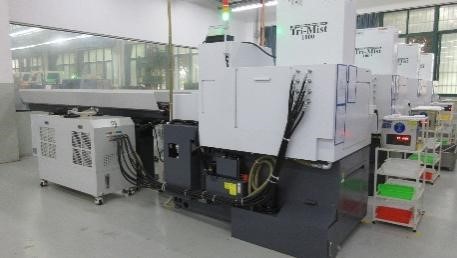
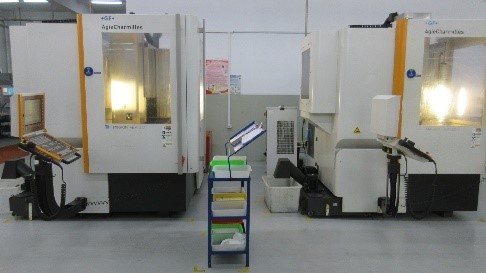
Established with a commitment to innovation and precision manufacturing, Axiora integrates advanced CNC machining, automated production lines, and strict quality management systems to deliver reliable products that meet international standards. Our experienced engineering team continuously develops innovative solutions to support surgeons and healthcare providers worldwide.
With strong OEM and ODM capabilities, we provide customized manufacturing services according to customers' drawings, samples, and technical requirements. From product design and prototyping to mass production and packaging, our integrated manufacturing process ensures consistent quality, competitive pricing, and on-time delivery.
| Item | Details |
|---|---|
| Company Name | Axiora Medical Technology (China) Co., Ltd. |
| Brand | Axiora |
| Website | www.axioraortho.com |
| Established | 2017 |
| Factory Area | 18,600 m² |
| Annual Export Revenue | USD 26 Million |
| Export Experience | 8 Years |
| Industry Experience | 15 Years |
| Quality Inspection | 100% Finished Product Inspection & Incoming Material Inspection |
| Product Inspection Methods | Coordinate Measuring Machine (CMM), Tensile Testing, Hardness Testing, Surface Roughness Inspection, Salt Spray Testing |
| Quality Control Staff | 48 |
| Business Type | Manufacturer & Exporter (OEM/ODM) |
| Main Markets | Europe, North America, Middle East, Southeast Asia, South America |
| Supply Chain Partners | 1,120 |
| Main Customer Types | Medical Device Brands, Importers, Distributors, Hospitals, Government Procurement Projects |
| R&D Capability | Independent Product Development, Reverse Engineering, OEM & ODM Solutions |
| Customization Options | Logo Printing, Private Label, Custom Packaging, Product Design, Material Selection, Drawing-Based Manufacturing |
| New Products Released Last Year | 126 |
| R&D Engineers | 86 |
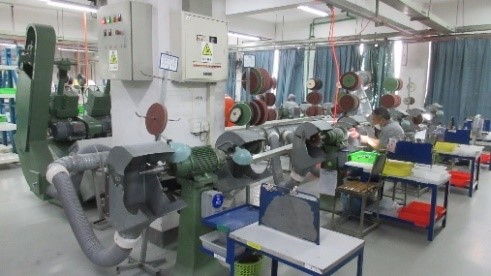
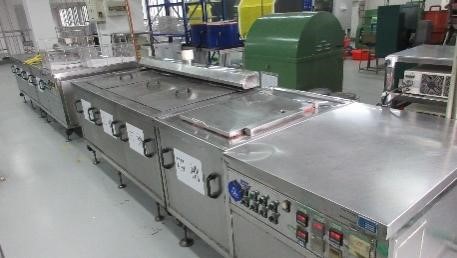
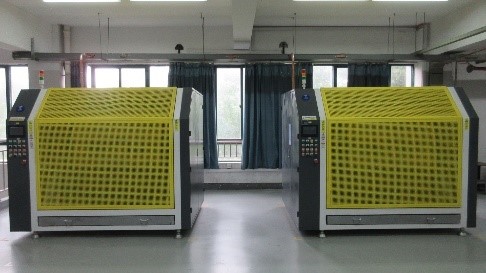
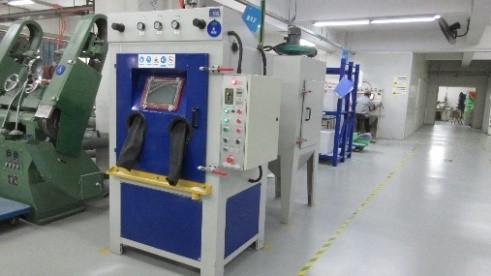
Every step of the OEM manufacturing process is performed under strict ISO 13485 quality protocols. From raw medical-grade titanium rods to sterile double-barrier packaging, our integrated production pipeline guarantees metallurgical integrity, strict dimensional accuracy, and absolute surface sterilization.
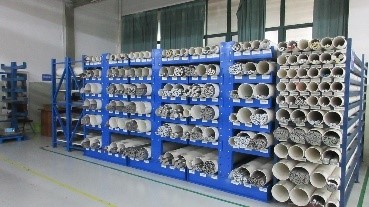
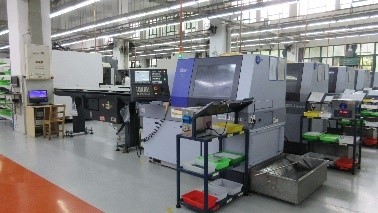
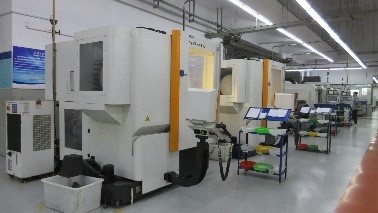
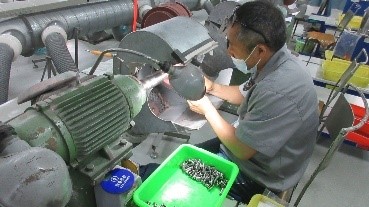
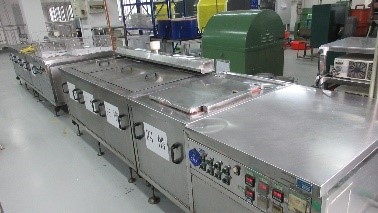
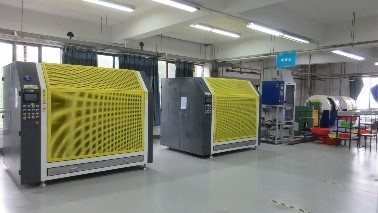
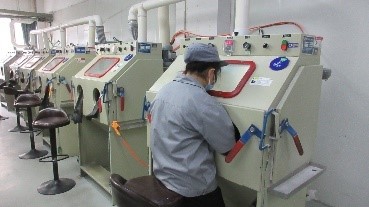
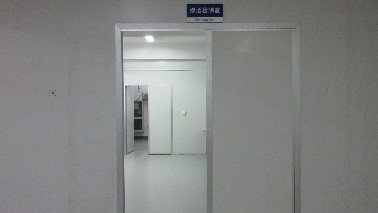
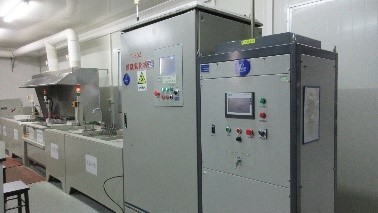
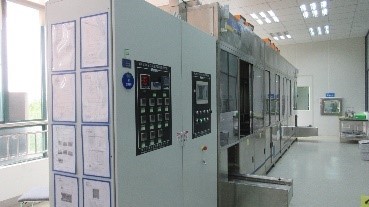
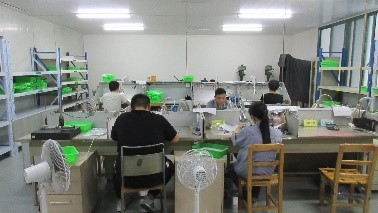
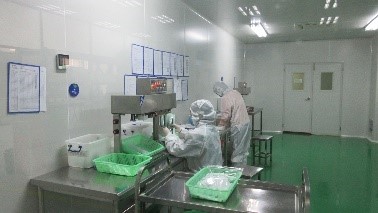
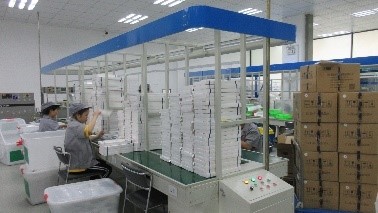
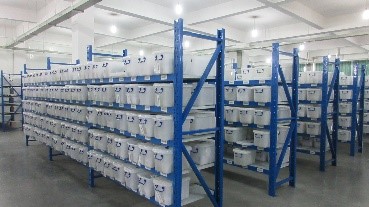
To produce medical implants that satisfy strict Western standards (FDA, CE MDR), we deploy multi-axis CNC machines and testing suites capable of sub-micron precision monitoring.
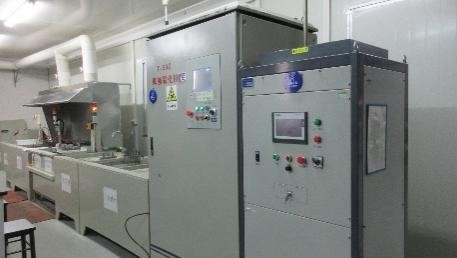
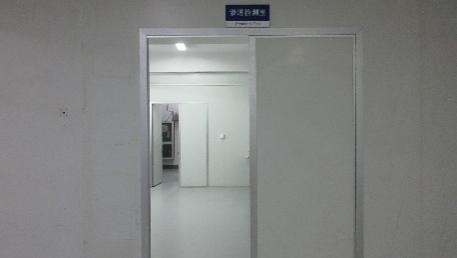
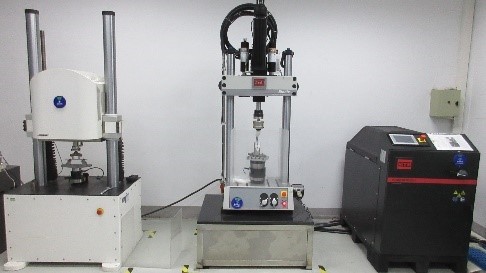
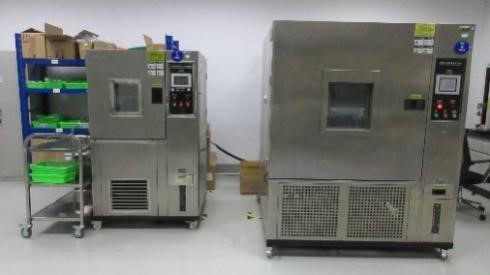
The global medical orthopedic supply chain is shifting towards partners who can balance stringent clinical certifications with optimal manufacturing economics. Chinese medical manufacturing, led by key clusters, has evolved from low-cost production to world-class precision engineering. Let's analyze the exact structural advantages of partnering with Axiora in China:
Our domestic supply chain maintains partnerships with top-tier biomedical steel and titanium alloy foundries. Every batch of titanium grade 5 (Ti-6Al-4V ELI) conforms to ASTM F136 and ISO 5832-3 standards, and is accompanied by a full material test report (MTR).
Through advanced software integrations (CAD/CAM/CAE), we rapidly adapt nail dimensions, proximal curvature shapes, distal interlocking arrangements, and specialized instruments for unique patient anatomical needs, without the typical high startup costs seen in Europe and the Americas.
We simplify international registration. Our export-ready documentation packets include complete sterilization validations (ISO 11137 for Gamma sterilization), biocompatibility test files (ISO 10993 series), and CE MDR/FDA-ready manufacturing dossiers.
The trauma implant sector is shifting from static passive fixation to dynamic biological integration. When purchasing large volumes of intramedullary nails, medical buyers must plan for the transition towards smart implants, minimally invasive surgeries, and customized surface textures.
Implant-related infections present a severe risk in open fractures. To combat this, we are researching custom OEM anodic oxidation techniques that deposit bioactive hydroxyapatite (HA) or nano-silver matrices directly onto the nail surface. This technology promotes rapid osseointegration while maintaining a strong local defense against bacterial biofilm formation.
Modern clinical practices favor distal locking systems that do not require continuous fluoroscopy. Axiora matches intramedullary nails with custom-engineered, radiolucent carbon fiber targeting jigs. This design ensures highly precise interlocking screw placement while reducing radiation exposure for the surgical team.
Get professional, engineering-focused answers to common technical, logistics, and quality questions about OEM intramedullary nail manufacturing.
Q1: Which titanium alloy grade is used for OEM femoral intramedullary nails?
We use Ti-6Al-4V ELI (Extra Low Interstitial) alloy conforming to ASTM F136 and ISO 5832-3. This grade offers a superior strength-to-weight ratio, excellent fatigue resistance, and higher biocompatibility compared to standard titanium alloys, making it ideal for permanent or long-term load-bearing implants.
Q2: How does Axiora ensure fatigue life and mechanical stability for intramedullary nails?
Every nail design undergoes rigorous FEA (Finite Element Analysis) simulation and physical dynamic fatigue testing (conforming to ASTM F1264 and ISO 15025). The implants are tested for millions of load cycles under physiological conditions on our endurance testers to guarantee they will not fail catastrophically inside the patient.
Q3: Do you support custom branding, laser marking, and sterile packaging?
Yes. We offer complete OEM services, including custom laser engraving (for logos, batch numbers, and UDI matrix codes), color anodizing for size and system recognition, and class-10,000 cleanroom double-barrier sterile Tyvek pouch packing, designed for immediate clinical use.
Q4: What is the typical lead time for a custom OEM prototype and initial production run?
For custom designs with engineering drawings provided, the prototyping phase typically takes 3 to 4 weeks. Once prototype validation and mechanical approvals are finalized by the client, the initial mass production run takes 45 to 60 days, depending on batch volume and surface processing requirements.
Q5: How does your quality department verify the precision of the distal locking holes?
We utilize CNC Coordinate Measuring Machines (CMM) and custom-engineered mechanical tolerances check-jigs. Every nail is checked on a 1:1 fixture to ensure the absolute alignment of the proximal and distal locking paths before cleanroom entry.
Q6: What certifications does Axiora possess for international customs clearance?
Axiora holds ISO 13485 (Medical Devices Quality Management Systems) certification. Most of our products have CE certifications and documentation ready for EU MDR compliance, facilitating smooth regulatory approvals in Europe, the Americas, and major markets across the globe.