Axiora Medical
Axiora Medical
Axiora Medical
Explore our elite range of sports medicine, trauma, spine, and reconstructive surgery solutions developed for custom OEM manufacturing.
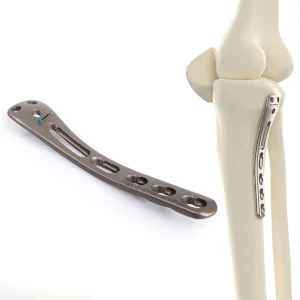
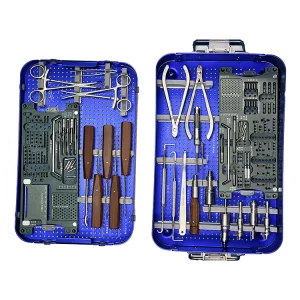
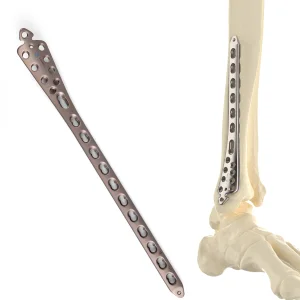
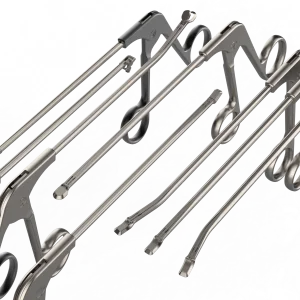
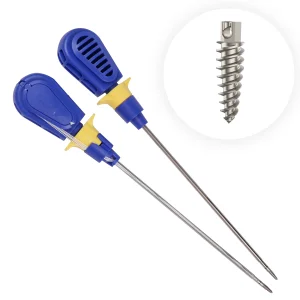
Unlike adult orthopedic hardware, designing implants for pediatric patients demands a deep understanding of skeletal growth, active physes (growth plates), and dynamic mechanical environments. Children are not simply "scaled-down adults." Standard adult hardware scaled down to pediatric sizes fails to address physiological bone remodeling and can cause severe complications, such as growth arrest, premature fusion, or soft tissue impairment.
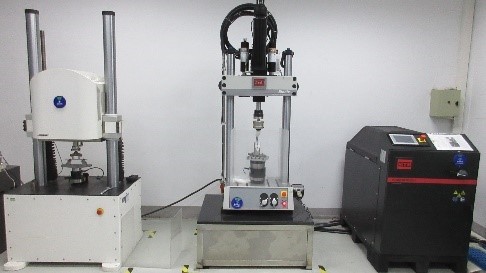
For medical brand owners and distributors, source manufacturing of pediatric implants represents one of the highest barriers to entry. Complex regulatory pathways under EU MDR and US FDA require extensive biocompatibility profiles and clinical performance justifications. Dynamic mechanical loading studies must simulate the hyper-active movement cycles of children, validating material longevity, fatigue limits, and load-sharing capabilities.
Axiora Medical Technology (China) Co., Ltd. is a premier manufacturing enterprise providing end-to-end orthopedic device production under stringent international regulations.
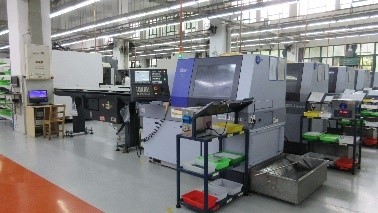
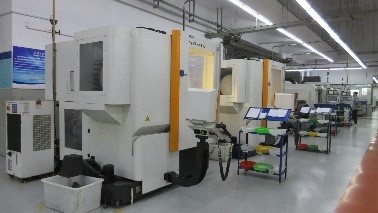
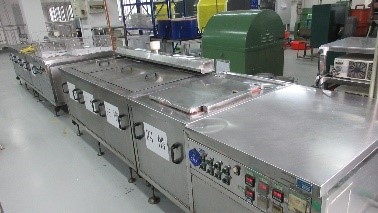
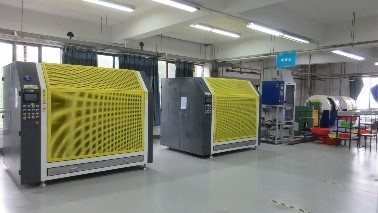
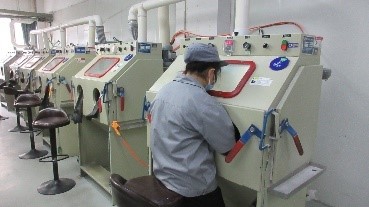
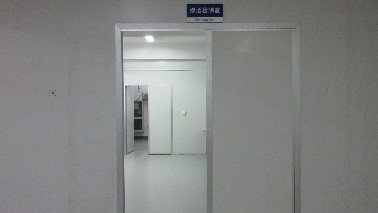
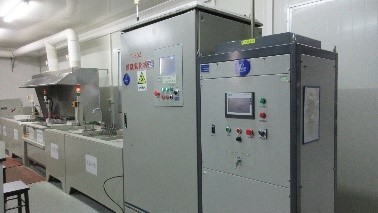
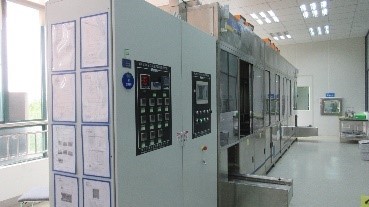
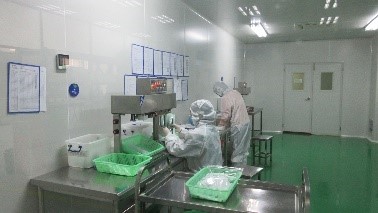
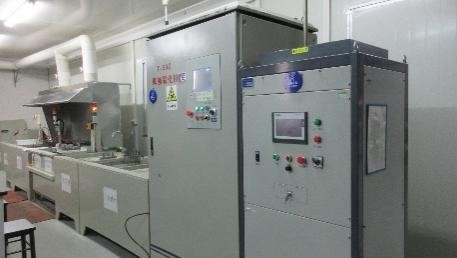
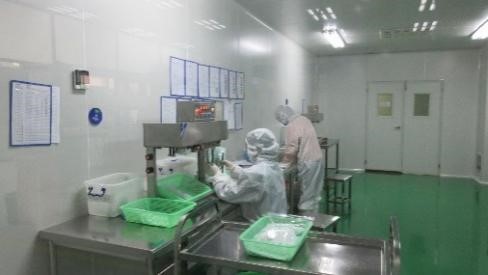
Axiora Medical Technology (China) Co., Ltd. stands at the forefront of medical technology fabrication, specializing in the research, engineering, validation, and global supply of premium-grade orthopedic implants and surgical instruments. Our advanced facility integrates raw material selection, high-precision multi-axis CNC machining, modern chemical surface treating, and ISO Class 7 aseptic packaging.
Through robust OEM and ODM execution, we serve tier-one medical brands, hospital groups, and international distributors, delivering bespoke implant designs matching precise 2D/3D customer schematics. Our technical engineers leverage 15 years of industry experience and reverse-engineering frameworks to translate sophisticated clinical requirements into sterile, shelf-ready surgical inventory.
| Strategic Indicator | Operational Specifications & Metrics |
|---|---|
| Company Entity Name | Axiora Medical Technology (China) Co., Ltd. |
| Proprietary Brands | Axiora, CANWELL, Geasure |
| Digital Domain | www.axioraortho.com |
| Established Foundation | 2017 (Industrial legacy spanning 15 years) |
| Inspection Regimen | 100% Finished Product Inspection & Incoming Material Inspection (FTIR / ICP-OES) |
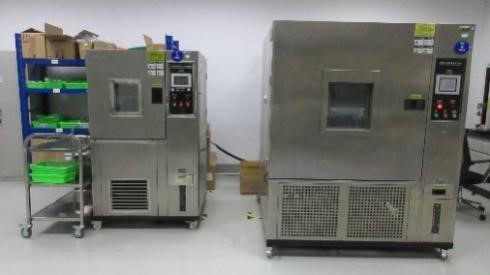
| Validation Methodology | Coordinate Measuring Machine (CMM), Tensile Failure Testing, Vickers Hardness Testing, Surface Roughness Profilometry, Salt Spray Corrosion Assessment |
| Quality Assurance Workforce | 48 Dedicated QC/QA Specialists and Inspectors |
| Manufacturing Operations | Contract OEM, ODM and Custom Manufacturing (Class IIb & Class III) |
| Primary Export Regions | Europe (Germany, Italy, UK), North America, Middle East, Southeast Asia, South America |
| Supply Chain Integration | 1,120 Globally Dispersed Active Supply Chain Partners |
| Product Innovation Volume | 126 New Specialized Implants & Systems Released Annually |
| Compliance Standards | ISO 13485:2016, CE Mark, Class III Product Licenses |
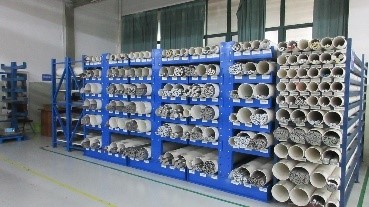
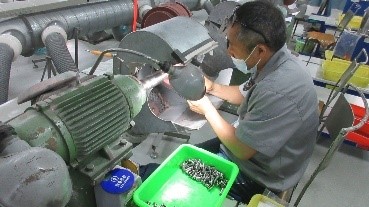
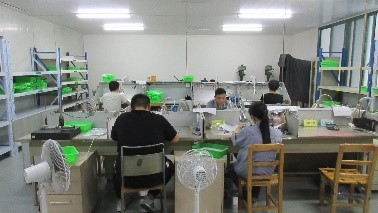
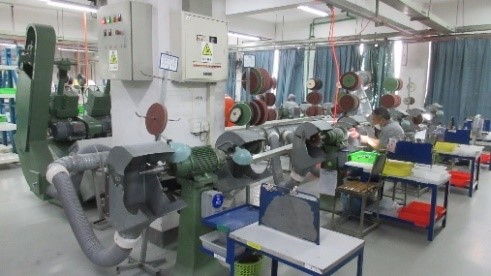
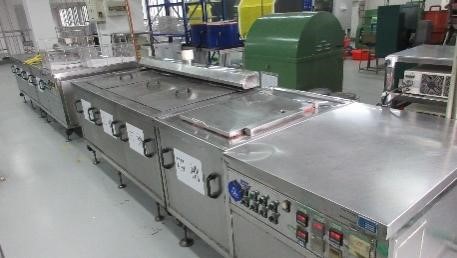
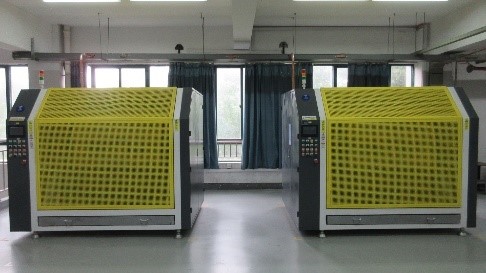
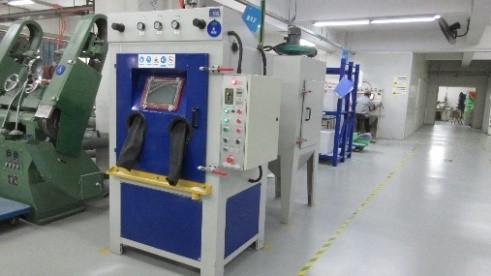
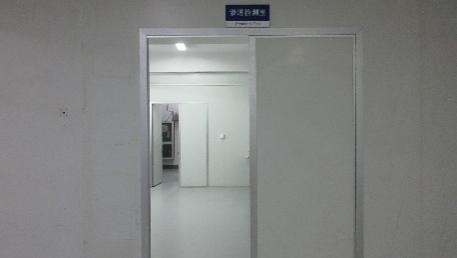
Every implant undergoes an audited 25-stage manufacturing sequence, combining robotic precision with validated chemical and physical testing protocols.
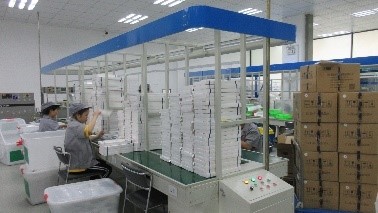
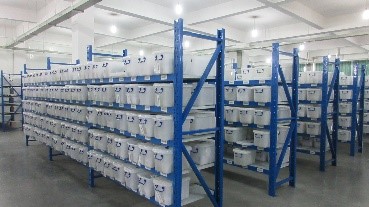
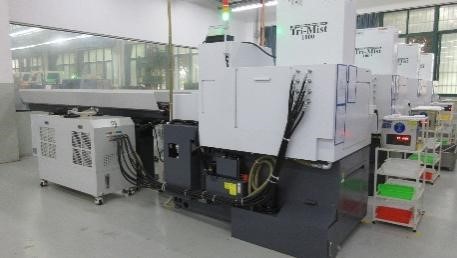
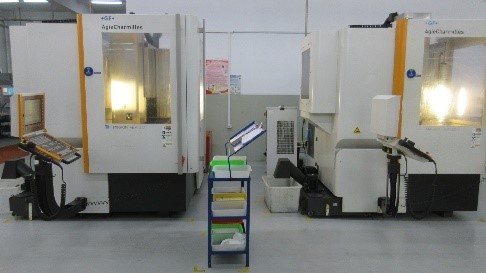
Providing custom OEM pediatric implants globally requires navigating local healthcare guidelines and stringent compliance frameworks. Axiora addresses these needs by integrating localized support engineering with strict regulatory processes. Whether complying with US FDA Humanitarian Device Exemptions (HDE), managing the unique requirements of EU MDR for pediatric devices, or navigating national tender processes, our documentation package guarantees rapid regulatory approval.
Our localized support engineers act as direct technical intermediaries for regional brand owners, managing everything from material certifications (ASTM F136 Titanium, ASTM F2026 PEEK) to precise biomechanical testing profiles. With localized post-market surveillance (PMS) support, we help distributors monitor clinical data and secure long-term product lifecycles within regional hospital systems.
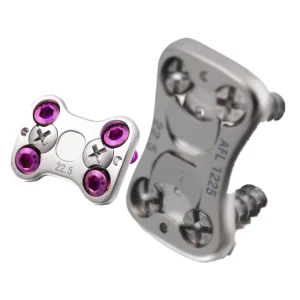
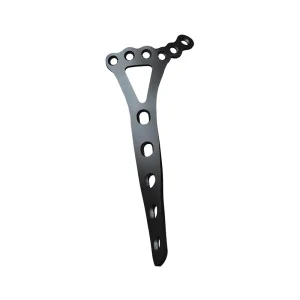
Axiora’s pediatric orthopedic implants are custom-tailored to handle specific clinical scenarios encountered by pediatric surgeons globally:
The pediatric orthopedic market is moving beyond inert mechanical implants to dynamic, bio-responsive solutions. Axiora’s R&D department is actively focused on three core engineering milestones:
Developing customized PLLA/PGA bioabsorbable copolymer screws that maintain their mechanical strength during fracture healing and then slowly resorb into the body, eliminating the need for a secondary implant removal surgery.
Integrating selective laser melting (SLM) to print custom trabecular titanium structures. These customized structures promote natural bone ingrowth and feature a low modulus of elasticity designed to prevent stress-shielding in growing pediatric bone.
Designing magnetic, non-invasively adjustable telescoping rods for long bone lengthening and scoliosis correction. These implants can be extended externally in an outpatient setting using a magnetic controller, avoiding repeated surgical procedures.
Technical answers to key regulatory, metallurgical, and design questions for distributors, medical brand owners, and compliance managers.
High-performance orthopedic implants and specialized surgical instruments engineered for optimal clinical outcomes.