Axiora Medical
Axiora Medical
Axiora Medical
Anterior Lumbar Interbody Fusion (ALIF) has established itself as a premier surgical technique for addressing degenerative disc disease (DDD), spondylolisthesis, and spinal instability. By approaching the spine from the anterior direction, surgeons can access the intervertebral space directly without stripping the posterior musculature or entering the spinal canal. This approach facilitates a larger footprint cage, significantly optimizing sagittal alignment, restoring lordosis, and enhancing primary biomechanical stability.
As the global geriatric population grows and active lifestyles extend well into senior years, the demand for advanced lumbar fusion devices has escalated. Current market insights project the global spinal interbody fusion market to grow steadily, with ALIF holding a critical share. Key clinical benefits including high rate of fusion, immediate restoration of disc height, and compression of bone graft material make ALIF the approach of choice for multi-level reconstructions and high-demand patient profiles.
Additively Manufactured Titanium: Surface engineering and 3D printing of porous titanium structures dominate modern product pipelines, mimicking the elastic modulus of cancellous bone to minimize stress shielding.
PEEK vs. Titanium Hybrids: While PEEK remains favored for radiolucency, hybrid PEEK-Titanium and surface-treated silicon nitride cages are surging in clinical adoption to promote rapid osseointegration.
Custom & Patient-Specific Cages: Utilizing advanced CT data and CAD software to construct patient-specific ALIF cages for complex spinal corrections.
Developing clinical-grade spinal implants requires massive capital expenditure, extensive regulatory navigation, and advanced technical knowledge. For global medical device brands and hospital distributors, collaborating with a dedicated OEM/ODM contract manufacturer is the most viable path to accelerate market entry while controlling production costs.
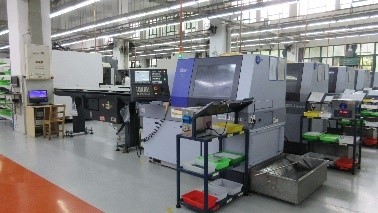
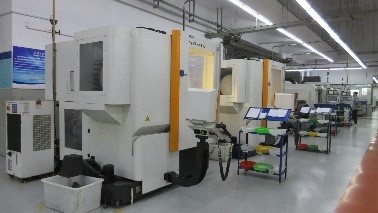
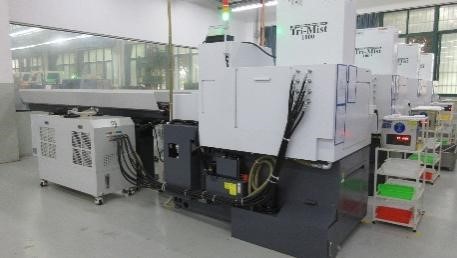
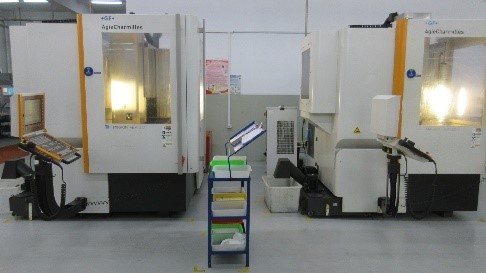
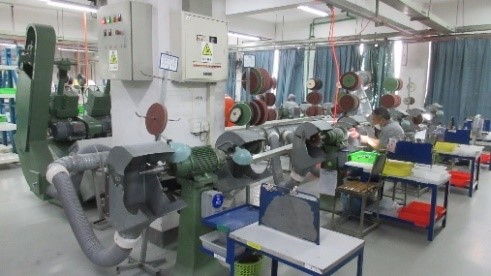
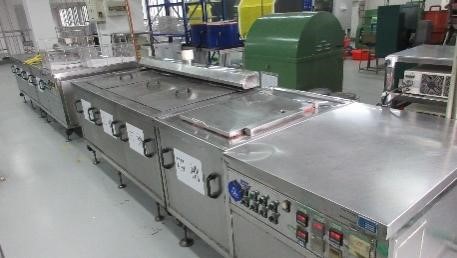
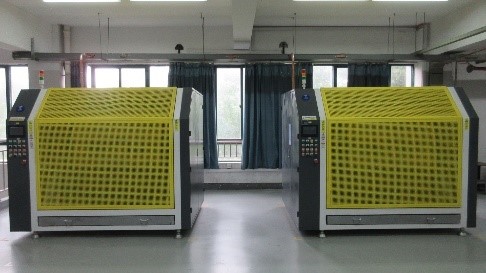
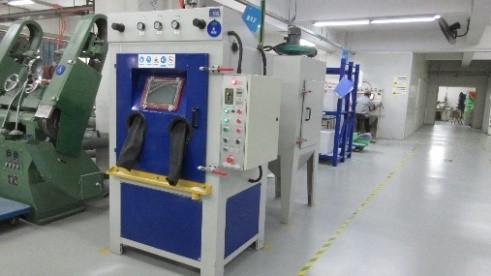
An elite ALIF Fusion Cage factory leverages complex multi-axis CNC machines and automated testing systems to maintain strict dimensional tolerances, often within micrometer ranges. Beyond cutting and milling raw titanium (such as grade 23 Ti-6Al-4V ELI) or PEEK polymers, high-tier factories offer end-to-end solutions: from initial geometric conceptualization and finite element analysis (FEA) to mechanical testing (ASTM F2077, ASTM F2267) and final cleanroom sterile packaging.
Axiora Medical Technology (China) Co., Ltd. is a professional manufacturer specializing in the research, development, production, and global supply of high-quality orthopedic implants and surgical instruments. Our product portfolio covers trauma fixation systems, spinal implants, joint reconstruction solutions, sports medicine products, and related orthopedic surgical instruments.
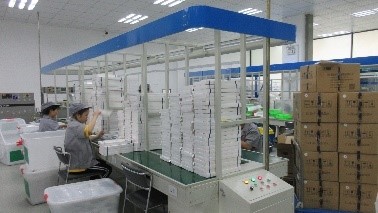
Established with a commitment to innovation and precision manufacturing, Axiora integrates advanced CNC machining, automated production lines, and strict quality management systems to deliver reliable products that meet international standards. Our experienced engineering team continuously develops innovative solutions to support surgeons and healthcare providers worldwide.
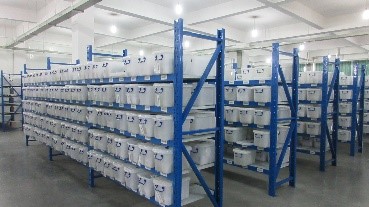
With strong OEM and ODM capabilities, we provide customized manufacturing services according to customers' drawings, samples, and technical requirements. From product design and prototyping to mass production and packaging, our integrated manufacturing process ensures consistent quality, competitive pricing, and on-time delivery. Today, Axiora exports its orthopedic products to customers across Europe, North America, South America, the Middle East, Southeast Asia, and Africa, building long-term partnerships with medical device distributors, brand owners, hospitals, and healthcare organizations around the world.
| Item | Details |
|---|---|
| Company Name | Axiora Medical Technology (China) Co., Ltd. |
| Brand | Axiora |
| Website | www.axioraortho.com |
| Established | 2017 |
| Factory Area | 18,600 m² |
| Annual Export Revenue | USD 26 Million |
| Export Experience | 8 Years |
| Industry Experience | 15 Years |
| Quality Inspection | 100% Finished Product Inspection & Incoming Material Inspection |
| Product Inspection Methods | Coordinate Measuring Machine (CMM), Tensile Testing, Hardness Testing, Surface Roughness Inspection, Salt Spray Testing |
| Quality Control Staff | 48 |
| Business Type | Manufacturer & Exporter (OEM/ODM) |
| Main Markets | Europe, North America, Middle East, Southeast Asia, South America |
| Supply Chain Partners | 1,120 |
| Main Customer Types | Medical Device Brands, Importers, Distributors, Hospitals, Government Procurement Projects |
| R&D Capability | Independent Product Development, Reverse Engineering, OEM & ODM Solutions |
| Customization Options | Logo Printing, Private Label, Custom Packaging, Product Design, Material Selection, Drawing-Based Manufacturing |
| New Products Released Last Year | 126 |
| R&D Engineers | 86 |
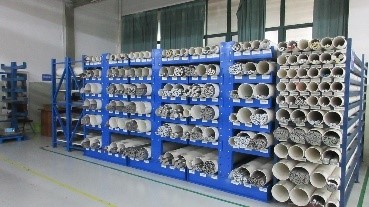
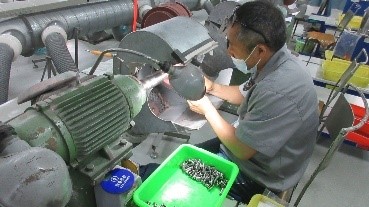
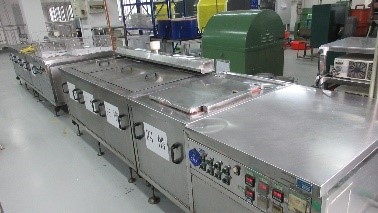
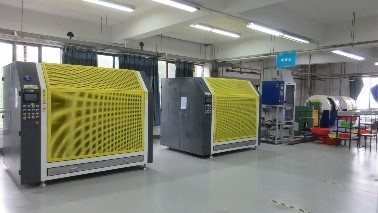
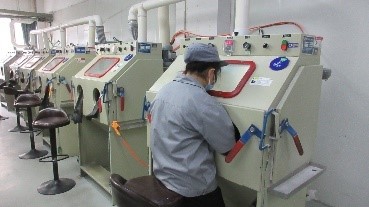
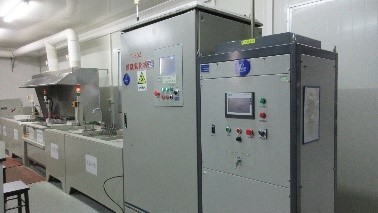
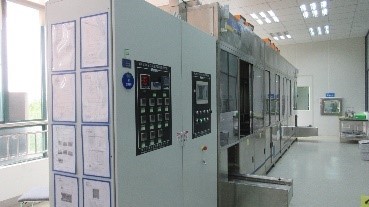
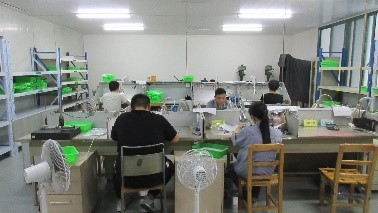
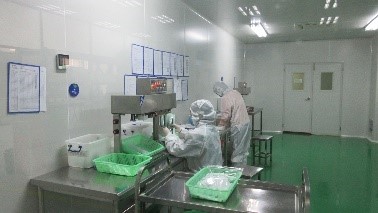
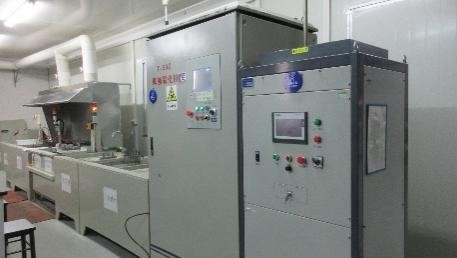
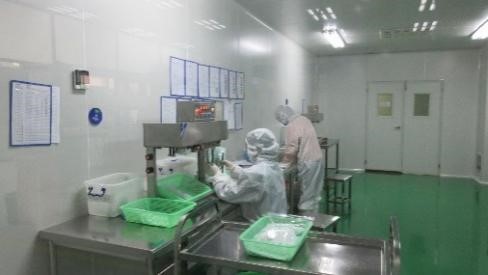
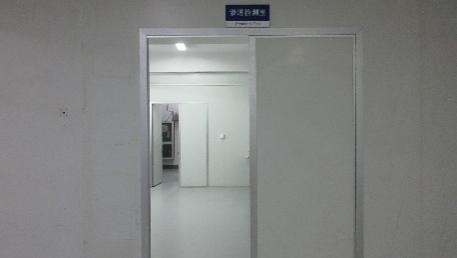
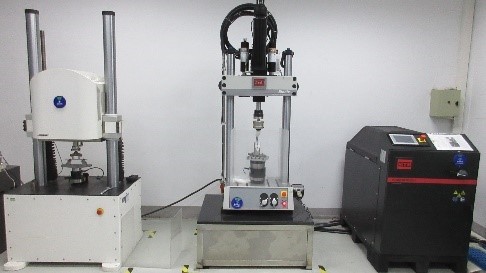
The interface between bone and implant decides the success of lumbar interbody fusion. To support diverse surgeon philosophies and clinical needs, manufacturers must support multiple material portfolios:
1. Medical-Grade PEEK (Polyetheretherketone): PEEK possesses an elastic modulus close to that of human bone, which prevents localized bone resorption caused by stress shielding. Its radiolucent characteristics allow clinicians to monitor the progression of the intra-cage fusion mass through traditional X-ray and CT imaging. However, untreated PEEK is hydrophobic, which has driven developers to integrate surface plasma spraying or titanium coating.
2. 3D-Printed Porous Titanium: Additive manufacturing allows factories to design interconnected cellular structures mimicking trabecular bone (50%–80% porosity, pore sizes from 300 to 600 microns). This porosity promotes rapid capillary action, cell attachment, and subsequent osseointegration, ensuring high long-term mechanical stability.
When designing customized ALIF cages under OEM models, several key physical properties must be defined:
The international distribution of spinal implants requires a deep understanding of regional regulations and local surgical paradigms. In the European Union, the transition to the Medical Device Regulation (MDR 2017/745) demands extensive clinical validation data. In the United States, obtaining FDA 510(k) clearances involves comprehensive biomechanical verification, including static and dynamic axial compression, shear, and subsidence tests.
Axiora supports international partners by providing a complete documentation library. Our engineering team assists with testing protocols, raw material traceability records, and sterility validation documentation. We optimize the custom validation cycle to shorten lead times for global medical device brands and hospital distributors.
Furthermore, our logistics framework supports various delivery models. Whether shipping sterile-packaged implants directly to hospital systems or delivering bulk components to packaging partners, we ensure compliance with ISO 13485 quality standards.