Axiora Medical
Axiora Medical
Axiora Medical
Explore our elite range of CE & ISO certified orthopedic implants and advanced surgical instrumentation systems.
A Comprehensive Clinical & Technical Overview of Volar Locking Plate System Architectures.
Distal radius fractures (DRFs) represent one of the most common skeletal injuries encountered in emergency trauma departments globally, accounting for approximately 18% of all adult fracture presentations. The therapeutic paradigm for unstable, intra-articular, or displaced distal radius fractures has fundamentally shifted from conservative closed reduction and casting towards stable internal fixation. Over the past two decades, Volar Distal Radius Locking Plates have emerged as the absolute gold standard in orthopedic trauma surgery.
Unlike conventional non-locking plates, which rely heavily on plate-to-bone friction to maintain structural reduction, locking compression plates act as internal fixators. By mechanically locking the screw head into the plate's threaded hole, the system achieves angular stability. This prevents secondary loss of reduction, minimizes periosteal compression, and preserves the vital vascular supply necessary for rapid bone union.
The distal radius is subject to complex multi-planar forces during active loading. In comminuted or osteoporotic fractures, the bone lacks the intrinsic stability to resist these physiological loads. Crucial biomechanical considerations include:
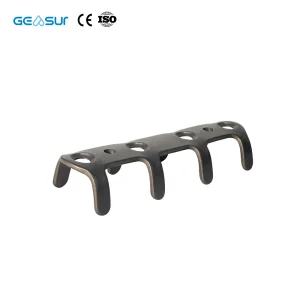
To address these biomechanical requirements, Axiora Medical Technology (China) Co., Ltd. designs distal radius systems featuring anatomical matching, low-profile construct edges, and high-strength titanium alloys. This provides global healthcare systems with high-reliability trauma implants engineered for immediate post-operative rehabilitation.
Learn about Axiora Medical Technology (China) Co., Ltd.—A global manufacturing powerhouse.
Axiora Medical Technology (China) Co., Ltd. is a professional manufacturer specializing in the research, development, production, and global supply of high-quality orthopedic implants and surgical instruments. Our product portfolio covers trauma fixation systems, spinal implants, joint reconstruction solutions, sports medicine products, and related orthopedic surgical instruments.
Established with a commitment to innovation and precision manufacturing, Axiora integrates advanced CNC machining, automated production lines, and strict quality management systems to deliver reliable products that meet international standards. Our experienced engineering team continuously develops innovative solutions to support surgeons and healthcare providers worldwide.
With strong OEM and ODM capabilities, we provide customized manufacturing services according to customers' drawings, samples, and technical requirements. From product design and prototyping to mass production and packaging, our integrated manufacturing process ensures consistent quality, competitive pricing, and on-time delivery. Today, Axiora exports its orthopedic products to customers across Europe, North America, South America, the Middle East, Southeast Asia, and Africa, building long-term partnerships with medical device distributors, brand owners, hospitals, and healthcare organizations around the world.
| Strategic & Operational Metrics | Enterprise Capability details |
|---|---|
| Company Name | Axiora Medical Technology (China) Co., Ltd. |
| Brand | Axiora |
| Website | www.axioraortho.com |
| Established | 2017 |
| Factory Area | 18,600 m² |
| Annual Export Revenue | USD 26 Million |
| Export Experience | 8 Years |
| Industry Experience | 15 Years |
| Quality Inspection | 100% Finished Product Inspection & Incoming Material Inspection |
| Product Inspection Methods | Coordinate Measuring Machine (CMM), Tensile Testing, Hardness Testing, Surface Roughness Inspection, Salt Spray Testing |
| Quality Control Staff | 48 Quality Control Professionals |
| Business Type | Manufacturer & Exporter (OEM/ODM Custom Solutions) |
| Main Markets | Europe, North America, Middle East, Southeast Asia, South America |
| Supply Chain Partners | 1,120 Globally Connected Partners |
| Main Customer Types | Medical Device Brands, Importers, Distributors, Hospitals, Government Procurement Projects |
| R&D Capability | Independent Product Development, Reverse Engineering, OEM & ODM Solutions |
| Customization Options | Logo Printing, Private Label, Custom Packaging, Product Design, Material Selection, Drawing-Based Manufacturing |
| New Products Released Last Year | 126 Products Added to Portfolio |
| R&D Engineers | 86 Senior Bio-Mechanical Engineers |
Visual breakdown of our 18,600 m² state-of-the-art facility operations from raw material testing to sterile packaging.
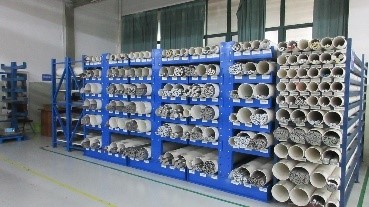
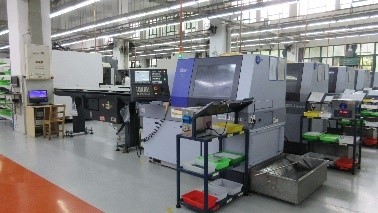
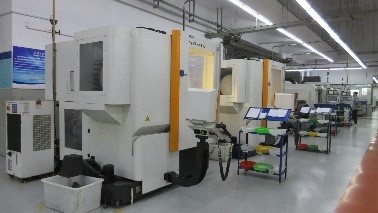
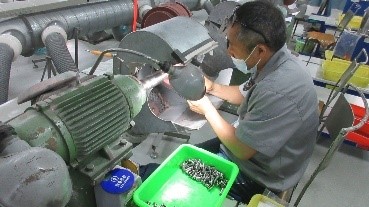
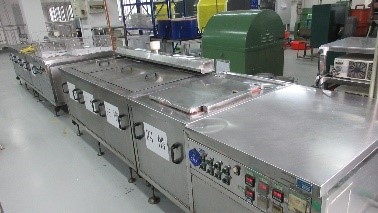
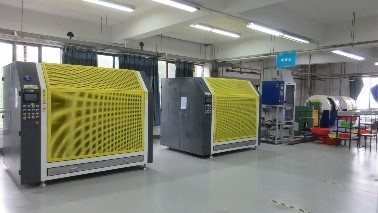
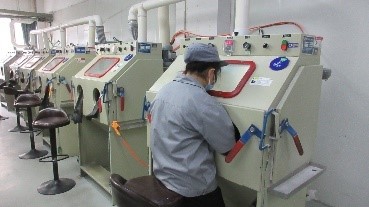
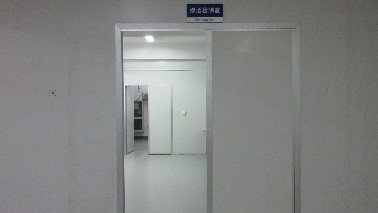
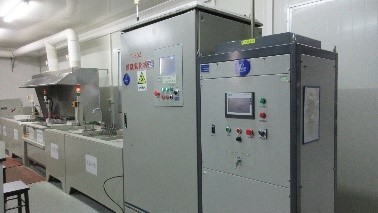
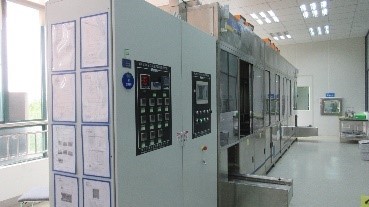
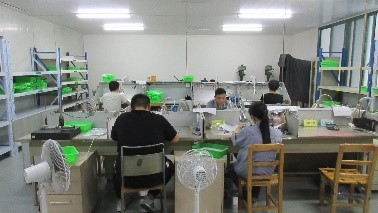
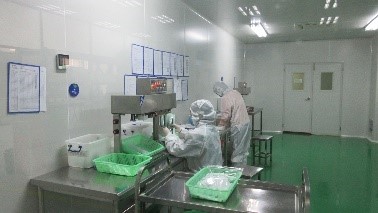
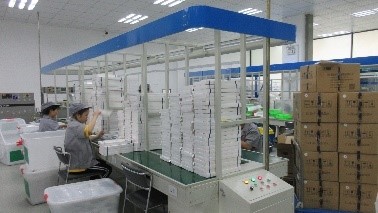
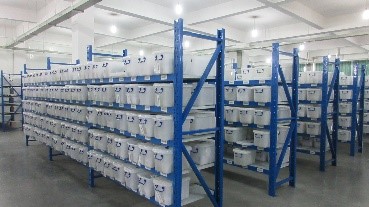
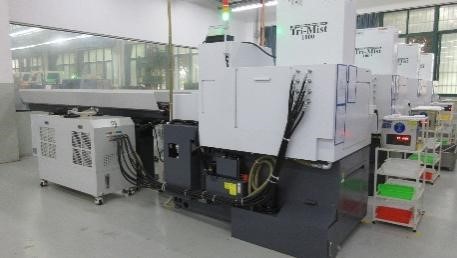
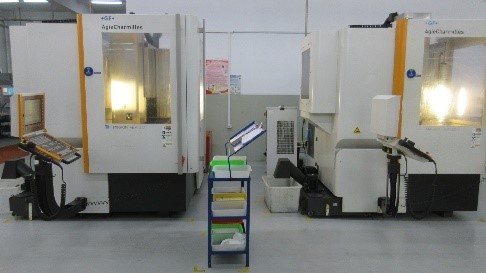
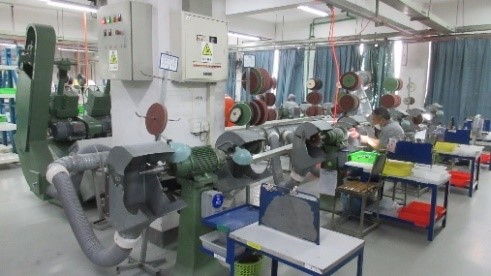
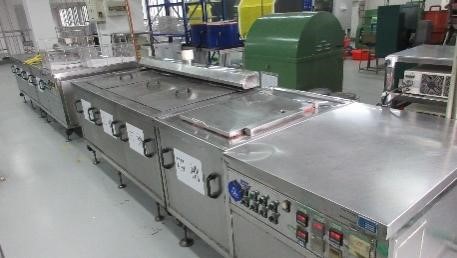
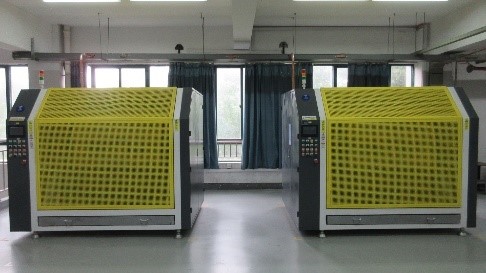
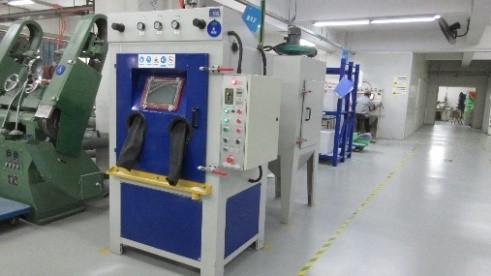
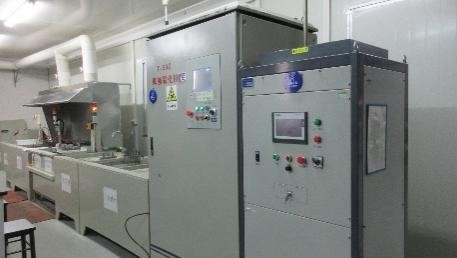
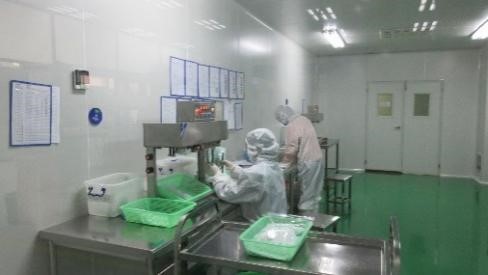
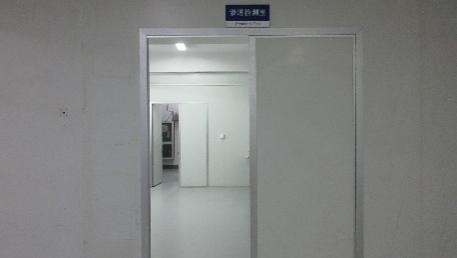
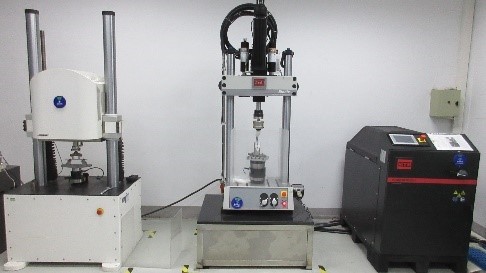
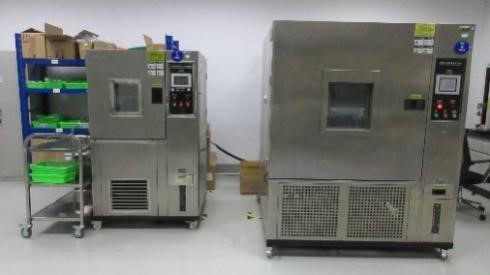
Orthopedic implants fall into the highest regulatory risk categories worldwide, including Class III (FDA 510k) in the United States and Class IIb/III (EU MDR 2017/745) in the European Union. Global sourcing managers and distributors must navigate stringent international standards to ensure that raw material sourcing, chemical composition, biocompatibility testing, and mechanical validation meet target-market requirements.
Axiora operates a validated quality management system certified to ISO 13485. This certification covers the entire life cycle of our distal radius plates, from development to post-market surveillance. Key regulatory workflows include:
To prevent in-vivo fatigue failures, our distal radius locking plates undergo mechanical verification testing. Dynamic fatiguing tests are performed according to ASTM F382 (Standard Test Method for Metallic Bone Plates). Tests simulate 1 million cycles of physiological force to map fatigue limits, deformation resistance, and structural life expectancies. The screw-plate interface is tested for torsional resistance, ensuring the locking threads will not strip during insertion or cold-weld during healing.
As a leading medical manufacturer, Axiora offers tailored OEM and ODM services to global brands, distributors, and governmental hospital purchasing networks. We turn conceptual engineering drawings into surgical-grade finished products through our integrated development process:
Our 86 R&D engineers review 2D/3D CAD drawings (STEP/IGES) or physical samples. We optimize geometries to ensure clinical performance and clean CNC toolpaths.
Components are milled from medical titanium bars using high-precision Swiss-type CNC lathes, achieving tight tolerances within ±0.005mm.
Parts undergo proprietary chemical deburring, anodizing (Type II or Type III color anodization), and acid passivation to form a corrosion-resistant layer.
Implants are washed in ultrasonic water systems and sealed in Tyvek pouches in our Class 10,000 (ISO Class 7) aseptic packaging cleanroom, ready for sterilization.
Healthcare systems vary by region in their economic demands and preferred clinical protocols. In high-income markets like North America and Western Europe, surgeons prioritize ultra-low-profile constructs and variable-angle polyaxial locking technology. These allow screws to be directed away from articular fragments or joint spaces, supporting early patient mobility.
In contrast, emerging economies often prioritize standardized constructs that offer reliable clinical outcomes at a sustainable price. Our dual-line system meets both demands, providing standardized fixed-angle locking systems alongside variable-angle volar locking plates.
The orthopedic implant industry continues to evolve, driven by advancements in digital medicine, additive manufacturing, and surface engineering. Axiora's engineering pipeline focuses on three key technical areas:
Key technical and commercial answers for orthopedic distributors, project tender leads, and hospital buyers.
Discover our wider range of orthopedic trauma, spine, joint reconstruction, and surgical instrumentation lines.