Axiora Medical
Axiora Medical
Axiora Medical
Explore our CE and ISO-certified implants manufactured under strict cleanroom conditions for global clinical distribution.
Understanding the stress-shielding properties, anatomical contours, and locking screw trajectories required for osteoporotic bone fixation.
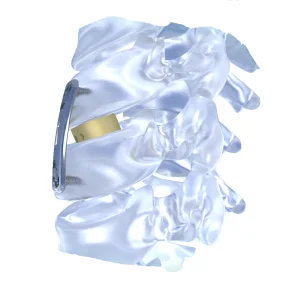
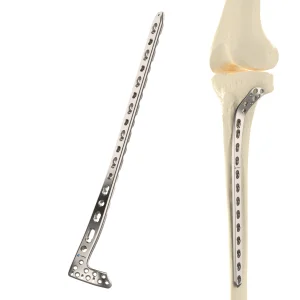
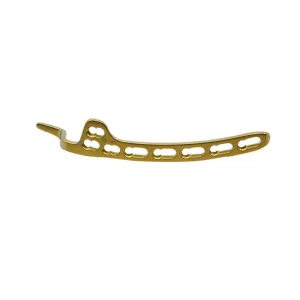
Proximal humeral fractures remain one of the most common osteoporotic fractures in elderly populations, representing approximately 6% of all adult fractures globally. Fixation of these complex fractures—particularly Neer Class 3-part and 4-part fractures—poses significant clinical challenges due to poor bone mineral density and the multi-directional muscular forces exerted by the rotator cuff (supraspinatus, infraspinatus, and teres minor tendons). Historically, conservative treatments and early non-locking plates suffered from high rates of failure, screw pull-out, and secondary varus displacement of the humeral head. Modern clinical success relies heavily on anatomically pre-contoured locking plates, specifically engineered to provide absolute stability and preserve vascular supply to the humeral head.
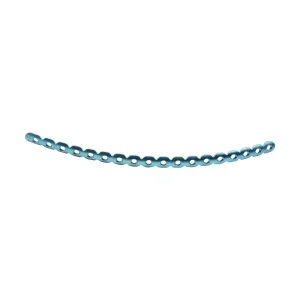
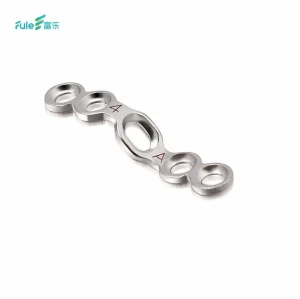
Our OEM/ODM proximal humeral plates are manufactured using medical-grade titanium alloys (Ti-6Al-4V ELI conforming to ASTM F136 or ISO 5832-3). Titanium is chosen for its superior biocompatibility, low modulus of elasticity (which reduces stress shielding compared to stainless steel), and exceptional fatigue life. The mechanical design of the plate integrates polyaxial locking mechanisms. This permits the surgeon to angle locking screws to match the patient’s specific bone anatomy while creating a rigid construct. The locked screw functions as an internal-external fixator, transferring load across the fracture gap without requiring the plate to be compressed tightly against the periosteum. This dynamic preserves the crucial collateral vascularization, minimizing the incidence of avascular necrosis (AVN).
From a biomechanical standpoint, the proximal portion of our plates features divergent locking screw configurations. This creates a scaffolding grid inside the cancellous bone of the humeral head, distributing forces evenly and reducing the risk of articular screw penetration or cut-out under cyclic physiological loads. Furthermore, specialized suture holes are engineered along the perimeter of the proximal plate head, allowing surgeons to pull and secure tendon fragments directly to the plate construct. This facilitates joint reconstruction and accelerates post-operative rehabilitation pathways.
A trusted medical device partner delivering precision orthopedic trauma systems and surgical instruments globally.
Axiora Medical Technology (China) Co., Ltd. is a professional manufacturer specializing in the research, development, production, and global supply of high-quality orthopedic implants and surgical instruments. Our product portfolio covers trauma fixation systems, spinal implants, joint reconstruction solutions, sports medicine products, and related orthopedic surgical instruments.
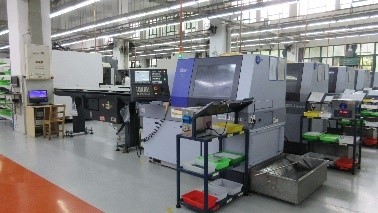
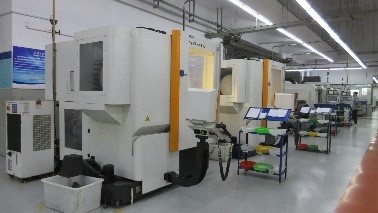
Established with a commitment to innovation and precision manufacturing, Axiora integrates advanced CNC machining, automated production lines, and strict quality management systems to deliver reliable products that meet international standards. Our experienced engineering team continuously develops innovative solutions to support surgeons and healthcare providers worldwide.
With strong OEM and ODM capabilities, we provide customized manufacturing services according to customers' drawings, samples, and technical requirements. From product design and prototyping to mass production and packaging, our integrated manufacturing process ensures consistent quality, competitive pricing, and on-time delivery. Today, Axiora exports its orthopedic products to customers across Europe, North America, South America, the Middle East, Southeast Asia, and Africa, building long-term partnerships with medical device distributors, brand owners, hospitals, and healthcare organizations around the world.
| Item | Details |
|---|---|
| Company Name | Axiora Medical Technology (China) Co., Ltd. |
| Brand | Axiora |
| Website | www.axioraortho.com |
| Established | 2017 |
| Factory Area | 18,600 m² |
| Annual Export Revenue | USD 26 Million |
| Export Experience | 8 Years |
| Industry Experience | 15 Years |
| Quality Inspection | 100% Finished Product Inspection & Incoming Material Inspection |
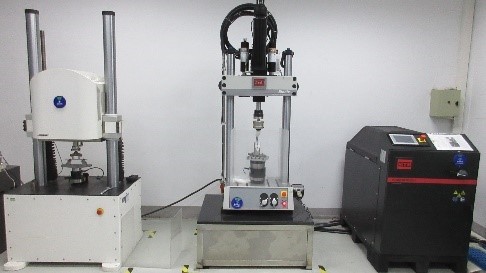
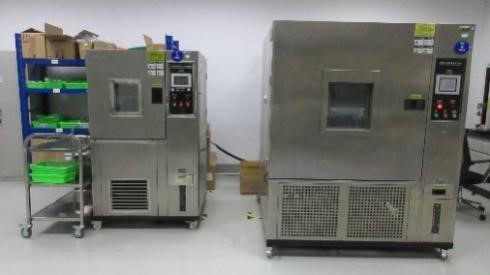
| Product Inspection Methods | Coordinate Measuring Machine (CMM), Tensile Testing, Hardness Testing, Surface Roughness Inspection, Salt Spray Testing |
| Quality Control Staff | 48 |
| Business Type | Manufacturer & Exporter (OEM/ODM) |
| Main Markets | Europe, North America, Middle East, Southeast Asia, South America |
| Supply Chain Partners | 1,120 |
| Main Customer Types | Medical Device Brands, Importers, Distributors, Hospitals, Government Procurement Projects |
| R&D Capability | Independent Product Development, Reverse Engineering, OEM & ODM Solutions |
| Customization Options | Logo Printing, Private Label, Custom Packaging, Product Design, Material Selection, Drawing-Based Manufacturing |
| New Products Released Last Year | 126 |
| R&D Engineers | 86 |
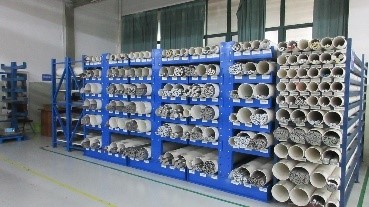
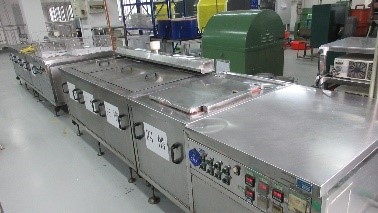
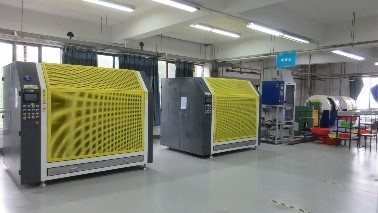
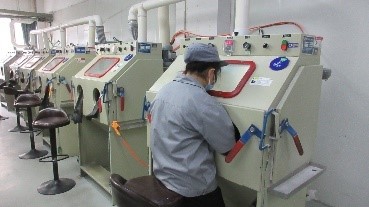
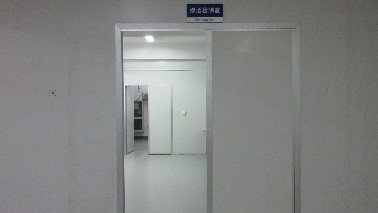
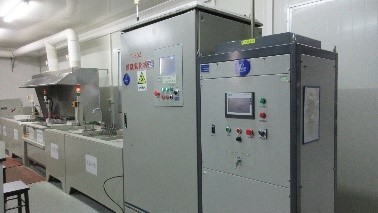
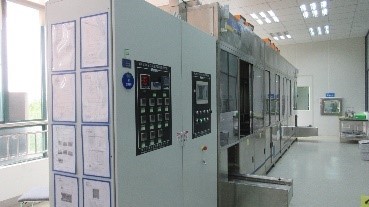
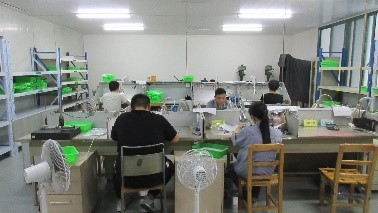
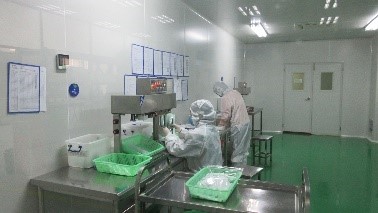
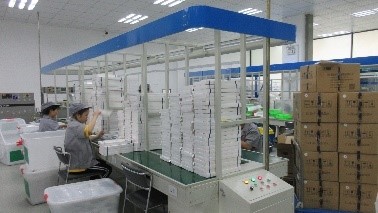
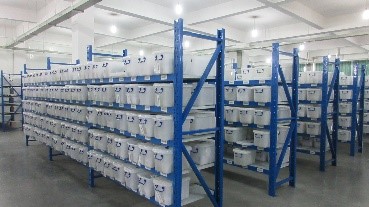
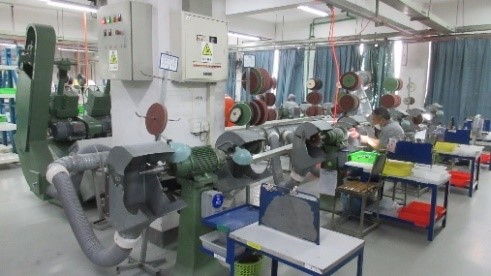
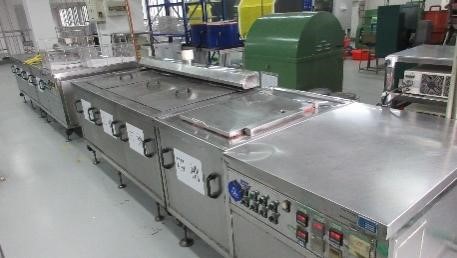
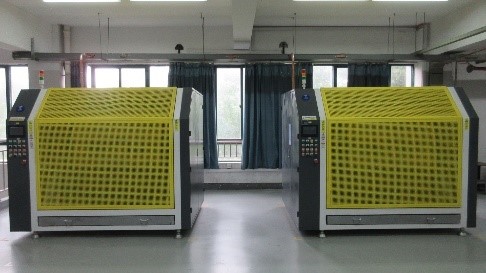
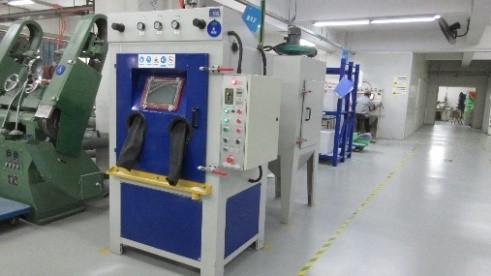
Step-by-step production flow from certified medical-grade raw materials to sterile-packaged orthopedic implants.
Adaptation of proximal humeral plating systems to diverse patient cohorts and surgical workflows.
In highly aged demographics (such as Europe and East Asia), the bone mineral density of the humeral head is severely compromised. Our plates leverage subchondral bone screw configurations that act as a mechanical support block, reducing risk of secondary displacement.
In developing markets experiencing rapid industrial expansion, high-energy trauma from road accidents and heavy labor remains prevalent. Multi-fragmented complex fractures require long, high-strength dynamic locking plates to guarantee stabilization during extensive tissue healing.
In modern hospital environments aiming for fast-track recovery, surgeons utilize Minimally Invasive Plate Osteosynthesis (MIPO). The distal end of our proximal humeral plates features a bullet-shaped taper, enabling smooth subcutaneous insertion without disrupting regional blood vessels.
Pioneering the transition from rigid titanium fixation to smart, bio-inductive, and carbon-reinforced composite implants.
As a leading orthopedic research and development partner, Axiora maintains a progressive technological roadmap focused on improving long-term clinical outcomes. The evolution of fracture fixation is transitioning from traditional passive macro-stability to biologically active, patient-specific solutions. Our key R&D fields over the next five years include:
Leveraging localized material ecosystems, rapid industrial scaling, and advanced logistics hubs.
Axiora coordinates directly with tier-1 Chinese titanium smelting refineries, locking down raw material costs. This insulating strategy shields our global OEM partners from market fluctuations, guaranteeing stable pricing structures.
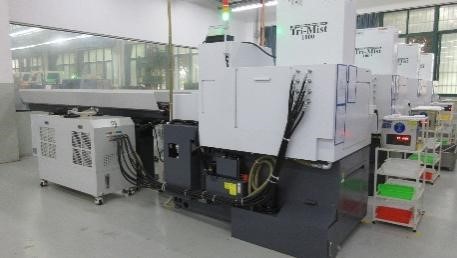
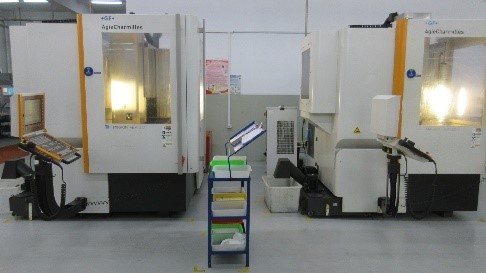
With an array of multi-spindle Citizen longitudinal lathes and 5-axis CNC machining complexes running continuously, we scale manufacturing capacity on-demand, handling large procurement tenders easily.
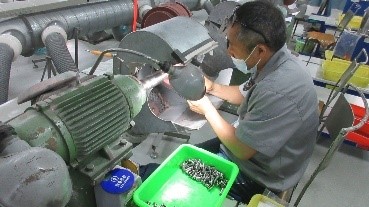
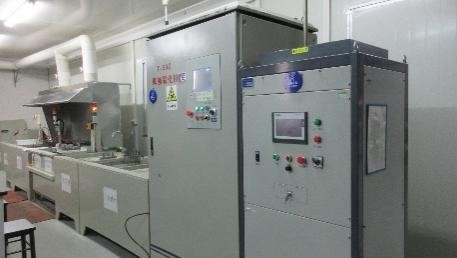
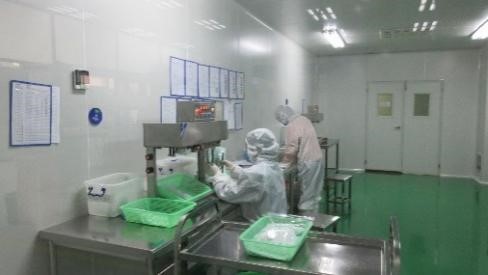
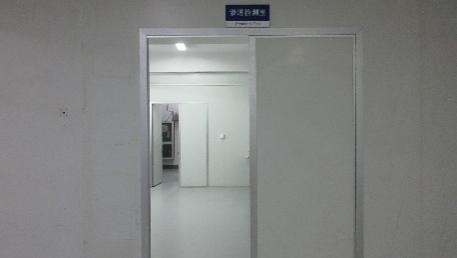
From rough material cutting to CNC milling, electrochemical anodization surface treatments, cleaning validation, and aseptic cleanroom packaging, every production phase is executed inside our integrated facility.
Navigating complex global medical regulatory frameworks with trace-registered product lines.
The global orthopedic trauma market continues to shift from high-margin localized brands to cost-efficient, contract-manufactured systems. Healthcare networks in North America, the European Union, and South America face significant budget constraints, driving distributors to seek direct-from-manufacturer partnerships. At Axiora, we enable major medical device brand owners to optimize their capital expenditures through custom private-label programs.
Regulatory compliance is the cornerstone of our global supply chain. To ensure seamless distribution, our facility is certified under ISO 13485 (Medical Devices - Quality Management Systems). We routinely assist clients in compiling technical documentation for FDA 510(k) clearances, CE MDR registration, and regional regulatory approvals (such as ANVISA in Brazil or SFDA in Saudi Arabia). Full material traceability is maintained for every single implant batch through laser-marked Unique Device Identifier (UDI) tracking codes, ensuring patient safety and post-market tracking accountability.
Get direct answers regarding material grades, customization limits, and quality verification standards.
Integrate your supply needs with our extensive trauma, spinal, and instrument product catalog.