Axiora Medical
Axiora Medical
Axiora Medical
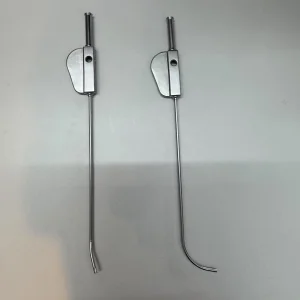
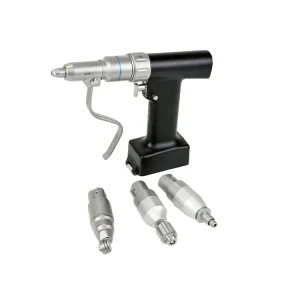
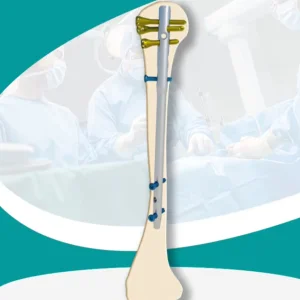
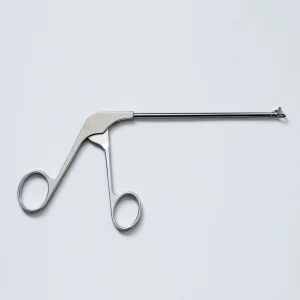
Explore our precision manufacturing capabilities through these flagship orthopedic and sports medicine instruments, developed under strict quality standards for immediate export.
Total Knee Arthroplasty (TKA) remains the gold standard treatment for end-stage osteoarthritis, severe rheumatoid arthritis, and complex post-traumatic joint degeneration. As global life expectancy rises alongside the demand for active lifestyles, the requirement for high-performance joint prosthetics has intensified. Globally, orthopedic surgeons and implant distributors demand solutions that minimize mechanical wear, prevent osteolysis, and offer superior anatomical kinematics.
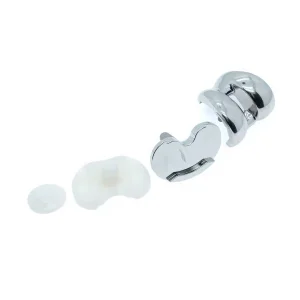
Modern knee reconstruction systems demand multi-disciplinary materials engineering. As a premier OEM/ODM Total Knee Implants Manufacturer & Exporter, our research focuses heavily on the tribological interaction between the femoral component—typically fabricated from highly polished Cobalt-Chromium-Molybdenum (CoCrMo) alloy—and the tibial insert, constructed from ultra-high-molecular-weight polyethylene (UHMWPE) or highly cross-linked polyethylene (XLPE) enriched with Vitamin E. The goal of this configuration is to lower the annual wear rates to well below 0.1 mm, preventing inflammatory osteolysis caused by sub-micron wear debris, which is the leading cause of aseptic loosening in primary joint arthroplasty.
Traditional cobalt-chrome components remain essential, but patients with metallic hypersensitivities (such as nickel, cobalt, or chromium allergies) require advanced biocompatible alternatives. Our engineering roadmap includes the introduction of Zirconium-based ceramic coatings and specialized Titanium Niobium Nitride (TiNbN) physical vapor deposition (PVD) barrier treatments. These advanced coatings minimize ion release while offering exceptional hardness and scratch resistance, ensuring the structural integrity of the articulating surfaces over decades of cyclic loading.
Cemented arthroplasty remains common, but cementless press-fit fixation represents a major technological shift. By leveraging 3D-printed trabecular metal structures on the bone-facing interfaces of both femoral and tibial trays, we stimulate direct biological osseointegration. This bone-ingrowth interface utilizes highly porous titanium structures that mimic human cancellous bone modulus of elasticity, mitigating the effects of stress shielding and promoting long-term biological anchorage.
Axiora Medical Technology (China) Co., Ltd. is a modern developer and high-precision manufacturer of state-of-the-art orthopedic implants, surgical power tools, and sports medicine repair solutions.
Established to deliver high-quality implantable solutions, Axiora's facilities feature cutting-edge multi-axis CNC milling centers, cleanroom packaging operations, and sophisticated quality control testing systems. With a modern 18,600 m² production base and over 15 years of industry experience, we offer robust contract manufacturing (OEM/ODM) to support global medical brands, healthcare networks, and distribution partners.
| Item Parameter | Axiora Technical & Operational Capability Details |
|---|---|
| Company Name | Axiora Medical Technology (China) Co., Ltd. |
| Brand & Identity | Axiora (Official Digital Portal: www.axioraortho.com) |
| Established Year | 2017 (Engineers bring 15+ years of orthopedic manufacturing heritage) |
| Manufacturing Infrastructure | 18,600 m² Class-10,000 Cleanroom & Machining Facilities |
| R&D Organization | 86 Full-time Engineers specializing in Biomaterials, Biomechanics, and Rapid Prototyping |
| New Innovations (Last Year) | 126 new implants, surgical instruments, and veterinary tools released |
| Quality Inspection & Staff | 48 Quality Specialists executing 100% Finished Product & Raw Material Inspection |
| Testing Instrumentation | Coordinate Measuring Machines (CMM), Tensile/Fatigue Testing, Hardness Testing, Surface Roughness Inspection, Salt Spray Chambers |
| Global Footprint | Exporting to Europe, North America, South America, the Middle East, and Southeast Asia |
| Customization Capabilities | Logo Etching, Private Labeling, Sterile Blister Packaging, Custom PEEK/UHMWPE/Titanium machining, Reverse Engineering from STL/CAD drawings |
Take an inside look at our modern manufacturing environment. Each stage, from raw titanium and cobalt-chrome selection to class-100 aseptic packaging, is carefully documented and tracked to guarantee compliance and safety.
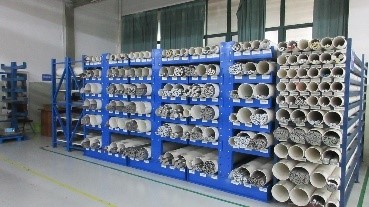
Traceable medical titanium alloys & ultra-high purity Cobalt-Chromium-Molybdenum stock.
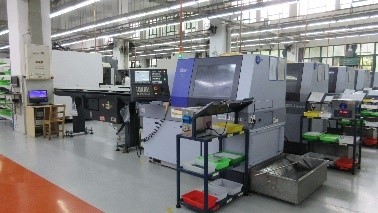
High-speed material prep using automated saws to produce implant blanks.
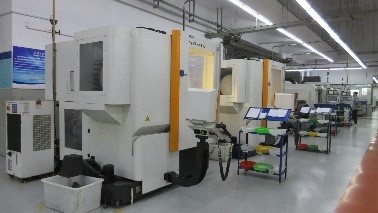
Multi-axis CNC milling machines carving anatomical geometries with precision tolerances.
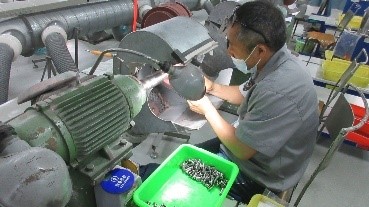
Achieving mirror-like surface roughness (Ra < 0.05um) for articulating components.
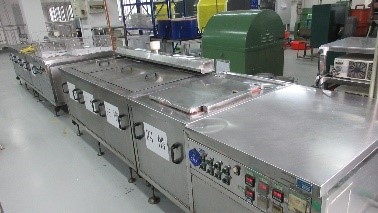
Removal of industrial cutting oils, grease, and particulate matter using pure water.
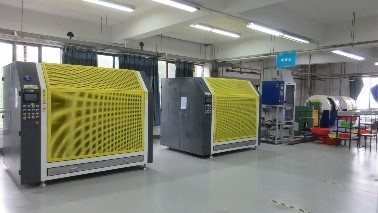
Refining the mechanical tolerances and geometry of implant interface areas.
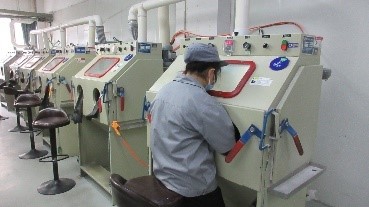
Creating high-friction textured surfaces to improve early bone-cement adhesion.
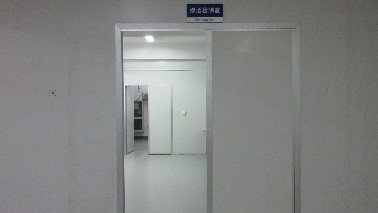
Non-destructive inspection to detect surface micro-fractures or structural defects.
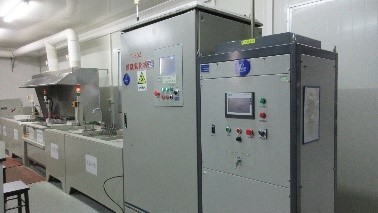
Enhancing oxide layers for color-coding and superior corrosion resistance.
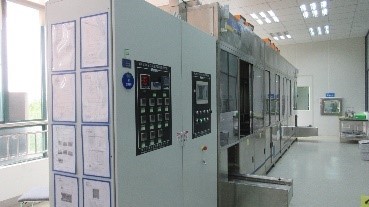
Precision cleaning cycle to remove contaminants prior to cleanroom entry.
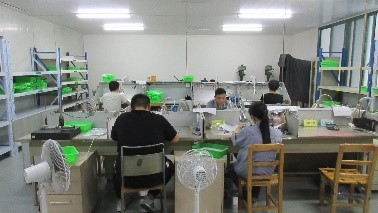
Comprehensive dimensional and visual audits of every batch by QC specialists.
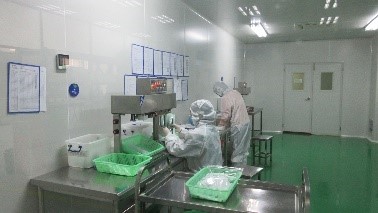
Class-10,000 cleanroom designed for sterile-barrier pouch sealing.
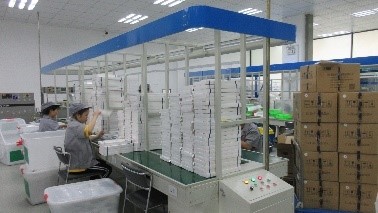
Protective double packaging under sterile cleanroom flow systems.
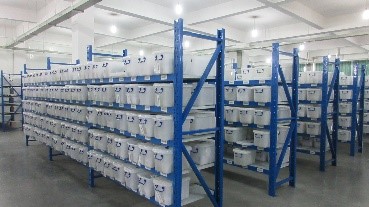
Carefully managed inventory tracking for immediate shipping and distribution.
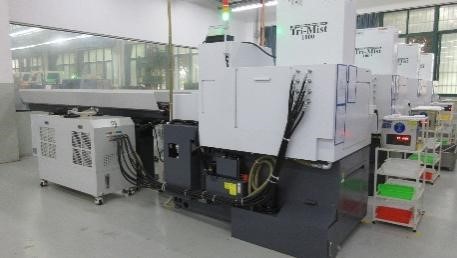
High-speed turning of complex orthopedic locking screws and pins.
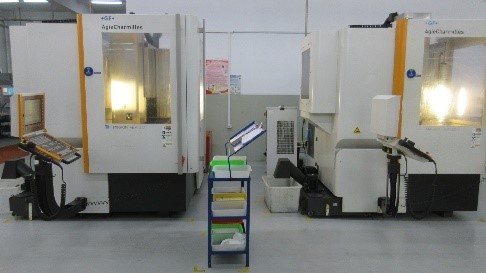
Advanced automated machining center for high-volume implant manufacturing.
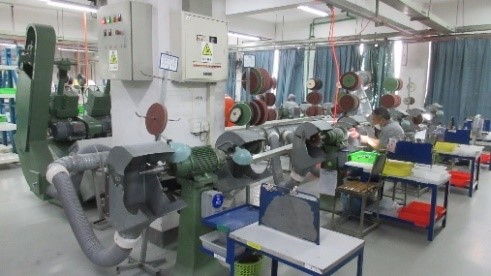
Precision mechanical processes ensuring highly smooth metal surfaces.
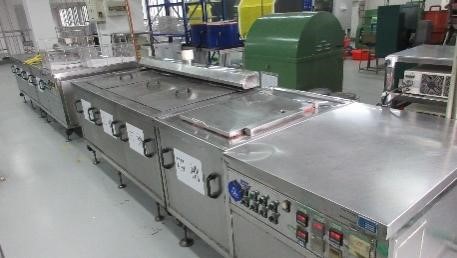
Integrated degreasing and multi-bath demineralized water cleaning cycles.
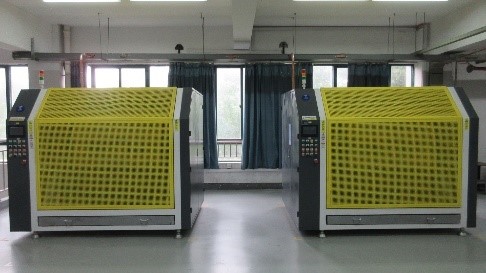
Precision material removal for accurate mating of component assemblies.
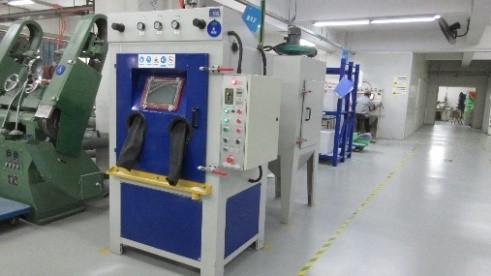
Adjustable micro-blasting to achieve precise rough surfaces for better bone bonding.
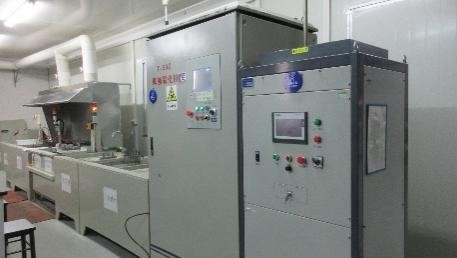
Process lines for generating biological oxide barriers on metal components.
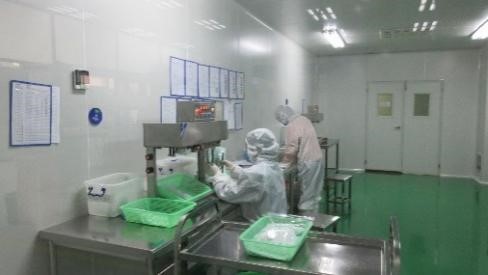
Controlled ISO-7 environment for primary packaging operations.
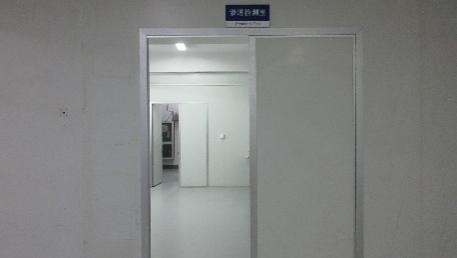
Dye penetrant validation to ensure zero micro-defects in cast or machined parts.
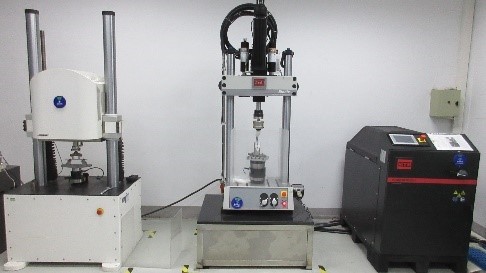
Simulates millions of cycles under load to ensure structural durability.
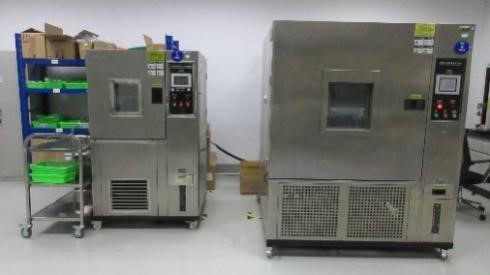
Accelerated aging chambers to validate the long-term shelf-life of packaging and materials.
Managing orthopedic procurement requires balancing quality control with cost-efficiency. Sourcing from our manufacturing hubs in China provides key benefits for global distributors and medical device brands:
By working directly with certified local refiners of implant-grade Ti-6Al-4V ELI (ASTM F136) and medical stainless steels, we protect our production against global supply chain disruptions. This raw material security stabilizes manufacturing costs and prevents unexpected delays, ensuring consistent delivery schedules.
Our team of 86 design engineers utilizes advanced CAD/CAM software integrated with on-site multi-axis tooling. This setup allows us to take a custom implant design from a drawing to a physical, anodized sample in days rather than months, shortening your time-to-market.
Every step of the process—including initial CNC roughing, final polishing, non-destructive penetrant testing, ultrasonic cleaning, and cleanroom sterile packaging—occurs within our controlled facility. This centralization simplifies oversight, reduces transit risks, and provides clear trace-ability for every batch.
Located near major ocean cargo gateways and international airports, we provide flexible shipping options. Whether managing bulk containers for national tenders or consolidated air shipments for regional distributors, our experienced export division ensures efficient customs clearance and delivery.
Implants and orthopedic systems must perform reliably across different clinical environments. Our products are engineered to support a variety of surgical settings and specialized use cases:
Ambulatory Surgical Centers (ASCs) place a premium on efficient, predictable workflows. Our customizable implant kits and single-use instrumentation trays streamline sterilization routines, reducing processing costs and helping ASCs maintain quick room turnover.
For complex, primary joint cases and revisions, surgeons require versatile options. Our modular solutions provide a wide selection of tibial thicknesses and offset femoral designs, allowing surgeons to make precise intra-operative adjustments for diverse patient anatomies.
Large-breed canine joint disease requires highly specialized veterinary solutions. We adapt our human joint arthroplasty techniques and materials to produce scaled, biomechanically correct joint prosthetics, bone drills, and osteotomes tailored for veterinary referral centers.
Navigating the complex regulatory landscape of international medical devices is a core strength of Axiora. We assist our distribution partners in securing the necessary national approvals to ensure smooth import and sales processes. Our regulatory affairs department compiles and updates comprehensive technical files to support local registrations.
We provide registered distributors with access to material certificates, mechanical test data, and sterile barrier validation reports.
Access Partner PortalReview answers to common questions about biomaterials, manufacturing capabilities, quality controls, and order requirements.
Our femoral components are machined from cast or forged Cobalt-Chromium-Molybdenum (CoCrMo) alloy in accordance with ASTM F75 or ASTM F1537 standards. Tibial trays are made from Ti-6Al-4V ELI titanium alloy (ASTM F136), which offers excellent osseointegration properties. The articulating plastic inserts utilize Ultra-High-Molecular-Weight Polyethylene (UHMWPE) conforming to ASTM F648, with options for highly cross-linked (XLPE) configurations to optimize wear performance.
Yes. Our ODM services specialize in translating customer designs into implantable products. We accept files in formats like STEP, IGES, or SolidWorks, and our engineers conduct a thorough Design for Manufacturability (DFM) review. We then manage the process through multi-axis CNC programming, prototype generation, and mechanical testing validation.
We supply products in both sterile-packaged and non-sterile configurations. Our sterile-packaged implants undergo validation using Gamma Irradiation (ISO 11137) or Ethylene Oxide (ETO) sterilization (ISO 11135), targetting a Sterility Assurance Level (SAL) of 10^-6. Packaged implants are enclosed in dual-layer medical Tyvek pouches within our Class 10,000 cleanroom.
Standard lead times range from 45 to 60 days from drawing confirmation and deposit receipt, depending on the design's complexity. We maintain raw material inventories of titanium and cobalt-chrome to keep production schedules predictable and help distributors manage stock requirements.
Every shipment includes a comprehensive Certificate of Conformity (CoC) and quality documentation. This pack includes raw material chemical analysis reports, heat treatment logs, dimensional inspection reports from our coordinate measuring machines (CMM), surface roughness charts, and sterile batch release certificates.
We provide regulatory support by supplying technical dossiers formatted for local requirements. This includes clean test summaries, biocompatibility reports (ISO 10993), clinical evaluation reports, and manufacturing process flow details to help you secure registration with local health authorities.
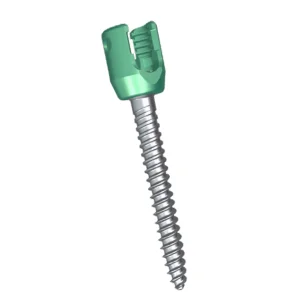
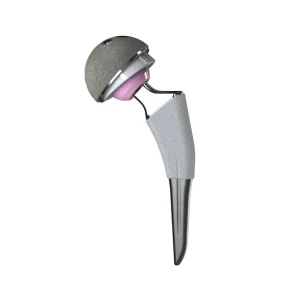
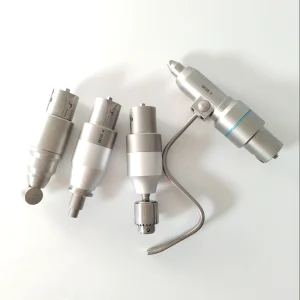
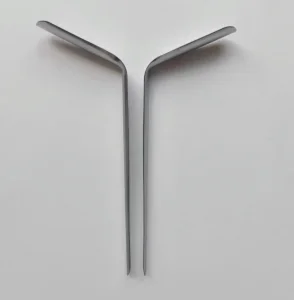
Review additional options from our product range, including spinal systems, hip revision extractors, arthroscopic instruments, and surgical handpieces.