Axiora Medical
Axiora Medical
Axiora Medical
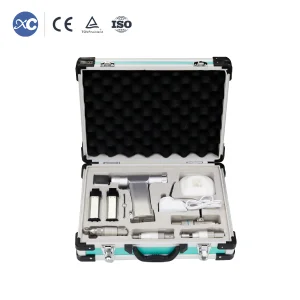
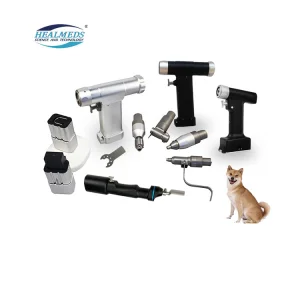
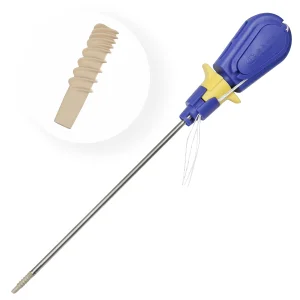
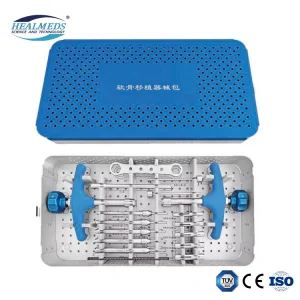
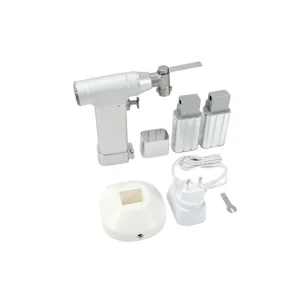
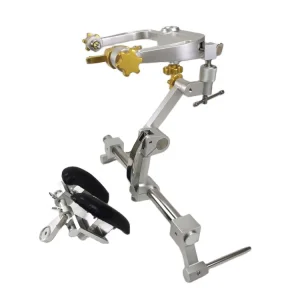
Explore our selection of clinical-grade surgical power tools, retractors, arthroscopy kits, and implant installation instruments engineered for precision fixation.
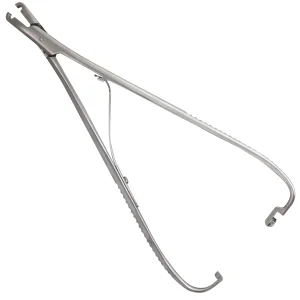
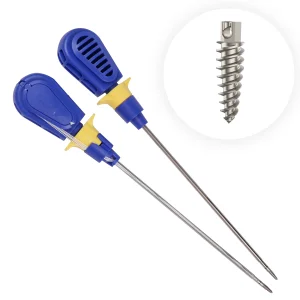
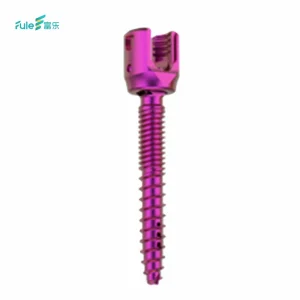
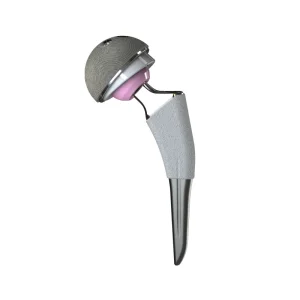
An industry-leading OEM/ODM partner for premium orthopedic implants and precision surgical instrument configurations.
Axiora Medical Technology (China) Co., Ltd. is a professional manufacturer specializing in the research, development, production, and global supply of high-quality orthopedic implants and surgical instruments. Our product portfolio covers trauma fixation systems, spinal implants, joint reconstruction solutions, sports medicine products, and related orthopedic surgical instruments.
Established with a commitment to innovation and precision manufacturing, Axiora integrates advanced CNC machining, automated production lines, and strict quality management systems to deliver reliable products that meet international standards. Our experienced engineering team continuously develops innovative solutions to support surgeons and healthcare providers worldwide.
With strong OEM and ODM capabilities, we provide customized manufacturing services according to customers' drawings, samples, and technical requirements. From product design and prototyping to mass production and packaging, our integrated manufacturing process ensures consistent quality, competitive pricing, and on-time delivery. Today, Axiora exports its orthopedic products to customers across Europe, North America, South America, the Middle East, Southeast Asia, and Africa, building long-term partnerships with medical device distributors, brand owners, hospitals, and healthcare organizations around the world.
Addressing clinical, logistical, and sterilizing challenges faced by modern hospitals and implant providers globally.
Standardized generic kits often lead to inefficiencies in the OR. Axiora works with clinical advisory boards to design anatomically specialized trauma instrument sets. Our systems optimize torque transfer, reduce slip indices, and feature custom handles engineered to prevent hand fatigue during complex surgeries.
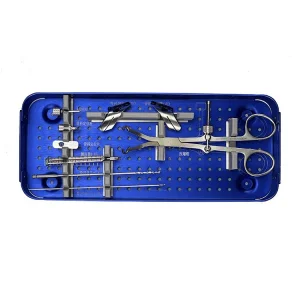
Modern Central Sterile Supply Departments (CSSD) demand durable instrumentation that resists discoloration, corrosion, and biological residue accumulation. We design surgical trays featuring layout optimization, open-geometry structures for maximum autoclave steam penetration, and weight-balanced polymer inserts.
A single misaligned guide sleeve or unstable screwdriver can prolong surgical time. Axiora ensures surgical kits feature a strict tolerance profile (typically within ±0.01mm) for critical coupling interfaces, minimizing mechanical runout and keeping intraoperative error rates at near-zero levels.
Meeting the rigorous vetting standards of international medical device distributors, brand owners, and regulatory bodies.
Global medical procurement officers operate in a high-liability landscape where supplier instability or material defects carry severe consequences. Establishing compliance requires verifying three key operational pillars: Metallurgical Traceability, Manufacturing Validation, and Post-Market Technical Support. Axiora meets these parameters through detailed validation protocols (IQ, OQ, PQ) for all processes, including CNC machining, electrochemical passivation, and cleanroom packaging. Every raw material batch, whether ISO 5832-3 compliant Titanium Alloy or ASTM F899 Stainless Steel, is tested and verified, providing full traceability from raw bar stock to finished sterile tray.
| Parameter | Clinical & Technical Standard | Axiora Compliance Guarantee |
|---|---|---|
| Material Sourcing | ASTM F136 (Ti6Al4V ELI), ASTM F899 (Surgical Stainless), Medical Grade PEEK | 100% mill certified raw materials with full chemical & mechanical traceability. |
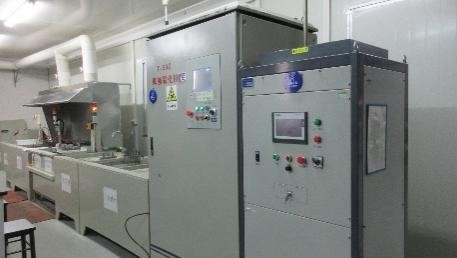
| Surface Passivation | ASTM A967 (Citric & Nitric passivation protocols) | Controlled acid-concentration passivation with validated copper sulfate testing. |
| Dimension Stability | Screwdriver/Implant interface play < 0.05 mm | CMM coordinate checks and custom-designed go/no-go gauges on each line. |
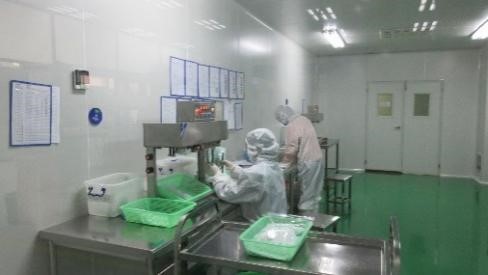
| Biocompatibility | ISO 10993 (Sensitization, Cytotoxicity, Intracutaneous Reactivity) | Cleanroom environments validating biological safety and endotoxin counts. |
| Traceability | Unique Device Identification (UDI) implementation | Direct laser marking of 2D data-matrix codes with high-contrast durability. |
Detailed organizational parameters for Axiora Medical Technology (China) Co., Ltd.
| Item | Details |
|---|---|
| Company Name | Axiora Medical Technology (China) Co., Ltd. |
| Brand | Axiora |
| Website | www.axioraortho.com |
| Established | 2017 |
| Factory Area | 18,600 m² |
| Annual Export Revenue | USD 26 Million |
| Export Experience | 8 Years |
| Industry Experience | 15 Years |
| Quality Inspection | 100% Finished Product Inspection & Incoming Material Inspection |
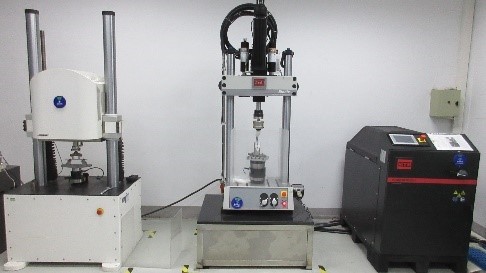
| Product Inspection Methods | Coordinate Measuring Machine (CMM), Tensile Testing, Hardness Testing, Surface Roughness Inspection, Salt Spray Testing |
| Quality Control Staff | 48 |
| Business Type | Manufacturer & Exporter (OEM/ODM) |
| Main Markets | Europe, North America, Middle East, Southeast Asia, South America |
| Supply Chain Partners | 1,120 |
| Main Customer Types | Medical Device Brands, Importers, Distributors, Hospitals, Government Procurement Projects |
| R&D Capability | Independent Product Development, Reverse Engineering, OEM & ODM Solutions |
| Customization Options | Logo Printing, Private Label, Custom Packaging, Product Design, Material Selection, Drawing-Based Manufacturing |
| New Products Released Last Year | 126 |
| R&D Engineers | 86 |
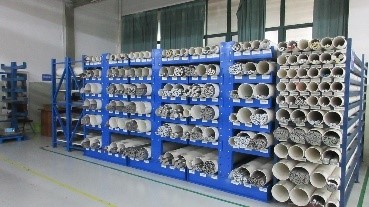
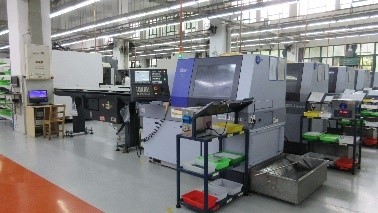
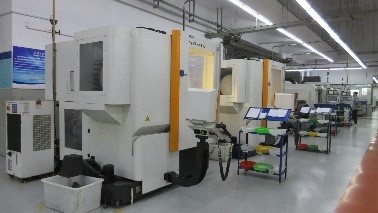
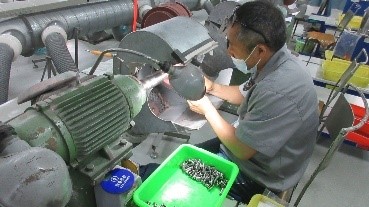
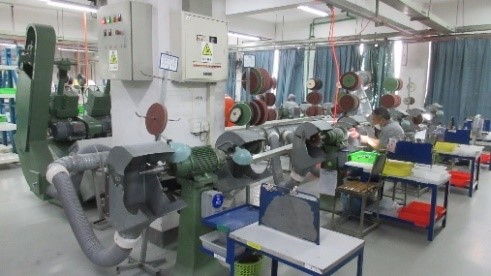
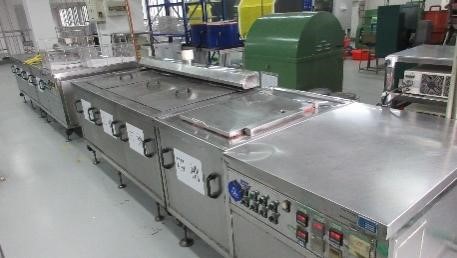
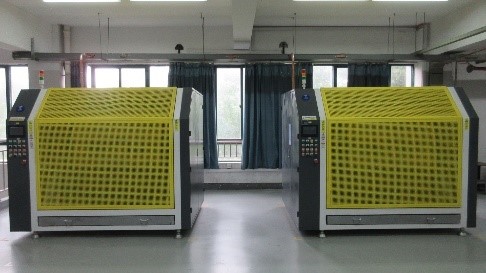
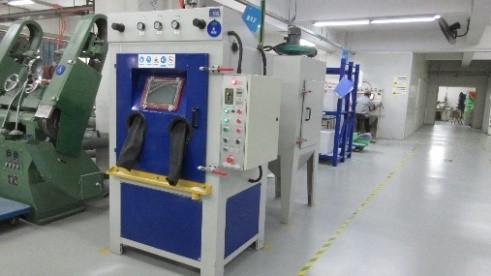
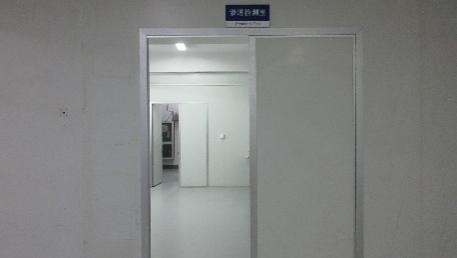
From raw materials to aseptic packaging, explore our step-by-step production flow and state-of-the-art testing facility.
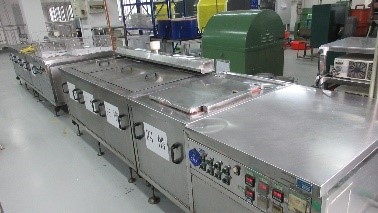
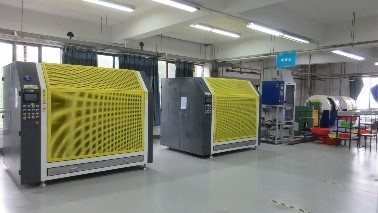
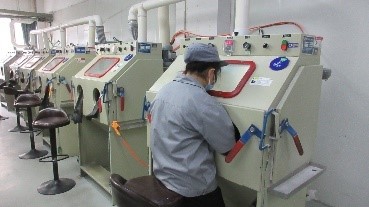
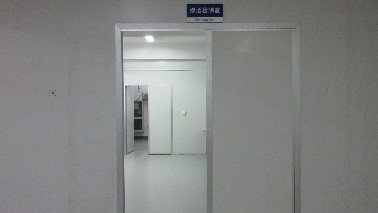
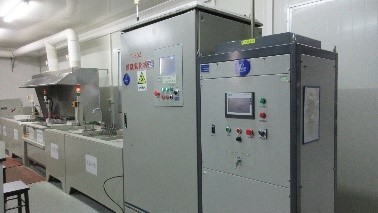
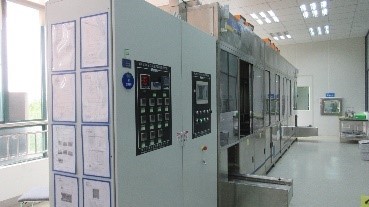
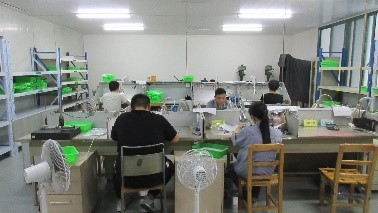
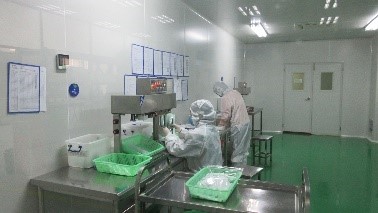
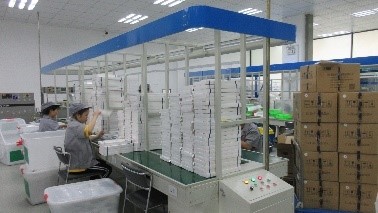
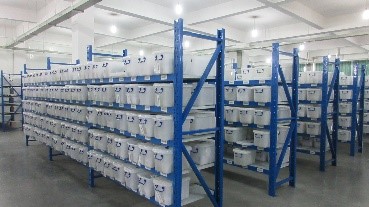
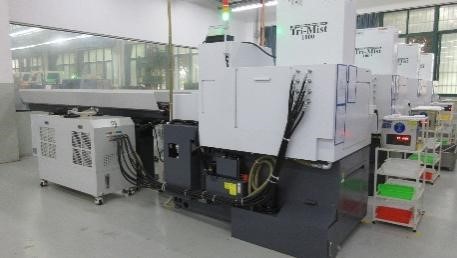
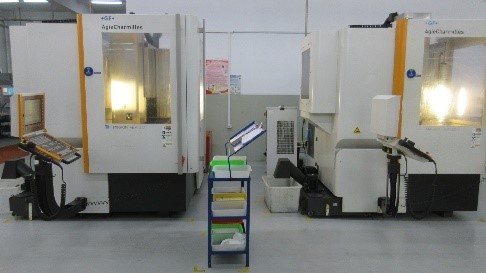
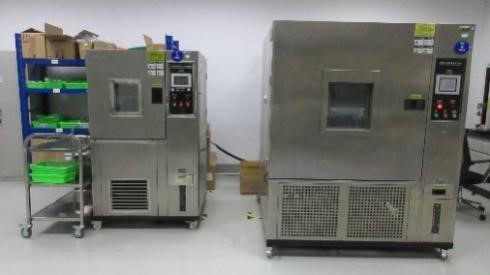
Pioneering smart manufacturing technologies and sustainable logistics configurations for next-generation orthopedics.
Axiora is piloting RFID tags integrated directly into the polymer body of sterilization trays. This enables hospitals to automate inventory counts, trace processing cycles, track usage lifetimes, and simplify clinical audits seamlessly.
To reduce light reflection in the operating room and increase the surface hardness of cutting tools, we are scaling Physical Vapor Deposition (PVD) titanium nitride (TiN) coatings. This technology extends tool life up to 300%.
Recognizing the shift toward ambulatory surgery centers, we are researching high-performance carbon-reinforced bio-polymers to develop structural single-use instruments, significantly lowering washing footprints.
Navigating global regulations to ensure rapid compliance, custom registrations, and localized distribution setups.
We provide full technical documentation assistance including Bio-compatibility testing reports, mechanical evaluation test data, risk assessment charts, and clinical evaluation files to support Class II and Class III approvals.
Our packaging facilities accommodate custom labeling and high-contrast direct part marking to comply with regional packaging laws, language translation needs, and barcoding configurations.
To reduce import tariffs and processing delays, we support multi-tiered shipping options including custom bonding, direct drop-shipping to distribution hubs, and temperature-controlled air freight services.
Technical and manufacturing questions answered directly by our engineering and logistics specialists.
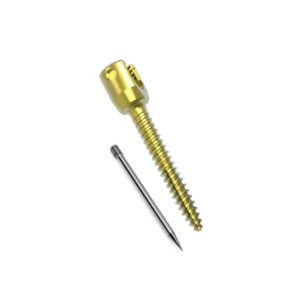
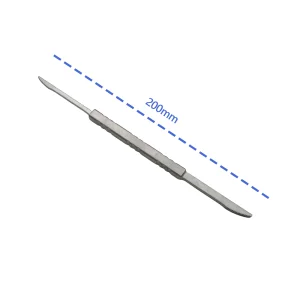
Precision implants, specialized drills, and spinal fixation instruments for comprehensive surgical applications.