Axiora Medical
Axiora Medical
Axiora Medical
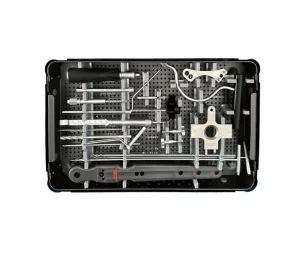
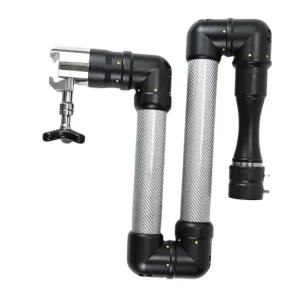
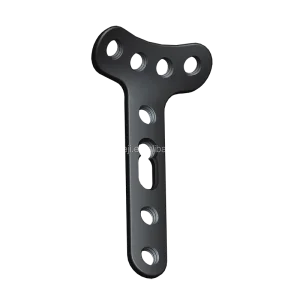
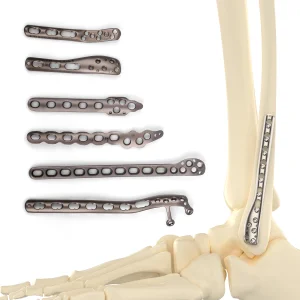
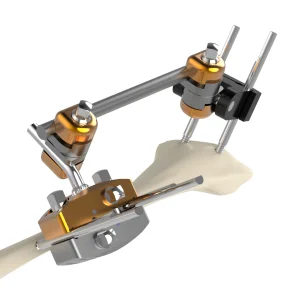
Explore our elite portfolio of spinal implants, trauma plates, arthroscopic shavers, and external fixators designed for top-tier clinical performance.
An in-depth analysis of market value, clinical trends, and regulatory barriers in spine stabilization technology.
The global spinal implants market has experienced rapid expansion, driven primarily by the rising prevalence of degenerative disc diseases (DDD), cervical spondylotic myelopathy (CSM), and trauma-induced cervical fractures. Among spinal fusion procedures, Anterior Cervical Discectomy and Fusion (ACDF) remains the gold standard, directly elevating the demand for high-performance Anterior Cervical Plates (ACP).
Modern Anterior Cervical Plates are biomechanically designed to restore sagittal alignment, lock interbody constructs in place, prevent graft extrusion, and accelerate solid osseointegration. Today’s industrial landscape is defined by the transition from rigid static plates to dynamic, load-sharing systems that conform to Wolff’s Law, minimizing stress shielding and reducing the incidence of adjacent segment disease (ASD).
The North American and European markets remain the largest consumers due to advanced healthcare infrastructure and high surgical reimbursement rates. However, regional procurement is heavily governed by strict certification standards. In the US, Food and Drug Administration (FDA) 510(k) clearances are mandatory, requiring rigorous mechanical characterization under ASTM F1717 (testing dynamic compression, static torsion, and fatigue limits). In the European Union, the transition from MDD to the more demanding Medical Device Regulation (MDR 2017/745) has forced many brands to look for manufacturing partners with immaculate documentation, traceability, and Class III compliance.
A comparative evaluation of leading medical device giants and premier contract manufacturing organizations globally.
A global leader in trauma and spinal systems. Their ACP solutions (like the Vectra and Slim LOC systems) are recognized for ultra-low profile profiles, advanced locking mechanisms, and extensive clinical validation datasets spanning decades.
Medtronic's dynamic cervical plate lines, including the Premier and Zephir systems, set the industry standard for load-sharing capabilities and ease of instrumentation. They lead in clinical research and surgeon-training programs globally.
Known for integrating advanced engineering with additive manufacturing (3D printing). Stryker offers high-flexibility dynamic plating systems integrated with smart instrument tracking systems to optimize OR workflow.
Provides highly customizable orthopedic fixation plates. Their systems feature variable-angle screws with robust tactile feedback mechanisms, ensuring positive screw locking during anterior approaches.
An innovative force in spinal fusion. Globus offers the XT and Coalition systems, focusing on minimally invasive techniques, hyper-anatomic shapes, and integration with robotic navigation systems.
Historically revolutionized the lateral approach to the spine. NuVasive's cervical systems focus on optimized visibility under fluoroscopy, maximum screw angulation, and thin plate footprints.
A German engineering pioneer. Aesculap’s cervical implants are highly regarded for their high-purity titanium alloys, excellent fatigue strength, and strict European manufacturing standards.
Offers versatile cervical plating solutions incorporating both static and dynamic configurations on a single platform, catering to varying bone quality profiles in osteoporotic patients.
A prominent German manufacturer known for premium mechanical designs and robust quality management systems, supplying critical spinal hardware globally.
Emerging as China’s premium manufacturing powerhouse. Axiora bridges the gap between cost efficiency and Tier-1 quality standards, specializing in high-tolerance CNC machining, raw material traceability, and robust OEM/ODM configurations for international brands.
A premier Chinese manufacturer of orthopedic implants and surgical instruments with 15 years of industry excellence.
Axiora Medical Technology (China) Co., Ltd. is a professional manufacturer specializing in the research, development, production, and global supply of high-quality orthopedic implants and surgical instruments. Our product portfolio covers trauma fixation systems, spinal implants, joint reconstruction solutions, sports medicine products, and related orthopedic surgical instruments.
Established with a commitment to innovation and precision manufacturing, Axiora integrates advanced CNC machining, automated production lines, and strict quality management systems to deliver reliable products that meet international standards. Our experienced engineering team continuously develops innovative solutions to support surgeons and healthcare providers worldwide.
With strong OEM and ODM capabilities, we provide customized manufacturing services according to customers' drawings, samples, and technical requirements. From product design and prototyping to mass production and packaging, our integrated manufacturing process ensures consistent quality, competitive pricing, and on-time delivery.
Today, Axiora exports its orthopedic products to customers across Europe, North America, South America, the Middle East, Southeast Asia, and Africa, building long-term partnerships with medical device distributors, brand owners, hospitals, and healthcare organizations around the world.
| Item | Details |
|---|---|
| Company Name | Axiora Medical Technology (China) Co., Ltd. |
| Brand | Axiora |
| Website | www.axioraortho.com |
| Established | 2017 |
| Factory Area | 18,600 m² |
| Annual Export Revenue | USD 26 Million |
| Export Experience | 8 Years |
| Industry Experience | 15 Years |
| Quality Inspection | 100% Finished Product Inspection & Incoming Material Inspection |
| Product Inspection Methods | Coordinate Measuring Machine (CMM), Tensile Testing, Hardness Testing, Surface Roughness Inspection, Salt Spray Testing |
| Quality Control Staff | 48 |
| Business Type | Manufacturer & Exporter (OEM/ODM) |
| Main Markets | Europe, North America, Middle East, Southeast Asia, South America |
| Supply Chain Partners | 1,120 |
| Main Customer Types | Medical Device Brands, Importers, Distributors, Hospitals, Government Procurement Projects |
| R&D Capability | Independent Product Development, Reverse Engineering, OEM & ODM Solutions |
| Customization Options | Logo Printing, Private Label, Custom Packaging, Product Design, Material Selection, Drawing-Based Manufacturing |
| New Products Released Last Year | 126 |
| R&D Engineers | 86 |
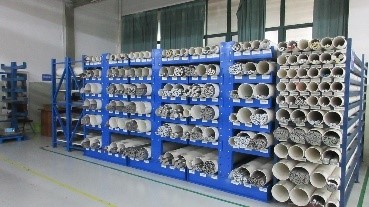
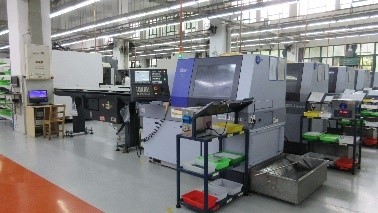
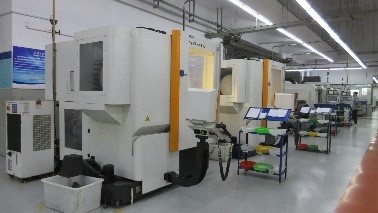
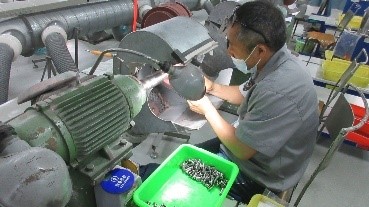
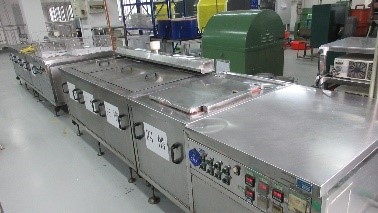
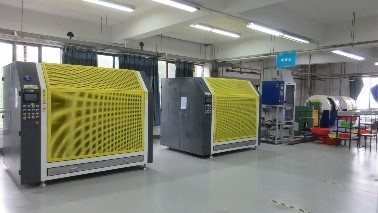
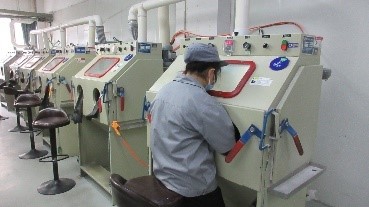
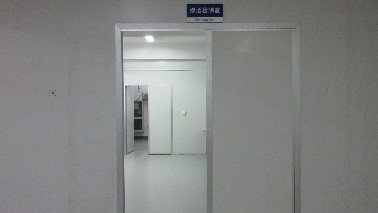
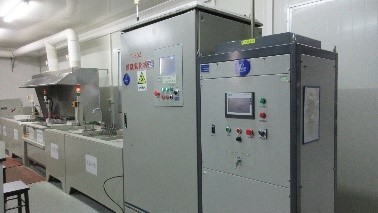
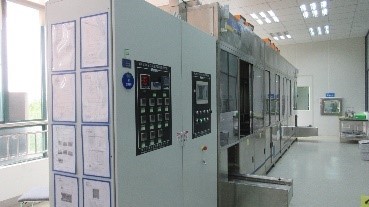
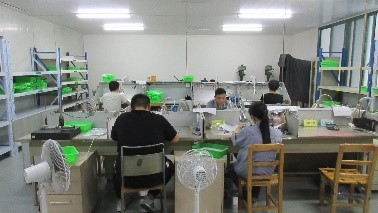
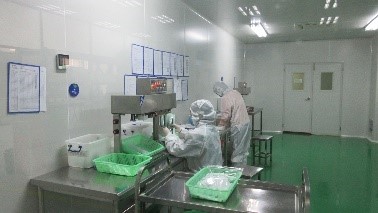
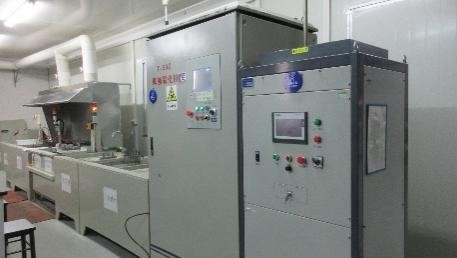
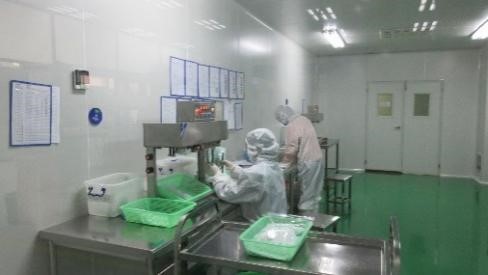
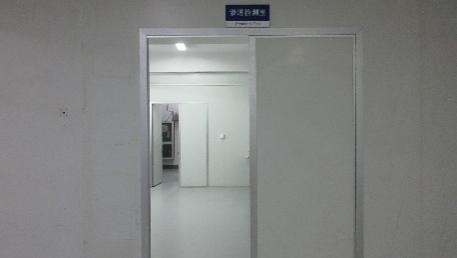
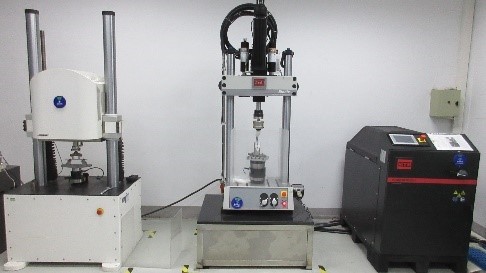
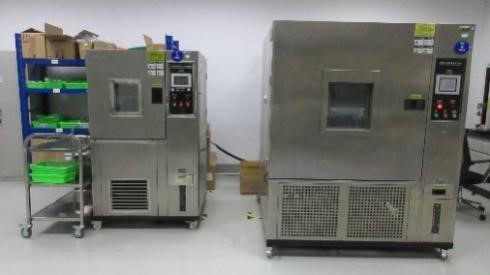
Explore our state-of-the-art 18,600 m² medical manufacturing facility, featuring advanced CNC lathes, automated washing units, and cleanrooms.
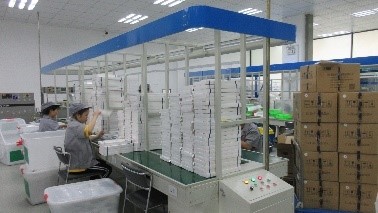
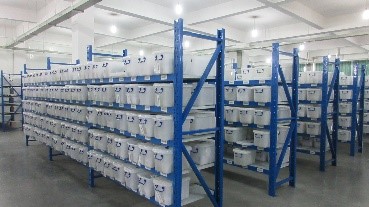
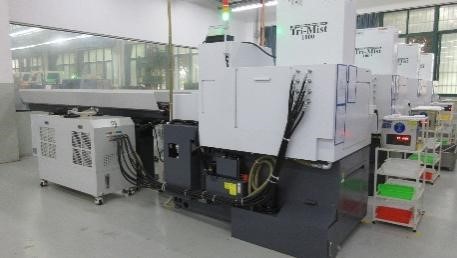
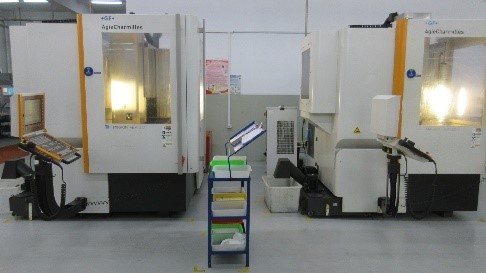
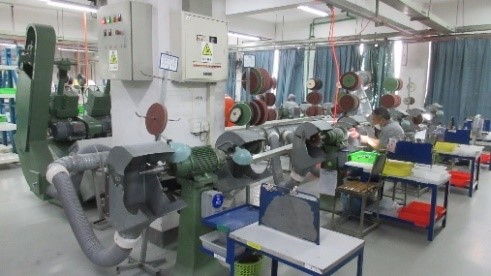
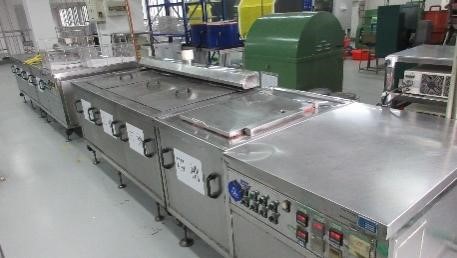
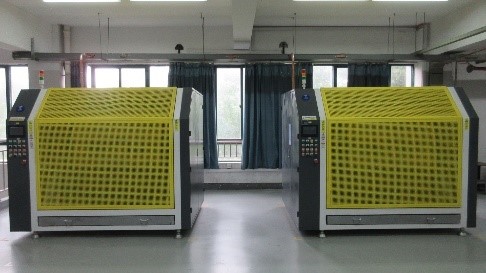
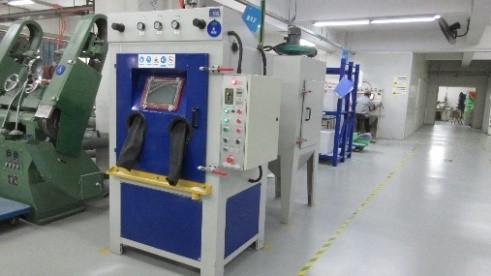
Why global medical brands are strategically aligning with Chinese contract manufacturers like Axiora for orthopedic implants.
Historically, orthopedic implant manufacturing was dominated by Western facilities. However, China’s medical manufacturing ecosystem has achieved technological parity, offering substantial advantages in cost, lead times, and customization flexibility.
By utilizing world-class multi-axis CNC machines (from Citizen, Star, and DMG Mori), Chinese factories execute complex geometries (like dual-lead threads and locking mechanisms) in a single setup, minimizing tolerance stack-up.
Sourcing biocompatible titanium alloys (Ti-6Al-4V ELI conforming to ASTM F136) within localized industrial clusters dramatically reduces material lead times and ensures direct chemical verification of raw ingots.
Chinese manufacturers offer ultra-fast prototyping cycles. With over 86 dedicated R&D engineers, Axiora can convert surgeon concepts or reverse-engineer specifications into physical prototypes within weeks.
By maintaining a dedicated 100% finished product inspection protocol—supported by 48 quality control specialists utilizing Coordinate Measuring Machines (CMM), roughness testing, and dye-penetrant testing—we maintain a scrap rate below 0.2%, passing these structural savings directly to our global distribution partners.
Customizing implant parameters to specific clinical indications, bone densities, and surgical access techniques.
For patients requiring ACDF across multiple segments (e.g., C3 to C7), structural rigidity is vital to prevent construct collapse. In these scenarios, static titanium plates with fixed-angle screws are preferred to maximize construct stability, preventing graft dislocation and ensuring immediate mechanical stabilization.
In elderly patients with compromised bone mineral density, rigid static plates can transfer excess load to the screw-bone interface, leading to screw back-out or implant failure. Dynamic anterior cervical plates allow controlled axial subsidence, transferring loads through the bone graft (load-sharing) to promote faster fusion and prevent hardware failure.
Cervical spinal instability resulting from motor vehicle accidents or falls requires ultra-strong locking mechanisms. Incorporating variable-angle screws combined with passive lock-rings provides surgeons with the flexibility to position screws away from fractured bone regions while maintaining rigid, multi-point lock stability.
Where the industry is heading: from surface topography modifications to bio-absorbable composites.
Modern plates undergo advanced electrochemical anodization to create nano-textured titanium surfaces. These micro-structured surfaces promote superior protein adsorption and osteoblast attachment compared to traditional polished finishes, directly accelerating osseointegration.
Post-operative dysphagia (difficulty swallowing) is closely linked to plate thickness pressing against the esophagus. The industry trend is moving toward plates under 1.6mm thickness, featuring smooth, rounded margins to reduce tissue irritation.
The combination of titanium plates with radiolucent PEEK (polyetheretherketone) or carbon-fiber composites allows surgeons to visualize fusion progress under X-ray without metal artifact interference, improving clinical monitoring accuracy.
Critical criteria that procurement managers must evaluate when selecting an OEM/ODM orthopedic manufacturing partner.
Procuring medical-grade implants requires strict adherence to international regulatory frameworks. Importers, distributors, and hospital networks should prioritize the following compliance metrics:
Every batch of titanium must carry mill test certificates documenting conforming chemical properties (ASTM F136 grade) and mechanical performance. Raw material sourcing must be fully traceable from raw ingots to the final sterile package.
Facilities must operate under ISO 13485 quality systems. Final cleaning, sterile barrier packaging, and labeling must be executed in Class 100,000 (ISO Class 8) or Class 10,000 (ISO Class 7) cleanrooms to minimize bioburden and pyrogen risks.
Detailed answers to technical, regulatory, and commercial questions from procurement directors and surgeons.
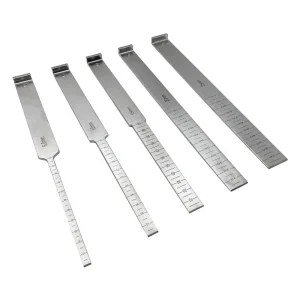
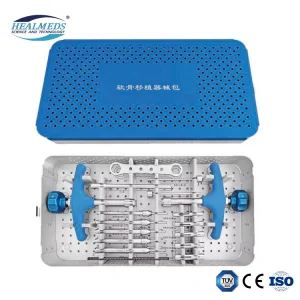
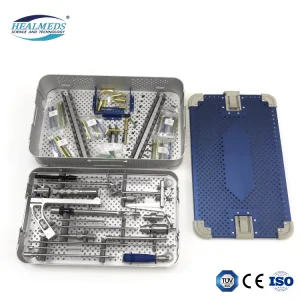
View additional precision implants, osteotomes, and specialized instrumentation systems from our production line.