Axiora Medical
Axiora Medical
Axiora Medical
Discover Axiora's global standard orthopedic implants, trauma fixation plates, and surgical power tools manufactured under strict CE/ISO quality systems.
Hybrid external fixators represent a significant evolution in trauma orthopedic reconstructive surgery. By combining the biomechanical advantages of fine-wire ring constructs (Ilizarov principles) with the simplicity and rapid application of uniplanar pin-to-bar systems, hybrid fixators resolve complex fracture challenges in periarticular zones.
The tensioned transfixion wires secure osteoporotic or small bone fragments close to the joint line without compromising the articular surface. The distal or proximal construct utilizes multi-planar tensioned wires, while the diaphyseal segment is anchored with rigid Schanz screws. This hybrid architecture prevents axial displacement and maintains rotation resistance.
Traditional open reduction and internal fixation (ORIF) for severe periarticular fractures (e.g., Schatzker VI tibial plateau or distal tibia Pilon fractures) carries a high risk of wound sloughing and infection. Hybrid external fixation minimizes soft-tissue disruption, promoting biological osteosynthesis via a minimally invasive approach.
By offering immediate axial stability while avoiding stress shielding, hybrid frames allow patients to begin early joint mobilization. This is critical for preventing joint stiffness, promoting articular cartilage repair, and accelerating the overall rehabilitation cycle of patient recovery.
Axiora Medical Technology (China) Co., Ltd. is a leading professional manufacturer specializing in the research, development, production, and global supply of high-quality orthopedic implants and surgical instruments. Our product portfolio covers trauma fixation systems, spinal implants, joint reconstruction solutions, sports medicine products, and related orthopedic surgical instruments.
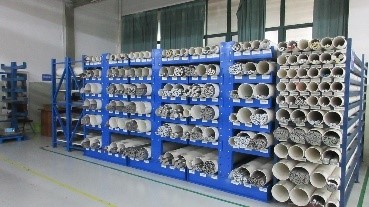
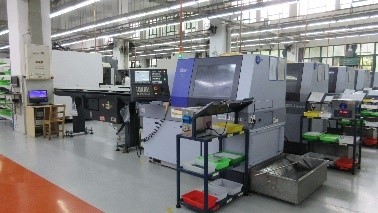
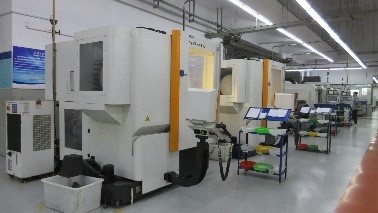
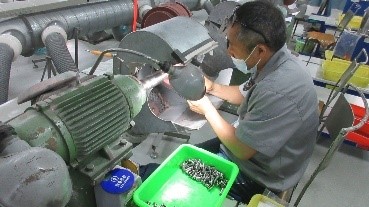
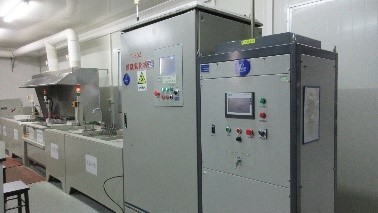
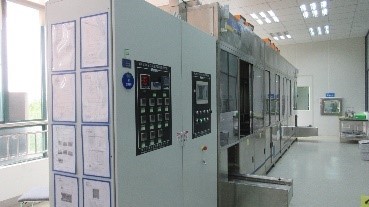
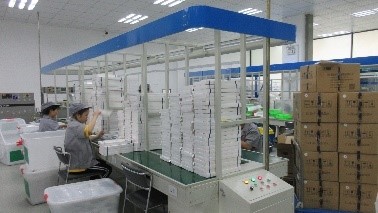
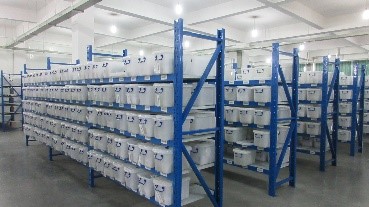
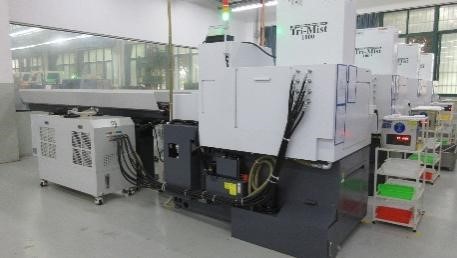
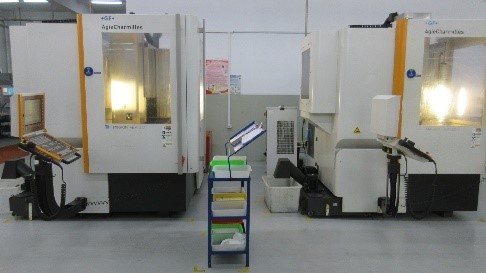
Established with a commitment to innovation and precision manufacturing, Axiora integrates advanced CNC machining, automated production lines, and strict quality management systems to deliver reliable products that meet international standards. Our experienced engineering team continuously develops innovative solutions to support surgeons and healthcare providers worldwide.
With strong OEM and ODM capabilities, we provide customized manufacturing services according to customers' drawings, samples, and technical requirements. From product design and prototyping to mass production and packaging, our integrated manufacturing process ensures consistent quality, competitive pricing, and on-time delivery. Today, Axiora exports its orthopedic products to customers across Europe, North America, South America, the Middle East, Southeast Asia, and Africa, building long-term partnerships with medical device distributors, brand owners, hospitals, and healthcare organizations around the world.
| Corporate Indicator | Specifications & Details |
|---|---|
| Company Name | Axiora Medical Technology (China) Co., Ltd. |
| Brand Identity | Axiora / OEM Support Available |
| Website Resource | www.axioraortho.com |
| Year of Establishment | 2017 |
| Factory Scale | 18,600 m² state-of-the-art facility |
| Annual Export Value | USD 26 Million |
| Industry Experience | 15 Years of Precision Orthopedic Engineering |
| Inspection Protocol | 100% Finished Product Inspection & Incoming Material Verification |
| Metrology & Quality Methods | Coordinate Measuring Machine (CMM), Tensile Testing, Hardness Testing, Surface Roughness Inspection, Salt Spray Testing |
| Dedicated QC Auditors | 48 Certified Quality Control Personnel |
| Global R&D Engineers | 86 Engineers with Multi-disciplinary Expertise |
| New Product Velocity | 126 new implant models released in the last calendar year |
B2B procurement departments, healthcare institutions, and global distributors look for a combination of clinical performance and cost control. The hybrid external fixator market has experienced a significant shift towards modular, lightweight, and radiolucent systems.
Older external fixators utilized heavy stainless-steel rings and bars, which increased patient discomfort and mechanical stress at insertion sites. Modern procurement contracts require aircraft-grade aluminum alloys, pure titanium, and carbon-fiber composites to reduce frame weight by up to 50% while increasing structural integrity.
Surgeons rely heavily on intraoperative fluoroscopy (C-arm) to confirm anatomical reduction. Metallic structures often obscure the fracture line. Carbon-fiber rings and PEEK composite components provide absolute radiolucency, allowing clear visualization of joint reconstruction without needing to dismantle the construct.
Hospitals are demanding standardized, pre-packaged, sterile kits tailored for emergency department applications. Axiora meets this demand with customizable OEM configurations, offering both modular instrumentation sets and single-use, sterile-packaged procedural kits that simplify hospital inventory management.
Navigating the orthopedic manufacturing sector requires robust partnerships. As a top-tier exporter, Axiora has designed a comprehensive solution matrix to guarantee business continuity, rapid customs clearance, and high supply-chain resilience.
We provide full product lifecycle development from draft schematics to mass production. Backed by 86 expert R&D engineers, we customize ring diameters, bar lengths, and pin clamp mechanisms to match your local market preferences and patient populations.
Entering strict regulatory zones requires detailed documentation. Axiora supplies comprehensive technical files, design dossiers, and clinical evaluation reports (CER) to assist distributors in obtaining approvals from FDA, EMA, CFDA, and other local health departments.
To mitigate the impacts of raw material fluctuations and international shipping delays, we maintain structured raw material reserves (Medical Grade Titanium Grade 5 & Carbon Fiber) and offer vendor-managed inventory (VMI) frameworks for qualified distributors.
The clinical application of external fixation is moving toward smart designs. Axiora is investing in advanced material technologies and digital planning integrations to redefine fracture care.
Polyetheretherketone (PEEK) is replacing metal in high-wear clamp areas. It provides excellent biocompatibility, a high strength-to-weight ratio, and prevents cold welding of screw threads during high-torque tightening.
Pin track infection remains a common complication. Axiora is research-testing silver-ion and nano-hydroxyapatite coatings on Schanz pins. These coatings inhibit bacterial colonization and promote rapid bone integration.
The future of complex fracture reduction is digital. Our R&D team is developing software that reconstructs CT scans of bone fragments, allowing surgeons to pre-operatively design the hybrid frame and select precise wire angles.
To prevent non-union, controlled axial micromotion is beneficial during the late healing phase. Axiora's next-gen struts incorporate adjustable micro-springs that dynamically load the bone under weight-bearing conditions.
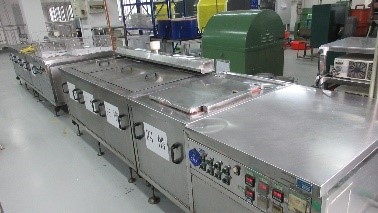
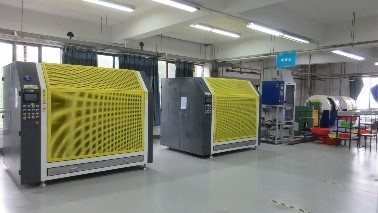
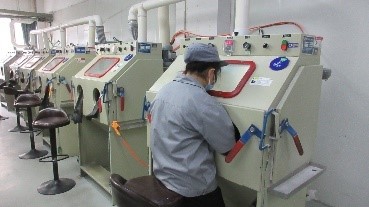
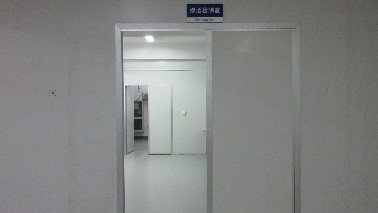
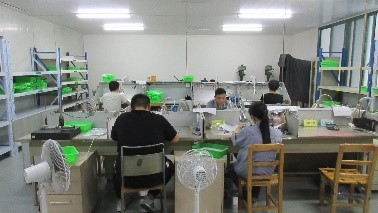
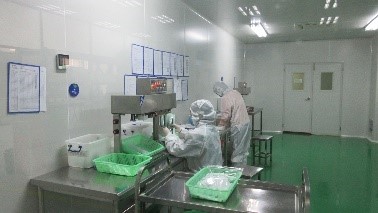
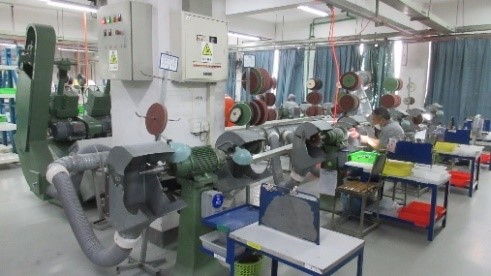
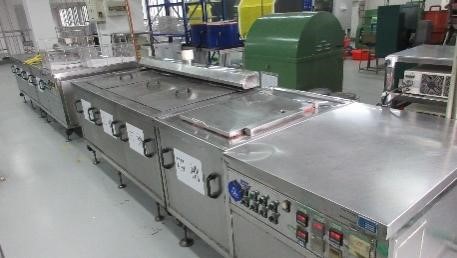
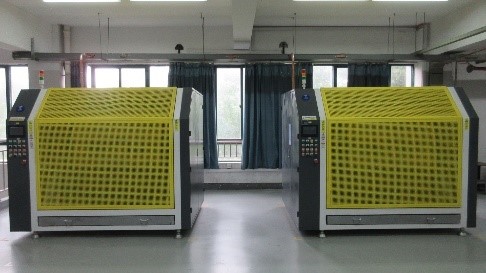
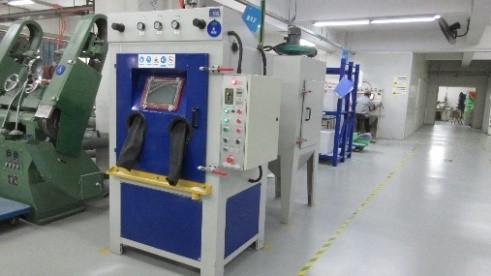
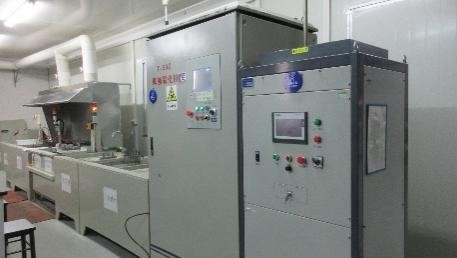
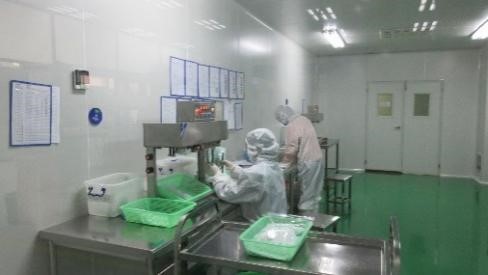
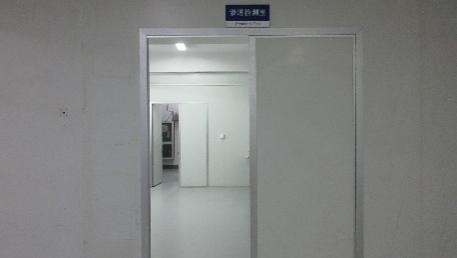
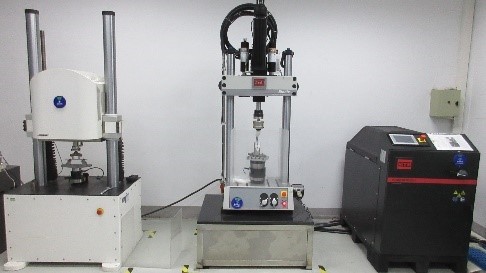
Quality is not an afterthought; it is built into every step. Below is our 25-step production and testing protocol, assuring that every implant and instrument exported satisfies strict clinical guidelines.
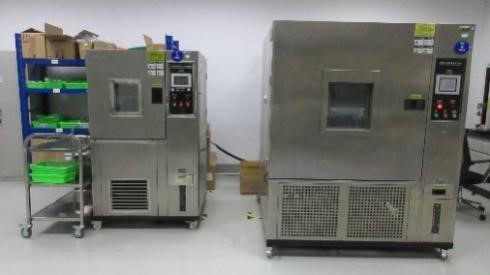
Compliance with medical regulations is critical for long-term distribution partnerships. Axiora operates under strict compliance systems to support regional tenders and hospital procurement guidelines globally.
Our plants undergo annual audits to verify conformance with ISO 13485 (Medical devices - Quality management systems) and ISO 9001 standards. This ensures that every shipment is traceable back to the raw material melt batch, with certificates of conformance available on demand.
We actively maintain CE markings and local registration profiles across major markets. Our regulatory department provides structured technical dossiers to support local submissions, minimizing the time required to clear customs in Europe, South America, and the APAC region.
In compliance with international vigilance standards, Axiora maintains a dedicated feedback system. This allows rapid collection and evaluation of clinical outcomes and product suggestions, fostering continuous improvement in safety and effectiveness.
Detailed answers to the most common questions raised by biomedical engineers and clinical buyers regarding hybrid external fixator systems.
Explore our selection of specialized tools, suture anchors, and joint replacement implants designed for clinical accuracy and durability.