Axiora Medical
Axiora Medical
Axiora Medical
Explore our CE and ISO-certified implant systems, clinical surgical tools, and custom instrumentation built for maximum patient mobility and robust osteogenesis.
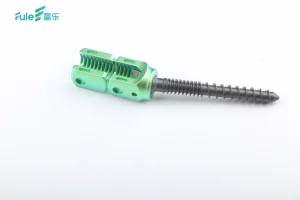
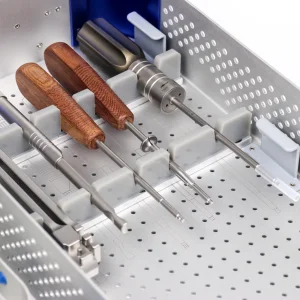
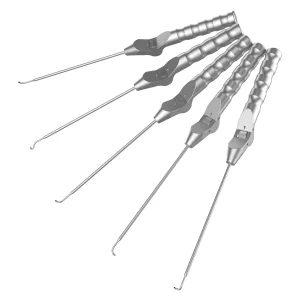
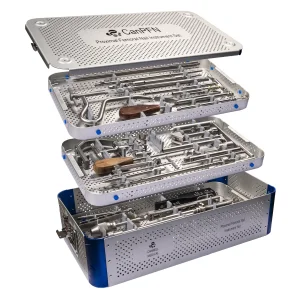
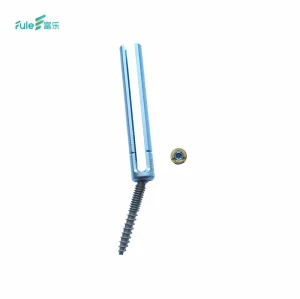
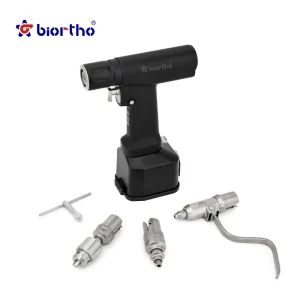
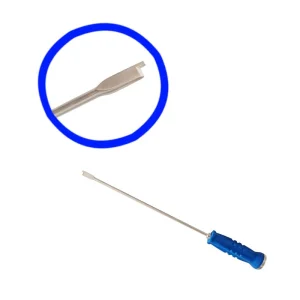
The Ilizarov Ring Fixator represents one of the most significant breakthroughs in modern orthopedics. Developed by Soviet physician Gavriil Abramovich Ilizarov in the 1950s, this external fixation device operates under the biological principle of the Law of Tension-Stress. By applying gradual, controlled mechanical tension to living tissue, surgeons can stimulate bone and soft tissue regeneration (distraction osteogenesis), rendering the system highly effective for limb lengthening, bone transport, and the correction of complex angular or rotational deformities.
Today, sourcing premium-grade Ilizarov fixators is critical for global distributors, procurement agencies, and orthopedic trauma centers. Precision machining, material purity (typically titanium alloy or lightweight carbon fiber), and regulatory compliance form the cornerstone of manufacturing. Choosing the right Ilizarov Ring Fixator factory and supplier is not merely a purchasing decision; it is a clinical safety determination that directly impacts patient outcome and hospital risk mitigation.
“The success of distraction osteogenesis relies on absolute stability. A high-quality Ilizarov system must resist torsional and bending forces while allowing micro-axial motion to promote optimal callus formation. This requires microscopic precision in manufacturing threads, wires, and rings.”
An Ilizarov apparatus is structured as a modular framework consisting of rings, half-rings, rods, telescopic struts, olive wires, and Schanz pins. Rings are secured to the bone via tensioned transfixion wires (Kirschner wires) that are tensioned up to 100 to 130 kgf using specialized tensioning devices. This creates a highly rigid, load-sharing construct. If a factory fails to maintain exact tolerances on the ring holes or the thread pitches of the connecting rods, mechanical failure or wire slippage can occur, potentially leading to non-union, mal-union, or pin-tract infections.
The shift in medical manufacturing has established China as the leading hub for high-end orthopedic trauma implants, offering a perfect blend of high technology, compliance, and cost efficacy.
The external fixation sector is undergoing rapid evolution, propelled by technological leaps and demands for better clinical outcomes. Organizations evaluating factories and suppliers must ensure their partners are aligned with the following macro-trends:
Understanding where and how the Ilizarov apparatus is applied allows procurement managers to match their orders to specific clinical profiles:
For example, in regions with higher rates of high-energy motor vehicle accidents, suppliers must stock heavy-duty, large-diameter titanium rings (150mm to 180mm internal diameter) accompanied by rigid structural struts. In contrast, pediatric centers require smaller, lightweight constructs (80mm to 120mm) and thinner Kirschner wires (1.5mm to 1.8mm) to minimize damage to open epiphyseal growth plates.
For global distributors and hospital procurement groups, purchasing orthopedic devices is a complex undertaking involving extensive regulatory and financial risk. Suppliers must offer comprehensive macro solutions, including:
Axiora Medical Technology (China) Co., Ltd. is a leading force in orthopedic implant manufacturing, supplying high-performance solutions across the globe.
Axiora Medical Technology (China) Co., Ltd. is a professional manufacturer specializing in the research, development, production, and global supply of high-quality orthopedic implants and surgical instruments. Our product portfolio covers trauma fixation systems, spinal implants, joint reconstruction solutions, sports medicine products, and related orthopedic surgical instruments.
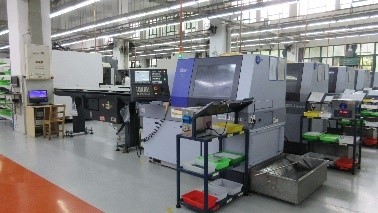
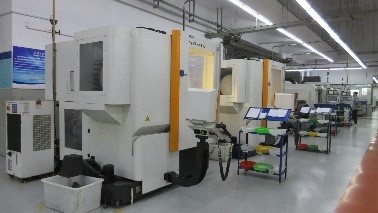
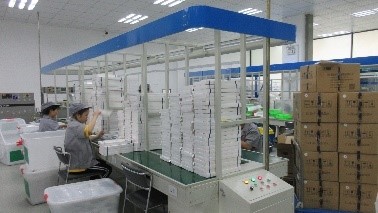
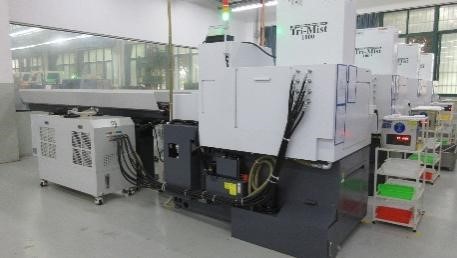
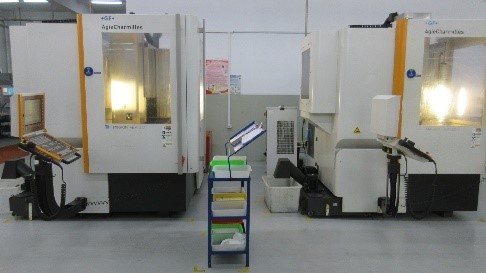
Established with a commitment to innovation and precision manufacturing, Axiora integrates advanced CNC machining, automated production lines, and strict quality management systems to deliver reliable products that meet international standards. Our experienced engineering team continuously develops innovative solutions to support surgeons and healthcare providers worldwide.
With strong OEM and ODM capabilities, we provide customized manufacturing services according to customers' drawings, samples, and technical requirements. From product design and prototyping to mass production and packaging, our integrated manufacturing process ensures consistent quality, competitive pricing, and on-time delivery.
Today, Axiora exports its orthopedic products to customers across Europe, North America, South America, the Middle East, Southeast Asia, and Africa, building long-term partnerships with medical device distributors, brand owners, hospitals, and healthcare organizations around the world.
| Item | Details |
|---|---|
| Company Name | Axiora Medical Technology (China) Co., Ltd. |
| Brand | Axiora |
| Website | www.axioraortho.com |
| Established | 2017 |
| Factory Area | 18,600 m² |
| Annual Export Revenue | USD 26 Million |
| Export Experience | 8 Years |
| Industry Experience | 15 Years |
| Quality Inspection | 100% Finished Product Inspection & Incoming Material Inspection |
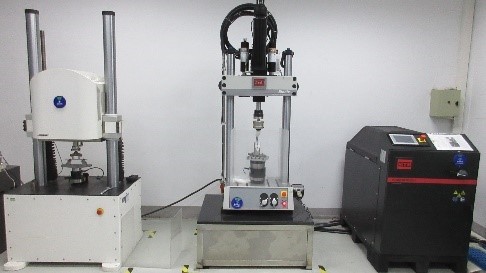
| Product Inspection Methods | Coordinate Measuring Machine (CMM), Tensile Testing, Hardness Testing, Surface Roughness Inspection, Salt Spray Testing |
| Quality Control Staff | 48 |
| Business Type | Manufacturer & Exporter (OEM/ODM) |
| Main Markets | Europe, North America, Middle East, Southeast Asia, South America |
| Supply Chain Partners | 1,120 |
| Main Customer Types | Medical Device Brands, Importers, Distributors, Hospitals, Government Procurement Projects |
| R&D Capability | Independent Product Development, Reverse Engineering, OEM & ODM Solutions |
| Customization Options | Logo Printing, Private Label, Custom Packaging, Product Design, Material Selection, Drawing-Based Manufacturing |
| New Products Released Last Year | 126 |
| R&D Engineers | 86 |
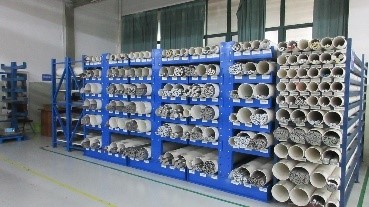
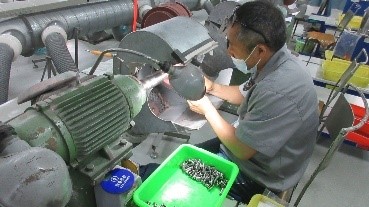
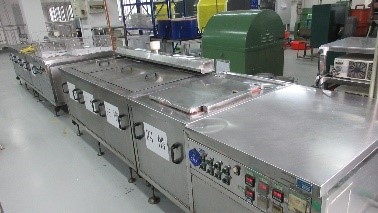
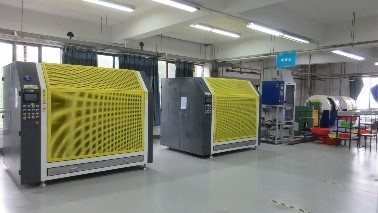
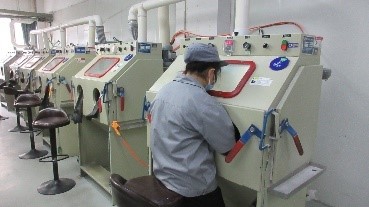
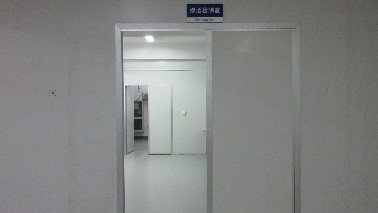
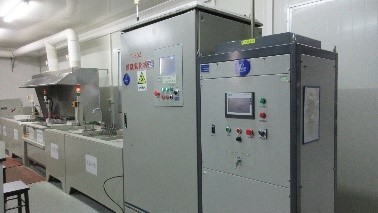
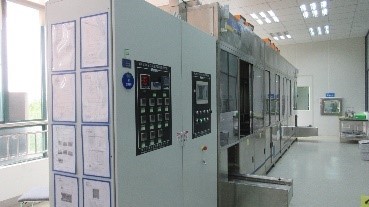
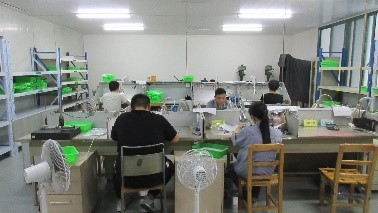
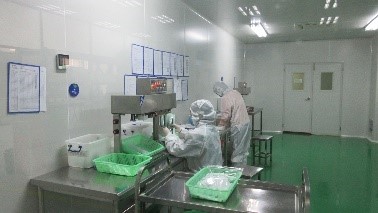
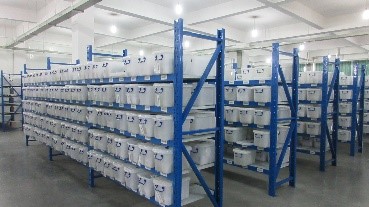
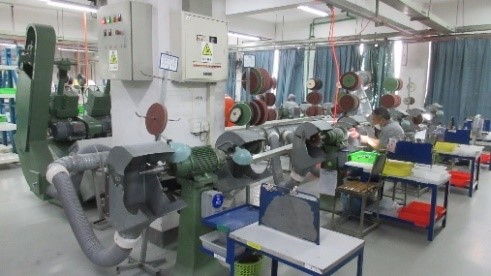
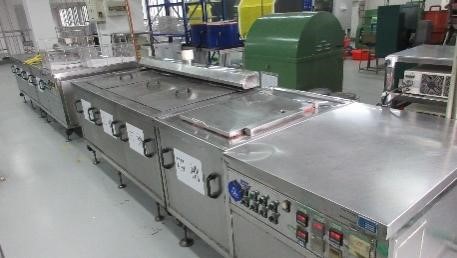
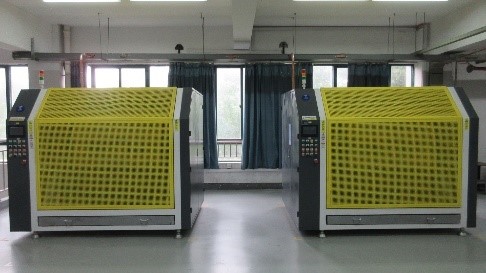
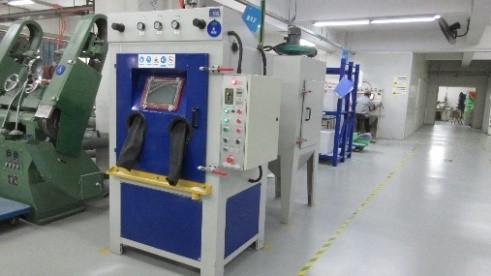
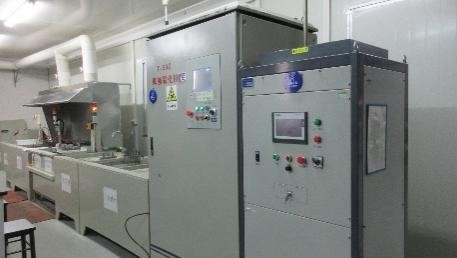
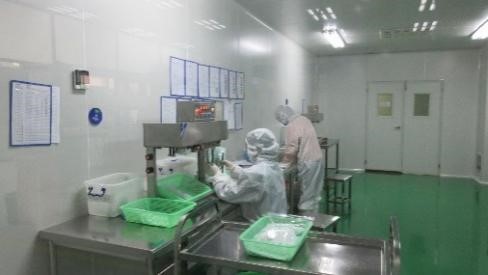
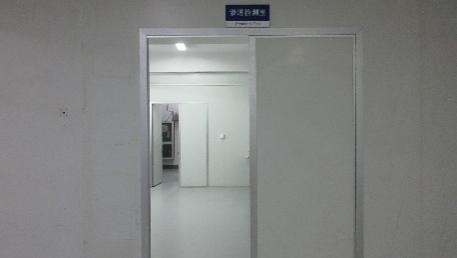
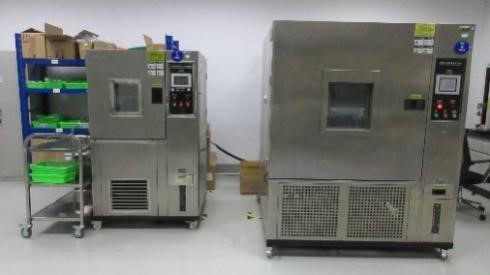
Every single product passes through our strict in-house processing and checking facilities. View our production and testing milestones.
Technical and procurement answers designed for orthopedic product managers and global medical buyers.
Reliable, professional-grade orthopedic solutions built to meet the rigorous demands of international healthcare institutions.