Axiora Medical
Axiora Medical
Axiora Medical
Exemplary precision-engineered medical hardware complying with top-tier international quality directives.
Why global healthcare networks and clinical providers demand optimized locking technology for major trauma care.
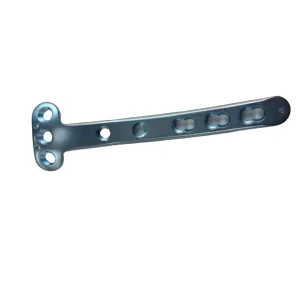
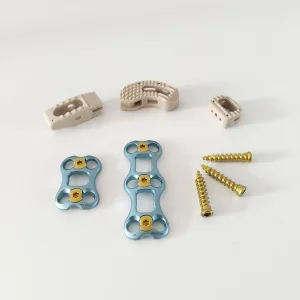
Large fragment locking plates (typically utilizing 4.5mm and 5.0mm screw configurations) are the cornerstone of diaphyseal and metaphyseal internal fixation for heavy axial-load bones. Surgical units select these systems for humerus, femur, and tibia reconstructions, demanding high fatigue resistance and minimal bone-to-plate contact to safeguard periosteal blood flow.
Modern clinical procedures rely on polyaxial (variable angle) locking mechanisms combined with traditional dynamic compression features. Distributors seek suppliers providing "combi-holes" which enable surgeons to toggle between compression and rigid angular locking based on fracture configuration and bone density challenges.
Medical procurement entities enforce rigid standards, demanding titanium alloy (Ti-6Al-4V ELI) or biocompatible stainless steel compliance under ASTM standards. Only factories implementing total traceability systems from raw ingot to final sterile packaging can navigate the stringent regulatory framework of the FDA, CE MDR, and NMPA.
An authoritative analysis of global market leaders, detailing their capabilities, engineering focus, and industrial advantages.
| Rank | Manufacturer Name | Key Strengths & Product Focus | Global Compliance | Primary Market Presence |
|---|---|---|---|---|
| 01 | DePuy Synthes (J&J) | Gold-standard locking compression systems (LCP), extensive anatomical options. | FDA, CE MDR, PMDA | North America, EU, Asia-Pacific |
| 02 | Stryker Corporation | AxSOS 3 locking plate systems, high focus on variable-angle locking technology. | FDA, CE, TGA | Global, Institutional Care |
| 03 | Zimmer Biomet | ALPS (Anatomical Locking Plate System), advanced metallurgy (Trabecular Metal). | FDA, CE, Health Canada | US, Europe, Latin America |
| 04 | Smith & Nephew | PERI-LOC system designed for anatomical pre-contouring and complex periarticular trauma. | FDA, CE, ANVISA | Global, UK, EU, MEA |
| 05 | Axiora Medical Technology | Advanced CNC precision engineering, flexible OEM/ODM, full raw material traceability. | ISO 13485, CE Compliant | Europe, LATAM, Mid-East, Asia |
| 06 | B. Braun (Aesculap) | German-engineered osteosynthesis systems, high instrument durability. | CE MDR, FDA | Europe, Germany, East Asia |
| 07 | Arthrex Inc. | Specialized trauma locking plates and minimally invasive instrumentation. | FDA, CE | North America, Sports Medicine |
| 08 | Globus Medical | Superior titanium constructs, spine-trauma integration systems. | FDA, CE | US, Developed Markets |
| 09 | Medartis Holding AG | MODUS and APTUS high-precision micro and large fragment stabilization. | CE MDR, FDA | Switzerland, Europe, Oceania |
| 10 | Orthofix Medical Inc. | Bi-locking structural solutions, hybrid external-internal fixation solutions. | FDA, CE | North America, Italy, EU |
Excellence in research, precise manufacturing, and seamless global distribution of high-grade orthopedic trauma implants.
Axiora Medical Technology (China) Co., Ltd. is a professional manufacturer specializing in the research, development, production, and global supply of high-quality orthopedic implants and surgical instruments. Our product portfolio covers trauma fixation systems, spinal implants, joint reconstruction solutions, sports medicine products, and related orthopedic surgical instruments. Established with a commitment to innovation and precision manufacturing, Axiora integrates advanced CNC machining, automated production lines, and strict quality management systems to deliver reliable products that meet international standards.
Granular specifications detailing manufacturing capacity, supply chain resilience, and quality standards.
| Operational Parameter | Verification Details |
|---|---|
| Company Name | Axiora Medical Technology (China) Co., Ltd. |
| Brand Label | Axiora Orthopedics |
| Website Reference | www.axioraortho.com |
| Established Year | 2017 (Building upon 15 years of industry legacy) |
| Quality Inspection Threshold | 100% Finished Product Inspection & Incoming Material Verification |
| Validation Methodology | Coordinate Measuring Machine (CMM), Tensile Strength Testing, Rockwell/Vickers Hardness Testing, Surface Roughness Interferometry, Salt Spray Exposure Testing |
| Active Quality Control Staff | 48 Dedicated Specialists |
| Business Paradigm | Advanced Manufacturer & Exporter (Structured OEM/ODM Systems) |
| Global Distribution Nodes | Europe, North America, Middle East, Southeast Asia, South America |
| Verified Supply Chain Partners | 1,120 Globally Registered Distributors and Procurement Agents |
| Main Customer Classifications | Medical Device Brands, National Importers, Distributors, Tier-1 Hospitals, Governmental Procurement Tenders |
| Innovative Releases (Prior Year) | 126 New Registered Products/Variations |
| R&D Capability | Independent Product Development, Reverse Engineering, OEM & ODM Solutions |
| Customization Options | Laser Logo Marking, Private Labeling, Custom Polyetheretherketone (PEEK) & Aluminum Cassettes, Material Grade Tuning |
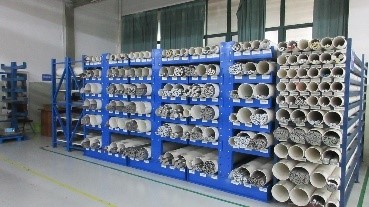
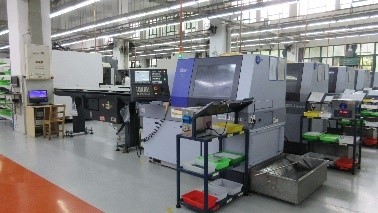
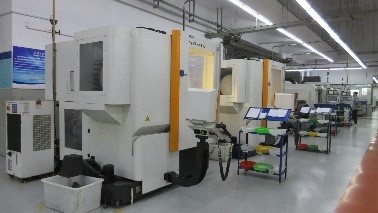
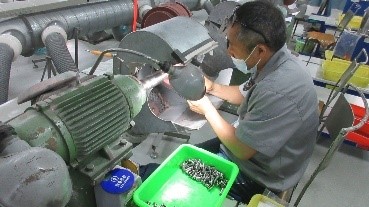
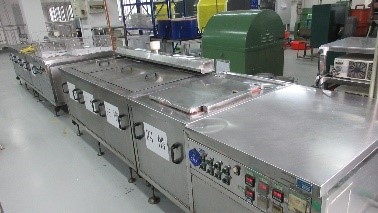
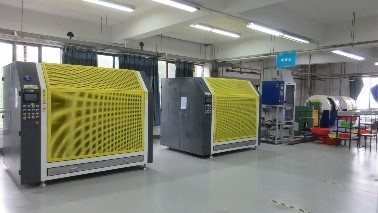
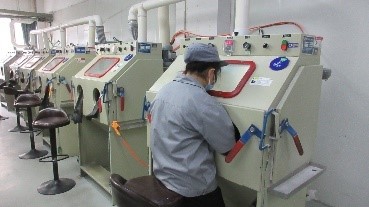
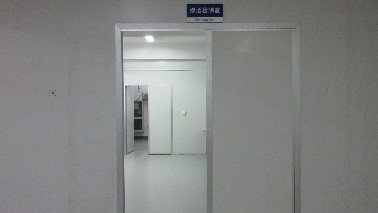
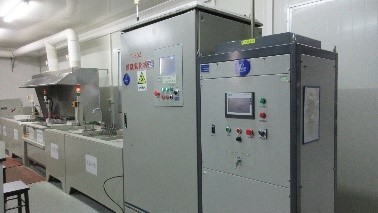
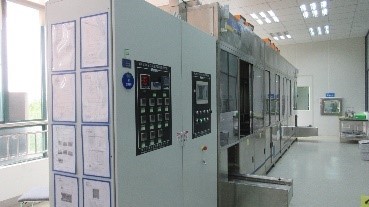
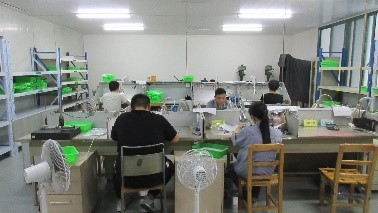
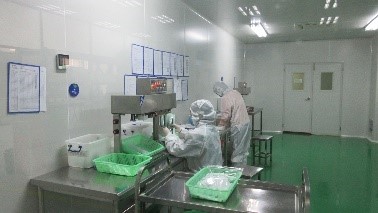
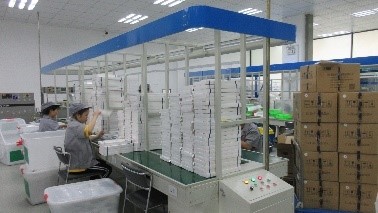
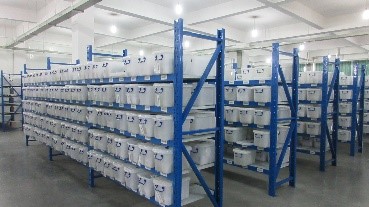
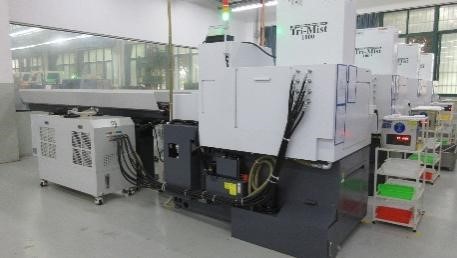
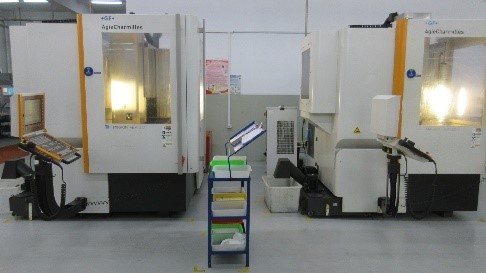
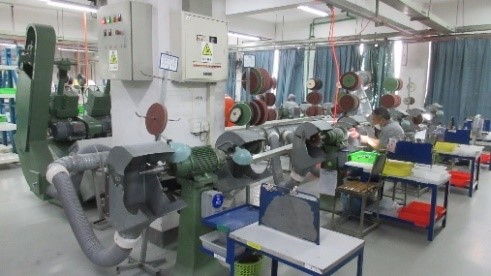
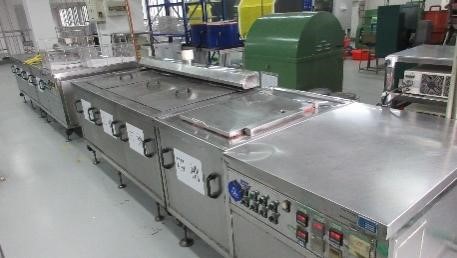
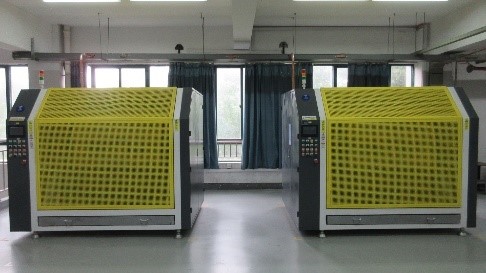
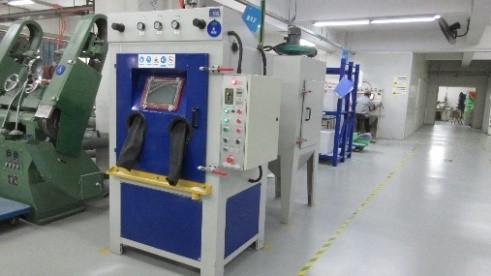
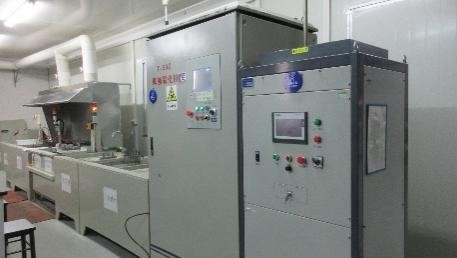
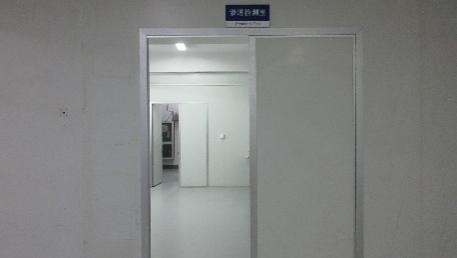
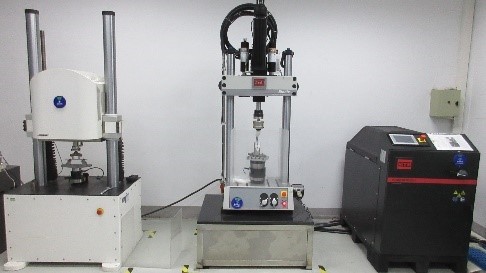
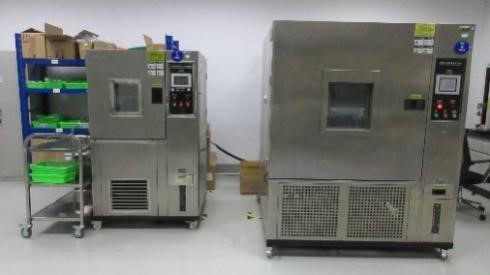
Visual walkthrough of our end-to-end orthopedic production cycle, highlighting safety and quality checkpoints.
Understanding biomechanics, stress-shielding, and next-generation biocompatibility solutions.
Traditional ultra-rigid metallic plates absorb the vast majority of axial loads, leaving the healing bone structurally under-stimulated. Advanced design shifts toward dynamic plate stiffness utilizing tailored titanium designs or carbon-reinforced composites that mimic human cortical bone flexibility.
Standard monoaxial plates restrict the insertion of locking screws to a single predetermined trajectory. Modern polyaxial (variable angle) systems allow angular deviation (typically up to 15 degrees in any direction), giving surgeons the flexibility to target bone fragments and avoid local joint prosthetics.
Type II anodization processes have replaced older passivation techniques. Type II anodization reduces friction, improves fatigue life, and resists cold welding of screws. Emerging systems explore antibacterial silver-ion or osteoinductive coatings to minimize post-operative infection risks.
The next decade of orthopedic traumatology belongs to hybrid configurations. Manufacturers are actively testing magnesium alloy systems that gradually dissolve after structural fusion is achieved, eliminating the need for subsequent plate removal operations. Simultaneously, integrated micro-strain gauges are transitioning from the lab to clinical trials, giving clinicians real-time wireless metrics on bone union progression directly from the implant.
How global suppliers navigate strict verification protocols to guarantee seamless import compliance.
With the transition from MDD to MDR in the European Union, the clinical validation bar has risen. Manufacturers must provide detailed clinical evaluation reports (CER) and carry out Post-Market Clinical Follow-up (PMCF) to maintain active registrations. Direct compliance with FDA's 21 CFR Part 820 is also necessary for US market access.
Navigating cross-border medical device logistics requires accurate HS Code classifications (typically 9021.90 for orthopedic implants). Certified partners offer tailored documentation, including Certificate of Free Sale (CFS), COO legalization, and clean Bill of Lading files, ensuring zero-delay clearing at major global ports.
Implant packaging must guarantee structural sterile integrity for up to 5 years under ISO 11607 standards. Advanced suppliers use dual-barrier Tyvek pouches placed within robust secondary packaging, coupled with internal EO/Gamma chemical exposure indicators to assure operating room readiness.
Expert answers to common engineering, biological, and logistic inquiries from global medical device buyers.
Further product solutions, surgical power systems, and orthopedic hardware from our integrated catalog.