Axiora Medical
Axiora Medical
Axiora Medical
Engineered with micro-precision. Explored by leading orthopaedic surgeons globally for trauma, joint reconstruction, and sports medicine.
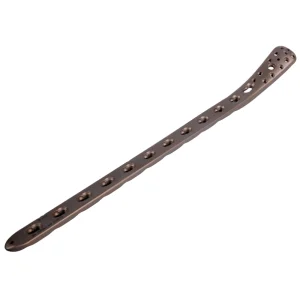
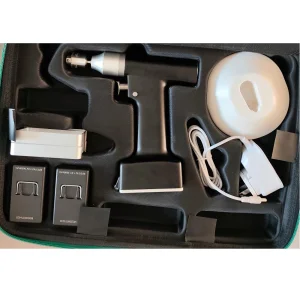
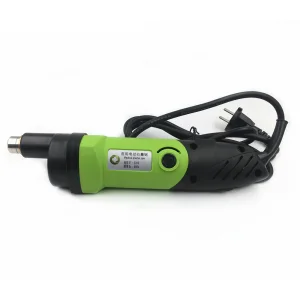
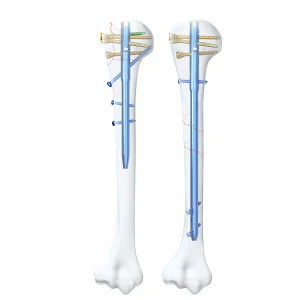
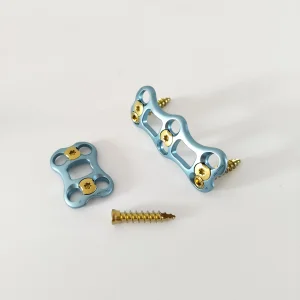
In modern reconstruction, modular orthopedic designs have reshaped clinical strategies. Standardized, one-size-fits-all implants are rapidly giving way to modular configurations that offer patient-specific fit, optimized biomechanics, and minimized tissue trauma.
Transitioning from pure cobalt-chrome to high-grade Titanium alloys (Ti6Al4V ELI) and PEEK (Polyetheretherketone) minimizes stress shielding, improves osseointegration, and reduces metal-on-metal wear debris at modular junctions.
Electron Beam Melting (EBM) and Direct Metal Laser Sintering (DMLS) enable highly customized, trabecular titanium surfaces. These porous structures emulate native bone density and maximize natural biological fixation.
High-end manufacturers now apply specialized surface treatments, micro-finishing, and precise taper geometries to virtually eliminate fretting and crevice corrosion at modular component junctions.
SEO Insight: Modern clinical procurement focuses on reducing revision surgeries. Manufacturers demonstrating long-term modular junction stability and rigorous biomechanical testing conform directly to the high-authority criteria defined by Google's Search Quality Guidelines.
For distributors, OEMs, and hospitals, selecting an orthopedic manufacturing partner involves resolving multi-layered operational, regulatory, and financial criteria. Scalability must align with absolute precision.
Axiora Medical Technology (China) Co., Ltd. is a professional manufacturer specializing in the research, development, production, and global supply of high-quality orthopedic implants and surgical instruments. Our product portfolio covers trauma fixation systems, spinal implants, joint reconstruction solutions, sports medicine products, and related orthopedic surgical instruments.
Established with a commitment to innovation and precision manufacturing, Axiora integrates advanced CNC machining, automated production lines, and strict quality management systems to deliver reliable products that meet international standards. Our experienced engineering team continuously develops innovative solutions to support surgeons and healthcare providers worldwide.
With strong OEM and ODM capabilities, we provide customized manufacturing services according to customers' drawings, samples, and technical requirements. From product design and prototyping to mass production and packaging, our integrated manufacturing process ensures consistent quality, competitive pricing, and on-time delivery.
Today, Axiora exports its orthopedic products to customers across Europe, North America, South America, the Middle East, Southeast Asia, and Africa, building long-term partnerships with medical device distributors, brand owners, hospitals, and healthcare organizations around the world.
| Item | Details |
|---|---|
| Company Name | Axiora Medical Technology (China) Co., Ltd. |
| Brand | Axiora |
| Website | www.axioraortho.com |
| Established | 2017 |
| Factory Area | 18,600 m² |
| Annual Export Revenue | USD 26 Million |
| Export Experience | 8 Years |
| Industry Experience | 15 Years |
| Quality Inspection | 100% Finished Product Inspection & Incoming Material Inspection |
| Product Inspection Methods | Coordinate Measuring Machine (CMM), Tensile Testing, Hardness Testing, Surface Roughness Inspection, Salt Spray Testing |
| Quality Control Staff | 48 |
| Business Type | Manufacturer & Exporter (OEM/ODM) |
| Main Markets | Europe, North America, Middle East, Southeast Asia, South America |
| Supply Chain Partners | 1,120 |
| Main Customer Types | Medical Device Brands, Importers, Distributors, Hospitals, Government Procurement Projects |
| R&D Capability | Independent Product Development, Reverse Engineering, OEM & ODM Solutions |
| Customization Options | Logo Printing, Private Label, Custom Packaging, Product Design, Material Selection, Drawing-Based Manufacturing |
| New Products Released Last Year | 126 |
| R&D Engineers | 86 |
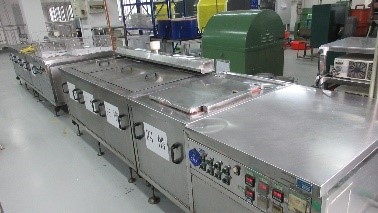
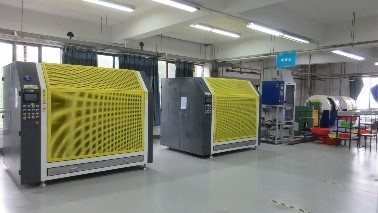
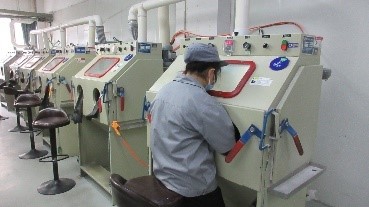
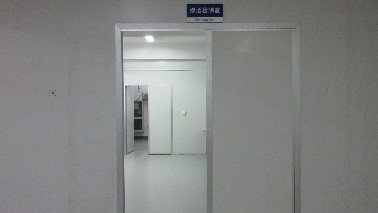
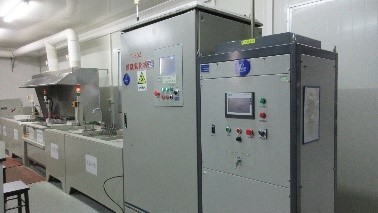
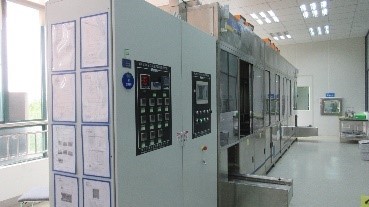
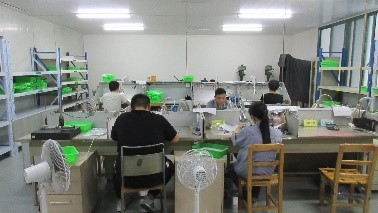
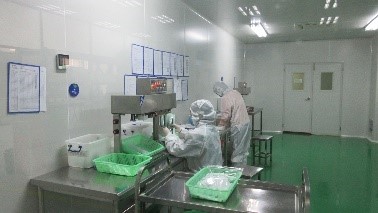
Our facility operates inside a standardized, state-of-the-art production ecosystem. From material selection to final sterile packing, each station adheres to rigid GMP requirements.
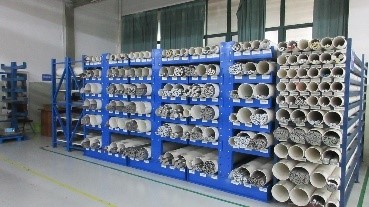
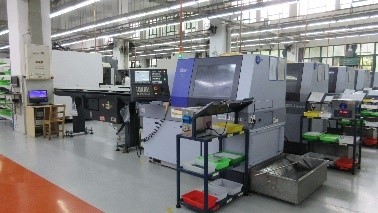
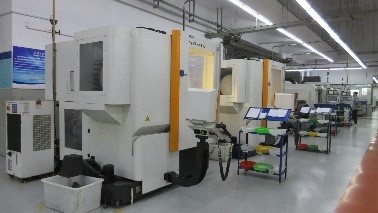
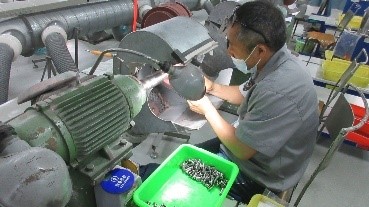
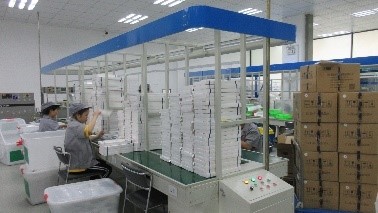
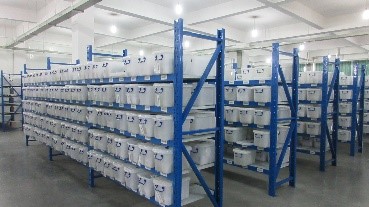
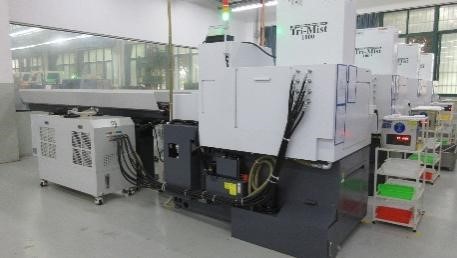
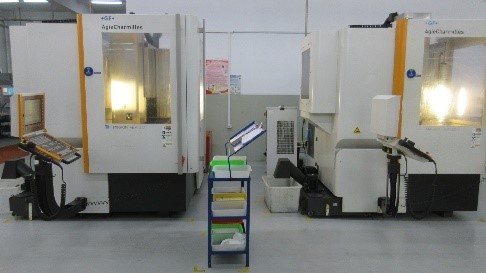
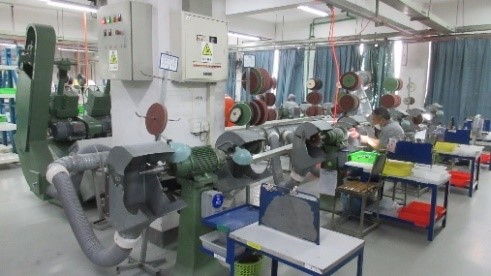
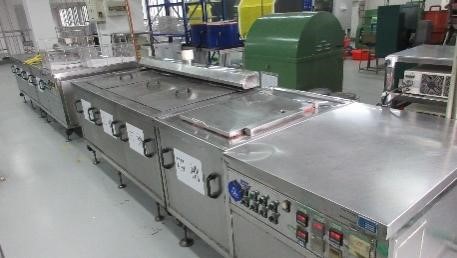
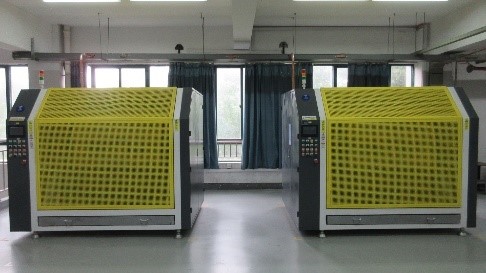
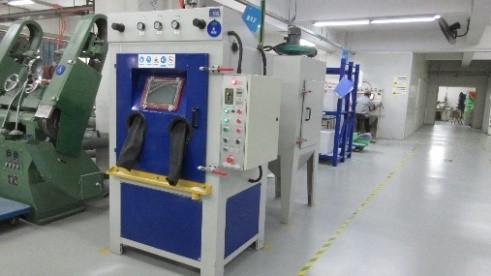
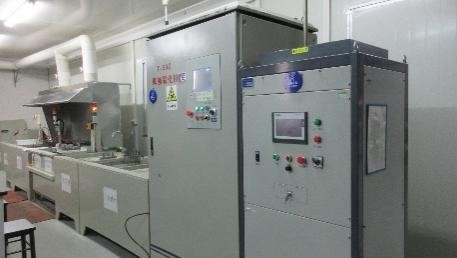
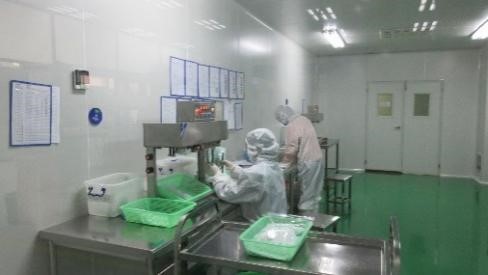
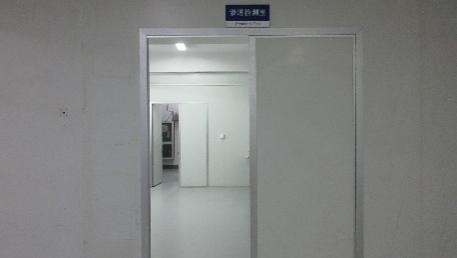
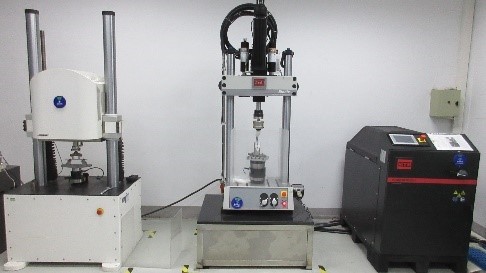
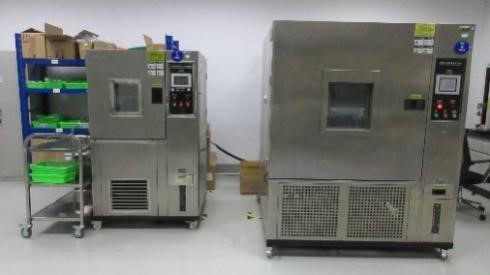
In high-stake medical manufacturing, scaling from a prototype to a regulatory-compliant production line demands deep engineering knowledge. Axiora acts as an extensions of our partner's R&D teams.
Utilizing high-end coordinate coordinate measuring machines (CMM) and specialized CAD software, we reverse-engineer, modify, and optimize custom geometries for customized implants.
With static, dynamic tension, and fatigue testers (axial/torsional loads), our structural engineers ensure implants withstand millions of gait cycles without mechanical yielding.
From type II anodization of titanium components (improving wear resistance) to acid etching and grit blasting, we configure optimal surface properties targeted to clinical demands.
Navigating global market clearances requires a manufacturing partner with transparent quality structures and deep familiarity with international compliance standards.
Comprehensive quality management system compliance customized specifically for the medical device industry.
Stringent conformity processes satisfying high-risk implant directives under EU regulations.
Validated packaging systems, biological evaluation records, and traceability pathways aligned with US requirements.
Aseptic packaging operated under strict Class 10,000 (ISO Class 7) configurations with micro-particle limits.
As orthopedic solutions advance toward digitalization, Axiora is actively integrating technologies to enhance product accuracy and surgeon workflow performance.
Integration of micro-sensors into modular junctions to capture real-time load distribution, kinematic tracking, and telemetry data post-operation.
Development of magnesium alloys and next-generation bio-absorbable polymers that temporarily assist structural fixation and slowly degrade as tissue heals.
Connecting CAD systems to preoperative planning AI software, generating precise patient-matched cut guides and matching implants within minutes.
Clear, expert-reviewed answers addressing key technical and business inquiries from orthopedic sourcing officers and distributors.
Complete line of spinal fixation components, joint reconstruction inserts, and high-precision instruments for comprehensive clinical portfolios.