Axiora Medical
Axiora Medical
Axiora Medical
Occipito-cervical fixation (OCF) represents one of the most critical interventions in complex spine surgery. It is performed to stabilize the craniocervical junction (CCJ), which comprises the occipital bone, the atlas (C1), and the axis (C2). This anatomical zone requires exceptional mobility and bears substantial mechanical stress. Unstable configurations—caused by rheumatoid arthritis, severe trauma, oncology metastases, or congenital malformations—require internal stabilization through high-precision implants.
From an engineering perspective, OCF implants must withstand complex multi-directional force profiles, including flexion, extension, lateral bending, and axial rotation. Achieving stable fusion at the craniocervical interface demands high-strength biomaterials (typically Grade 5 Titanium Alloy (Ti-6Al-4V ELI) or PEEK) that provide optimal biocompatibility, fatigue resistance, and artifact reduction during postoperative MRI or CT scanning.
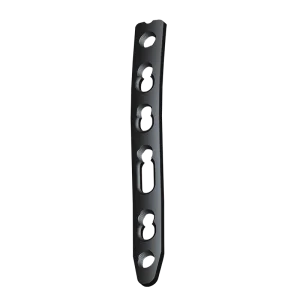
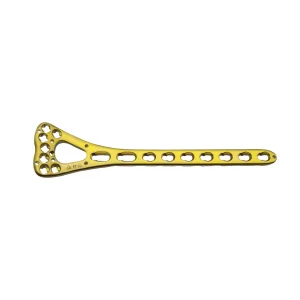
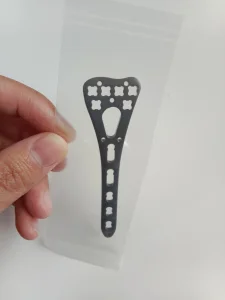
Plates must match the complex curvature of the occiput, featuring low-profile designs to prevent soft-tissue irritation and multiple screw positioning holes to navigate around the thickest areas of bone safely.
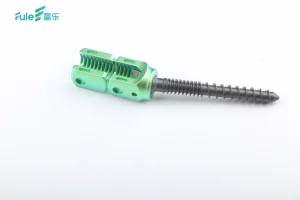
Pedicle and lateral mass screws need to offer generous angulation (up to 40-50 degrees) to allow surgeons to accommodate complex anatomy without sacrificing fixation stability.
High-quality rod-to-rod connectors and transitional rods (often 3.2mm to 4.5mm or 5.5mm diameters) must transition smoothly to bridge cervical constructs into upper thoracic assemblies.
When procurement officers, medical brand owners, and hospital networks evaluate global occipito-cervical fixation suppliers, they face complex logistical, clinical, and regulatory challenges. A single failure in manufacturing accuracy can lead to devastating surgical failures. Therefore, evaluation frameworks should prioritize the following parameters:
Axiora Medical Technology (China) Co., Ltd. is a professional manufacturer specializing in the research, development, production, and global supply of high-quality orthopedic implants and surgical instruments. Our product portfolio covers trauma fixation systems, spinal implants, joint reconstruction solutions, sports medicine products, and related orthopedic surgical instruments.
Established with a commitment to innovation and precision manufacturing, Axiora integrates advanced CNC machining, automated production lines, and strict quality management systems to deliver reliable products that meet international standards. Our experienced engineering team continuously develops innovative solutions to support surgeons and healthcare providers worldwide.
With strong OEM and ODM capabilities, we provide customized manufacturing services according to customers' drawings, samples, and technical requirements. From product design and prototyping to mass production and packaging, our integrated manufacturing process ensures consistent quality, competitive pricing, and on-time delivery.
Today, Axiora exports its orthopedic products to customers across Europe, North America, South America, the Middle East, Southeast Asia, and Africa, building long-term partnerships with medical device distributors, brand owners, hospitals, and healthcare organizations around the world.
| Item | Details |
|---|---|
| Company Name | Axiora Medical Technology (China) Co., Ltd. |
| Brand | Axiora |
| Website | www.axioraortho.com |
| Established | 2017 |
| Factory Area | 18,600 m² |
| Annual Export Revenue | USD 26 Million |
| Export Experience | 8 Years |
| Industry Experience | 15 Years |
| Quality Inspection | 100% Finished Product Inspection & Incoming Material Inspection |
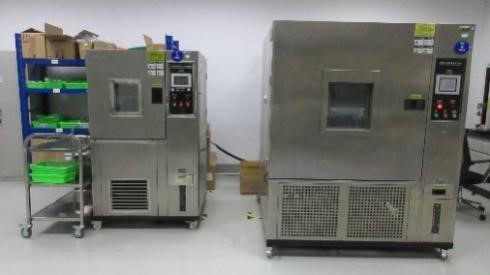
| Product Inspection Methods | Coordinate Measuring Machine (CMM), Tensile Testing, Hardness Testing, Surface Roughness Inspection, Salt Spray Testing |
| Quality Control Staff | 48 |
| Business Type | Manufacturer & Exporter (OEM/ODM) |
| Main Markets | Europe, North America, Middle East, Southeast Asia, South America |
| Supply Chain Partners | 1,120 |
| Main Customer Types | Medical Device Brands, Importers, Distributors, Hospitals, Government Procurement Projects |
| R&D Capability | Independent Product Development, Reverse Engineering, OEM & ODM Solutions |
| Customization Options | Logo Printing, Private Label, Custom Packaging, Product Design, Material Selection, Drawing-Based Manufacturing |
| New Products Released Last Year | 126 |
| R&D Engineers | 86 |
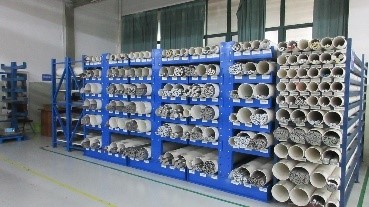
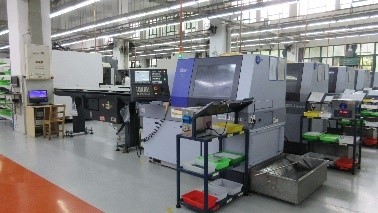
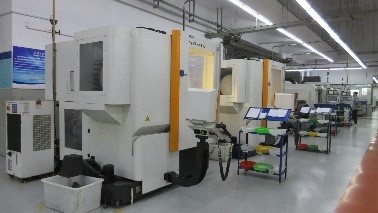
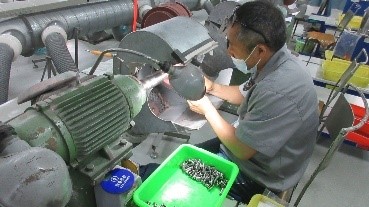
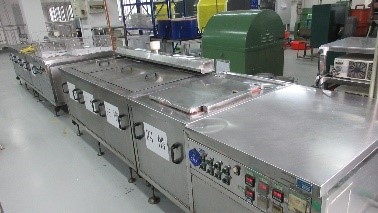
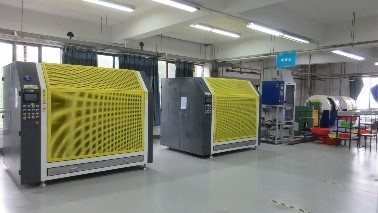
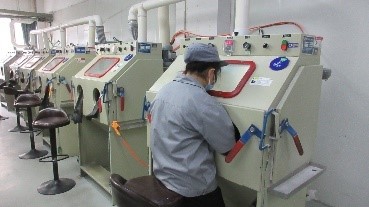
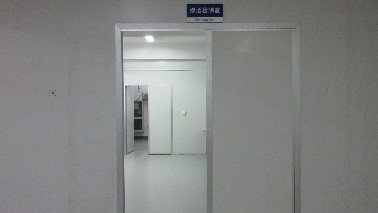
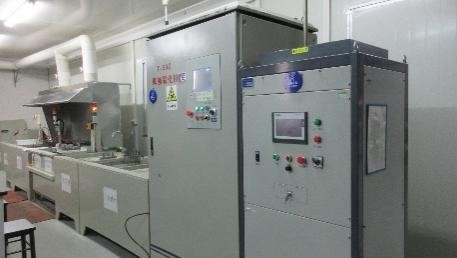
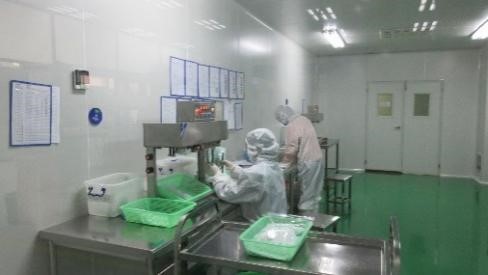
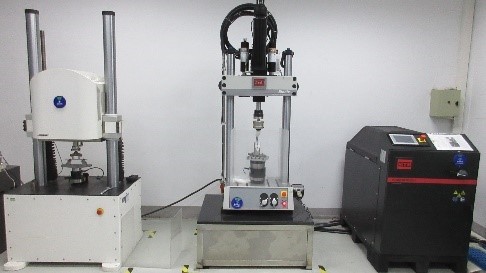
From raw medical titanium bars to certified sterile-ready packaging, Axiora operates a fully integrated, vertically controlled manufacturing ecosystem. Explore our factory departments below:
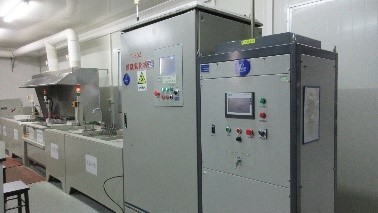
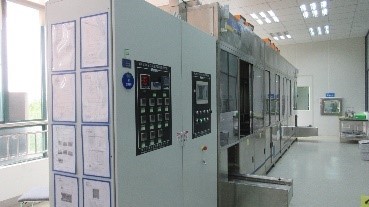
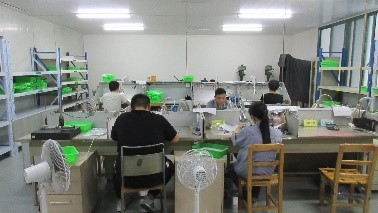
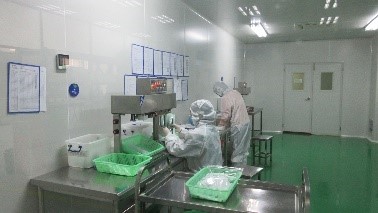
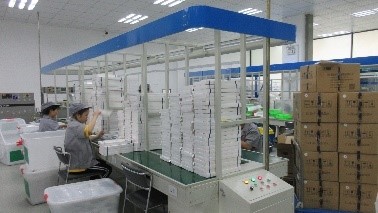
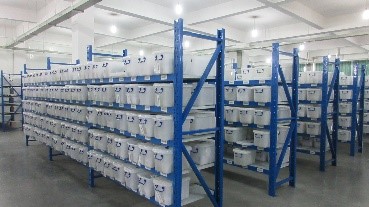
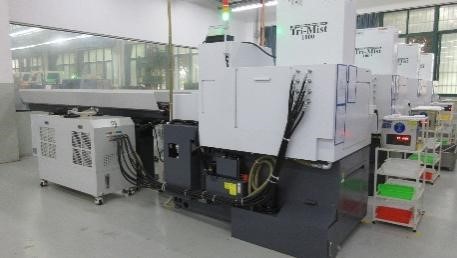
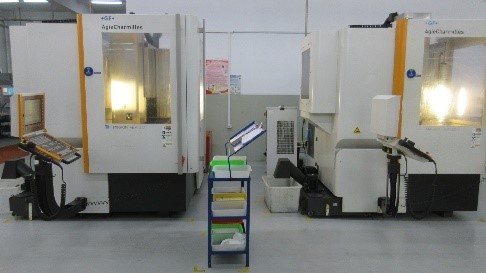
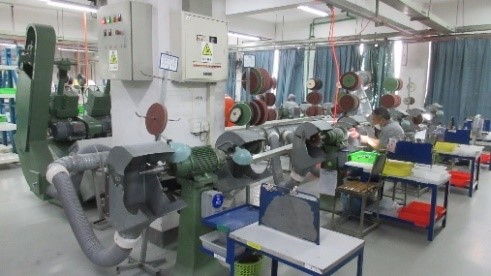
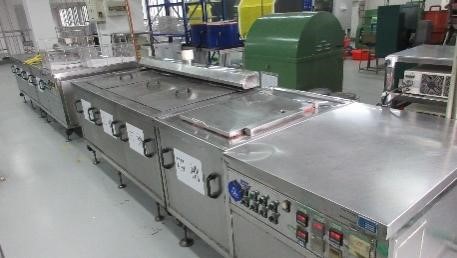
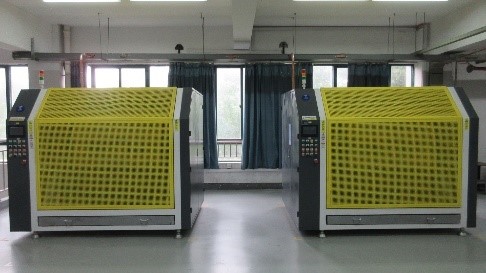
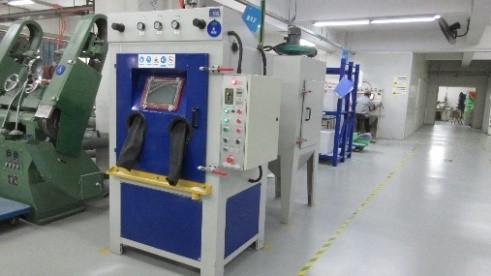
Sourcing spinal implants from China, particularly through specialized manufacturers like Axiora, delivers significant strategic advantages to global buyers. In the high-stakes sector of orthopedic surgery, balancing costs with uncompromising quality control is paramount.
China is home to extensive industrial clusters for titanium production, notably in Baoji (known as "Titanium Valley"). This proximity ensures immediate access to premium medical-grade Grade 5 (Ti-6Al-4V ELI) and Grade 2 titanium bars. Because raw materials are sourced locally under strict metallurgical verification, global freight risks and material markups are virtually eliminated, translating directly to cost efficiency.
Axiora operates high-throughput, multi-axis Swiss-type longitudinal cutting lathes and specialized CNC centers. Automation ensures that high-volume orders—whether custom pediatric occipital plates or large runs of MIS polyaxial pedicle screws—are completed with surgical precision (tolerances within ±0.005mm) and with lead times that are 30% to 50% shorter than European or North American manufacturing facilities.
By employing a specialized R&D division of 86 engineers, China's manufacturers can rapidly translate clinical feedback into CAD adjustments. Reverse engineering, rapid prototyping, and test verification can occur in weeks rather than months. The lower cost of engineering and technical operations in China allows manufacturers to absorb development costs, making OEM/ODM custom development economically viable for mid-sized medical distributors.
Sourcing medical implants globally is impossible without comprehensive regulatory compliance. Every market has unique pre-market notification guidelines and quality control standards. Axiora addresses these roadblocks by providing robust regulatory support to secure importation approvals and clinical trust:
Under the EU's Medical Device Regulation (MDR 2017/745), technical documentation requirements have surged. Axiora provides full Technical File compilations—including biocompatibility dossiers (ISO 10993), clinical evaluation reports (CER), and mechanical verification reports—enabling smooth audits by Notified Bodies.
For North American and South American distributors, we facilitate equivalence evaluations. We supply testing data matching predicate devices for mechanical strength (static compression, tension, and torsion) to accelerate FDA 510(k) clearances and ANVISA registration processes.
Furthermore, our localization program offers custom labeling, multi-language instruction manuals (IFUs), localized sterilization indicator designs, and tailored logistics configurations to bypass customs holdups. Our team guarantees rapid delivery with complete chain-of-custody documentation, including material mill certificates and sterilization indicators.
Occipito-cervical fixation constructs are deployed across diverse clinical scenarios, each requiring specific design modifications:
High-energy accidents causing atlanto-occipital dislocation require immediate stabilization. Suppliers must provide rigid pre-bent transitional rods that can stabilize the head relative to the neck without dynamic displacement during post-trauma healing.
Metastatic tumors destroying the C1 or C2 vertebrae call for modular constructs. Surgeons must be able to anchor rods into the healthy occiput above and down to the upper thoracic spine, bypassing the compromised cervical segments.
Congenital malformations in pediatric patients demand ultra-low-profile mini occipital plates. These plates must accommodate thinner cranial bone structures and growth patterns without causing pressure necrosis on the scalp.
The spinal implant landscape is undergoing rapid technological transformation. Forward-thinking suppliers and distributors are adapting to three core technological trends:
Axiora primary implants (occipital plates, polyaxial screws, set screws, and rods) are machined from premium Grade 5 Titanium Alloy (Ti-6Al-4V ELI) conforming to ASTM F136 standards. This guarantees high tensile strength, exceptional fatigue life, and superior biocompatibility.
Yes, we have 15 years of industry experience and an R&D team of 86 engineers. We provide comprehensive OEM/ODM services, including CAD design, reverse engineering from samples, rapid SLA prototyping, mechanical verification, and custom branding/packaging.
Our manufacturing involves 100% finished product inspection using state-of-the-art Coordinate Measuring Machines (CMM), surface roughness checkers, and go/no-go thread gauges. Our quality control department has 48 dedicated specialists to ensure zero defects reach our buyers.
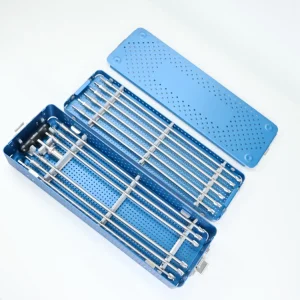
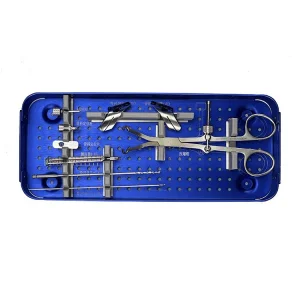
Absolutely. We supply comprehensive surgical instrument cases containing specialized screwdrivers, torque wrenches, plate benders, drill guides, tapers, and trial templates. These instruments are crafted from high-grade autoclavable stainless steel and PEEK.
Standard product configurations can be shipped within 15 to 30 days. For custom OEM runs, the typical cycle is 45 to 60 days, including prototyping, testing, and regulatory documentation clearance.