Axiora Medical
Axiora Medical
Axiora Medical
High-precision orthopedic surgical components designed for advanced clinical reconstruction, trauma intervention, and joint replacement procedures.
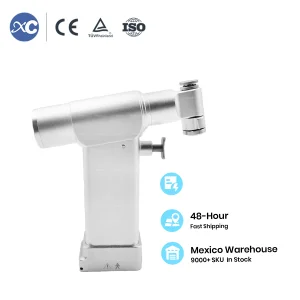
The global orthopedic surgery sector is undergoing a rapid technological evolution, driven by the demands of minimally invasive surgery (MIS), patient-specific implants, and the integration of digital ecosystems within the operating theater. At the center of this transformation are orthopedic bone drills and surgical power tool systems. These instruments represent the primary mechanical interface between the orthopedic surgeon and the human skeleton, where torque, rotational velocity, heat dissipation, and ergonomic balance directly impact clinical outcomes.
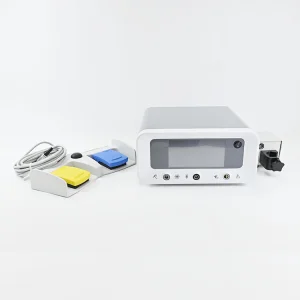
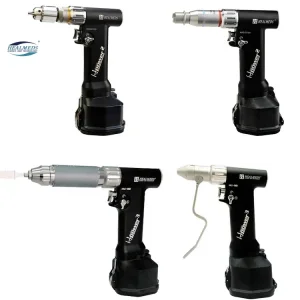
Modern clinical practices demand versatile, highly reliable, and autoclavable drive units. High-performance bone drills must maintain rigorous functional parameters under extreme conditions, including high-temperature steam sterilization (typically at 134°C for pre-vacuum autoclave processes) and constant exposure to biological fluids. The transition from legacy pneumatic systems to advanced battery-powered brushless DC (BLDC) motor platforms has revolutionized the surgical field, offering unprecedented freedom of movement and real-time control.
Integration of intelligent brushless DC (BLDC) motors maximizes torque transfer and mechanical efficiency while minimizing thermal footprint. Lightweight alloys reduce surgeon fatigue during prolonged procedures.
Modern power tools utilize high-grade sealing technologies (IPX7 and IPX8 ratings) to withstand aggressive washing-disinfecting protocols and repeated autoclaving without degrading electronic integrity.
Surgical power tools are increasingly designed with communication modules that interface with computer-assisted navigation and robotic guidance systems, ensuring path alignment and drill depth control.
One of the primary technical challenges in orthopedic drilling is the prevention of thermal osteonecrosis—the death of bone cells due to frictional heat generated during drilling. Research indicates that exposing bone tissue to temperatures exceeding 47°C for more than one minute leads to irreversible cellular damage, compromising the structural stability of the subsequent implant. High-end manufacturers address this through optimized flute geometries on drill bits, precise speed control systems (typically ranging from 0 to 1,200 RPM), and integrated irrigation channels that deliver sterile saline directly to the cutting edge.
A leading professional manufacturer and exporter specializing in trauma fixation systems, spinal implants, joint reconstruction, and surgical power systems.
Axiora integrates advanced CNC machining, automated production lines, and strict quality management systems to deliver reliable products that meet rigorous international standards. With strong OEM and ODM capabilities, we provide customized manufacturing services according to clients' drawings, samples, and technical specifications.
"Our engineering team continuously designs, tests, and refines high-performance surgical systems to support clinical excellence and simplify surgical workflows globally."
Dedicated to orthopedic engineering and clinical application advancements.
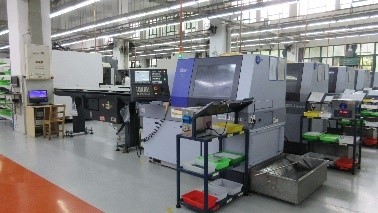
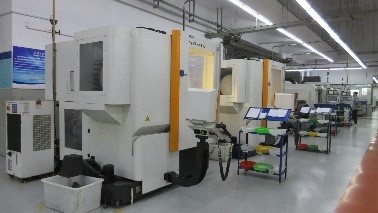
Modern manufacturing base featuring advanced CNC machining and cleanrooms.
Serving medical distributors, hospitals, and medical device brands worldwide.
Driving reverse engineering, mechanical innovation, and regulatory filings.
| Strategic Parameters | Operational Details |
|---|---|
| Company Name | Axiora Medical Technology (China) Co., Ltd. |
| Brand Portfolio | Axiora |
| Established Year | 2017 |
| Export Footprint | 8 Years of Global Delivery Experience |
| Quality Control Staff | 48 Quality Assurance Specialists |
| Inspection Scope | 100% Finished Product Inspection & Incoming Material Inspection |
| Metrology & Inspection Methods | Coordinate Measuring Machine (CMM), Tensile Testing, Hardness Testing, Surface Roughness Inspection, Salt Spray Testing |
| Business Model | Manufacturer & Exporter (OEM / ODM / Contract Manufacturing) |
| Target Regions | Europe, North America, Middle East, Southeast Asia, South America |
| Supply Chain Ecosystem | 1,120 Active Global Partners |
| Customization Capabilities | Laser Marking, Private Labeling, Custom Sterilization Trays, Material Sourcing (ASTM F136 Titanium, PEEK, 316LVM) |
| Innovation Index | 126 New Product Lines Commercialized Globally Last Year |
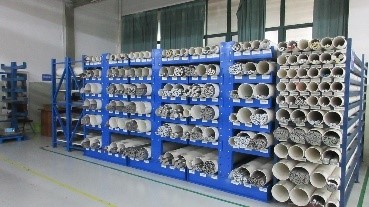
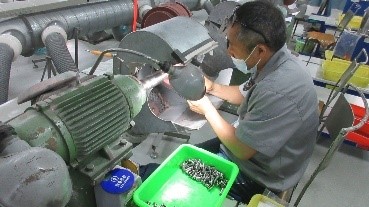
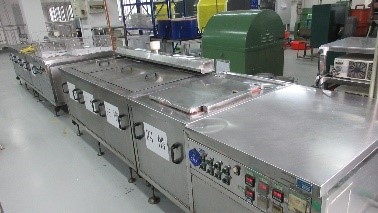
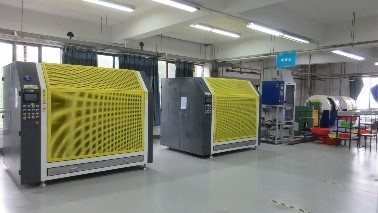
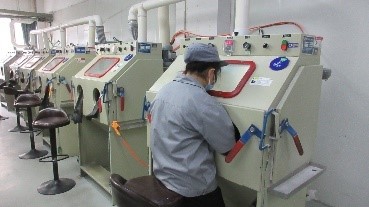
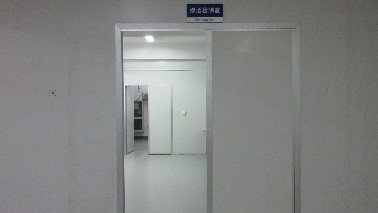
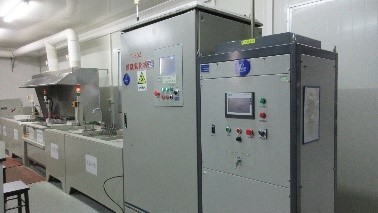
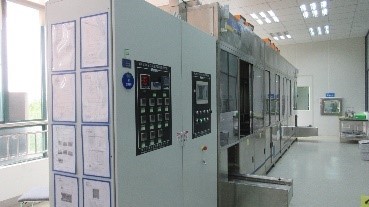
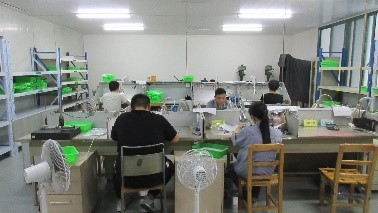
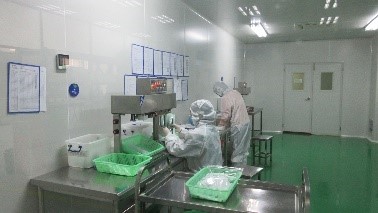
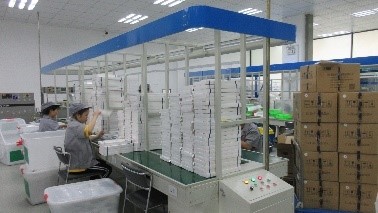
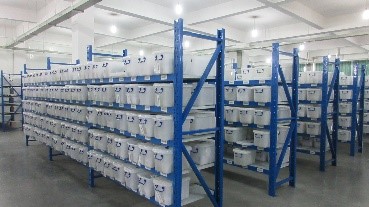
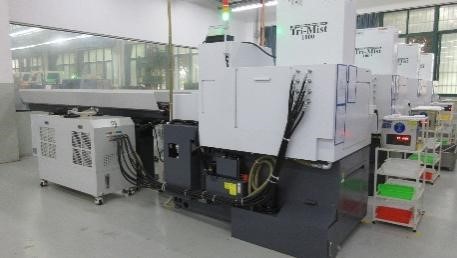
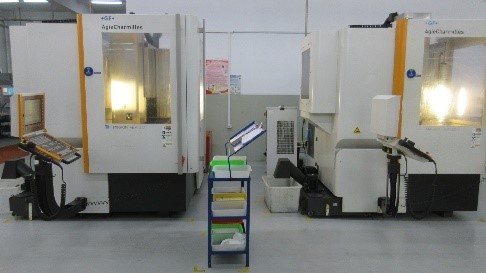
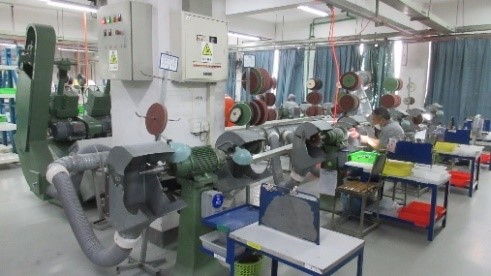
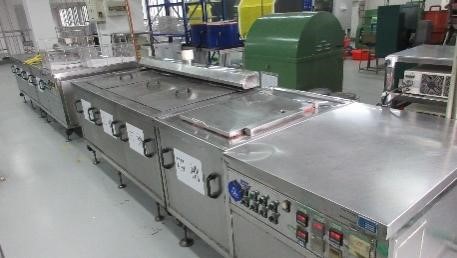
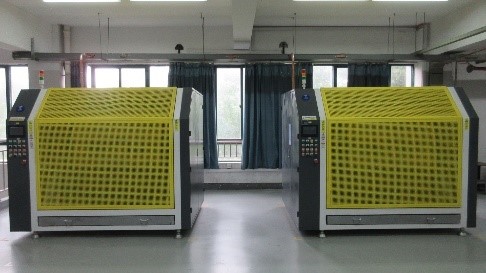
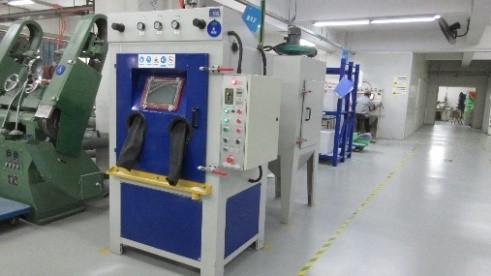
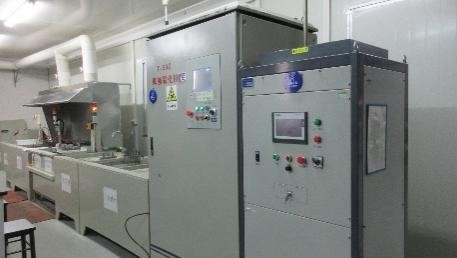
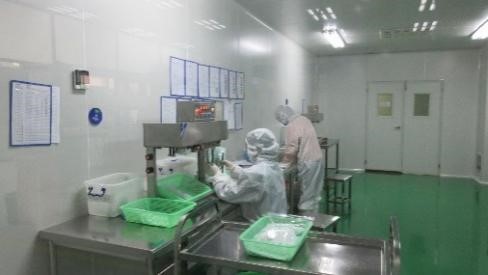
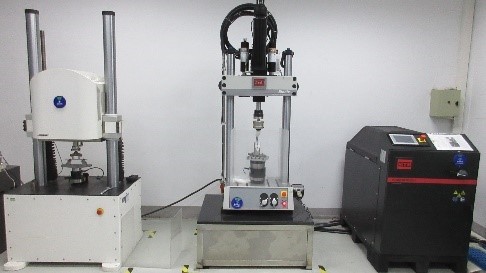
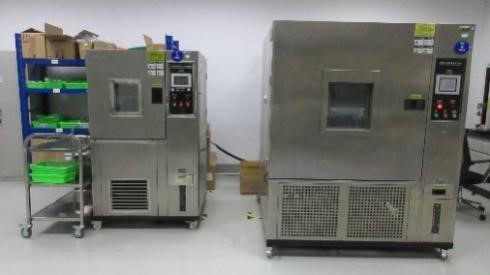
Explore the state-of-the-art production operations inside the Axiora manufacturing complex, illustrating step-by-step processing from raw metals to sterile-packed surgical units.
Sourcing orthopaedic surgical power tools and associated implant hardware requires a deep understanding of total cost of ownership (TCO), material performance, and regulatory compliance. Hospitals, large-scale medical group purchasing organizations (GPOs), and international distributors balance clinical preference with stringent fiscal boundaries. To successfully source high-performance equipment, procurement teams must evaluate manufacturers across several key areas:
The global regulatory environment has tightened, particularly with the implementation of the European Union Medical Device Regulation (EU MDR 2017/745) and strict FDA 510(k) clearances in the United States. Suppliers must provide comprehensive documentation detailing compliance with:
Procurement teams prioritize modular systems that allow surgeons to quickly switch attachments (e.g., swapping a high-speed drilling chuck for a sagittal cutting head or a reamer attachment). This adaptability reduces capital expenditure and minimizes cleanroom sterilization backlogs. Modular systems must maintain rotational velocity stability across various load conditions, ensuring clean bone cuts and accurate screw pilot holes.
Modern lithium-ion battery packs must be engineered to withstand at least 500 sterilization cycles without significant capacity degradation. Advanced systems feature dual-battery configurations, where one pack powers the unit while the second is docked in an intelligent charging station. These systems prevent mid-procedure power loss and feature microprocessors that limit cell temperatures to safe margins during rapid charging.
Orthopedic surgeries are mechanical reconstruction procedures that require exact compatibility between preparation instruments (drills, reamers, taps) and fixation implants (plates, screws, intramedullary nails). Misalignments in drill diameters, pilot hole depth, or implant screw pitch can lead to primary mechanical failure, screw strip-out, or malunion. Axiora solves this challenge through integrated design and engineering protocols:
We ensure that all cutting tools, guide sleeves, and screw delivery systems are engineered together, minimizing tolerance errors. This approach prevents pilot-hole stripping and maintains implant stability.
By controlling surface roughness and applying biocompatible color-anodization, we help surgical teams easily identify corresponding tools and implants under operating room lighting.
We integrate Unique Device Identification (UDI) laser marking on all surgical tools and implants, enabling complete tracking from raw material through autoclave processing to final patient application.
As digital health technologies evolve, the future of orthopedic power tools lies in smart sensing and automation. The next generation of surgical drills will integrate sensor arrays capable of measuring bone density in real time, automatically stopping the motor before breaching the far cortex (avoiding soft tissue injury). This depth-sensing capability, combined with dynamic torque measurements, will allow drills to automatically identify transitions between cortical bone, cancellous bone, and critical neurovascular bundles.
Axiora's R&D efforts focus on introducing wireless data transmitters into our smart drill handles. These transmitters will capture and analyze mechanical load parameters during surgery, helping surgeons evaluate bone quality and plan optimal implant placement. Furthermore, we are developing lightweight, carbon-fiber reinforced drive casings to reduce instrument weight while maintaining structural strength during high-pressure orthopedic procedures.
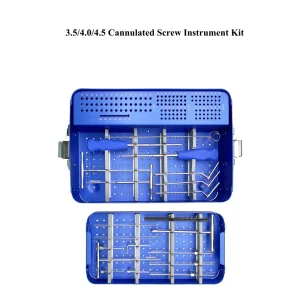
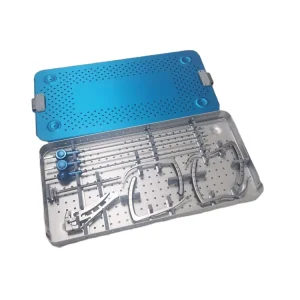
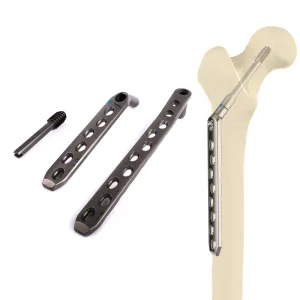
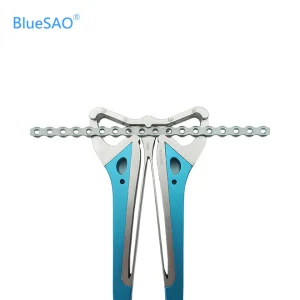
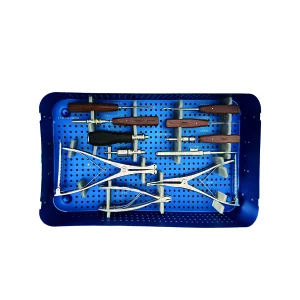
Explore our specialized surgical instrument trays, dynamic compression plate assemblies, and veterinary-specific power tools.