Axiora Medical
Axiora Medical
Axiora Medical
Explore our highly certified, precision-engineered surgical portfolio designed for orthopedic clinics and global medical distributors.
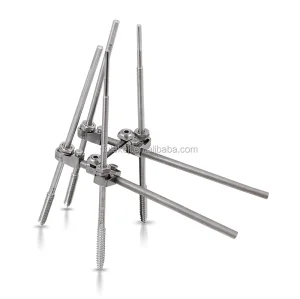
Posterior cervical fixation has undergone massive clinical paradigm shifts over the last three decades. Once dependent on simple sublamina wiring and structural bone grafts, modern spine surgery relies on highly complex, rigid screw-and-rod constructs to ensure immediate biomechanical stability and long-term solid arthrodesis. These systems are crucial in addressing subaxial instabilities, spinal subluxations, multi-level degenerative diseases, post-laminectomy kyphosis, and acute traumatic cervical spine injuries.
From an anatomical perspective, the cervical spine demands precise, low-profile implants. The dense presence of critical neural and vascular structures (such as the vertebral artery and cervical nerve roots) leaves zero margin for error. Top suppliers design modern posterior cervical stabilization devices to offer maximum polyaxial screw angulation, allowing surgeons to optimize screw placement without compromising anatomical structures. The use of medical-grade Titanium Alloy (typically Ti-6Al-4V ELI conforming to ASTM F136 standards) has become the gold standard due to its unmatched biocompatibility, dynamic elasticity close to human bone tissue, and minimal interference with post-operative MRI scans.
Enables up to 45 degrees of multi-planar screw angulation, simplifying lateral mass and pedicle screw trajectories in tortuous anatomy.
Utilization of high-purity ASTM F136 Ti-6Al-4V ELI and medical PEEK to improve biocompatibility and osseointegration.
Miniaturized implant heights designed to minimize post-operative soft-tissue impingement and reduce dysphagia risks.
Procuring spinal instrumentation systems requires rigorous verification of quality management frameworks. Hospital networks, military medical services, and global importers face the challenge of sourcing components that offer perfect compatibility across different patient physiologies. Buyers must evaluate the structural integrity and compliance certifications of prospective orthopedic device manufacturers.
When selecting a supplier, direct manufacturers with integrated R&D departments stand out. Direct access to engineers allows for custom instruments, personalized OEM labeling, and prompt regulatory support, significantly reducing lead times compared to general trading companies.
Years Industry Experience
State-Of-The-Art Factory
Annual Export Revenue
Global Supply Partners
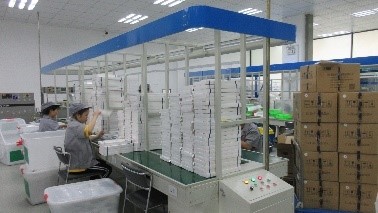
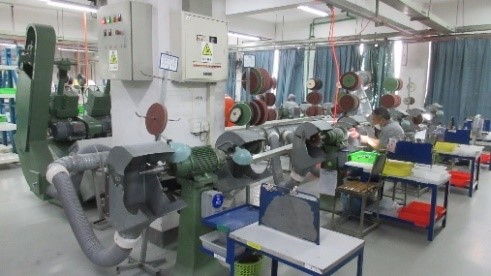
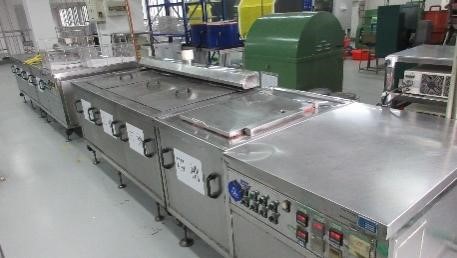
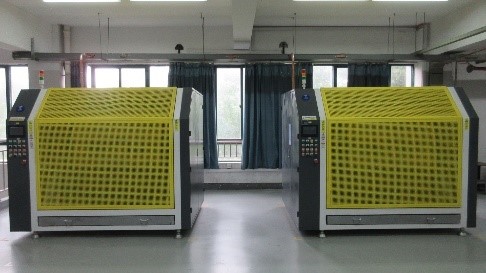
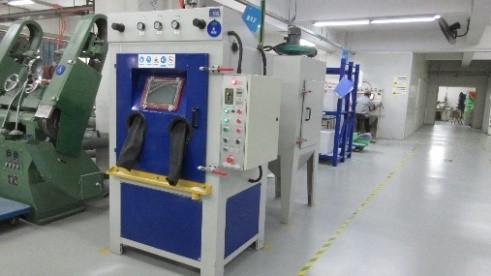
The global medical supply chain is shifting towards partners capable of scaling production without compromising quality. Chinese factories, particularly those utilizing Industry 4.0 principles, have moved beyond low-cost production to focus on advanced technological capability. Through continuous investment in high-end machinery and automated quality control, leading Chinese orthopedic manufacturers are delivering products with micro-tolerances comparable to established European and American brands.
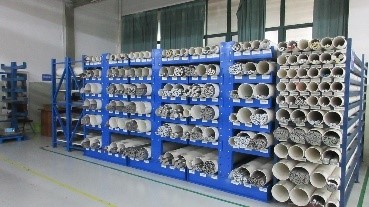
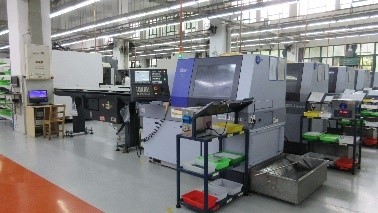
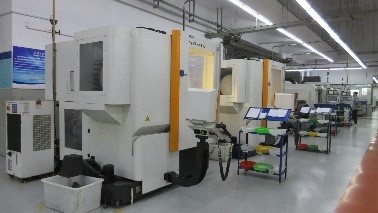
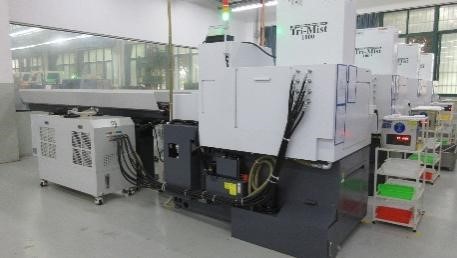
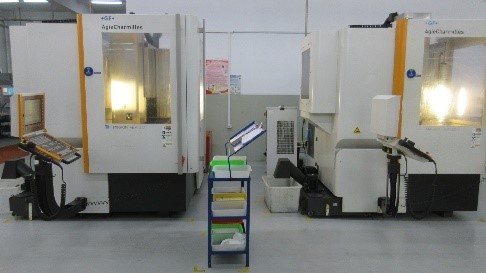
By using Swiss-type Citizen longitudinal cutting lathes and multi-axis CNC milling centers, manufacturers can machine intricate screw threads, polyaxial heads, and cross-connector components in a single setup. This minimizes human error and guarantees dimensional consistency across production batches. Furthermore, the implementation of localized supply chains within medical technology clusters guarantees access to high-purity medical-grade titanium alloys and ultra-precise finishing materials. Even during global supply shocks, these integrated ecosystems maintain reliable delivery times, offering strategic backup options for global brand owners and distributors.
Axiora Medical Technology (China) Co., Ltd. is a professional manufacturer specializing in the research, development, production, and global supply of high-quality orthopedic implants and surgical instruments. Our product portfolio covers trauma fixation systems, spinal implants, joint reconstruction solutions, sports medicine products, and related orthopedic surgical instruments.
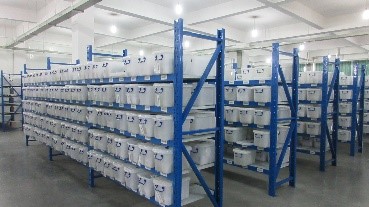
Established with a commitment to innovation and precision manufacturing, Axiora integrates advanced CNC machining, automated production lines, and strict quality management systems to deliver reliable products that meet international standards. Our experienced engineering team continuously develops innovative solutions to support surgeons and healthcare providers worldwide.
With strong OEM and ODM capabilities, we provide customized manufacturing services according to customers' drawings, samples, and technical requirements. From product design and prototyping to mass production and packaging, our integrated manufacturing process ensures consistent quality, competitive pricing, and on-time delivery.
Today, Axiora exports its orthopedic products to customers across Europe, North America, South America, the Middle East, Southeast Asia, and Africa, building long-term partnerships with medical device distributors, brand owners, hospitals, and healthcare organizations around the world.
| Item | Details |
|---|---|
| Company Name | Axiora Medical Technology (China) Co., Ltd. |
| Brand | Axiora |
| Website | www.axioraortho.com |
| Established | 2017 |
| Factory Area | 18,600 m² |
| Annual Export Revenue | USD 26 Million |
| Export Experience | 8 Years |
| Industry Experience | 15 Years |
| Quality Inspection | 100% Finished Product Inspection & Incoming Material Inspection |
| Product Inspection Methods | Coordinate Measuring Machine (CMM), Tensile Testing, Hardness Testing, Surface Roughness Inspection, Salt Spray Testing |
| Quality Control Staff | 48 |
| Business Type | Manufacturer & Exporter (OEM/ODM) |
| Main Markets | Europe, North America, Middle East, Southeast Asia, South America |
| Supply Chain Partners | 1,120 |
| Main Customer Types | Medical Device Brands, Importers, Distributors, Hospitals, Government Procurement Projects |
| R&D Capability | Independent Product Development, Reverse Engineering, OEM & ODM Solutions |
| Customization Options | Logo Printing, Private Label, Custom Packaging, Product Design, Material Selection, Drawing-Based Manufacturing |
| New Products Released Last Year | 126 |
| R&D Engineers | 86 |
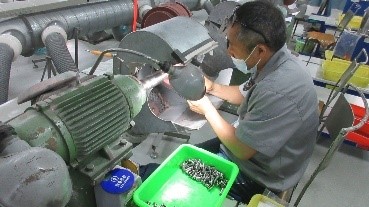
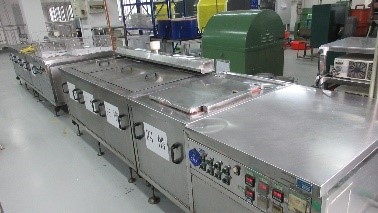
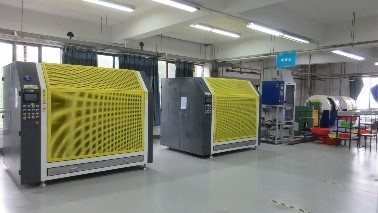
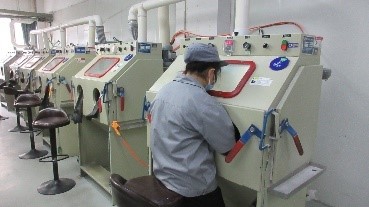
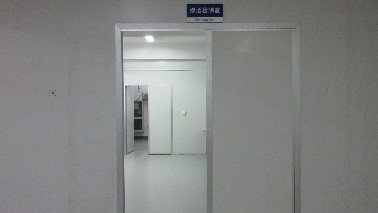
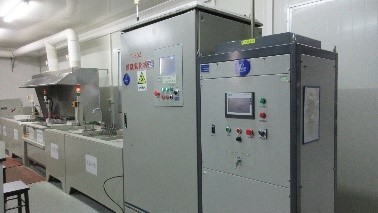
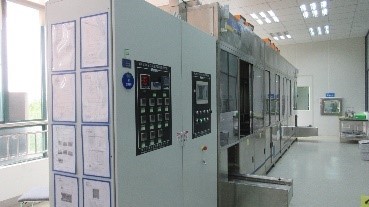
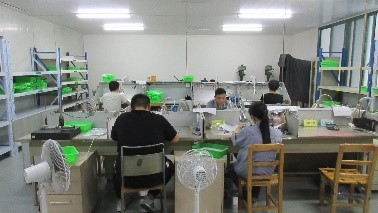
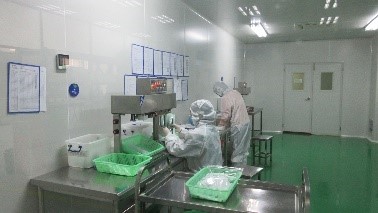
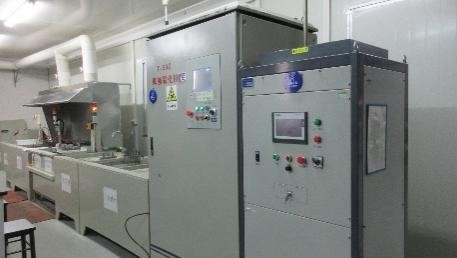
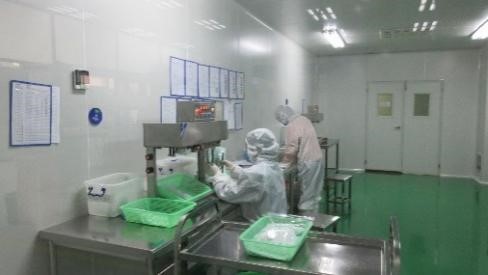
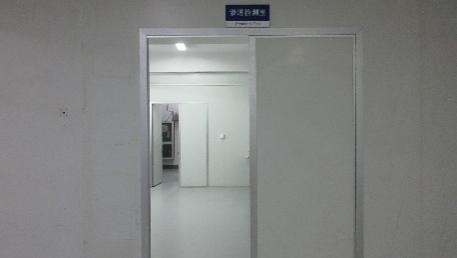
Every step of our process—from raw material testing to sterile packaging—is audited to ensure traceablity and safety.
Posterior cervical constructs are used in specific surgical treatments where anterior fusion is insufficient or contraindicated. Understanding these clinical scenarios is vital for procurement specialists to stock the correct implant sizes and configuration systems.
CSM requires decompression via posterior laminectomy or laminoplasty. After decompression, the construct must stabilize the vertebrae to prevent post-surgical kyphosis. Systems with robust lateral mass screws (C3 to C6) and pedicle screws (C7) provide stable, multi-level posterior fixation.
Crossing the cervicothoracic junction (C7 to T1/T2) is a demanding biomechanical task due to the transition from the mobile cervical spine to the rigid thoracic spine. Implants must support transitional rod diameters (typically utilizing dual-diameter rods or step-down rods changing from 3.5mm to 5.5mm) to handle the shear forces at this transition zone.
Cervical spine fractures, subluxations, and occipitocervical dislocations require rigid instrumentation. Occipitocervical plates, linked to subaxial cervical rod constructs, provide stability from the skull base (occiput) down to the lower cervical or upper thoracic segments, facilitating safe bone fusion.
Technical answers to common questions about materials, safety certifications, and logistics for posterior cervical systems.
Axiora uses medical-grade Titanium Alloy (Ti-6Al-4V ELI) conforming to ASTM F136 and ISO 5832-3 standards. This material is chosen for its high tensile strength, fatigue resistance, and biocompatibility. For select stabilization components, biocompatible polyetheretherketone (PEEK) is used to provide radiographic imaging advantages.
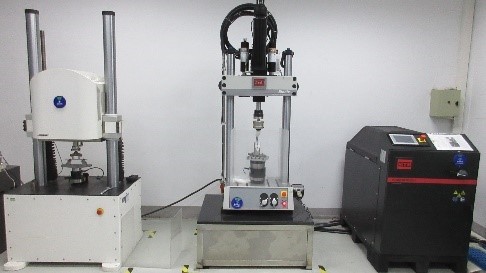
We conduct mechanical verification using ISO and ASTM standards. Our testing protocols include ASTM F1717 for spinal implant constructs in a vertebrectomy model, covering static compression bending, static torsion, and dynamic fatigue testing (up to 5 million cycles) to ensure long-term durability in patients.
Yes. Backed by our 86 R&D engineers, Axiora offers comprehensive OEM/ODM solutions. We can manufacture components based on customer blueprints or samples, adjust polyaxial screw profiles, laser-mark custom logos, and provide custom sterile or non-sterile packaging options.
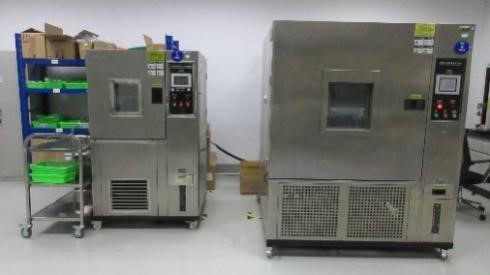
We run a 100% finished product inspection process. Our QC team of 48 specialists utilizes Coordinate Measuring Machines (CMM), surface roughness checkers, hardness testers, penetrant testing, and aging chambers to check tolerances on every batch before packaging.
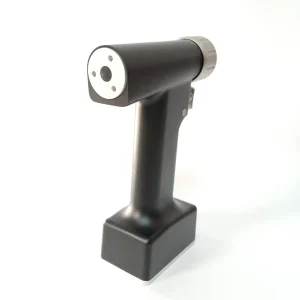
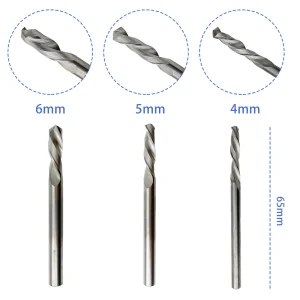
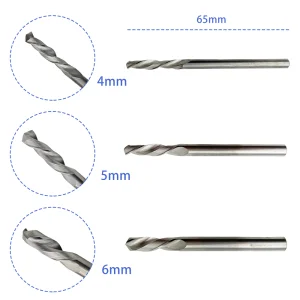
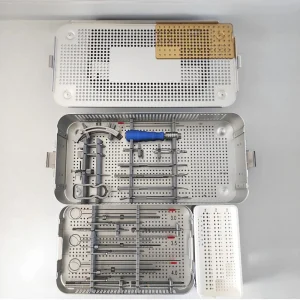
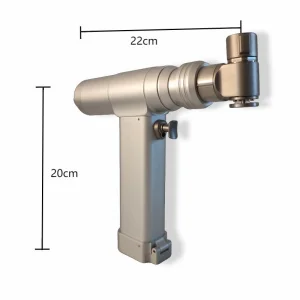
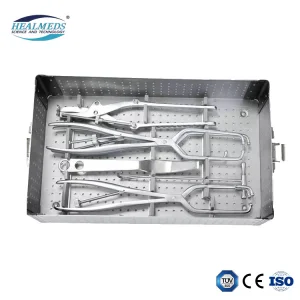
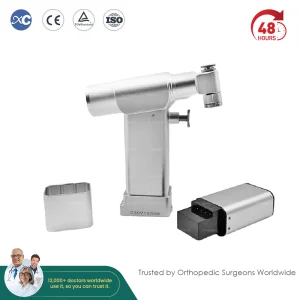
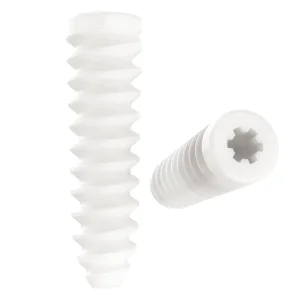
Browse the remainder of our surgical portfolio, including electric drill systems, joint replacement sets, and specialized bone screws.