Axiora Medical
Axiora Medical
Axiora Medical
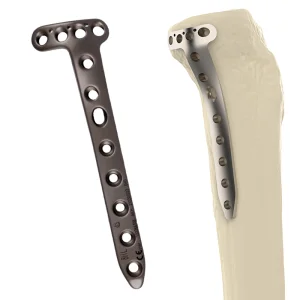
Explore our premium clinical implants engineered for high-stability fracture reduction, structural osteosynthesis, and soft tissue integration.
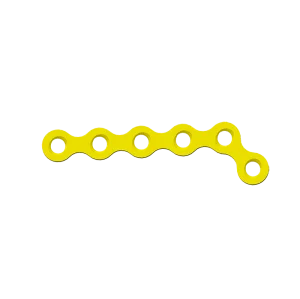
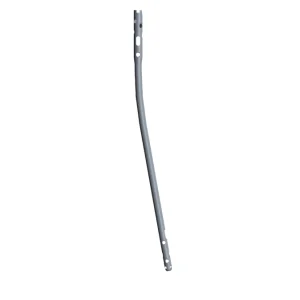
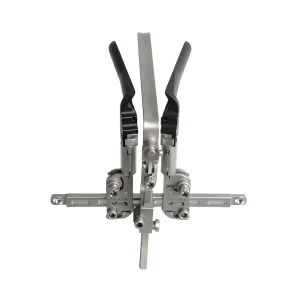
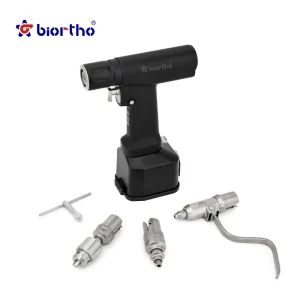
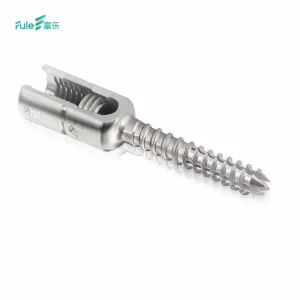
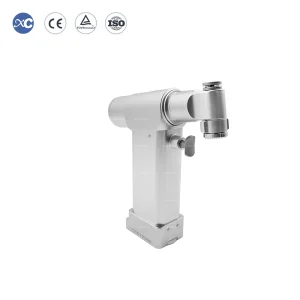
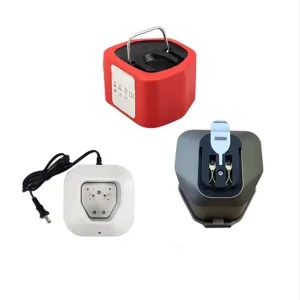
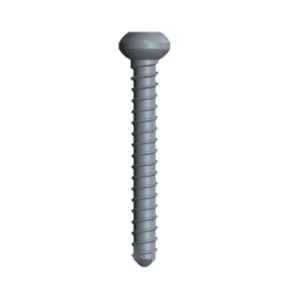
In contemporary osteosynthesis, the design of structural fasteners directly governs the healing path of cortical and cancellous bone matrices. Unlike traditional cortical screws that require manual pre-tapping of the pilot hole, self-tapping bone screws feature a specialized cutting flute machined into the distal tip. This flute actively cuts a matching thread track into the bony matrix during insertion, significantly reducing surgical time, minimizing mechanical instrumentation overhead, and preventing micro-fractures associated with thermal bone necrosis during multi-step drill configurations.
The global clinical community demands extreme micro-structural reliability. High-performance self-tapping fasteners are engineered with a gradient thread pitch that transitions from a coarse cancellous pattern near the head to a dense cortical pattern at the tip. Leading manufacturing practices require the application of finite element analysis (FEA) to simulate insertion torque profiles, ensuring the pull-out strength is maximized while preventing the shearing forces from exceeding the yield threshold of Medical Grade Titanium (Ti-6Al-4V ELI) or high-performance polymers like PEEK.
When sourcing orthopedic components, health ministries and multinational distributors prioritize specific material configurations and regulatory pathways. Below are the core parameters evaluated:
The global orthopedic device market is experiencing an unprecedented structural shift. Increased incidences of traumatic fractures, a rapidly aging population, and a rise in minimally invasive spinal surgeries (MISS) have accelerated the demand for high-grade cortical and cancellous fixation systems.
North America and the European Union continue to dictate regulatory trends via stringent pathways such as the EU MDR 2017/745 and FDA 510(k) clearances. Simultaneously, the Asia-Pacific region, led by advanced manufacturing centers in China and Korea, is emerging as the premier hub for contract manufacturing (OEM/ODM). Modern CNC configurations and robotic polishing have closed the quality gap, providing global distributors with surgical instruments and implants that match Swiss standards at highly competitive costs.
An objective industrial assessment comparing manufacturing capability, global logistics networks, regulatory compliance portfolio, and technical innovations.
Stryker stands at the pinnacle of orthopedic innovation. Their proprietary SmartLock locking systems and ASNIS self-tapping, cannulated screw ranges feature precision-engineered micro-flutes that ensure secure cortical engagement with minimal torque loss. They lead in premium hospital integration and digital surgical planning tools.
As a long-established pioneer in AO foundation standards, DePuy Synthes sets global benchmarks for orthopedic plates and screws. Their self-tapping cancellous screws are widely recognized for their clean cut geometry, minimizing bony microfracturing and ensuring long-term construct stability in complex revision surgeries.
Zimmer Biomet specializes in high-durability implant surfaces. Their Trabecular Metal technology combined with self-tapping orthopedic systems offers an ideal interface for rapid bony growth. Their screw profiles prioritize high axial pull-out force tolerances.
Smith & Nephew is renowned for its proprietary surface treatments, notably the OXINIUM oxidized zirconium technology. Their self-tapping screws are optimized for sports medicine applications and joint reconstructions where dynamic fatigue thresholds are extremely high.
In the spinal fixation arena, Medtronic dominates with its CD Horizon and Solera screw families. These pedicle screws utilize self-tapping tips that streamline placement during minimally invasive spine procedures, helping surgeons reduce fluoroscopy times.
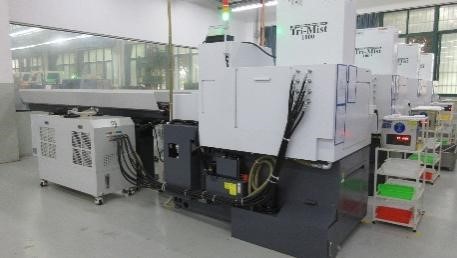
Axiora Medical is a rapidly expanding global OEM/ODM manufacturer specializing in high-performance trauma and spinal implants. Operating out of an 18,600m² state-of-the-art facility, Axiora balances top-tier Swiss-type CNC precision, rigorous CMM inspection, and extensive CE/ISO13485 certifications. This configuration offers medical device importers and distributors an optimal combination of reliability and cost efficiency.
Acumed specializes in upper and lower extremity trauma reconstruction. Their anatomical plates and self-tapping headless compression screws provide excellent stability in small-bone fixations, making them a standard in hand and foot surgical sets.
Focusing heavily on spine and robotic-assisted surgeries, Globus Medical designs complex self-tapping and self-drilling pedicle systems that integrate with robotic guidance paths, reducing micro-deviation during navigation-guided instrumentation.
Orthofix excels in external and internal fixation systems. Their bone screw line features bio-compatible coatings designed to improve bone-to-screw contact, which is essential for stabilizing external frames in deformity correction cases.
Through its Aesculap division, B. Braun delivers German-engineered trauma and joint reconstructive sets. Their self-tapping implant portfolio features precise tolerances and robust instrumentation interfaces designed to withstand repeated autoclave processing.
A closer look at the operational capacities and validation protocols supporting Axiora Medical Technology's manufacturing pipeline.
Axiora Medical Technology (China) Co., Ltd. is a dedicated manufacturer specializing in the research, development, production, and global supply of high-grade orthopedic implants and surgical instruments. Our product portfolio spans trauma fixation systems, spinal implants, joint reconstruction products, sports medicine components, and related orthopedic instrumentation.
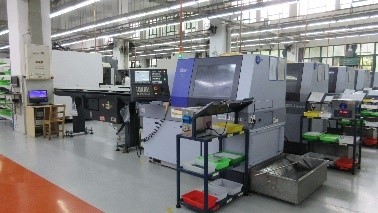
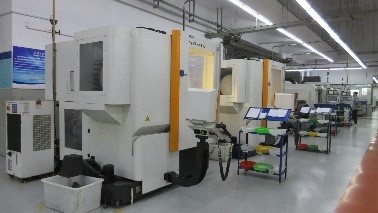
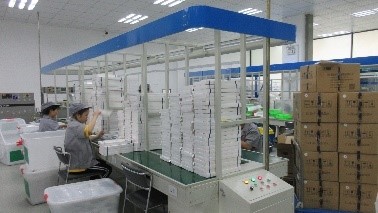
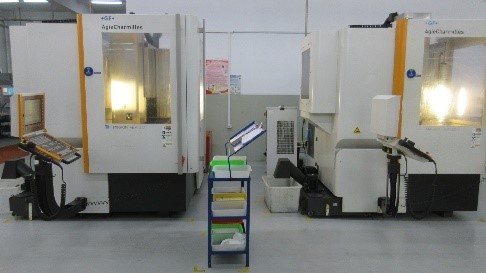
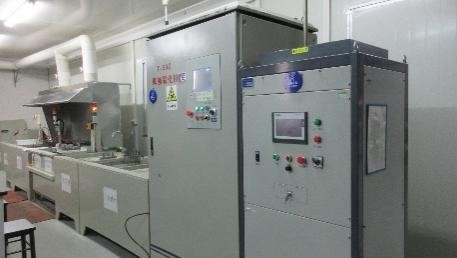
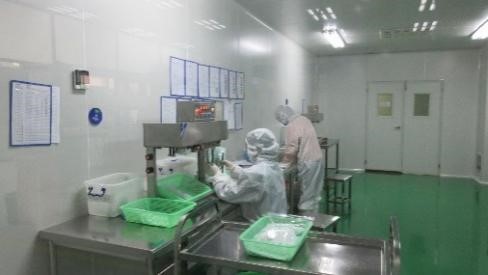
We integrate advanced CNC machining, automated production lines, and cleanroom packaging facilities to deliver reliable products that satisfy international standards. Our engineering team provides custom manufacturing (OEM and ODM) services based on customer drawings, samples, and material specifications.
| Evaluation Parameter | Operational Specifications & Capacity Limits |
|---|---|
| Company Name | Axiora Medical Technology (China) Co., Ltd. |
| Brand Portfolio | Axiora |
| Factory Infrastructure | 18,600 m² modern manufacturing facility equipped with ISO Class 7 cleanrooms |
| Annual Export Revenue | USD 26 Million |
| Quality Inspection Protocols | 100% Finished Product Inspection & Incoming Material Verification |
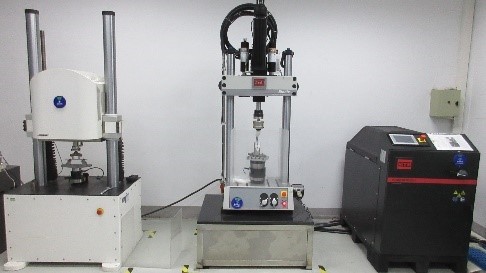
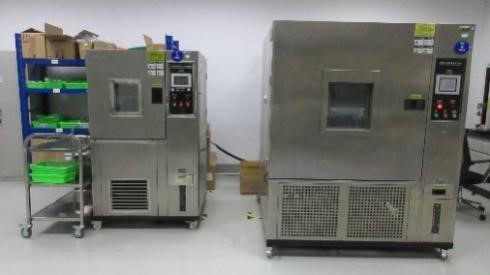
| Testing Instrumentation | Coordinate Measuring Machine (CMM), Tensile Testing, Hardness Testing, Surface Roughness Inspection, Salt Spray Testing |
| Quality Control Staff | 48 Quality Assurance Specialists |
| Business Models Supported | OEM, ODM, Direct Hospital Tenders, Regional Distributor Partnerships |
| Customization Options | Laser Logo Etching, Private Labeling, Sterile Blister Packaging, Custom Thread Profiling, Custom Raw Materials |
| R&D Engineers | 86 senior mechanical and biomedical engineers |
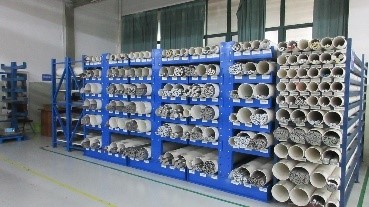
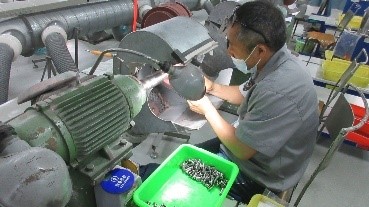
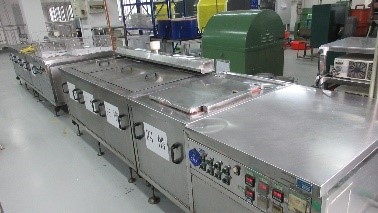
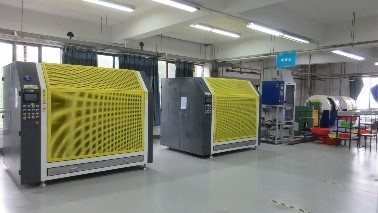
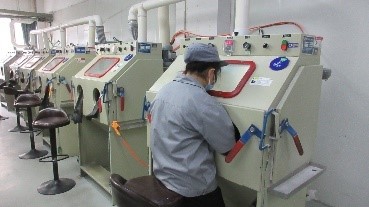
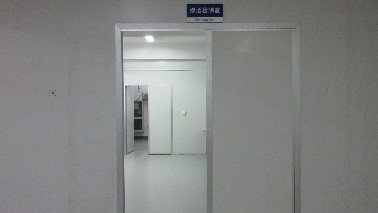
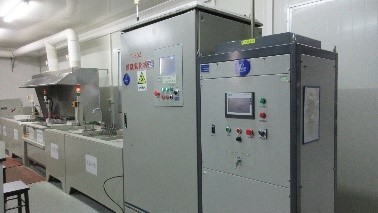
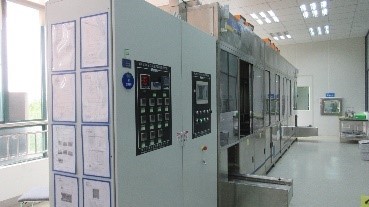
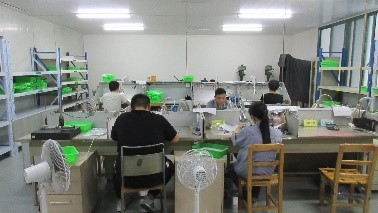
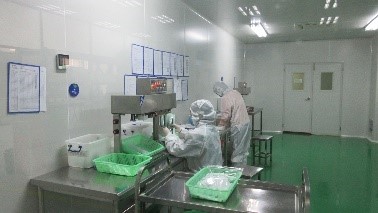
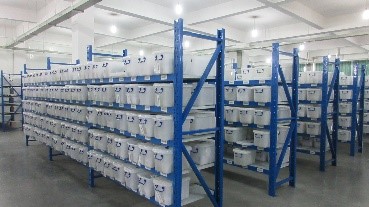
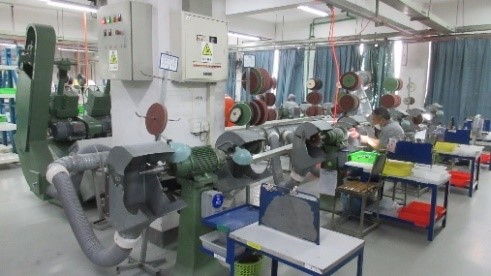
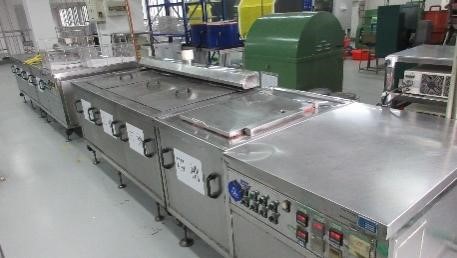
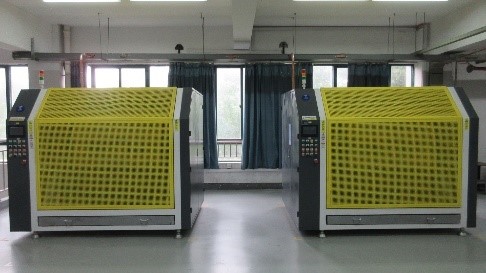
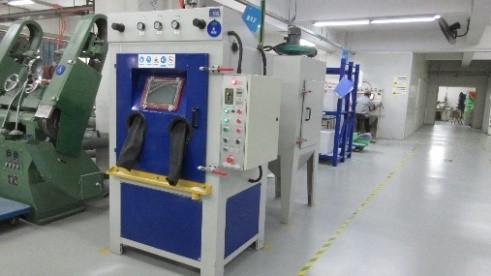
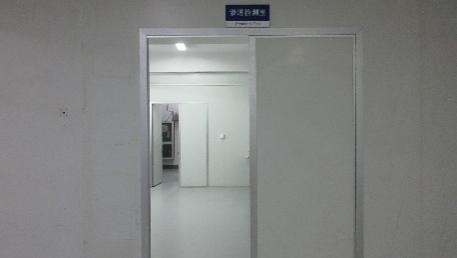
An inside look at our 22-step manufacturing and quality control sequence, tracking titanium bar stock from receipt to sterile packaging.
Insights into upcoming technical shifts in skeletal fixation, surface treatments, and metallurgy over the next decade.
A key focus in research and development is magnesium-based self-tapping screws. These alloys dissolve gradually in physiological fluids, matching the bone healing rate. This eliminates the need for secondary surgeries to remove hardware, reducing hospital costs and patient discomfort.
Early clinical trials are evaluating antibiotic-releasing and silver-nanoparticle-doped anodized surfaces. These coatings target surgical site infections (SSIs) by preventing biofilm formation on the screw head and threads without hindering osseointegration.
Expert answers to common engineering and procurement questions regarding self-tapping bone screw selection.
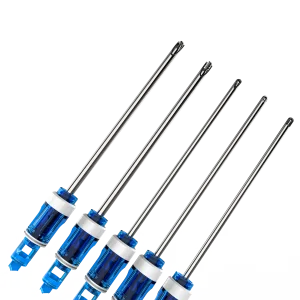
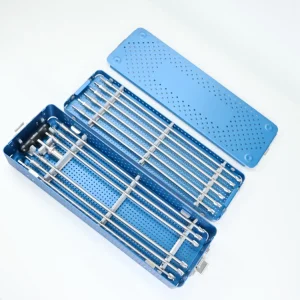
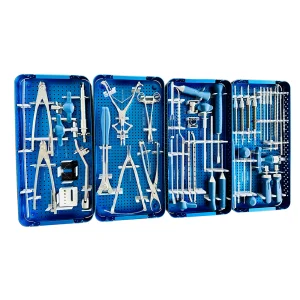
Complete surgical sets, high-precision power tools, and specialized joint shaver blades designed for reliable performance in the operating room.