Axiora Medical
Axiora Medical
Axiora Medical
Featured premium implants and high-precision instrumentation kits engineered for specialized orthopedic, trauma, and sports medicine procedures.
Analyzing material science advantages, biomechanical requirements, and the clinical shift toward radiolucent polymer designs.
In modern spinal reconstruction, Transforaminal Lumbar Interbody Fusion (TLIF) has established itself as a cornerstone surgical pathway for treating degenerative disc diseases, spondylolisthesis, and spinal instability. Within this clinical context, the choice of interbody spacer material is paramount. Over the past decade, medical-grade Polyetheretherketone (PEEK) conforming to ASTM F2026 specifications has widely surpassed titanium alloy as the default standard for load-bearing implant components.
The global demand for TLIF PEEK Cages is driven by three main factors: Biomechanical compatibility, Radiological accessibility, and Osseointegration optimization. Unlike titanium, which has an elastic modulus significantly higher than human cortical bone (leading to stress shielding and increased subsidence rates), raw PEEK offers a modulus of elasticity (~3.6 GPa) that closely matches bone tissue. This matching modulus ensures physiological load transfer, promoting healthy bone remodeling according to Wolff's Law. Furthermore, PEEK's radiolucency allows surgeons to accurately monitor post-operative bone fusion through plain radiography and CT scans, without the severe imaging artifacts associated with metallic implants.
ASTM F2026 PEEK is fully radiolucent, enabling precise postoperative assessment of fusion progression without radiographic artifacts or interference.
Implanted titanium or tantalum alloy marker pins provide radiographic verification of cage placement during fluoroscopy guided procedures.
Elastic modulus designed to match human trabecular bone, minimizing subsidence rates and preventing early implant failure.
High-precision spinal implant engineering backed by over 15 years of industry experience and robust international compliance.
Axiora Medical Technology (China) Co., Ltd. is a professional manufacturer specializing in the research, development, production, and global supply of high-quality orthopedic implants and surgical instruments. Our product portfolio covers trauma fixation systems, spinal implants, joint reconstruction solutions, sports medicine products, and related orthopedic surgical instruments.
Established with a commitment to innovation and precision manufacturing, Axiora integrates advanced CNC machining, automated production lines, and strict quality management systems to deliver reliable products that meet international standards. Our experienced engineering team continuously develops innovative solutions to support surgeons and healthcare providers worldwide.
With strong OEM and ODM capabilities, we provide customized manufacturing services according to customers' drawings, samples, and technical requirements. From product design and prototyping to mass production and packaging, our integrated manufacturing process ensures consistent quality, competitive pricing, and on-time delivery. Today, Axiora exports its orthopedic products to customers across Europe, North America, South America, the Middle East, Southeast Asia, and Africa, building long-term partnerships with medical device distributors, brand owners, hospitals, and healthcare organizations around the world.
100% trace-monitored manufacturing process from medical-grade raw material extrusion to aseptic packaging.
Axiora's manufacturing infrastructure is optimized for biocompatible polymers and medical-grade titanium alloy processing. Production steps are performed in ISO Class 7 and 8 cleanrooms to minimize particle contamination. We strictly adhere to ASTM standards for mechanical loading, surface roughness, and dimensional tolerances. Below is the step-by-step documentation of our active production floor and quality control laboratories.
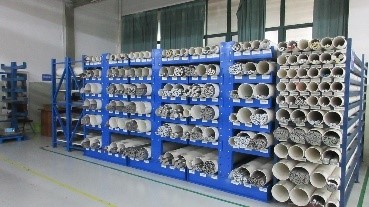
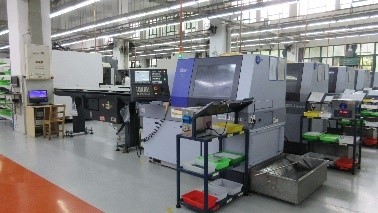
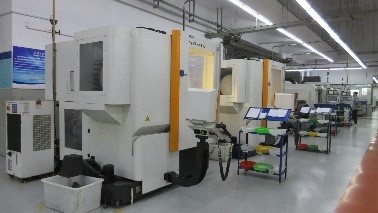
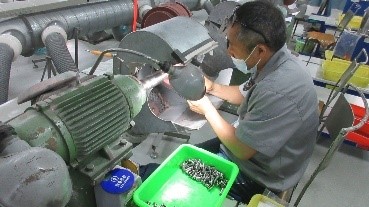
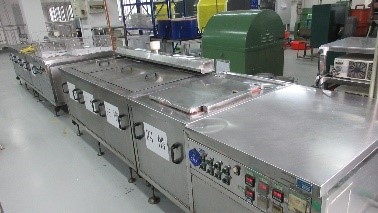
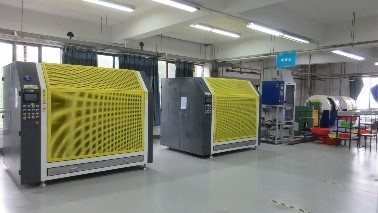
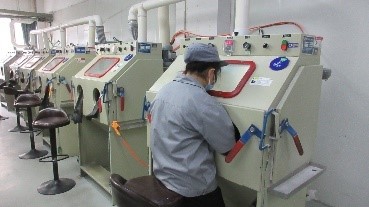
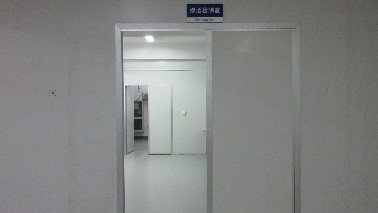
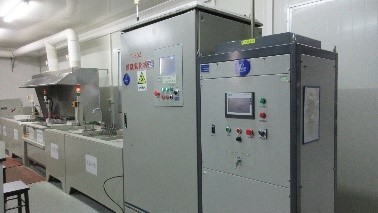
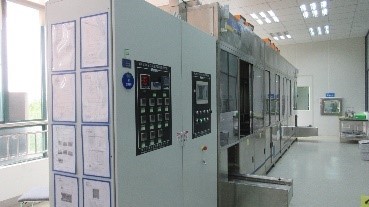
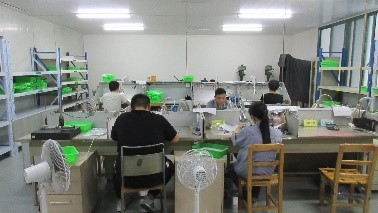
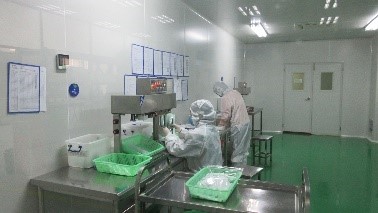
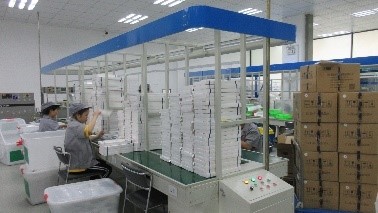
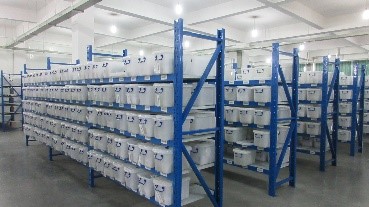
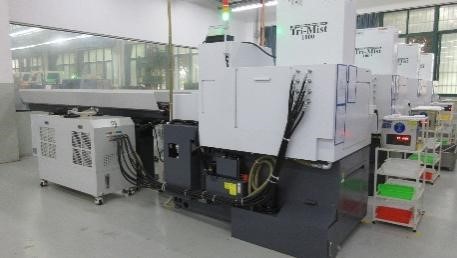
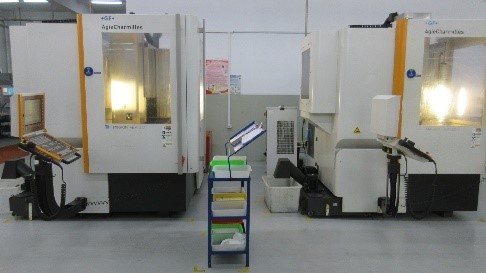
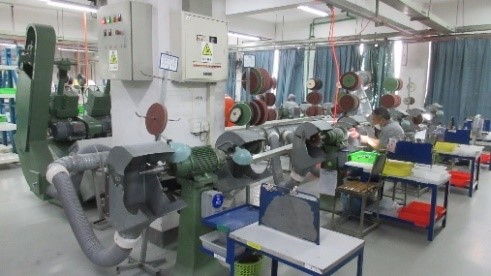
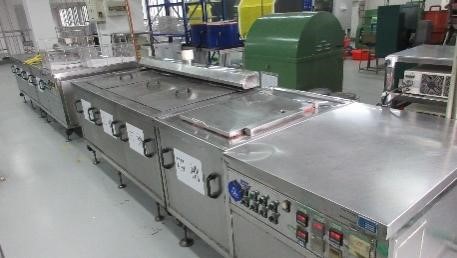
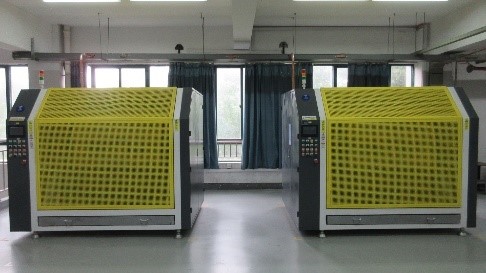
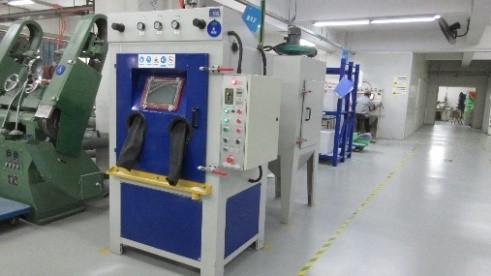
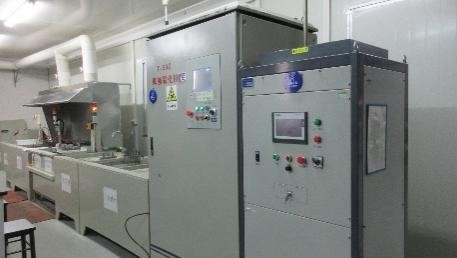
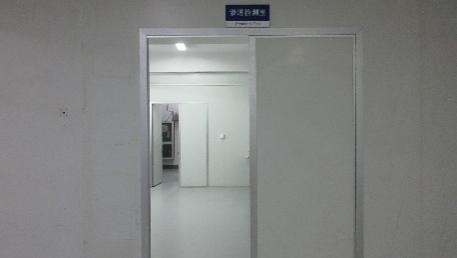
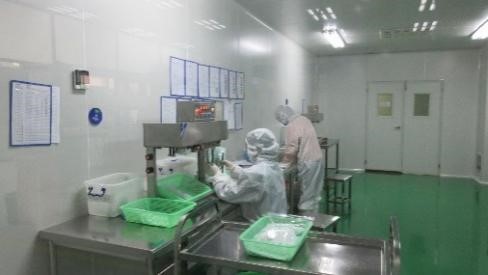
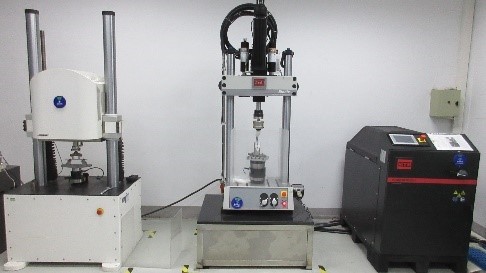
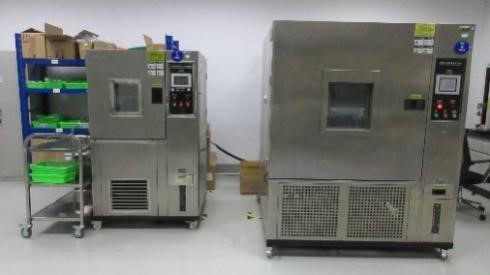
Verified structural parameters, operational capacities, and precision control details for orthopedic manufacturing.
| Specification Category | Operational Parameters & Verified Standards |
|---|---|
| Company Name | Axiora Medical Technology (China) Co., Ltd. |
| Established Year & Global Brand | Established 2017 | Brand: Axiora |
| Regulatory Standards & Audits | ISO 13485:2016 Medical Devices Quality Management System, CE Mark, FDA 510(k) Ready |
| Factory Infrastructure | 18,600 m² modern facility including Class 100,000 (ISO Class 7) aseptic packaging zones |
| Biomaterial Specifications | Medical-grade raw PEEK conforming to ASTM F2026, biocompatible titanium alloy markers |
| Inspection Personnel & R&D | 48 Quality Control Professionals | 86 R&D Engineers releasing over 120 new variants annually |
| Precision QA Methods | Coordinate Measuring Machine (CMM), Tensile Fatigue Testing, Hardness Profiling, Surface Roughness Inspection, Salt Spray testing |
| Customization Capabilities | Full OEM/ODM support, laser marking, private label, drawing-based manufacturing, cleanroom sterilization barrier pouch packaging |
How surgical developments and surface modification technologies shape next-generation interbody cages.
The clinical success of transforaminal lumbar interbody fusion is highly dependent on restoring sagittal balance and maintaining the lordotic profile of the lumbar spine. Original cages featured static box designs that often led to localized subsidence due to uneven stress distribution. Axiora's current TLIF PEEK Cages are engineered with an anatomical convex geometry and bulleted nose design. This design simplifies insertion through minimally invasive approaches and optimizes surface contact with the vertebral endplates, significantly reducing risk of endplate migration.
While unmodified PEEK has good biomechanical properties, it is hydrophobic and bioinert, which can lead to fibrous encapsulation rather than direct osseointegration. Axiora's R&D department is leading technical integration across two developmental paths to address this:
Axiora verifies structural reliability using internal endurance testers to simulate human spinal loading over millions of cycles. Our implants undergo testing under ASTM F2077 (Static and Dynamic Compression and Shear) and ASTM F2267 (Subsidence Analysis). These tests ensure that our TLIF PEEK designs maintain structural integrity under axial forces without compromising surrounding bone tissues.
Reliable logistics, documentation support, and customized OEM integration for global orthopedic markets.
Sourcing spinal implants requires strict adherence to regulatory standards. Axiora manages supply chain compliance through a 100% trace-monitored system. Every raw material batch of ASTM F2026 PEEK is delivered with full raw material certificates, including chemical analysis and biocompatibility certificates.
We support global medical device distributors, brand owners, and hospital procurement departments through:
Provision of technical registration dossiers, ISO 13485 certification records, and biocompatibility study reports to facilitate smooth regional registration.
Flexible supply chain solutions including non-sterile bulk packaging for regional sterilization, or sterile double-barrier blister packs (gamma or EtO sterilized).
Support for variable batch sizes. Our manufacturing facility handles both large-scale production runs and custom implant modifications for specific clinical needs.
Key technical, material, and commercial inquiries answered by our engineering and procurement teams.
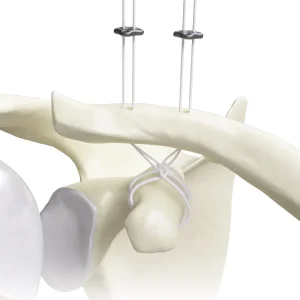
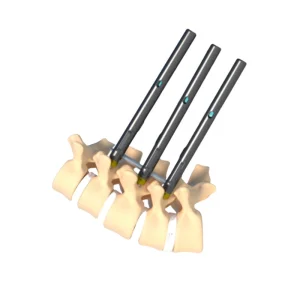
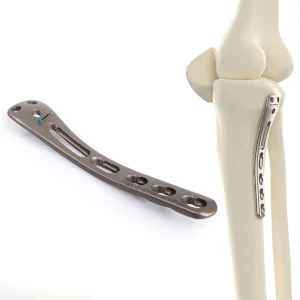
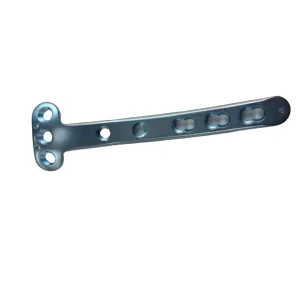
Explore our wider range of orthopedic trauma systems, soft tissue repair buttons, and spinal instrumentation sets.