Axiora Medical
Axiora Medical
Axiora Medical
Explore our premium class-III medical implants and instrument sets, built for high performance and surgical accuracy.
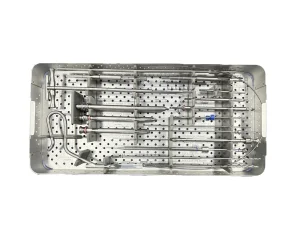
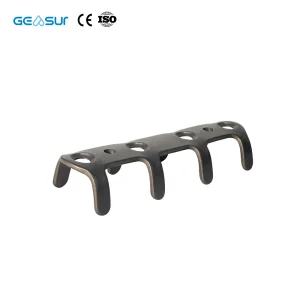
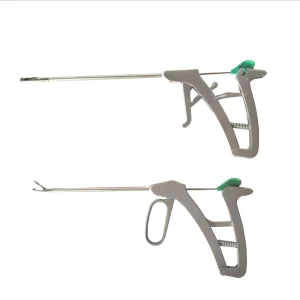
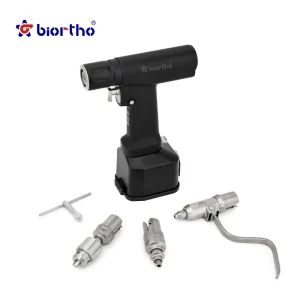
In posterior spinal stabilization, pedicle screw-rod constructs serve as the gold standard for correcting spinal deformities, managing unstable fractures, and solidifying interbody fusions. However, long-segment constructs remain vulnerable to significant torsional shear forces and transverse translational displacement. Without adequate cross-linking, standard bilateral constructs are susceptible to parallel structural shifting under axial rotation, which compromises the integrity of the fusion site and risks screw pull-out or rod failure.
Spine surgeons utilize transverse cross connectors to link bilateral longitudinal rods, creating a closed-loop frame structure. This frame distributes strain evenly across the biomechanical system. For manufacturers and exporters, this highlights the necessity of producing cross connectors with extreme dimensional accuracy, reliable locking mechanism stability, and customizable configurations to meet diverse patient anatomy and distinct surgical preferences.
The global spine surgery market continues to expand, driven by an aging global population, the rising prevalence of degenerative disc diseases, and technological shifts toward Minimally Invasive Spine Surgery (MISS). In modern operating environments, there is growing demand for low-profile, ergonomic, and highly adaptable components. Exporters and brand owners face the challenge of sourcing implants that combine clinical efficacy with cost-efficient bulk manufacturing.
Low-profile designs minimize soft-tissue irritation, reducing post-operative muscle disruption and patient discomfort.
OEMs require reliable, high-yield manufacturing partners that can provide validated bio-compatibility and consistent tolerance control.
Global exports require adherence to EU MDR, FDA 510(k), and national medical device registrations for smooth import clearance.
From an export perspective, North America, Europe, and parts of the Asia-Pacific region demand high-grade materials, such as Ti-6Al-4V ELI (Grade 5 Titanium) and Cobalt-Chromium-Molybdenum (Co-Cr-Mo) alloys. Additionally, emerging markets in Latin America, Southeast Asia, and Africa are increasingly seeking premium-quality orthopedic implants through international distribution partnerships. Establishing a strong footprint in these regions requires robust regulatory compliance and reliable manufacturing support.
Professional manufacturer specializing in the research, development, production, and global supply of high-quality orthopedic implants and surgical instruments.
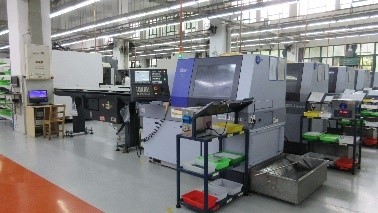
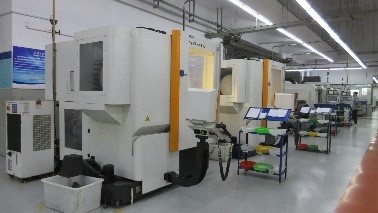
Established with a commitment to innovation and precision manufacturing, Axiora integrates advanced CNC machining, automated production lines, and strict quality management systems to deliver reliable products that meet international standards. Our experienced engineering team continuously develops innovative solutions to support surgeons and healthcare providers worldwide.
With strong OEM and ODM capabilities, we provide customized manufacturing services according to customers' drawings, samples, and technical requirements. From product design and prototyping to mass production and packaging, our integrated manufacturing process ensures consistent quality, competitive pricing, and on-time delivery. Today, Axiora exports its orthopedic products to customers across Europe, North America, South America, the Middle East, Southeast Asia, and Africa, building long-term partnerships with medical device distributors, brand owners, hospitals, and healthcare organizations around the world.
Industry Experience
Factory Area
Annual Export Revenue
R&D Engineers
| Item | Details |
|---|---|
| Company Name | Axiora Medical Technology (China) Co., Ltd. |
| Brand | Axiora |
| Website | www.axioraortho.com |
| Established | 2017 |
| Factory Area | 18,600 m² |
| Annual Export Revenue | USD 26 Million |
| Export Experience | 8 Years |
| Quality Inspection | 100% Finished Product Inspection & Incoming Material Inspection |
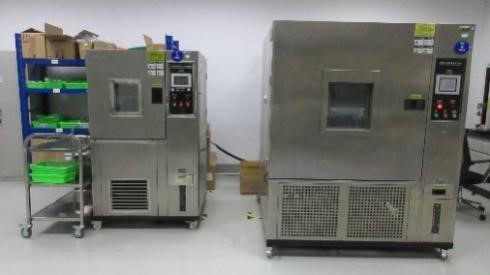
| Product Inspection Methods | Coordinate Measuring Machine (CMM), Tensile Testing, Hardness Testing, Surface Roughness Inspection, Salt Spray Testing |
| Quality Control Staff | 48 Specialists |
| Business Type | Manufacturer & Exporter (OEM/ODM) |
| Main Markets | Europe, North America, Middle East, Southeast Asia, South America |
| Supply Chain Partners | 1,120 Partners |
| R&D Capability | Independent Product Development, Reverse Engineering, OEM & ODM Solutions |
| New Products Released Last Year | 126 Products |
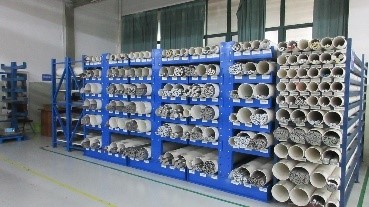
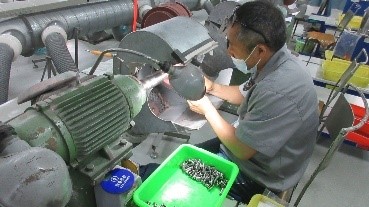
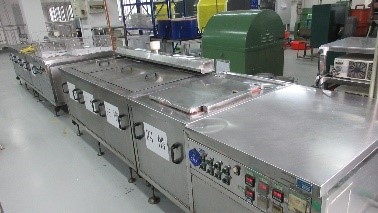
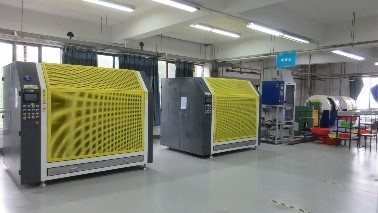
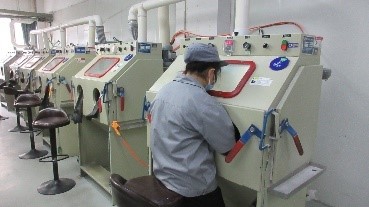
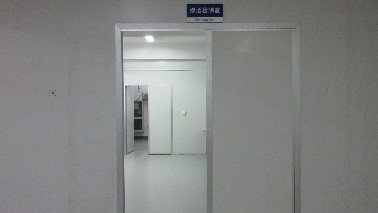
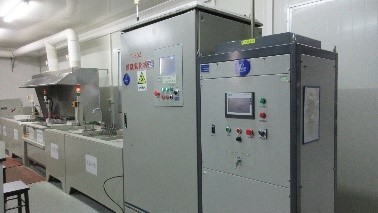
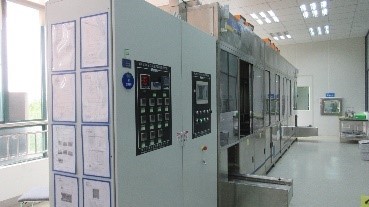
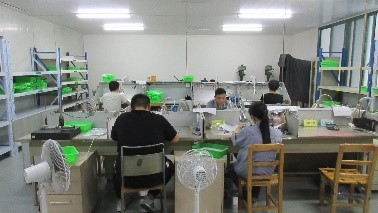
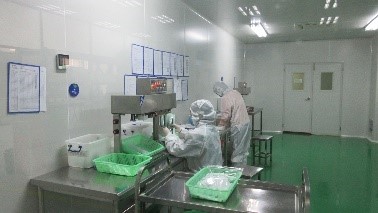
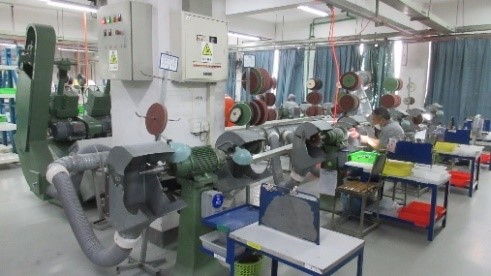
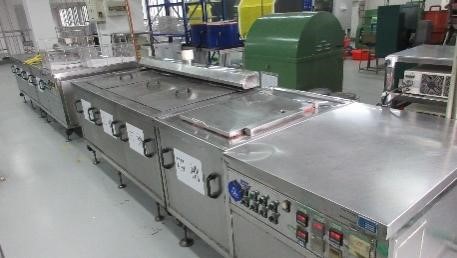
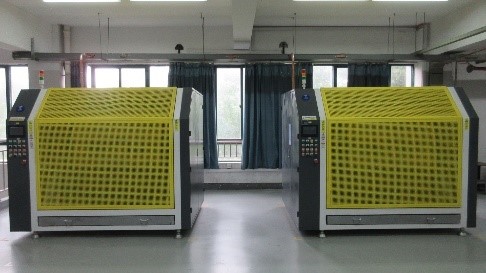
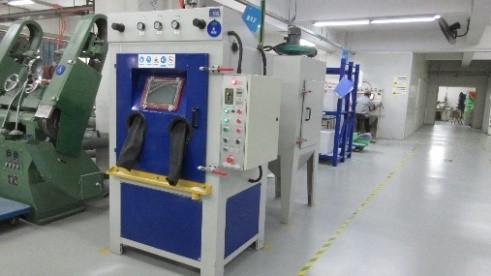
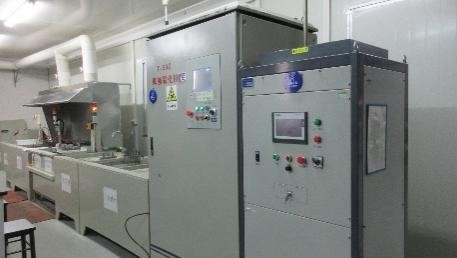
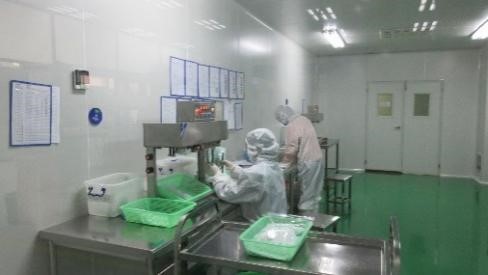
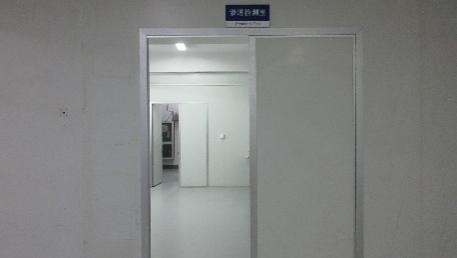
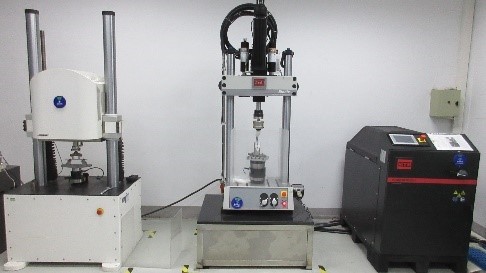
Our integrated manufacturing process features class-leading infrastructure and validation procedures from raw material procurement to aseptic packaging.
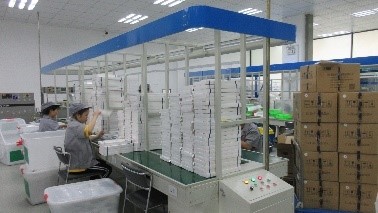
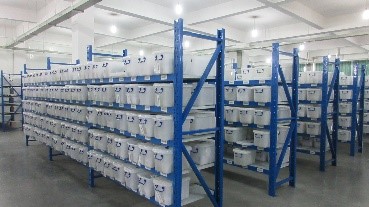
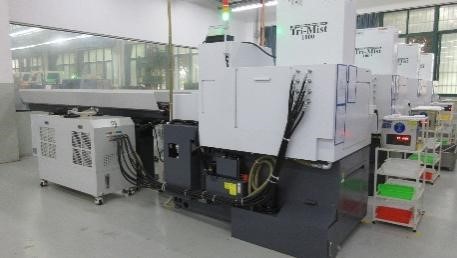
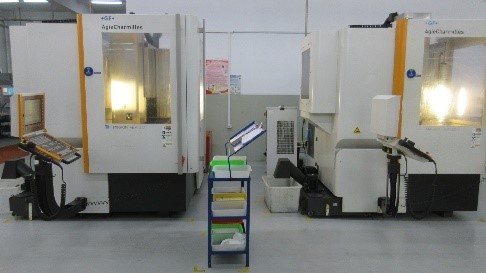
Anatomical variations across diverse patient populations require implant systems to offer high levels of structural adaptability. In pediatric scoliosis correction, spinal constructs require low-profile, highly adjustable cross connectors to prevent soft-tissue protrusion in smaller patients. Conversely, adult degenerative disc revision surgeries necessitate heavy-duty, multi-axial cross connectors capable of spanning wide inter-pedicular distances. Axiora delivers products designed for these specific clinical scenarios:
In class-III medical device manufacturing, strict adherence to global regulatory frameworks is essential. Axiora maintains rigorous quality control workflows to ensure international compliance:
The next generation of spinal fixation focuses on smart integration and advanced materials. Our R&D division is actively working to transition orthopedic stabilization from purely mechanical constructs to biomimetic systems. The development of surface-modified implants, including micro-anodized structures, aims to optimize soft-tissue compatibility while reducing bacterial adhesion.
Furthermore, the combination of PEEK (Polyetheretherketone) and Carbon-PEEK materials within spinal rod structures is expected to enhance post-operative imaging capabilities by minimizing MRI/CT metal artifacts. As localized medical centers demand customized solutions, our integrated engineering workflows utilize reverse engineering and precise laser sintering to manufacture patient-specific cross connectors for complex spinal revisions.
Providing expert answers to common queries regarding spinal cross connector design, biomechanical testing, and OEM partnerships.
We provide a comprehensive selection of surgical tools, trauma fixation plates, and veterinary solutions for global distribution.