Axiora Medical
Axiora Medical
Axiora Medical
High-performance orthopedic implants and power instrument components engineered for demanding clinical settings worldwide.
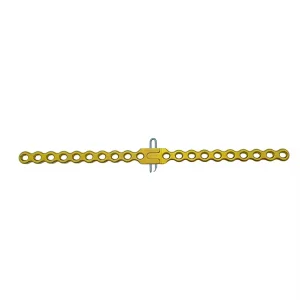
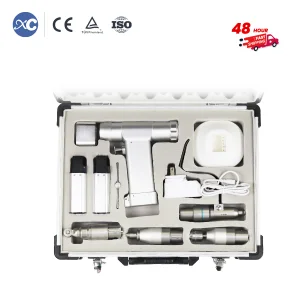
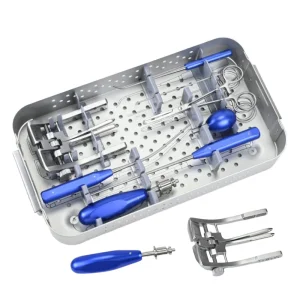
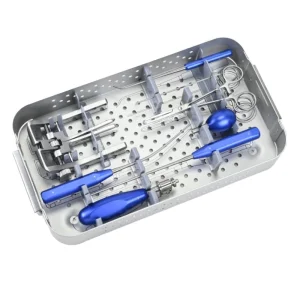
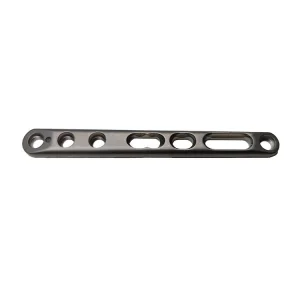
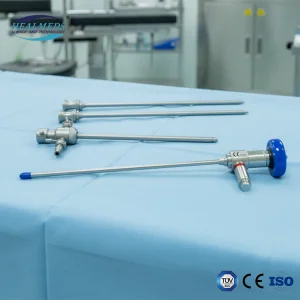
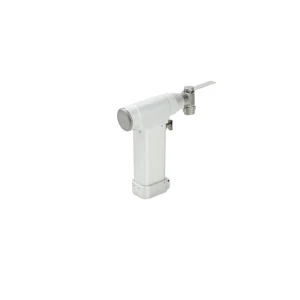
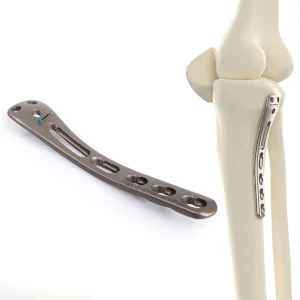
In modern orthopedic surgery, the efficacy of osteotomies, joint arthroplasties, and trauma fixations relies fundamentally on the mechanical precision, thermal profile, and ergonomic consistency of surgical bone saws. Precision in bone resection directly correlates with post-operative structural stability, implant integration, and cellular viability at the cutting margins. If cutting edge temperatures exceed 47°C for more than a brief moment, thermal osteonecrosis occurs, severely delaying bone regeneration and increasing the risk of implant loosening.
This whitepaper, prepared by the analytical division of Axiora Medical Technology, addresses the core requirements for medical device distributors, global hospitals, and procurement managers looking for dependable manufacturing partners. By aligning modern mechanical design with strict regulatory standards (CE, FDA, ISO 13485), we discuss the structural, materials, and production aspects that distinguish industry-leading medical bone saws from standard power tools.
A specialized orthopedic implant and surgical power instrument manufacturer combining precision engineering with global delivery capabilities.
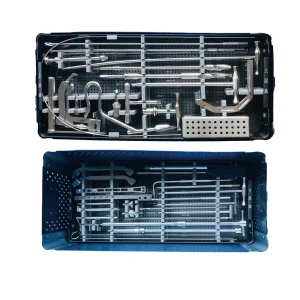
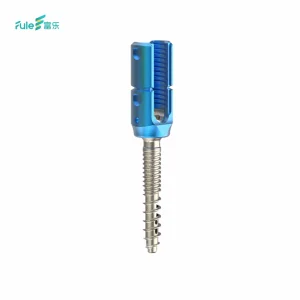
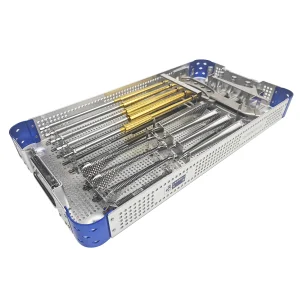
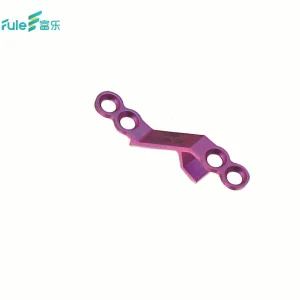
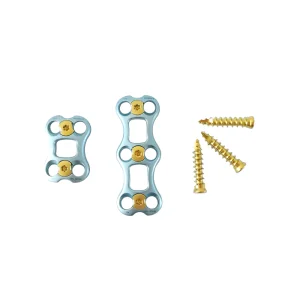
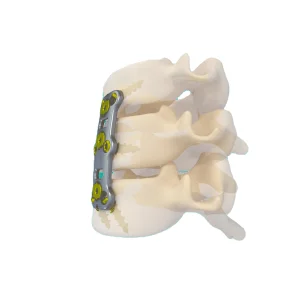
Axiora Medical Technology (China) Co., Ltd. is a professional manufacturer specializing in the research, development, production, and global supply of high-quality orthopedic implants and surgical instruments. Our product portfolio covers trauma fixation systems, spinal implants, joint reconstruction solutions, sports medicine products, and related orthopedic surgical instruments.
Established with a commitment to innovation and precision manufacturing, Axiora integrates advanced CNC machining, automated production lines, and strict quality management systems to deliver reliable products that meet international standards. Our experienced engineering team continuously develops innovative solutions to support surgeons and healthcare providers worldwide.
With strong OEM and ODM capabilities, we provide customized manufacturing services according to customers' drawings, samples, and technical requirements. From product design and prototyping to mass production and packaging, our integrated manufacturing process ensures consistent quality, competitive pricing, and on-time delivery.
Today, Axiora exports its orthopedic products to customers across Europe, North America, South America, the Middle East, Southeast Asia, and Africa, building long-term partnerships with medical device distributors, brand owners, hospitals, and healthcare organizations around the world.
| Operational Metric | Axiora Technical Capabilities & Standards |
|---|---|
| Company Name | Axiora Medical Technology (China) Co., Ltd. |
| Brand & Website | Axiora | www.axioraortho.com |
| Established Year | 2017 (With root industry experience dating back to 2009) |
| Annual Export Revenue | USD 26 Million |
| Quality Inspection Personnel | 48 Dedicated QC/QA Specialists |
| Product Inspection Methods | Coordinate Measuring Machine (CMM), Tensile Testing, Hardness Testing, Surface Roughness Inspection, Salt Spray Testing |
| Business Model | Manufacturer & Exporter (OEM/ODM/OBM) |
| Primary Export Markets | Europe, North America, Middle East, Southeast Asia, South America |
| Supply Chain Partners | 1,120 Qualified Component & Raw Material Suppliers |
| R&D and Customization | Reverse Engineering, CAD/CAM Prototyping, Laser Logo Etching, Sterile Packaging Customization |
| New Products Released (Last Year) | 126 Innovative Surgical Implants and Tools |
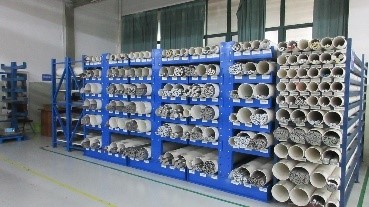
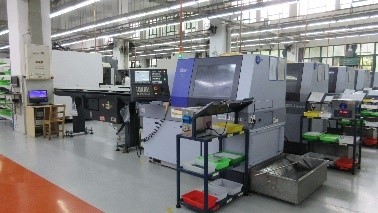
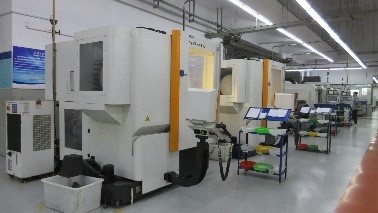
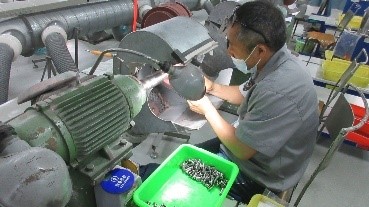
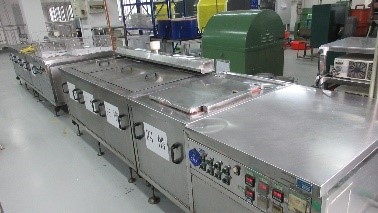
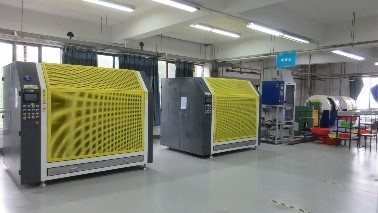
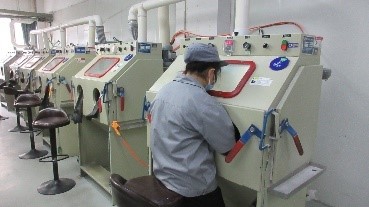
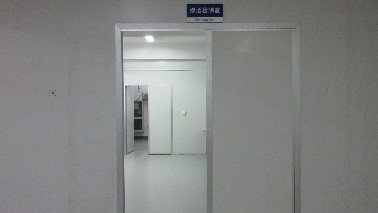
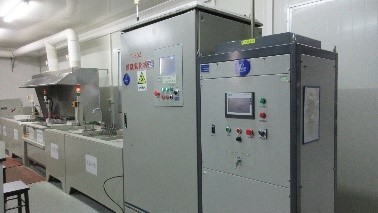
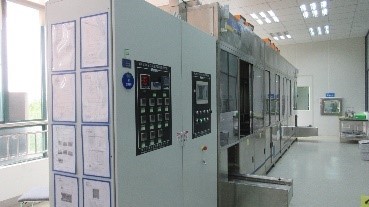
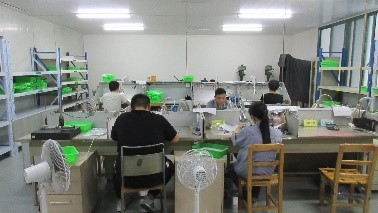
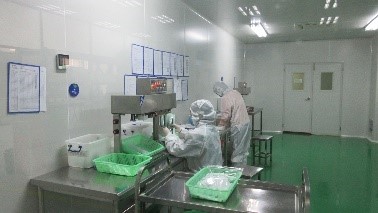
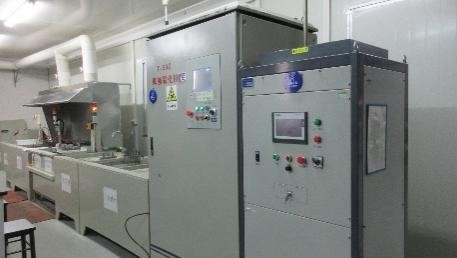
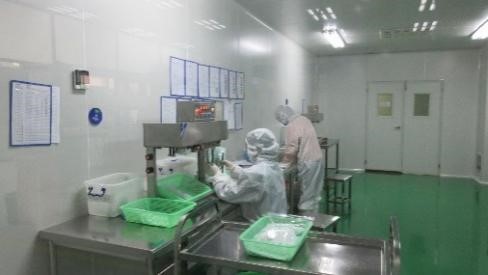
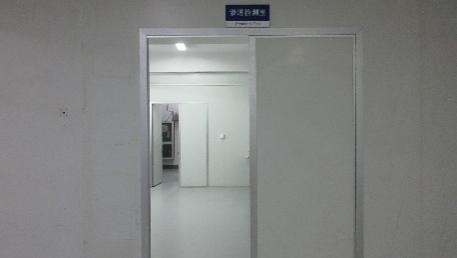
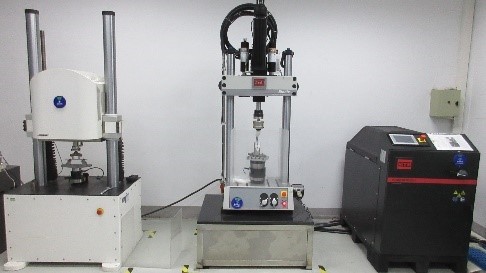
Step-by-step visual workflow of our production line, demonstrating precise engineering from raw titanium bars to Class 100 cleanroom sterile packaging.
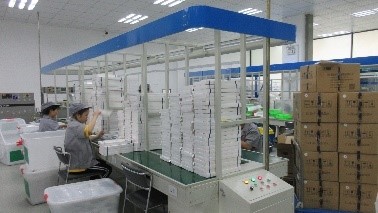
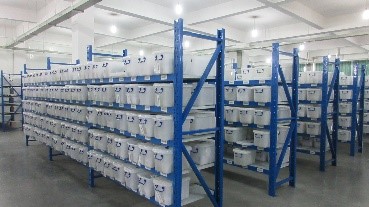
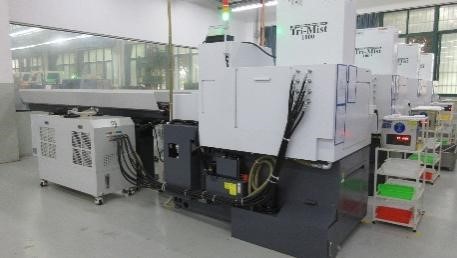
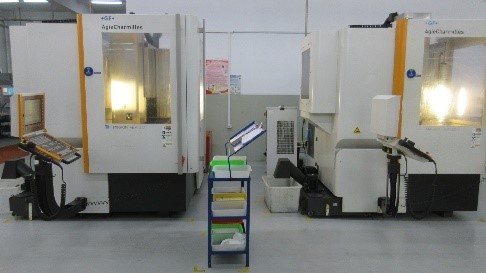
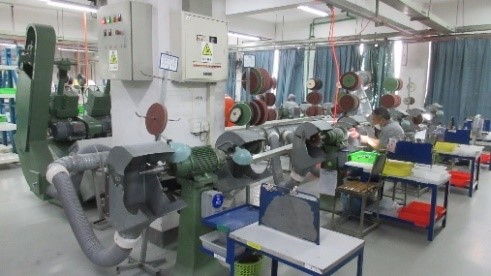
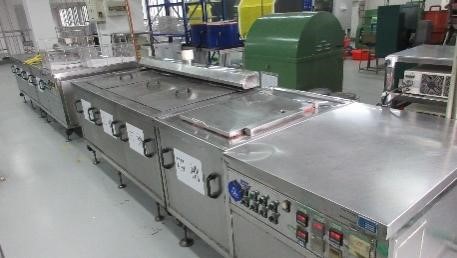
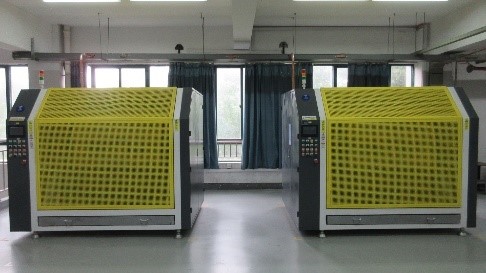
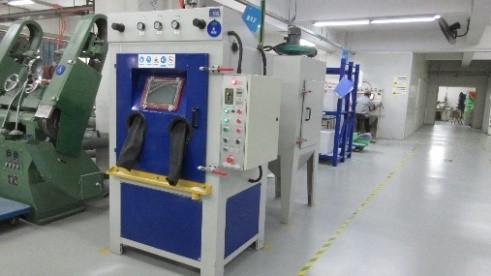
The technological transition from high-vibration legacy systems to smart, feedback-controlled bone cutting instruments.
Traditional pneumatic and brushed electric motors are increasingly being replaced by closed-loop Brushless DC (BLDC) motors. These motors offer high torque-to-weight ratios and generate minimal EMI (electromagnetic interference). By removing carbon brushes, manufacturers prolong tool life and minimize wear-induced particulate generation inside the sterile field.
The next generation of medical bone saws features adaptive torque sensing. Dynamic feedback loops measure resistance at the blade tip. If the blade contacts soft tissue instead of cortical bone, the control system reduces oscillation frequencies within milliseconds. This protects blood vessels and nerves from mechanical damage during spinal and joint procedures.
Repeated sterilization remains a leading cause of electrical insulation breakdown in surgical equipment. Industry leaders utilize advanced fluoropolymer and silicone gaskets alongside hermetic laser welding to protect internal motor coils and driver electronics through more than 1,000 steam sterilization cycles (134°C/273.2°F).
With the rise of robotic surgical platforms (such as MAKO and ROSA), the surgical bone saw is evolving from a handheld instrument into an end-effector tool. These robotic bone saws communicate with optical tracking systems, adjusting speed and blade alignment relative to pre-operative 3D CT models. The integrated sensors limit the cutting path to a designated boundary, preventing accidental damage to the collateral ligaments during total knee arthroplasty (TKA).
How regional distributors and hospital purchasing groups mitigate supply chain and quality risks.
Distributors must prioritize regulatory compliance and customization capabilities. Partners offering private label (OEM) laser etching, modular attachment options (oscillating, sagittal, sternum, and reciprocating heads), and regional warranty support help distributors secure competitive tender contracts with domestic hospital networks.
Clinical buyers look for total cost of ownership (TCO). Choosing surgical bone saw manufacturers that use standardized battery systems reduces tooling complexity across departments. Durable lithium-ion cells with cell-balancing technology prevent premature pack failures, reducing ongoing operational costs.
Veterinary orthopedics requires compact, lightweight power tools. Specialty manufacturers supply mini-bone saws with high torque outputs. These designs accommodate thinner sagittal blades, minimizing bone loss during delicate canine tibial plateau leveling osteotomies (TPLO).
The absolute baseline requirements for medical device market authorization.
Medical bone saws are classified as Class IIa or Class IIb medical devices depending on their specific clinical application and power source. Importing and utilizing these devices requires rigorous compliance with international standards:
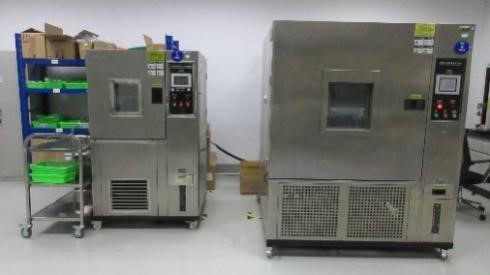
At Axiora, every production lot of orthopedic implants and instruments undergoes mechanical validation, including coordinate measuring machine (CMM) dimensional checks, surface finish assessment, and fatigue lifetime simulation tests.
Critical engineering and purchasing answers for surgical power tool procurement managers.
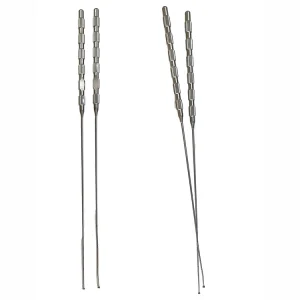
Explore our line of trauma screws, spinal rod systems, and specialized instruments shipped to hospital networks globally.