Axiora Medical
Axiora Medical
Axiora Medical
Cranial defects resulting from decompressive craniectomy, traumatic brain injuries, oncology resections, or congenital anomalies present severe challenges to neurosurgeons worldwide. Reconstructive cranioplasty acts not only as a protective shield for the delicate cerebral parenchyma but also plays an integral role in normalizing cerebral hemodynamics, intracranial pressure, and cerebrospinal fluid (CSF) flow. Among the diverse range of biomaterials utilized, medical-grade titanium mesh remains the benchmark material.
Titanium mesh designed for neurosurgical repair must satisfy precise metallurgical standards. The use of pure titanium (such as ASTM F67 Grade 2) or high-grade titanium alloy (such as ASTM F136 Ti-6Al-4V ELI) ensures an exceptional strength-to-weight ratio and superb bio-inertness. When placed in vivo, titanium spontaneously develops a stable titanium dioxide (TiO2) passivating layer. This layer prevents corrosion by bodily fluids, avoids chronic inflammatory reactions, and supports osteointegration, enabling the patient's surrounding bone tissue to bond directly with the implant.
Furthermore, titanium mesh is designed to balance structural rigidity and manual formability. Surgeons require material that can be shaped intraoperatively to match the specific contours of the temporal, frontal, or occipital regions of the skull. This ductility ensures that the reconstructed skull matches natural cranial geometry, resulting in improved aesthetic outcomes for patients.
Procurement teams at international hospitals, medical device distributors, and government health departments face strict criteria when selecting titanium cranial repair systems. Due to the high-risk nature of class III medical devices, purchasing managers prioritize regulatory compliance, traceable materials, and supply chain continuity.
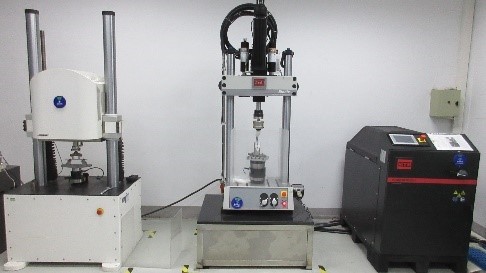
A key factor in sourcing is regulatory certification. Manufacturers must provide comprehensive certification packs, including ISO 13485 (Medical Devices Quality Management Systems) and CE markings, alongside test reports demonstrating compliance with mechanical testing (ASTM F2118 / ASTM F1717) and biocompatibility standards (ISO 10993). Without these certified records, importing into regulated markets such as the European Union or North America is impossible.
Modern neurosurgery utilizes CAD/CAM models based on CT scans to shape the titanium mesh preoperatively. This reduces surgery times, minimizes anesthesia exposure, and lowers infection risks.
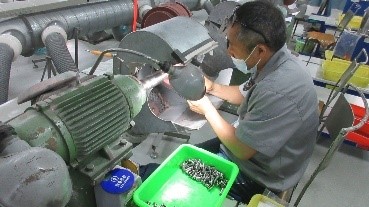
Advanced techniques like electrochemical anodization produce stable, biocompatible oxide layers. These layers improve bone bonding and prevent bacterial adhesion, reducing implant failure rates.
Engineered mesh patterns balance structural strength with the porosity needed for vascular pathways. This supports natural fluid movement and soft tissue integration.
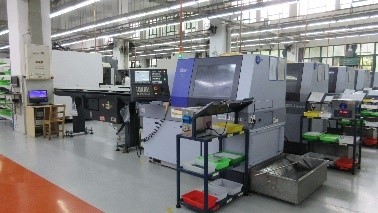
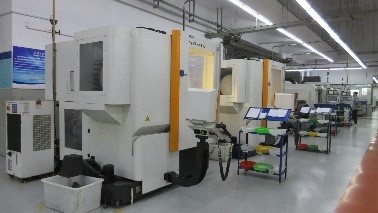
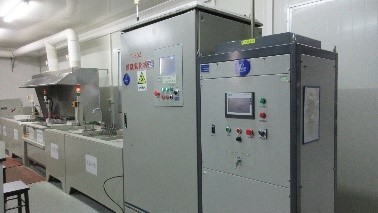
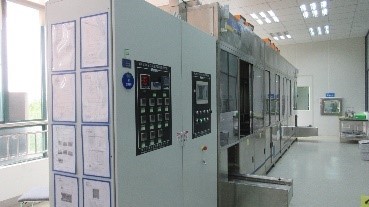
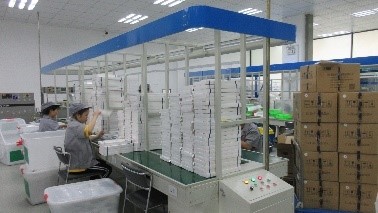
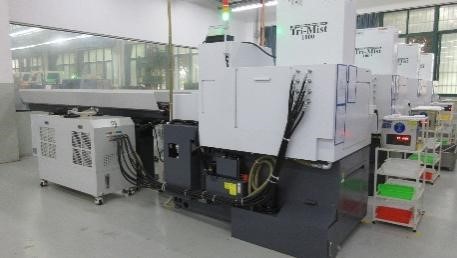
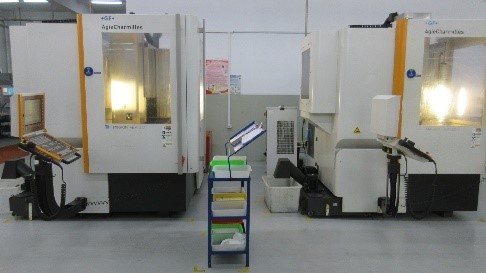
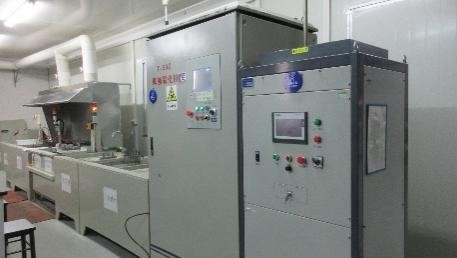
Leveraging advanced automation, Axiora integrates China Factory 4.0 standards to produce reliable, high-precision cranial repair systems. Through automated Swiss longitudinal lathe cutting, multi-axis CNC machining, and electro-chemical processing, we ensure tight tolerances down to the micrometer level. This advanced manufacturing reduces production variance, assuring consistent mechanical performance across production batches.
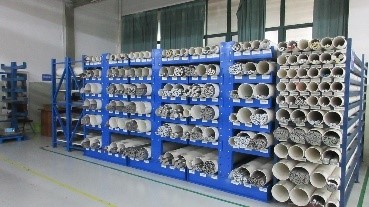
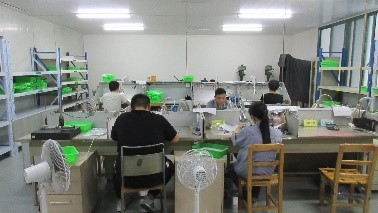
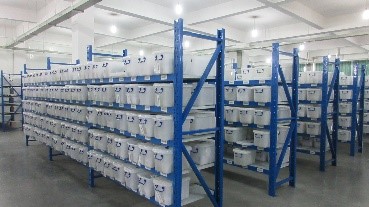
Supply chain resilience is critical in today’s volatile market. Axiora maintains long-term agreements with premium medical-grade titanium alloy ingot suppliers, securing a stable supply of raw materials. Operating an 18,600 m² factory equipped with 48 QA/QC inspectors and 86 R&D engineers, we execute rigorous quality control protocols. Every stage is monitored, from spectral material analysis to final product verification using Coordinate Measuring Machines (CMM).
| Axiora Medical Technology (China) Co., Ltd. - Corporate Fact Sheet | |
|---|---|
| Company Name & Brand | Axiora Medical Technology (China) Co., Ltd. | Brand: Axiora (Website: www.axioraortho.com) |
| Core Competency | Orthopedic & Cranial Implants Research, Development, and Global OEM/ODM Supply Chain Solutions |
| Facility Infrastructure | 18,600 m² state-of-the-art facility featuring 86 R&D Engineers and 48 Dedicated Quality Control Personnel |
| Material & Quality Audits | 100% Finished Product Inspection & Incoming Material Testing (CMM, Tensile, Hardness, Surface Roughness) |
| Supply Chain Scale | Over 1,120 global supply partners; Annual Export Revenue exceeding USD 26 Million; 126 new products launched last year |
| Primary Target Segments | Medical device distributors, brand owners, orthopedic hospitals, and international government procurement organizations |
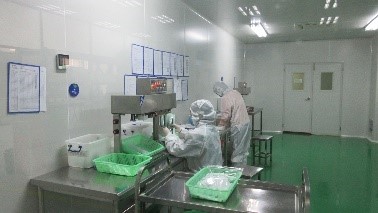
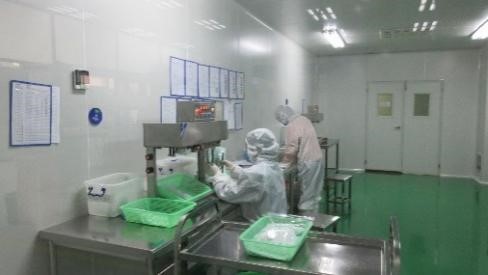
Explore our step-by-step production line. Our facilities maintain ISO 13485 compliance, from raw material validation to cleanroom packaging, ensuring the highest standards of safety and performance for neurosurgical implants.
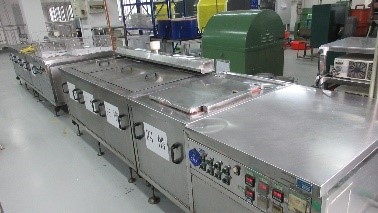
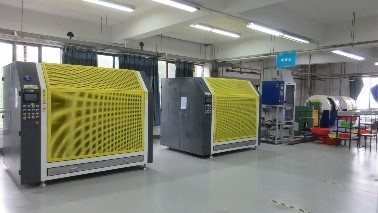
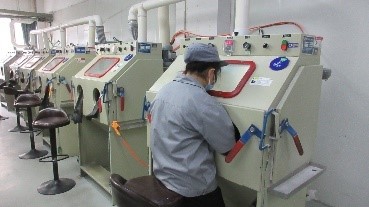
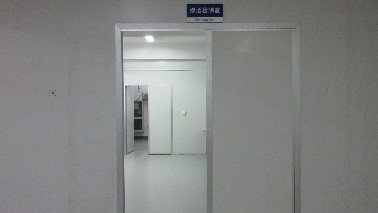
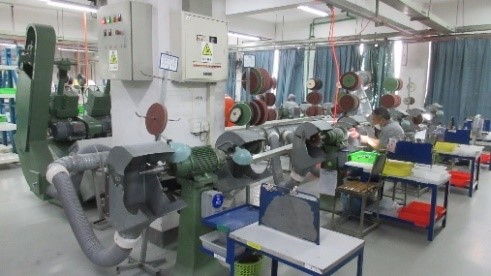
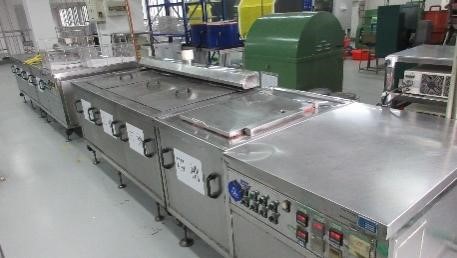
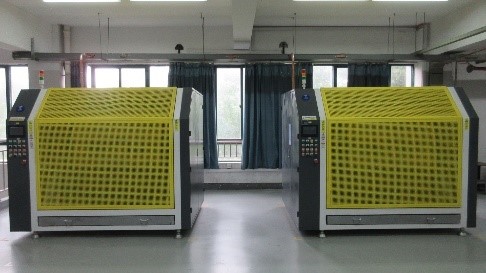
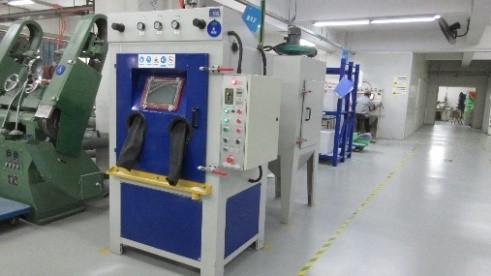
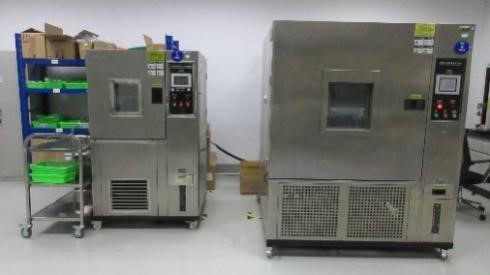
Our medical-grade cranial titanium mesh adapts to various clinical environments and surgical requirements:
Designed for rapid, manual forming during emergency cranioplasties following high-impact trauma. The mesh allows easy trimming and contouring, enabling fast cranial reconstruction in critical situations.
Used to reconstruct large skull defects following the removal of bone-invasive meningiomas or sarcomas. The micro-pore architecture supports soft-tissue integration, helping prevent post-operative implant displacement.
Ultralight, flexible titanium mesh options designed for pediatric patients. These systems offer the necessary flexibility to allow natural cranial expansion while providing reliable structural protection.