Axiora Medical
Axiora Medical
Axiora Medical
Total Shoulder Arthroplasty (TSA) has evolved dramatically from early monoblock designs to contemporary modular, anatomically accurate, and patient-specific implant configurations. With the aging global population and the expanding indications for shoulder joint replacement—encompassing osteoarthritis, complex proximal humeral fractures, avascular necrosis, and massive rotator cuff arthropathy—the demand for reliable, biocompatible total shoulder prosthesis manufacturers has surged exponentially.
Modern clinical outcomes dictate that shoulder implants achieve long-term primary stability, optimized range of motion, and minimized glenoid component loosening (the leading cause of anatomical TSA failure). High-quality prosthetic systems rely on ultra-high-molecular-weight polyethylene (UHMWPE) articulating surfaces coupled with highly polished Cobalt-Chromium (CoCrMo) or Titanium alloy humeral heads. This white paper highlights how manufacturers balance mechanical structural integrity with biomechanical natural motion kinetics.
Structural Stability: Utilizing porous-coated materials, plasma spray titanium, or trabecular-style surfaces to guarantee biological bony in-growth.
Kinematic Optimization: Offering multiple height offsets, modular stem options, and precise anatomic neck-shaft angle customization.
Wear Mitigation: Utilizing vitamin E blended cross-linked polyethylene (XLPE) to resist shear stress and micro-abrasions under constant loads.
Axiora Medical Technology (China) Co., Ltd. stands as a premier professional developer and manufacturer specializing in the global supply of highly reliable orthopedic implants and instrumentation. Our catalog spans advanced trauma systems, spinal fixation constructs, joint reconstruction components (including total shoulder joints), and sports medicine stabilization devices. By linking raw component engineering with direct surgeon-focused solutions, Axiora meets the highest parameters of the modern operating theater.
| Inspection & Factory Specifications | Details & Capabilities |
|---|---|
| Company Name | Axiora Medical Technology (China) Co., Ltd. |
| Brand & Website | Axiora (www.axioraortho.com) |
| Quality Inspection | 100% Finished Product Inspection & Incoming Raw Material Testing |
| R&D Capability | Independent Design, Reverse Engineering, and full OEM & ODM execution |
| Inspection Methods | Coordinate Measuring Machine (CMM), Tensile Load Testing, Hardness Testing, Surface Roughness Laser Metrology, Salt Spray Corrosive Testing |
| Customization Scope | Logo Printing, Private Labeling, Sterile/Non-sterile Custom Packaging, Custom Joint Sizing & Material Selection |
| Annual Export Revenue | USD 26 Million with presence in 50+ countries |
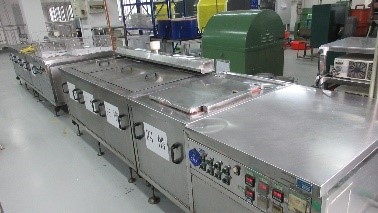
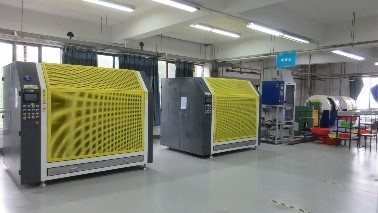
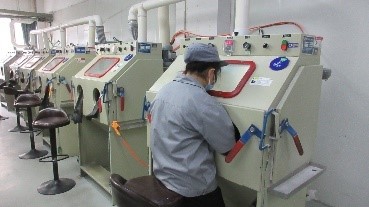
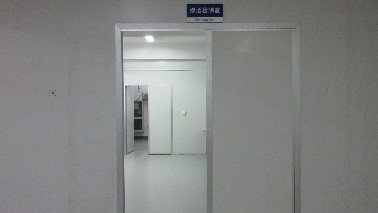
Quality orthopedics cannot exist without comprehensive in-house traceability. Axiora oversees every stage, from titanium ingot validation to class-10,000 cleanroom packaging. Below is our complete production and validation pathway:
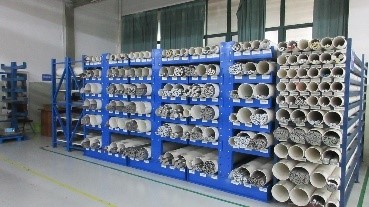
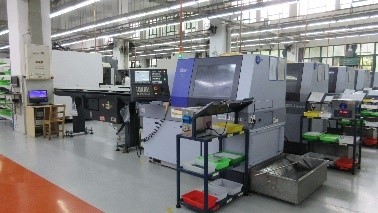
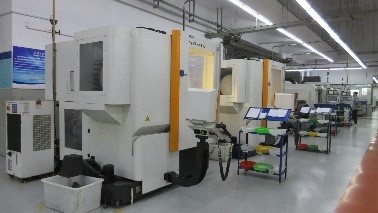
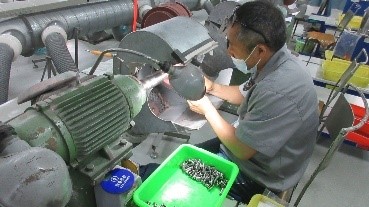
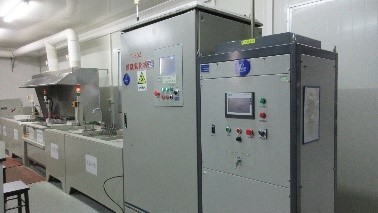
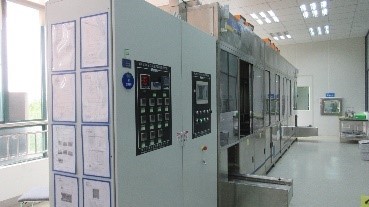
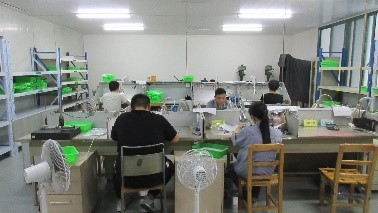
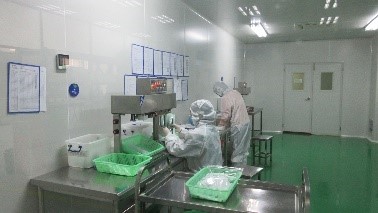
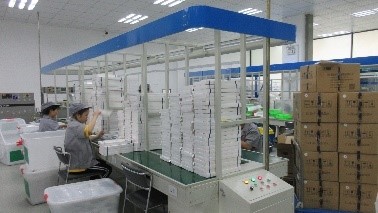
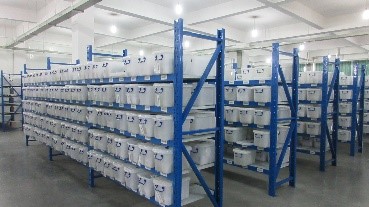
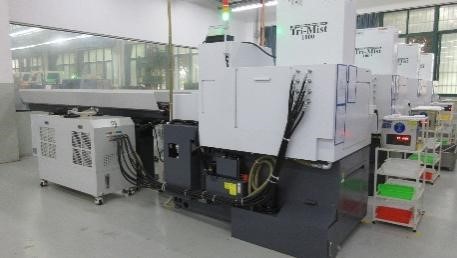
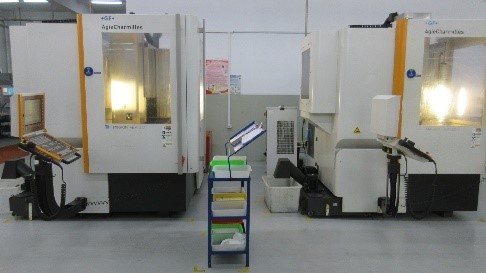
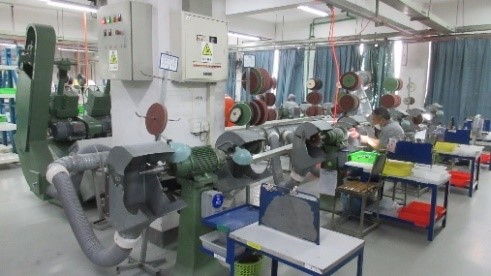
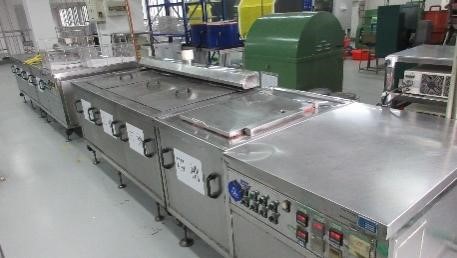
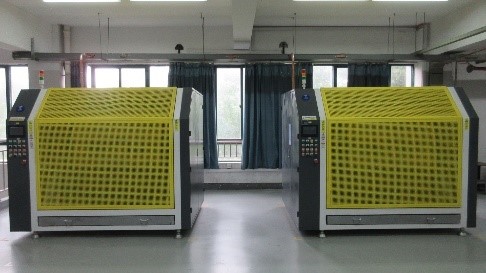
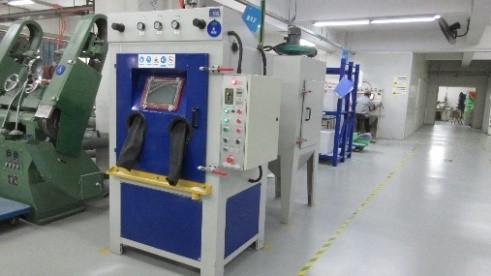
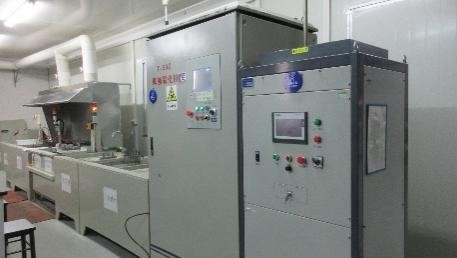
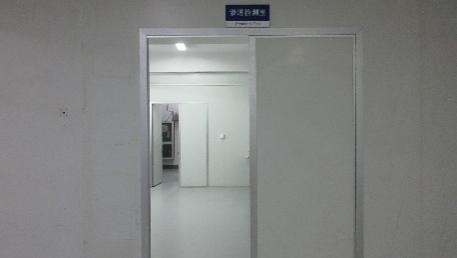
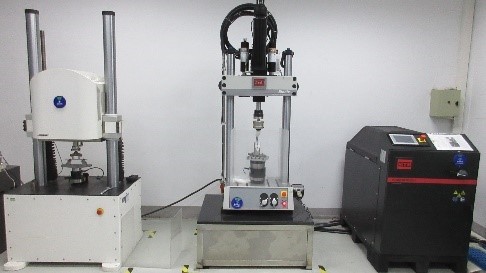
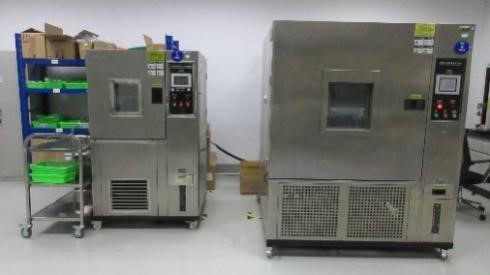
The global medical device market has shifted. Sourcing implants like the total shoulder prosthesis from top-tier Chinese manufacturers is no longer merely a cost-saving measure—it is a strategic capability. The combination of advanced infrastructure, material availability, and manufacturing agility provides significant benefits to distributors and OEM brands.
China is home to the world's most concentrated supply of raw medical materials. This includes medical-grade Titanium alloys (Ti6Al4V ELI) and PEEK, allowing us to maintain stable manufacturing pipelines without being vulnerable to Western raw material shortages.
With an integrated R&D structure of 86 engineers, we transition from customer CAD drawings to functional prototypes in a fraction of the time taken by North American or European counterparts, accelerating time-to-market.
Lower processing overheads, coupled with optimized multi-axis automated machinery lines, yield competitive unit prices. This enables global distributors to preserve their operating margins while delivering high-quality healthcare products.
Orthopedic implants carry high patient risks, demanding stringent compliance structures. Axiora maintains robust global systems to streamline regional registrations.
Axiora operations are audited against the ISO 13485 standard for medical devices. Our manufacturing pathways ensure clean extraction of processing fluids, validate sterilization compatibility (Gamma or EtO), and track individual batch records.
By working with certified raw suppliers and executing precise, traceable material verification steps, we deliver products that support regulatory applications worldwide.
We offer specialized support to overseas brand owners, providing documentation files such as material characterization reports, biocompatibility credentials, and mechanical fatigue test results.
Our regulatory engineers work alongside your local registration agents to coordinate documentation requirements, reducing compliance bottlenecks and accelerating approval timelines.
A shoulder system must adapt to varying patient anatomies and pathological conditions. Our implants are designed to address specific clinical challenges:
For patients with intact rotator cuffs and concentric glenoid wear, our anatomical implants recreate natural joint lines, using retroversion adjustment parameters to minimize eccentric bone forces.
When structural cuff dynamic stabilization is lost, our reverse shoulder geometry shifts the rotation center medially and distally. This design leverages the deltoid muscle to lift the arm, restoring function and mobility.
For multi-fragment proximal humeral fractures, modular humeral stems allow surgeons to adjust height and version intraoperatively, optimizing tuberosity reattachment and healing.
As a forward-looking implant manufacturer, Axiora aligns its product roadmaps with key technological and clinical developments:
3D metal printing (Additive Manufacturing) enables the production of highly porous titanium surfaces that mimic human trabecular bone, promoting rapid osteointegration and improving long-term glenoid component survival.
Using preoperative CT scans and virtual planning software, we manufacture customized cutting and drilling guides. These patient-specific instruments help surgeons achieve precise implant placement and orientation.