Axiora Medical
Axiora Medical
Axiora Medical
Providing cutting-edge orthopedic and trauma solutions compliant with modern healthcare demands in Prague, Brno, and Central Europe.
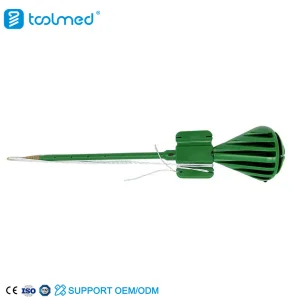
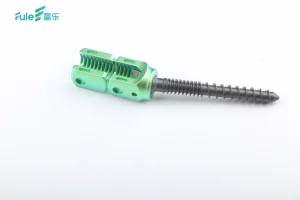
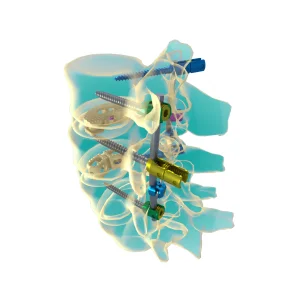
The Czech Republic represents a critical hub for high-precision manufacturing, bio-engineering, and medical device distribution within Central and Eastern Europe (CEE). With established academic hubs in Prague, Brno, and Ostrava, the demand for sophisticated traumatology and osteosynthesis systems has grown exponentially. Local healthcare facilities require surgical implants that deliver absolute stability, biological compatibility, and streamlined insertion dynamics.
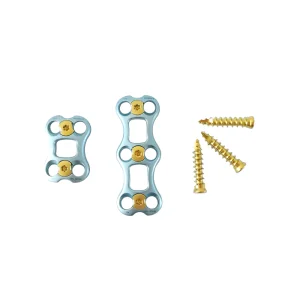
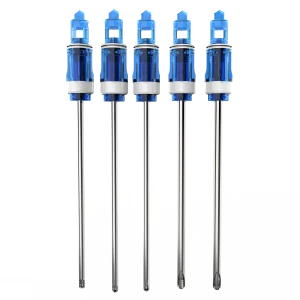
As a leading supplier of cannulated screws, Axiora Medical Technology addresses the evolving clinical standards of the Czech orthopedic sector. Our systems are engineered to facilitate minimally invasive procedures, reducing post-operative complications and patient recovery times in key national trauma centers.
Medical procurement in the Czech Republic is governed under the strict parameters of the State Institute for Drug Control (SÚKL) and European Medical Device Regulations (MDR EU 2017/745). To navigate this demanding legal landscape, distributors and surgical clinics must partner with manufacturers that possess comprehensive documentation portfolios, full traceability, and clean clinical performance reviews.
Axiora integrates advanced raw material sourcing with certified surface treatments, ensuring our cannulated screws exhibit optimal mechanical integration, high pull-out resistance, and minimal risk of structural failure under physiological loads.
A closer look at the metallurgical composition, dimensional ranges, and mechanical configurations of our cannulated screw systems.
Cannulated compression screws are widely used in modern orthopedic surgery because they allow for precise guide wire positioning prior to final screw insertion. This minimizes bone damage, guarantees optimal compression across the fracture line, and significantly increases surgical efficiency. Below is an overview of our technical performance benchmarks and dimensional matrices:
| Screw Type & Diameter | Material Composition | Thread Configurations | Key Clinical Indications | Primary Compatibility |
|---|---|---|---|---|
| Ø 2.4mm / 3.0mm (Micro-system) | Titanium Alloy (Ti-6Al-4V ELI / ISO 5832-3) | Short Thread / Full Thread | Scaphoid fractures, small bone osteotomy, radial head fractures | Ø 0.8mm Guide Wire |
| Ø 4.0mm / 4.5mm (Mini-system) | Titanium Alloy & 316L Stainless Steel | Partial / Full Thread (Self-Tapping) | Medial malleolus, calcaneus, talar neck, tibial plateau fractures | Ø 1.2mm / 1.6mm Guide Wire |
| Ø 6.5mm / 7.3mm (Large-system) | Medical-Grade Titanium Alloy (Grade 5) | 16mm / 32mm Thread Depth (Reverse-Cutting) | Femoral neck fractures, sacroiliac joint disruptions, arthrodesis | Ø 2.0mm Guide Wire / Kirschner Wires |
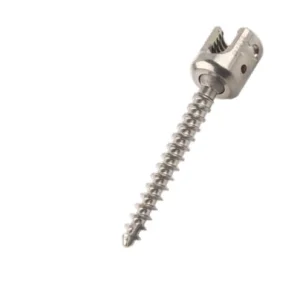
| Bone Cement Screws (Specialized) | Grade 5 Titanium (ISO 5832-3) | Cannulated with fenestrations for PMMA delivery | Pedicle fixation in severely osteoporotic bone tissue | High viscosity PMMA delivery systems |
Optimized reverse-cutting flutes facilitate effortless insertion and ease of extraction. The variable pitch variant offers progressive compression as the screw seats, generating maximum interfragmentary compression.
Constructed from high-purity Titanium Alloy (Ti-6Al-4V ELI), promoting superior osseointegration and preventing galvanic corrosion. Surfaces are anodized (Type II) to enhance fatigue strength.
Concentric drilling processes ensure uniform wall thickness, mitigating the risk of screw deflection or breakage under torsional stress during insertion over the guide wire.
Aligning manufacturing capabilities with the clinical demands of Czech trauma centers and national health insurance systems.
Axiora’s cannulated screw portfolio is systematically cataloged to match standard operational workflows in trauma departments. Key applications include:
Our export pipeline to the European Union, specifically the Czech Republic, relies on solid regulatory compliance. We provide a complete documentation package with every shipment:
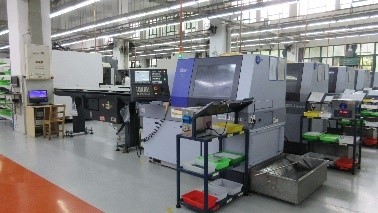
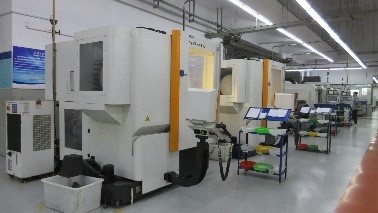
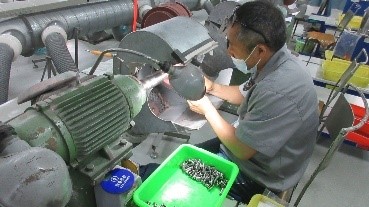
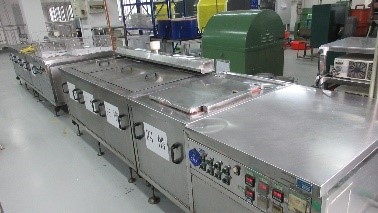
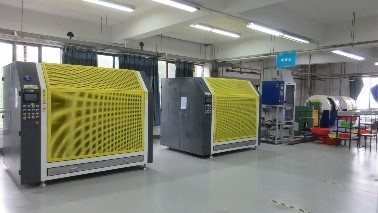
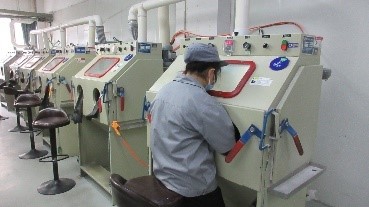
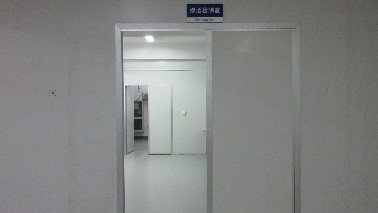
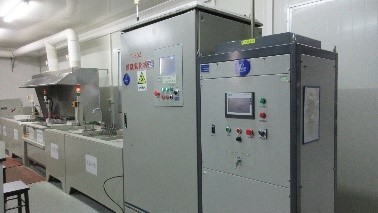
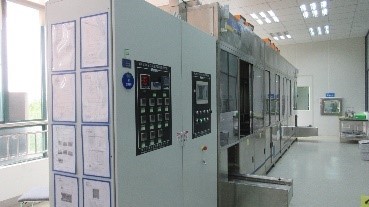
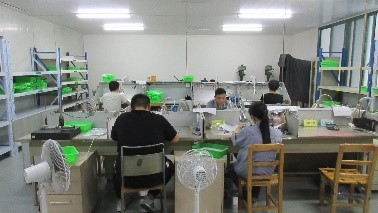
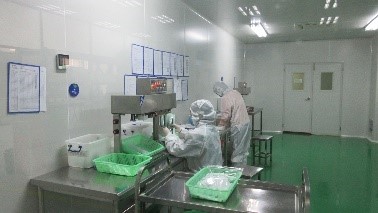
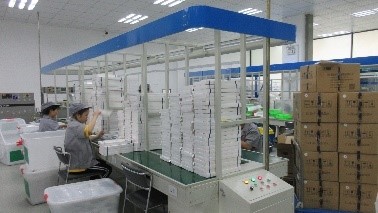
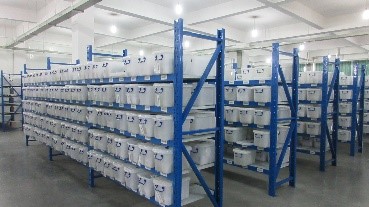
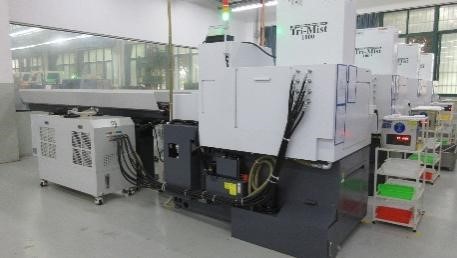
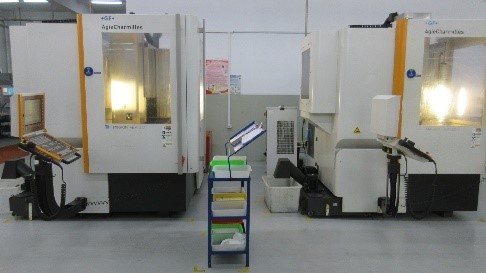
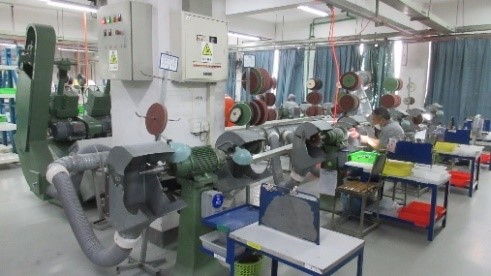
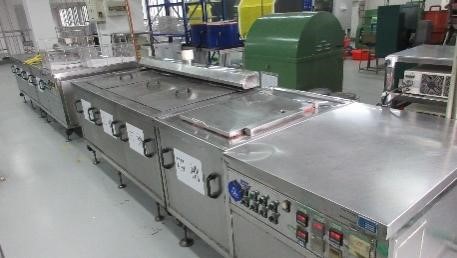
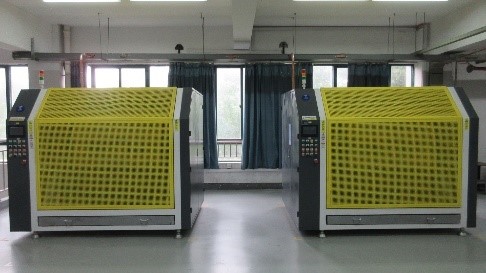
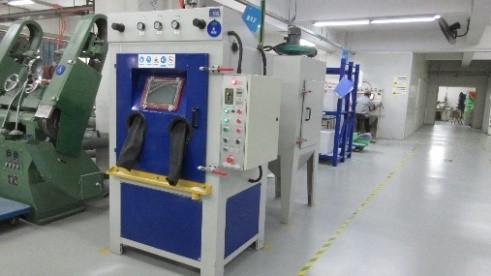
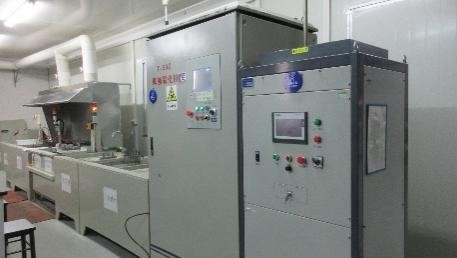
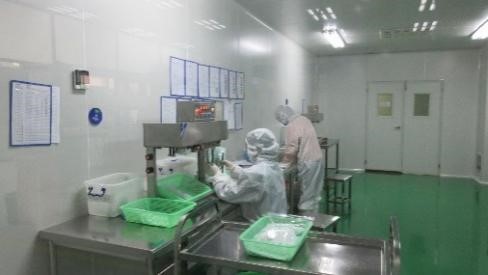
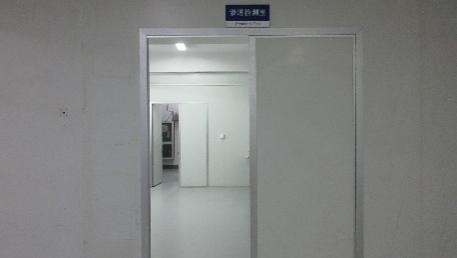
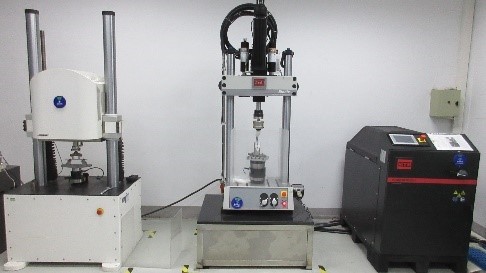
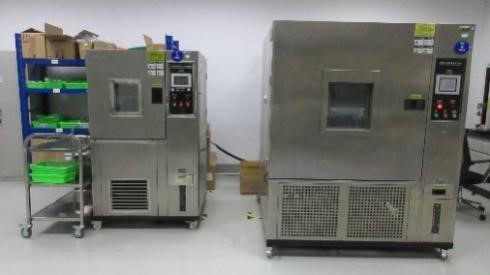
A closer look at Axiora Medical's state-of-the-art facility, testing laboratories, and precision machinery.
Established in 2017, Axiora is a professional manufacturer specializing in the research, development, production, and global supply of high-quality orthopedic implants and surgical instruments. Our product portfolio covers trauma fixation systems, spinal implants, joint reconstruction solutions, sports medicine products, and related orthopedic surgical instruments.
With an 18,600 m² factory area and 86 dedicated R&D engineers, we execute raw material slicing, high-precision Swiss-type CNC machining, advanced polishing, ultrasonic cleaning, and aseptic packaging in ISO Class 7 cleanrooms. Our quality control team utilizes Coordinate Measuring Machines (CMM), tensile testers, hardness testers, and surface roughness indicators to ensure 100% finished product inspection compliance.
| Operation Parameters | Specifications / Capability |
|---|---|
| Year Established | 2017 (8 Years Export Experience) |
| Factory Scale | 18,600 m² modern facility |
| Quality Personnel | 48 Dedicated Quality Engineers |
| Customization Options | Logo printing, private label, drawing-based manufacturing |
| Verification Tools | CMM, Tensile testing, Hardness, Salt spray, Roughness |
| Annual R&D Output | 126 new products released last fiscal year |
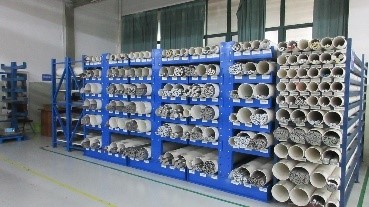
How we are advancing implant technology through surface modifications and advanced bio-absorbable materials.
Developing next-generation magnesium-alloy cannulated screws that gradually dissolve in the body as bone healing progresses. This eliminates the need for secondary hardware removal surgeries, reducing hospitalization costs and patient anxiety.
Integrating additive manufacturing technologies to create biomimetic porous lattices on the non-threaded shanks of pediatric and large cannulated screws, significantly enhancing osteoconductive properties and bone ingrowth.
Researching anti-biofilm nanotechnology coatings (incorporating silver/copper ions) to suppress postoperative infections on implants, mitigating risk parameters in complex revision surgeries across the Czech Republic.
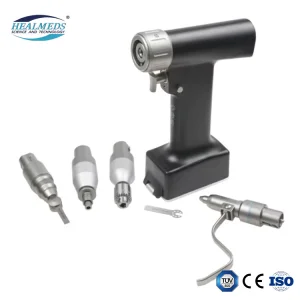
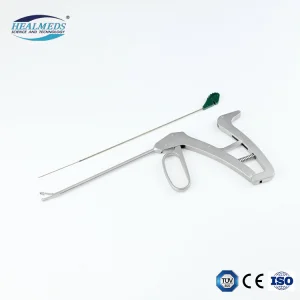
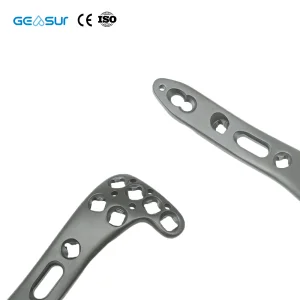
Explore our complete range of certified implants, plates, power tools, and specialized surgical systems.
Essential guidance on importing, compliance, and clinical testing for buyers in the Czech Republic and wider EU regions.