Axiora Medical
Axiora Medical
Axiora Medical
Immediate-response orthopedic devices optimized for rapid stabilization and modular bone fixation in trauma settings.
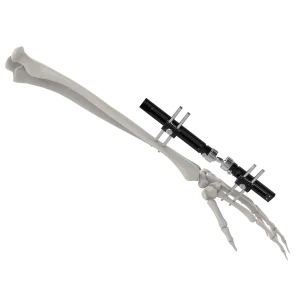
Malakal, as a crucial regional capital of Upper Nile State, stands as a strategic healthcare hub under challenging geographic conditions. Amidst post-conflict reconstruction and the operations of international medical aid groups (such as UNMISS, WHO, and various NGOs), the demand for high-integrity trauma care solutions has escalated. Orthopedic stabilization represents a critical frontier in this low-resource surgical ecosystem.
Open fractures, gunshot wounds, and severe vehicular trauma present a distinct clinical reality in the region. Due to restricted local power grid access, limited intraoperative fluoroscopy (C-arm) availability, and a scarcity of specialized implant inventory, external fixation is the undisputed gold standard for primary damage control orthopedics.
"In rural and post-trauma markets like Malakal, internal fixation (such as intramedullary nailing or complex locking plates) is often contraindicated for initial emergency presentations due to the high risk of infection in contaminated open wounds. Modular external fixators allow rapid stabilization under local or regional anesthesia, preserving soft tissue integrity and providing structural stability for long-range patient transit to regional referral centers."
Developing a resilient supply chain for medical hardware into Malakal requires deep logistical expertise. Air freight routes from Juba to Malakal Airport remain the primary conduit for critical biomedical equipment. Consequently, the weight-to-performance ratio of external fixation hardware is a core metric for procurement officers. Axiora optimizes this by utilizing high-strength, lightweight Grade 5 Titanium alloys and aircraft-grade carbon fiber rods. This reduces payload weight while maintaining the structural stiffness required to prevent fracture displacement during patient mobilization over unpaved regional roadways.
Additionally, modularity is essential. Standardizing clamp designs to accept both 11mm carbon rods and varying pin diameters (from 4.0mm to 6.0mm Steinmann pins) allows surgeons to tackle diverse fracture presentations—from pediatric femoral breaks to adult pelvic disruptions—using a single, standardized trauma instrument set. This minimizes sterilization cycles and eases the burden on surgical staff who operate in limited-theater settings.
Empirical proof of our industrial footprint, quality control parameters, and compliance standards.
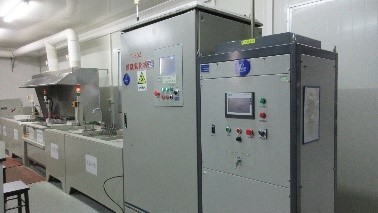
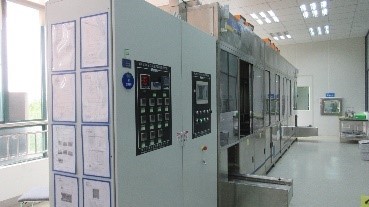
Axiora Medical Technology (China) Co., Ltd. operates at the intersection of high-precision manufacturing and cost-efficient scaling. Our orthopedic trauma systems are processed via multi-axis CNC milling, utilizing raw materials sourced exclusively from medical-grade certified titanium alloy and stainless steel suppliers. Every single batch of external fixation pins, clamps, and rods undergoes rigorous non-destructive penetrant testing, tensile strength evaluation, and coordinate measuring machine (CMM) dimensional validation.
By routing procurement directly to our manufacturing plant in China, international organizations, ministries of health, and private distributors bypass intermediary markups. This ensures that humanitarian aid budgets allocated to South Sudan go further, providing a larger volume of life-saving trauma sets per dollar spent without compromising on CE Class III or ISO 13485:2016 international standards.
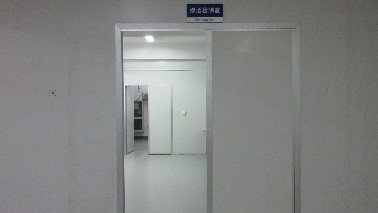
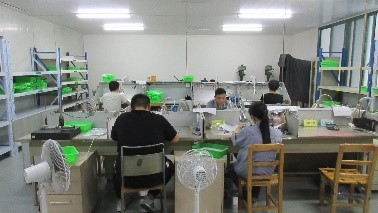
A transparent look inside our state-of-the-art facility from raw material processing to aseptic packaging.
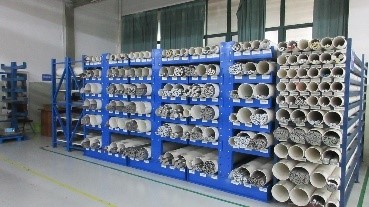
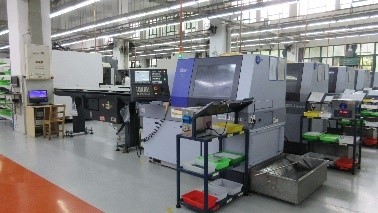
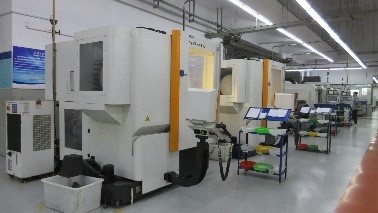
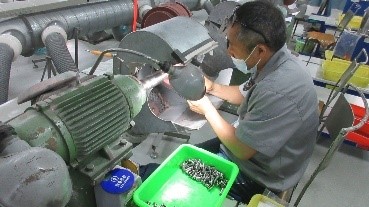
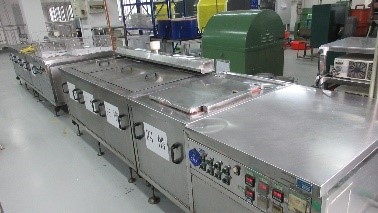
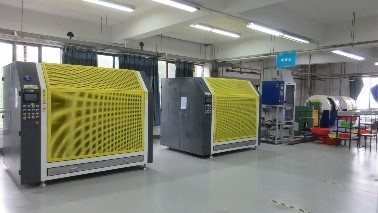
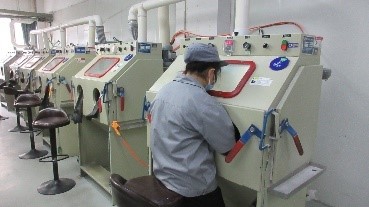
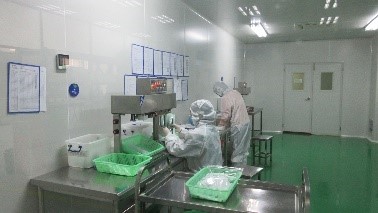
Operational data and structural capacities of Axiora Medical Technology (China) Co., Ltd.
| Evaluation Parameter | Technical Capacity Details |
|---|---|
| Corporate Identity & Brand | Axiora Medical Technology (China) Co., Ltd. (Brand: Axiora / OEM / ODM) |
| Manufacturing Footprint | 18,600 m² state-of-the-art facility featuring 86 R&D Engineers |
| Established & Experience | Founded in 2017 with 15+ years of clinical orthopedic industry manufacturing experience |
| Quality Standards Compliance | 100% Finished Product Inspection, Coordinate Measuring Machine (CMM), Tensile Testing, Hardness Verification |
| Material Classifications | Medical Grade Titanium Alloy (Ti-6Al-4V ELI), Implant Grade Stainless Steel (316LVM), Carbon Fiber Composite Rods |
| Supply Chain Capabilities | Full customization (Private labeling, CAD drawing-based design, custom packaging configurations) |
| Annual Innovation Rate | 126 new orthopedic implant and instrument profiles released annually |
Bridging Chinese manufacturing excellence with urgent orthopedic clinical needs in South Sudan.
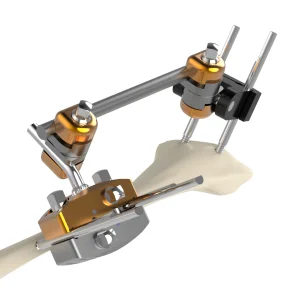
Optimized for the Malakal Teaching Hospital and field clinics. These comprehensive kits allow surgeons to instantly construct unilateral, bilateral, or delta frames for tibia and femur stabilization under extreme time constraints.
Direct supply paths optimized for United Nations missions (UNMISS) and NGOs operating in the Upper Nile. Streamlined packaging reduces waste and maximizes sterile presentation integrity in remote surgical camps.
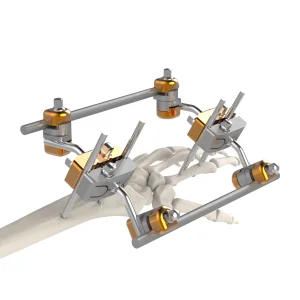
For hand and foot trauma, blast injuries, and crushing incidents. Our mini external fixators provide micro-distraction and structural stabilization for metacarpals and phalanges, preventing long-term limb dysfunction.
Premium trauma hardware, spinal systems, and arthroscopic instruments engineered for superior clinical outcomes.
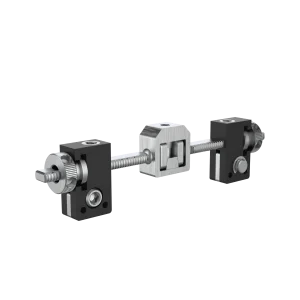
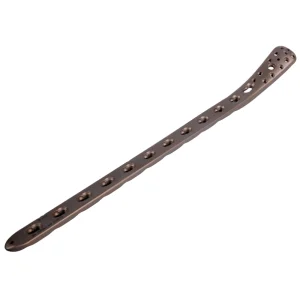
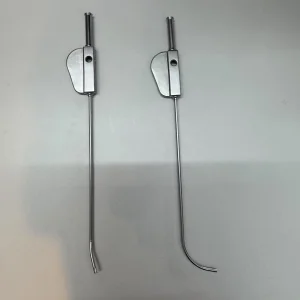
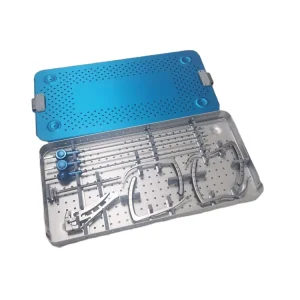
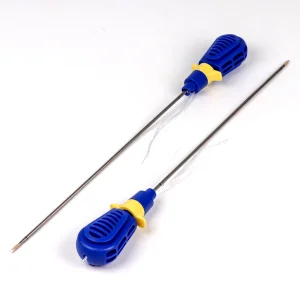
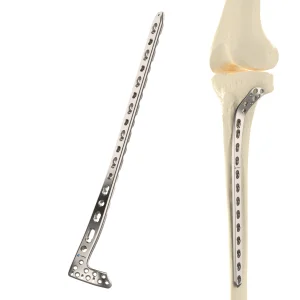
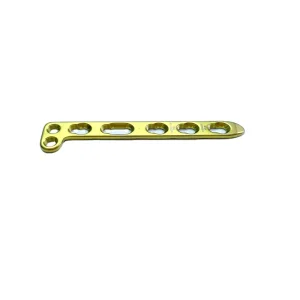
Working in remote areas like Malakal and the greater Upper Nile region demands strict quality control. Medical systems cannot afford product failures in field hospitals, where revision surgeries are highly complex and dangerous. Axiora addresses this risk through a comprehensive process: 100% finished product inspections, hardness evaluations, and surface roughness checks. This ensures that every bone screw, Steinmann pin, and external fixator clamp has structural integrity, preventing shearing or threads stripping during insertion.
Our shipping logistics team works directly with global clearing agents in Juba to manage custom clearances. We offer tailored documentation, certificate authentication, and protective packaging suitable for high-humidity and high-temperature storage environments in Sub-Saharan Africa. This guarantees that implants reach destinations like the Malakal Teaching Hospital or regional humanitarian depots sterile, fully functional, and ready for immediate clinical application.
Additionally, our extensive R&D department (staffing 86 engineers) offers complete OEM and ODM customization. We design and build trauma fixators matching legacy systems (such as Hoffmann, Orthofix, or Synthes profiles). This allows hospitals to upgrade their surgical capabilities without replacing their existing instrument sets.
Technical and logistical answers for hospital directors, purchasing agents, and orthopedic surgeons.
Due to the high incidence of open, high-energy trauma wounds, internal fixation carries a significant risk of infection. External fixation allows for immediate bone stabilization away from the wound zone, minimizing interference with the soft tissue envelope and allowing clinical staff to monitor local wound healing.
Yes. Our Hoffmann-style and mini trauma systems are designed to be universally compatible with international configurations. We provide 11mm rod clamps that accept standard carbon fiber or stainless steel rods and accommodate Steinmann pin diameters from 3.0mm to 6.0mm.
We operate in strict compliance with ISO 13485:2016 quality management system standards. Our trauma fixation devices are CE Class III certified. Every production run undergoes CMM inspections, salt spray tests, and mechanical tensile assessments.
For urgent humanitarian needs, air freight from our Chinese logistics hubs to Juba International Airport typically takes 7 to 10 days. From Juba, regional air cargo charters can reach Malakal within 48 hours. For larger stock orders, ocean shipping to Mombasa or Port Sudan followed by land transport is available.
Yes. We support custom surgical kit designs, localized labeling, laser-marked branding on implants, and custom sterilizing container configurations to meet NGO, UN, or national procurement tenders.