 Axiora Medical
Axiora Medical
Axiora Medical
High-performance implants Engineered to Meet the Urgent Requirements of Modern Orthopedic Surgery in West Africa
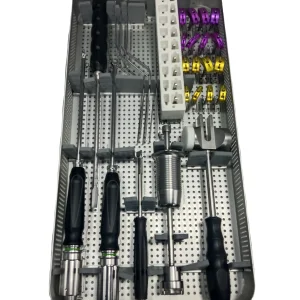
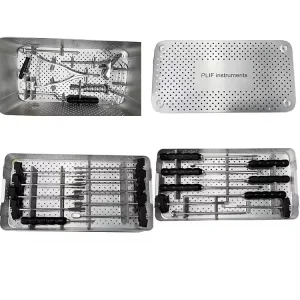
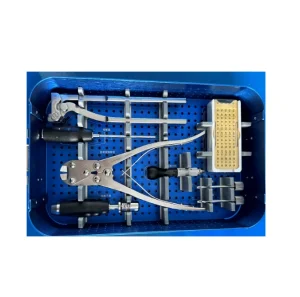
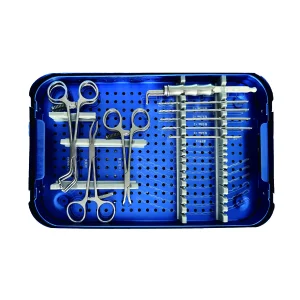
Analysis of Clinical Deficits, Infrastructure Transformation, and the Path Forward for West African Trauma Infrastructure
In recent years, West Africa’s healthcare ecosystem has experienced significant growth. In Ghana, this is driven by both public initiative and private sector investments. As urban environments expand and road corridors like the N1 and N6 handle heavier traffic, the incidence of trauma and orthopedics cases has risen. Healthcare institutions such as the Korle-Bu Teaching Hospital (KBTH) in Accra, the Komfo Anokye Teaching Hospital (KATH) in Kumasi, and regional military healthcare centers are working to address these conditions daily. However, managing complex bone fractures, spinal trauma, and degenerative joint diseases requires more than clinical skill. It demands a reliable supply of medical-grade surgical implants and instruments.
Ghana's healthcare sector operates under a two-tiered system of government-funded teaching institutions and a growing network of private specialty clinics. Across both sectors, orthopedic departments face consistent challenges. First is the reliance on imported orthopedic hardware. The absence of local manufacturing facilities for raw titanium or PEEK materials means that hospitals are exposed to supply chain delays. When an emergency case arrives, the correct size of locking plates, distal radius fixators, or spinal cages must be immediately available. Stockouts can delay procedures, impacting patient recovery times and clinical outcomes.
Additionally, surgical teams face the challenge of matching implant designs with the anatomical profiles of local patient populations. Standard imports designed for other regions sometimes require intra-operative adjustments, which can extend anesthesia times and increase surgical risks. For this reason, custom manufacturing services (such as those offered by Axiora through OEM/ODM partnerships) have become critical. Providing instrument sets that can be customized to local specifications supports surgical precision in major medical hubs across Ghana.
Entering the Ghanaian medical device market requires navigating strict regulatory pathways managed by the Ghana Food and Drugs Authority (FDA). In Ghana, orthopedic implants are classified as high-risk medical devices due to their permanent placement within the human skeletal system. Compliance demands documentation that verifies material biocompatibility, sterile processing certification, and manufacturing traceability.
For distributors and hospital buyers, partnering with a certified manufacturer like Axiora Medical Technology simplifies this registration process. Providing complete dossiers, including ISO 13485 certifications, CE declarations of conformity, and comprehensive materials testing data, helps streamline local authorization. This approach ensures that implants can clear customs, enter supply chains, and reach operating theaters without regulatory delays.
Why leading clinical distributors, trauma networks, and procurement managers choose Axiora as their trusted partner
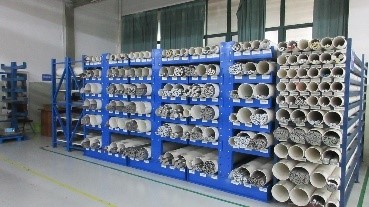
All products are manufactured under ISO 13485 standards. Titanium implants utilize medical-grade alloys (Gr 5 / Ti-6Al-4V) for biocompatibility, corrosion resistance, and structural strength.
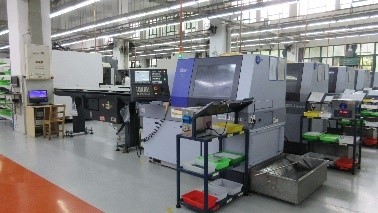
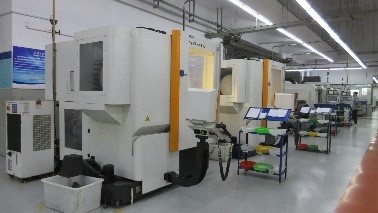
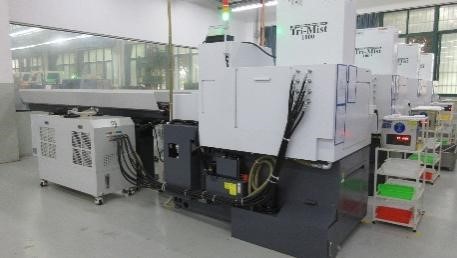
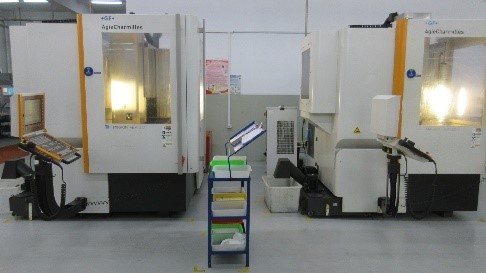
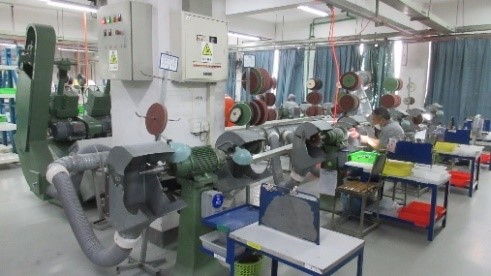
Our facility utilizes precision CNC machining and automated longitudinal cutting technology to achieve tight tolerances on complex geometries, such as locking screw threads and anatomic contours.
We support custom modifications, laser etching, private labeling, and regional sterile barrier packaging to align with procurement guidelines and hospital supply requirements across Ghana.
Why Titanium Alloy and Bio-PEEK Remain the Benchmark for High-Performance Orthopedic Implants
In modern trauma surgery, the choice of materials directly impacts long-term implant survival and patient recovery. The biological environment of the human body requires materials that resist degradation, support bone integration, and avoid adverse tissue reactions. Historically, surgical-grade stainless steel was the industry standard. However, material science has transitioned toward Titanium Alloys (primarily Grade 5, Ti-6Al-4V) and advanced polymers like Polyetheretherketone (PEEK).
Titanium alloys are preferred for trauma fixation systems (such as distal radius plates, femoral neck plates, and micro-locking plates) due to their high strength-to-weight ratio and fatigue resistance. Titanium’s modulus of elasticity is closer to that of cortical bone than stainless steel, reducing stress shielding—a condition where the implant carries too much load, causing adjacent bone to lose density. Additionally, titanium's passivation layer forms a stable oxide surface, minimizing the release of metallic ions and supporting osseointegration.
For spinal applications, such as cervical and lumbar interbody cages, PEEK has become a common choice. PEEK’s elastic modulus is similar to that of human cancellous bone, which helps distribute mechanical stress naturally across the spinal column. The material is also radiolucent, meaning it does not block X-rays or CT scans. This allows surgeons to monitor bone fusion and structural healing over time, which can be obscured by metal implants.
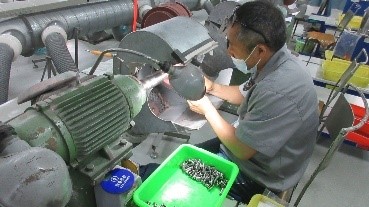
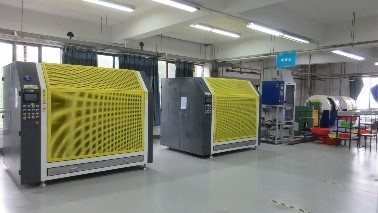
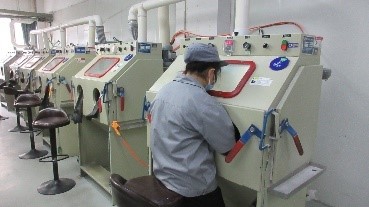
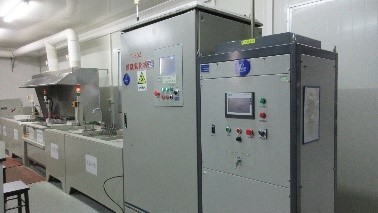
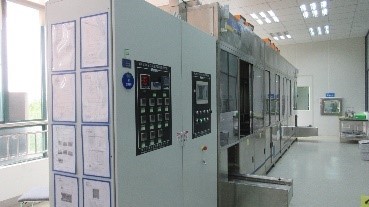
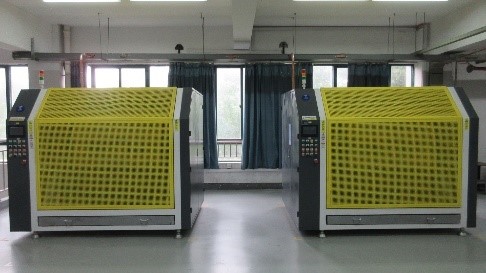
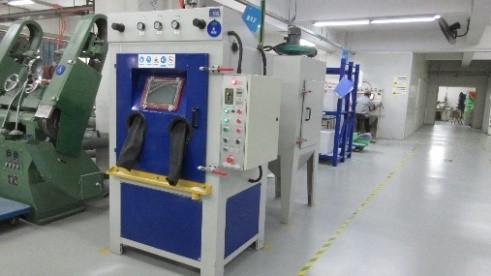
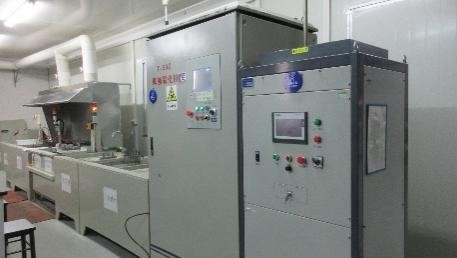
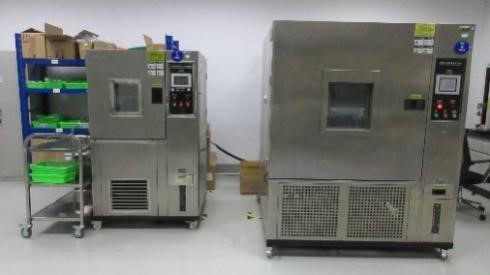
High-quality raw materials require precise processing to maintain their structural integrity. At Axiora’s manufacturing center, production is monitored at every stage. Longitudinal cutting lathes and multi-axis CNC machines shape the raw stock, followed by automated polishing and surface treatment (such as anodizing) to optimize surface texture and wear resistance.
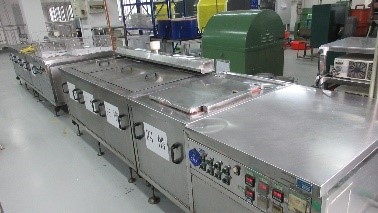
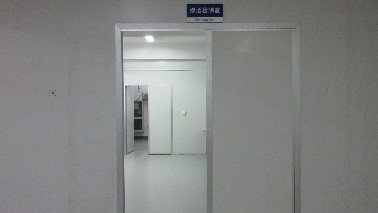
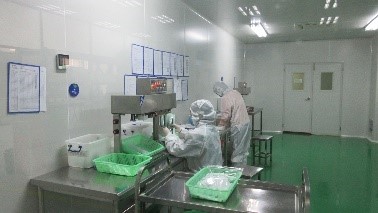
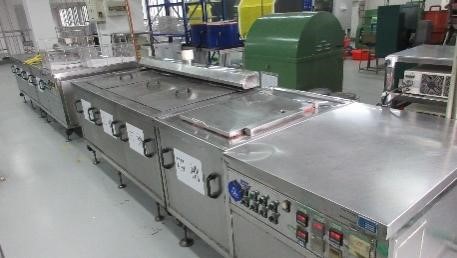
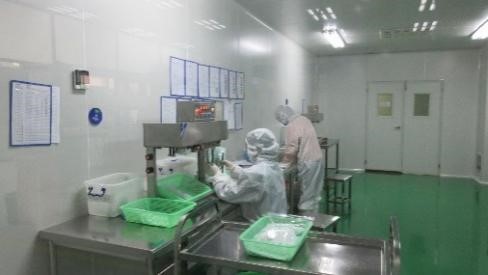
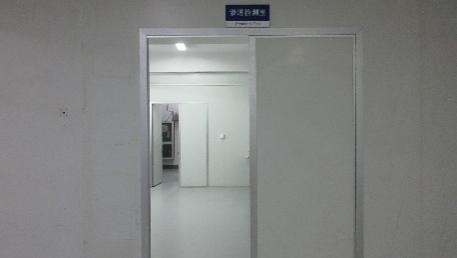
Contamination control is critical for implantable devices. Processed implants undergo multi-stage ultrasonic cleaning and penetrant testing to verify surface integrity and remove microscopic residues. Final inspection, assembly, and packaging occur in Class 100,000 aseptic clean rooms to ensure products are sterile and ready for clinical use.
Transparent Operational Data Confirming Manufacturing Capacity and Quality Assurance Standards
| Operational Parameter | Technical and Compliance Details |
|---|---|
| Company Name | Axiora Medical Technology (China) Co., Ltd. |
| Brand | Axiora |
| Website | www.axioraortho.com |
| Established | 2017 |
| Factory Area | 18,600 m² (Equipped with Class 10,000 Cleanrooms & CNC Workshops) |
| Annual Export Revenue | USD 26 Million |
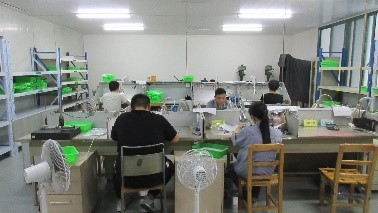
| Quality Inspection | 100% Finished Product Inspection & Incoming Material Inspection |
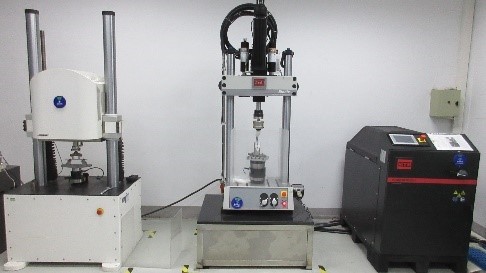
| Inspection Methods | Coordinate Measuring Machine (CMM), Tensile Testing, Hardness Testing, Surface Roughness Inspection, Salt Spray Testing |
| R&D Capability | Independent Product Development, Reverse Engineering, OEM & ODM Solutions |
| Customization Options | Logo Printing, Private Label, Custom Packaging, Product Design, Material Selection, Drawing-Based Manufacturing |
| R&D Engineers | 86 Specialized Engineers |
| Quality Control Staff | 48 QC Inspectors |
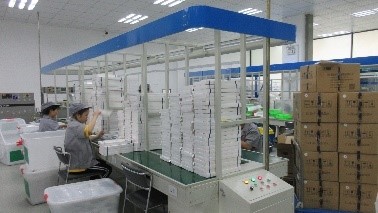
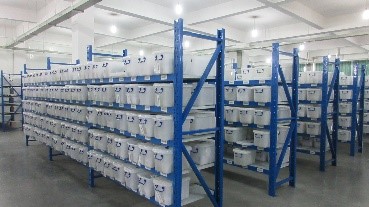
Every step of our process—from material inspection to sterile packaging—is designed to meet international orthopedic standards
Optimizing lead times, regulatory compliance, and distribution pathways across West African economic zones
Timely delivery is a key factor in medical supply chains. For hospitals in Accra, Kumasi, and Tamale, shipping delays or customs holdups can directly affect patient scheduling. Axiora has structured its export framework to address these regional challenges directly. By utilizing air freight routes into Kotoka International Airport (ACC) and maritime lanes to the Port of Tema, we help keep delivery schedules predictable.
To support customs clearance under the Integrated Customs Management System (ICUMS) in Ghana, we supply all necessary documentation. Each shipment includes detailed commercial invoices, packing lists with heat number traceability, certificates of analysis (CoA) for raw materials, and sterilisation reports. Additionally, we provide custom labeling and color-coded packaging options. This helps hospital staff identify and organize implant kits in stockrooms and sterile preparation areas.
Our commitment extends beyond delivery. Axiora provides technical resources to help surgical and theater staff understand the handling requirements of our instrument sets. We offer instructional videos, detailed user manuals, and digital surgical guides. This support is designed to help local teams use our systems effectively, helping to reduce surgery times and support patient recovery.
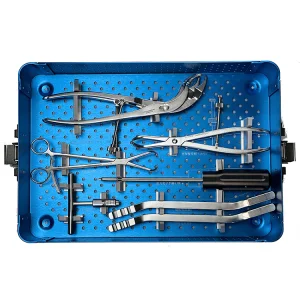
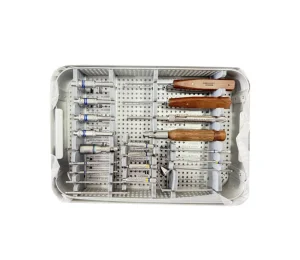
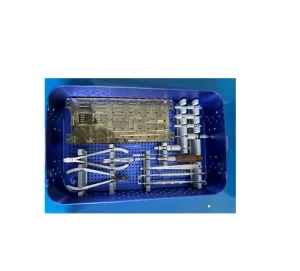
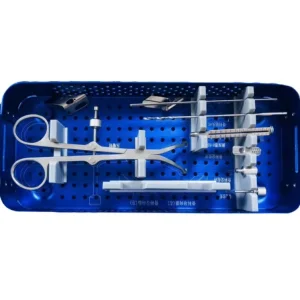
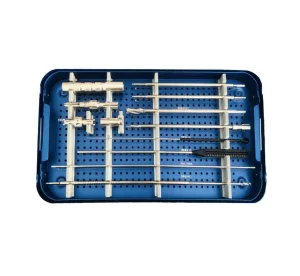
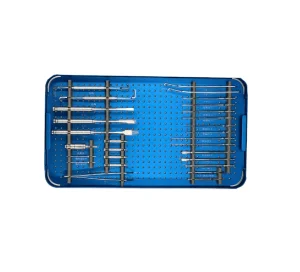
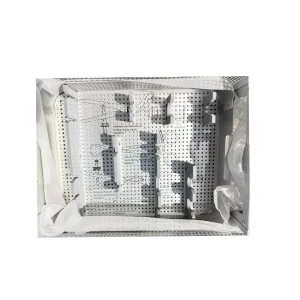
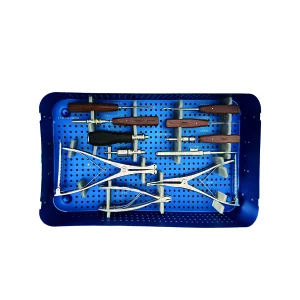
Explore our full range of certified implants, plates, and surgical instruments available for immediate export
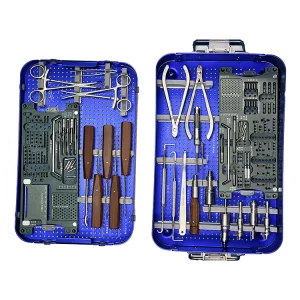
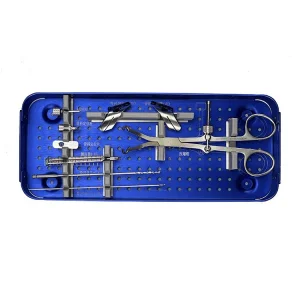
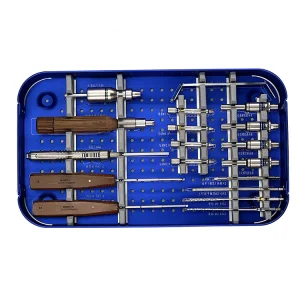
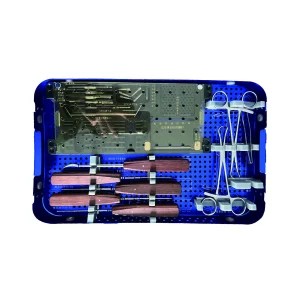
Addressing the next generation of patient-centric trauma care with innovative technologies
As surgery trends shift toward minimally invasive procedures, the technology used in operating theaters is changing. In West Africa, there is increasing interest in patient-specific implants (PSIs) and smart surgical guides. Custom implants designed from patient CT scans allow for precise matching of individual anatomy, which is particularly useful in complex reconstructive cases.
Advanced additive manufacturing allows for the production of titanium implants with porous structures that mimic trabecular bone. This design supports natural osseointegration, creating a strong bond between the bone and the implant. Axiora is investing in these technologies to support healthcare providers with custom solutions for challenging cases.
Another development is the use of bio-absorbable polymers for low-load applications. These materials dissolve gradually as the bone heals, potentially reducing the need for follow-up surgeries to remove hardware. This can help lower overall treatment costs and minimize recovery demands for patients.
Essential insights for procurement departments, distributors, and orthopedic surgeons in Ghana