Axiora Medical
Axiora Medical
Axiora Medical
Engineered for Nordic surgical precision, these premium trauma and spinal sets comply with Swedish regional hospital specifications (Region Stockholm, Västra Götaland, and Skåne).
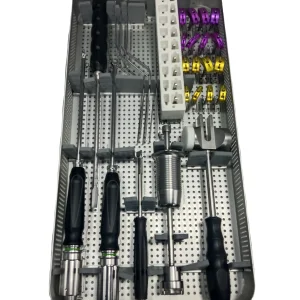
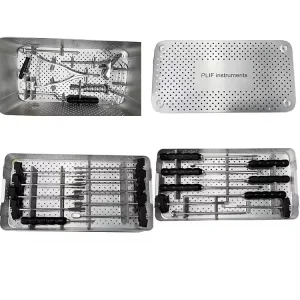
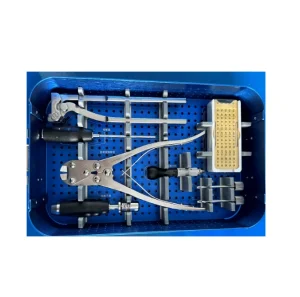
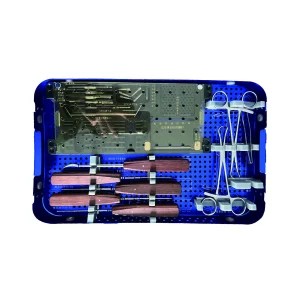
An In-Depth Briefing for Procurement Officers, Medical Device Distributors, and Clinical Leads in the Nordic Region.
Navigating LOU (Lag om offentlig upphandling) and Region-specific technical requisites.
The Swedish orthopedic device market is recognized globally for its strict adherence to clinical evidence, sustainability metrics, and long-term implant survival rates. Dominated by public healthcare regions such as Region Stockholm, Region Skåne, and Västra Götaland, procurement decisions are dictated by the Swedish Public Procurement Act (LOU). This framework demands not only competitive pricing but also uncompromising compliance with the European Medical Devices Regulation (EU MDR 2017/745), traceability through UDI (Unique Device Identification), and a demonstrable reduction in the healthcare supply chain's carbon footprint.
Sweden’s demographic profile exhibits a steadily aging population, resulting in a rising incidence of osteoarthritis, degenerative spine diseases, and fragility fractures related to osteoporosis. According to the Swedish Fracture Register (Svenska Frakturregistret), the volume of distal radius and hip fracture surgeries requires highly standardized, modular orthopedic locking plate systems that allow rapid, stable fixation. Surgeons in Sweden emphasize implants and instrument sets that minimize operating room time (surgical efficiency) and facilitate early weight-bearing protocols, aligning with the national "Fast-Track" recovery paradigm.
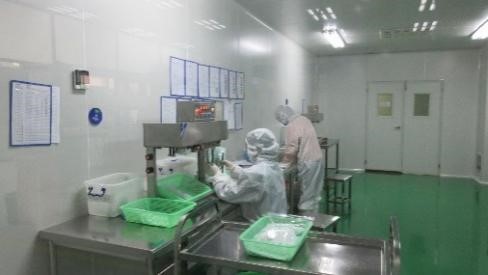
Nordic orthopedic centers, closely associated with research hubs like the Karolinska Institutet and Chalmers University of Technology, set high standards for the biocompatibility and tribology of orthopedic implants. Titanium alloys (specifically Ti6Al4V ELI conforming to ISO 5832-3) and medical-grade PEEK (Polyetheretherketone) must meet strict chemical cleanliness specifications to eliminate the risk of aseptic loosening and particle-induced osteolysis. Consequently, production processes require advanced ultrasonic cleaning stages, automated passivation, and packaging within certified ISO Class 7 cleanrooms to ensure endotoxin-free delivery.
Faced with macroeconomic pressures and local healthcare budget constraints, Swedish medical distributors and group purchasing organizations (GPOs) are looking beyond historical local monopolies. They are establishing strategic OEM/ODM partnerships with certified global manufacturers like Axiora Medical Technology. By sourcing directly from ISO 13485:2016 audited facilities that feature modern CNC lines, Swedish distributors can offer high-precision, CE-marked trauma and spinal systems at sustainable pricing, maintaining quality whilst successfully competing in national public tenders.
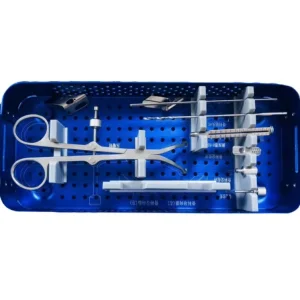
High-precision micro and ulnar osteotomy fixation configurations engineered for Swedish reconstructive surgeries.
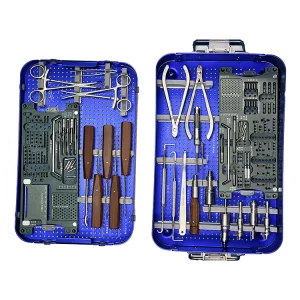
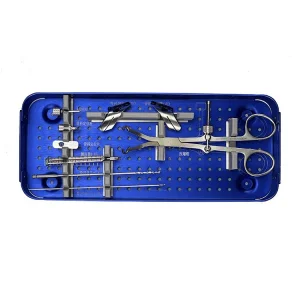
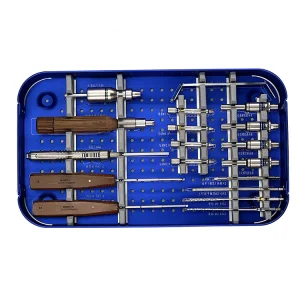
Operating from an 18,600 m² state-of-the-art facility, Axiora Medical Technology (China) Co., Ltd. delivers high-precision clinical solutions.
Axiora Medical Technology (China) Co., Ltd. is a professional manufacturer specializing in the research, development, production, and global supply of high-quality orthopedic implants and surgical instruments. Our product portfolio covers trauma fixation systems, spinal implants, joint reconstruction solutions, sports medicine products, and related orthopedic surgical instruments.
Established with a commitment to innovation and precision manufacturing, Axiora integrates advanced CNC machining, automated production lines, and strict quality management systems to deliver reliable products that meet international standards. Our experienced engineering team continuously develops innovative solutions to support surgeons and healthcare providers worldwide.
With strong OEM and ODM capabilities, we provide customized manufacturing services according to customers' drawings, samples, and technical requirements. From product design and prototyping to mass production and packaging, our integrated manufacturing process ensures consistent quality, competitive pricing, and on-time delivery.
Today, Axiora exports its orthopedic products to customers across Europe, North America, South America, the Middle East, Southeast Asia, and Africa, building long-term partnerships with medical device distributors, brand owners, hospitals, and healthcare organizations around the world.
| Strategic Indicator | Technical Capability & Resource Allocation |
|---|---|
| Company Name | Axiora Medical Technology (China) Co., Ltd. |
| Brand Labeling | Axiora |
| Direct Interface | www.axioraortho.com |
| Established Year | 2017 |
| Production Infrastructure | 18,600 m² (Includes ISO Class 7 Cleanrooms & Class III Device Production) |
| Annual Export Volume | USD 26 Million |
| Export Track Record | 8 Years |
| Core Industry Tenure | 15 Years |
| Quality Inspection Threshold | 100% Finished Product Inspection & Incoming Material Inspection (Non-destructive testing, dimension metrology) |
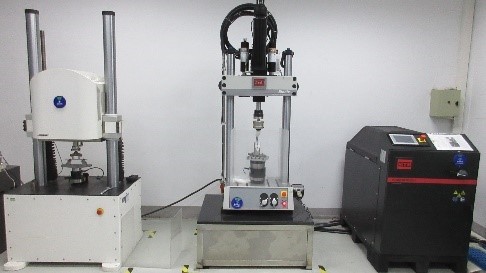
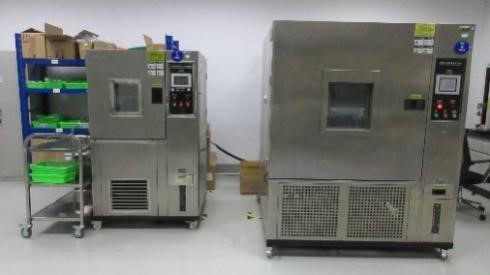
| Product Verification Assays | Coordinate Measuring Machine (CMM), Tensile Testing, Hardness Testing, Surface Roughness Inspection, Salt Spray Testing |
| Dedicated Quality Staff | 48 Quality Assurance (QA) & Quality Control (QC) Officers |
| Business Model Matrix | Manufacturer & Exporter (Comprehensive OEM / ODM Solutions) |
| Primary Target Markets | Europe (Sweden, Germany, Italy, Spain), North America, Middle East, Southeast Asia, South America |
| Supply Chain Network | 1,120 global raw material suppliers and medical grade component partners |
| Key Customer Segments | Medical Device Brands, Regional Importers, National Tender GPOs, Orthopedic Hospitals, Government Procurement Authorities |
| R&D Capacity | Independent Design and Development, Finite Element Analysis (FEA), Reverse Engineering, Custom Instrumentation Systems |
| Customization Capabilities | Laser Marking, Private Labeling, Sterile Blister Pack Design, Raw Material Customization (Grade 5 Titanium, implantable PEEK) |
| Product Releases (Last Year) | 126 New Product Lines & Instrument Modifications |
| R&D Engineering Department | 86 Senior Biomedical & Structural Engineers |
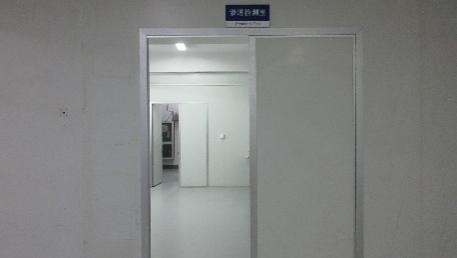
From raw medical-grade titanium bars to sterilized packaging: trace the manufacturing pathway of our orthopedic systems.
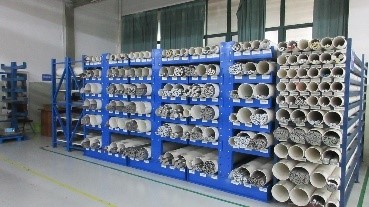
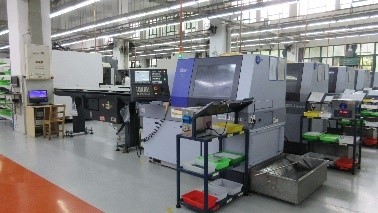
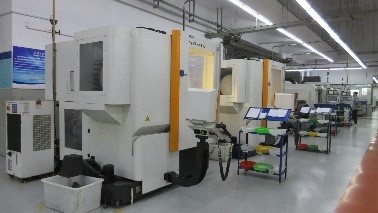
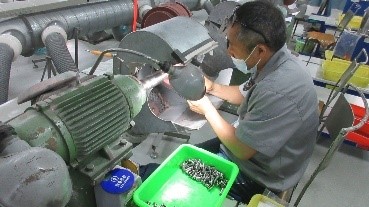
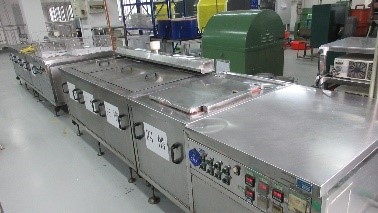
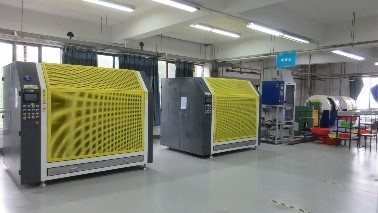
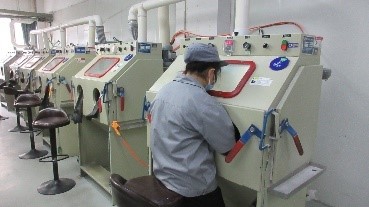
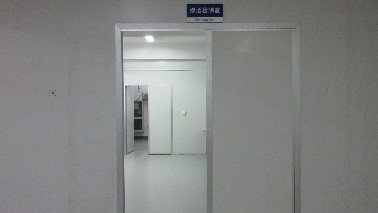
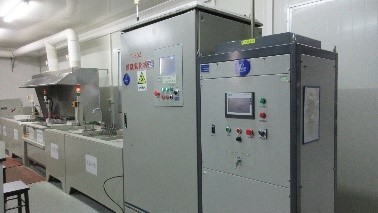
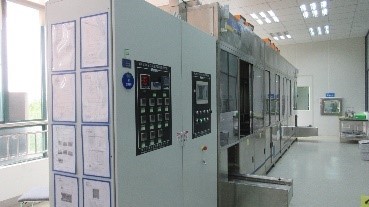
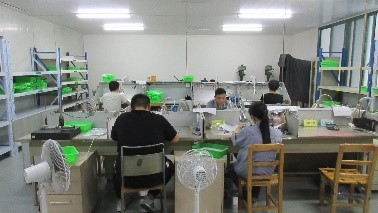
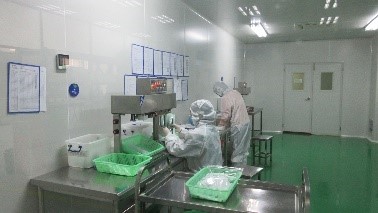
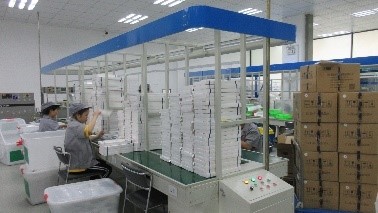
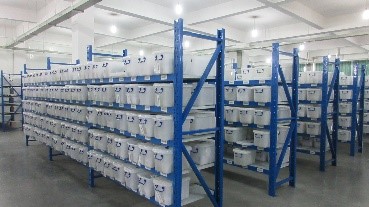
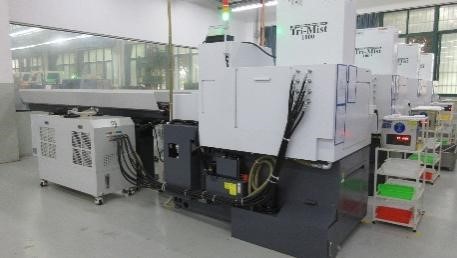
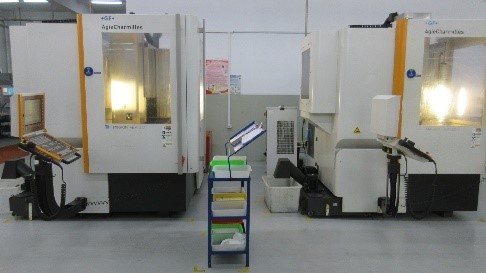
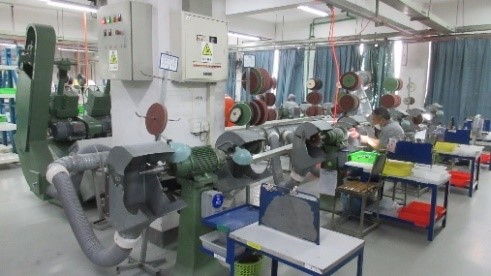
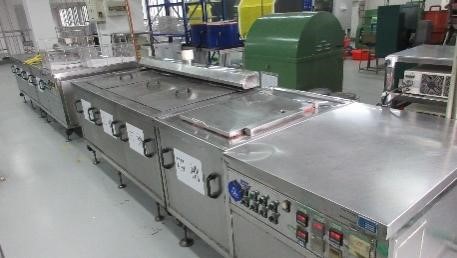
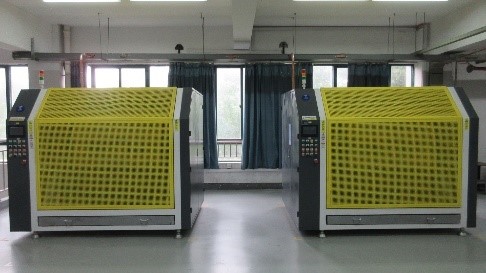
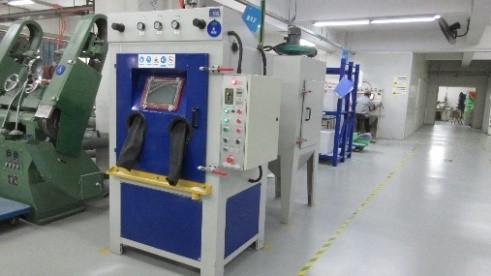
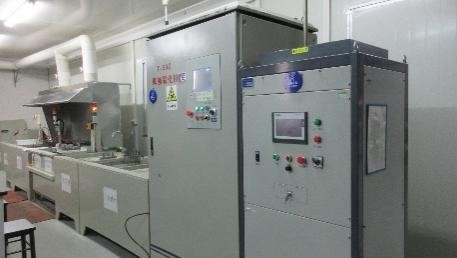
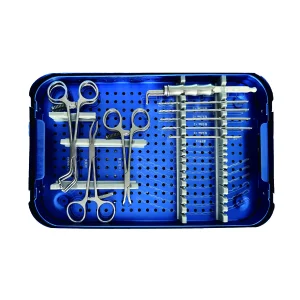
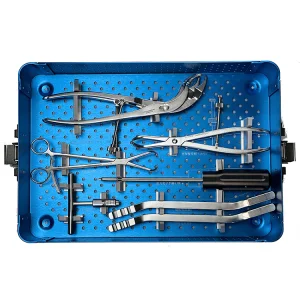
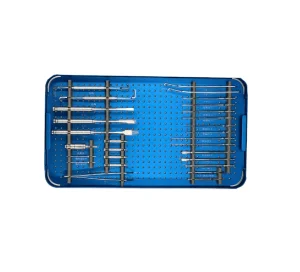
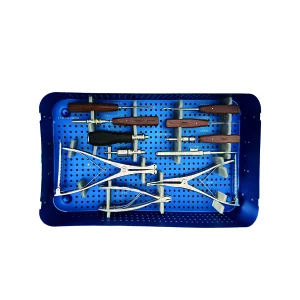
Browse our selection of micro, small, and lower limb locking plate sets, designed to meet Sweden's hospital standards.
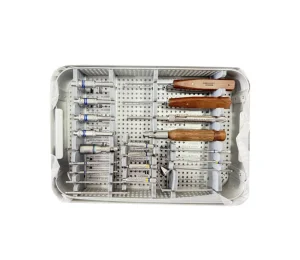
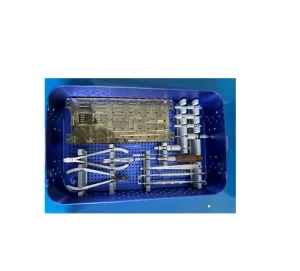
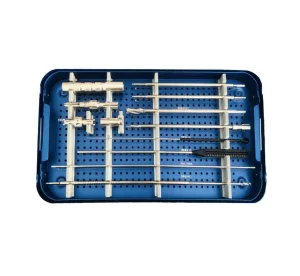
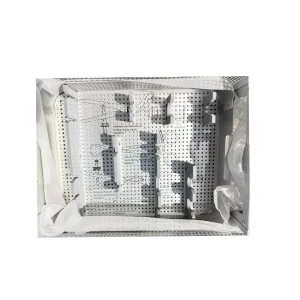
How Axiora addresses complex biomechanical requirements through CNC manufacturing and surface engineering.
Axiora utilizes electrochemical anodization (Type II Anodization) to create a bio-inert, hardened titanium oxide layer on all bone plates and screw configurations. This process reduces frictional wear, eliminates metal ion release, and provides color-coded guides to help surgical staff quickly identify plate dimensions. Our processes conform to ISO 5832-3 standards, ensuring that implants meet the wear resistance and osseointegration profiles required by Swedish clinical teams.
For spinal fusion procedures, such as TLIF and PLIF, PEEK (Polyetheretherketone) remains the material of choice due to its bone-like elastic modulus. This property helps prevent stress shielding and subsidence of the cage into adjacent vertebral endplates. Axiora PEEK implants include integrated tantalum markers for clear radiographic visualization and feature textured surface designs to promote primary mechanical stability directly after implantation.
Our quality verification system includes coordinate measuring machines (CMM) calibrated to sub-micron accuracy, which verify critical features like thread pitch, locking mechanism geometry, and screw-plate fit. Material batches undergo destructive tensile and fatigue testing to simulate long-term physiological stress loads. This level of quality control ensures that every instrument set shipped to Swedish distributors meets the high performance standards required for the European market.
Detailed information regarding compliance, logistics, OEM customization, and quality verification standards.