Axiora Medical
Axiora Medical
Axiora Medical
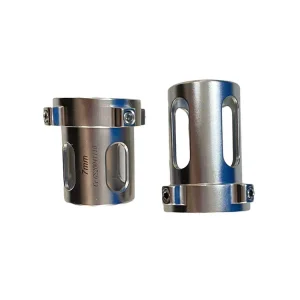
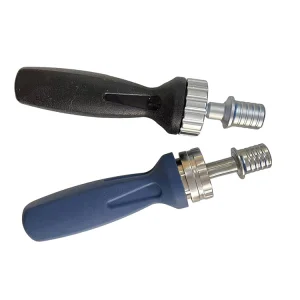
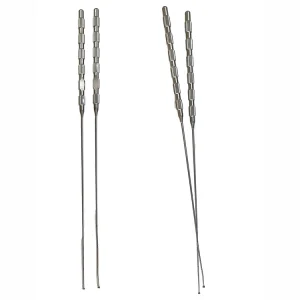
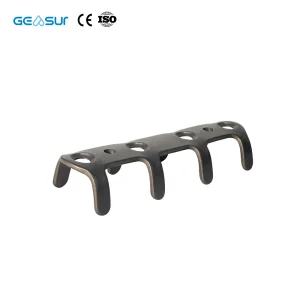
Japan represents one of the world's most rapidly aging societies, with over 29% of its population aged 65 or older. This demographic shift has created an unprecedented demand for spinal fusion surgeries, total joint reconstructions, and osteoporosis-related fracture solutions. Orthopedic accessories, including specialized insertion handles, positioning guides, and trial instruments, must accommodate delicate patient anatomy and minimally invasive surgical (MIS) protocols favored by Japanese clinicians.
Japanese medical device buyers and regulatory agencies operate under a zero-defect paradigm. Whether it is a single guide pin or a complex torque limiter, surface roughness (Ra) requirements, geometric tolerancing down to the micron, and mechanical consistency under repeated autoclaving are rigorously evaluated. Industrial processes such as passivation, electropolishing, and laser marking must be executed with traceable precision to gain trust in university hospitals and private medical centers across Tokyo, Osaka, and Fukuoka.
According to PMDA (Pharmaceuticals and Medical Devices Agency) reports, over 70% of orthopedic implants and advanced surgical instrumentation used in Japan are imported or manufactured through global supply chain networks. However, to pass local audits, global manufacturers must strictly align with MHLW Ministerial Ordinance No. 169 (QMS Standards for Medical Devices) and JIS (Japanese Industrial Standards). This creates a critical need for Chinese manufacturing partners who are certified under ISO 13485 and possess high-level OEM/ODM validation competencies.
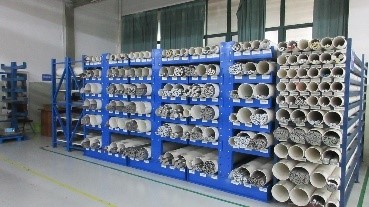
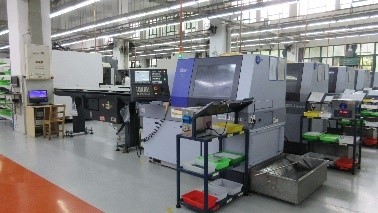
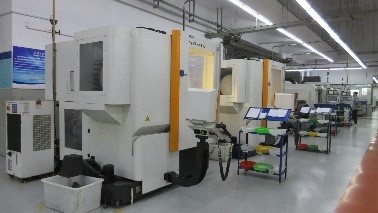
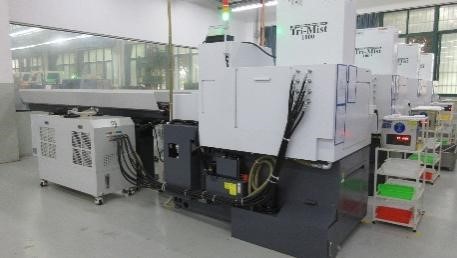
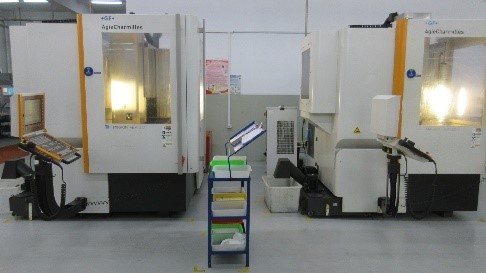
Raw materials intended for the Japanese orthopedic market must comply with specific ISO and JIS specifications (e.g., JIS T 0300 series for biological evaluation of medical devices). Grade 5 Titanium (Ti-6Al-4V ELI) and implant-grade Stainless Steel (316LVM) are the baseline standards. Processing these materials requires advanced 5-axis CNC machining, Swiss-type longitudinal cutting, and controlled heat treatment to prevent microstructural degradation.
We offer comprehensive documentation packages to support foreign manufacturing registration (FMR) and PMDA approval processes. This includes raw material mill certificates, bioburden test reports, cleaning validation protocols, and detailed structural drawings.
Our quality management system is aligned to meet MHLW Ordinance 169 standards. Every batch of surgical instruments is subjected to 100% geometric control and documented traceability from the raw material rod to the final vacuum-sealed pack.
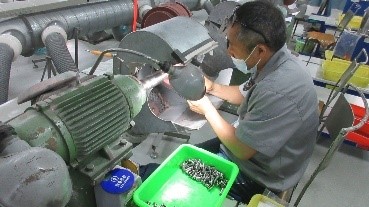
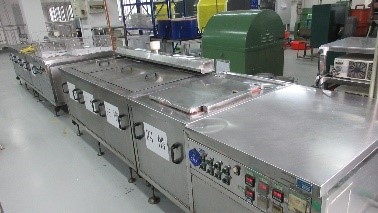
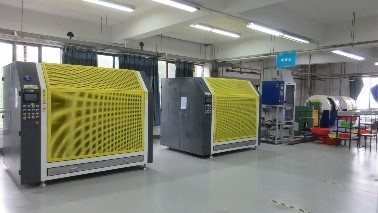
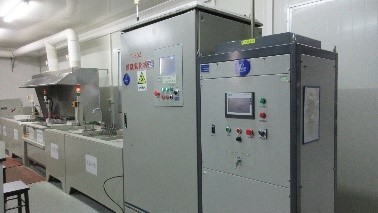
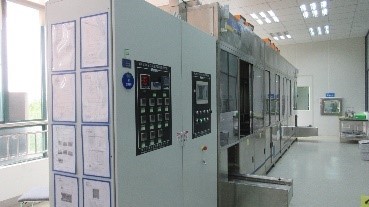
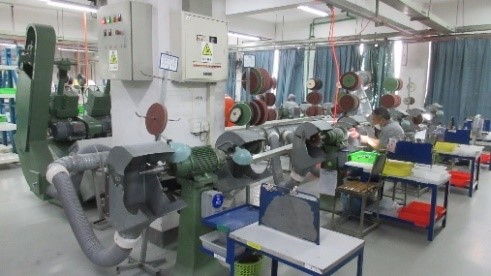
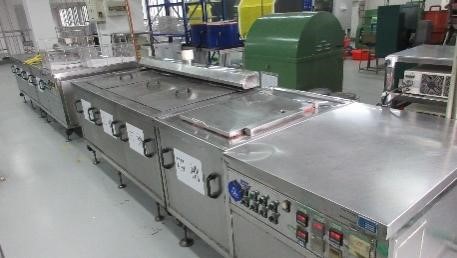
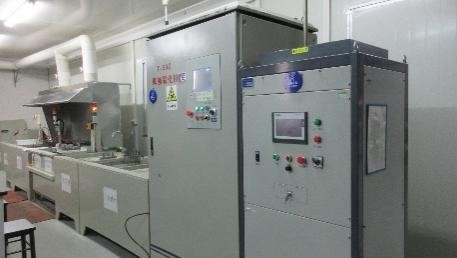
Surgical tools are finished using automated passivation and electro-polishing equipment, minimizing carbon contamination and optimizing corrosion resistance during repetitive alkaline washing cycles standard in Japanese hospitals.
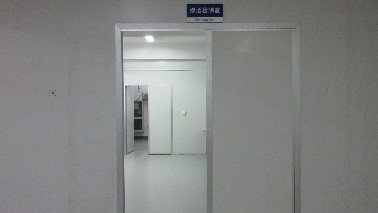
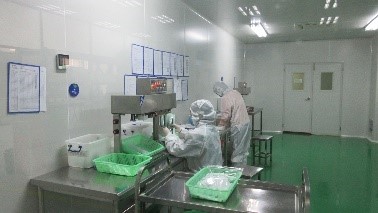
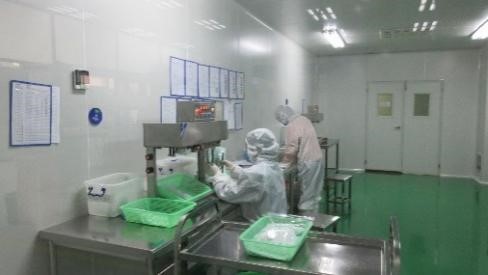
Understanding the demands of Japanese hospitals, we provide custom aseptic cleanroom packaging (ISO Class 7/Class 10,000 equivalent environment) utilizing medical-grade Tyvek pouches. Our packaging protocols undergo strict bioburden monitoring, ensuring safe and direct clinical introduction.
Bridging the gap between the premium cost structure of domestic Japanese medical manufacturing and the necessity for competitive pricing lies in Axiora's specialized supply chain integration. Based in Jiangsu, China’s medical device manufacturing hub, Axiora leverages localized industrial clusters for raw materials, rapid tooling, and heat treatments.
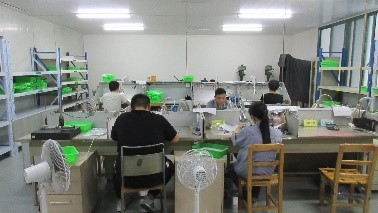
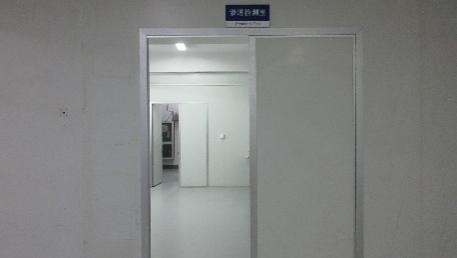
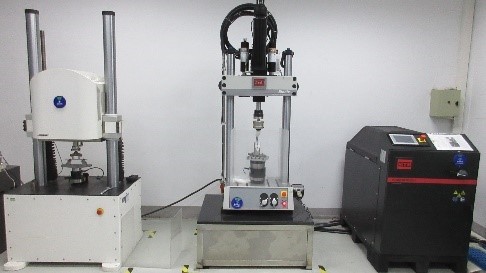
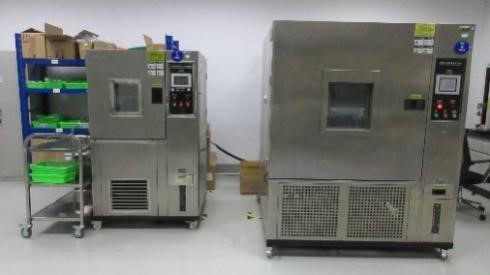
Our facility houses specialized inspection suites. By leveraging Coordinate Measuring Machines (CMM), automated optical inspectors, and mechanical fatigue test units, we ensure that every instrument delivered exhibits the exact tactile feedback and mechanical durability demanded by Japanese surgeons.
Axiora Medical Technology (China) Co., Ltd. is a professional manufacturer specializing in the research, development, production, and global supply of high-quality orthopedic implants and surgical instruments. Our product portfolio covers trauma fixation systems, spinal implants, joint reconstruction solutions, sports medicine products, and related orthopedic surgical instruments.
| Item | Details & Specifications |
|---|---|
| Company Name | Axiora Medical Technology (China) Co., Ltd. |
| Brand | Axiora |
| Website | www.axioraortho.com |
| Annual Export Revenue | USD 26 Million |
| Export Experience | 8 Years |
| Industry Experience | 15 Years |
| Quality Inspection | 100% Finished Product Inspection & Incoming Material Inspection |
| Product Inspection Methods | Coordinate Measuring Machine (CMM), Tensile Testing, Hardness Testing, Surface Roughness Inspection, Salt Spray Testing |
| Supply Chain Partners | 1,120 Globally |
| Main Customer Types | Medical Device Brands, Importers, Distributors, Hospitals, Government Procurement Projects |
| R&D Capability | Independent Product Development, Reverse Engineering, OEM & ODM Solutions |
| Customization Options | Logo Printing, Private Label, Custom Packaging, Product Design, Material Selection, Drawing-Based Manufacturing |
| New Products Released Last Year | 126 Items |
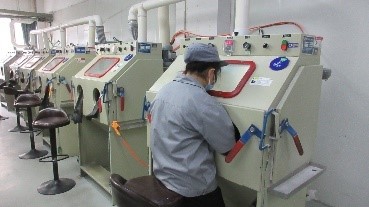
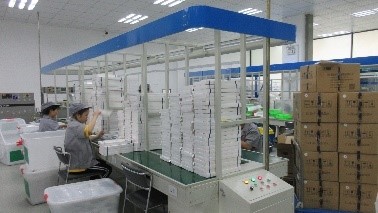
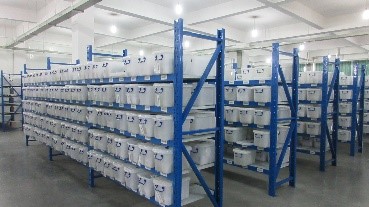
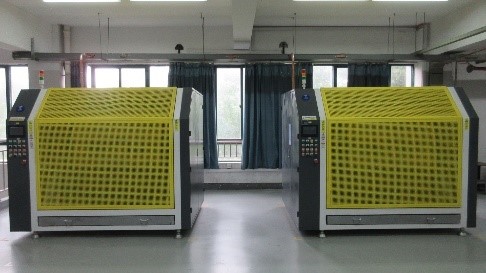
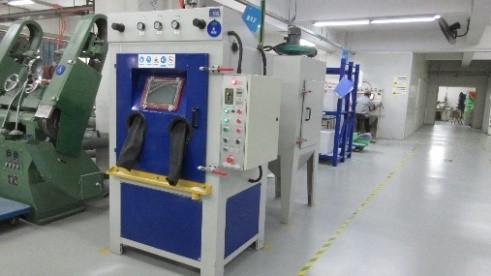
Our state-of-the-art manufacturing flow ensures that every orthopedic accessory complies with international medical standards.
A comprehensive listing of Class II equivalent surgical accessories engineered for orthopedists.
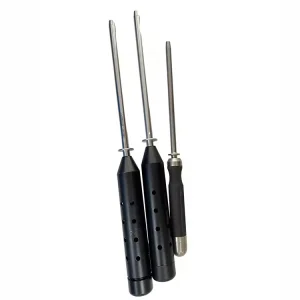
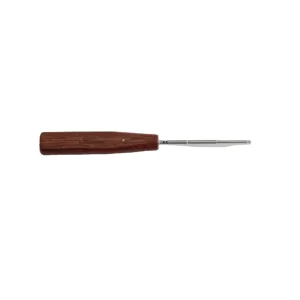
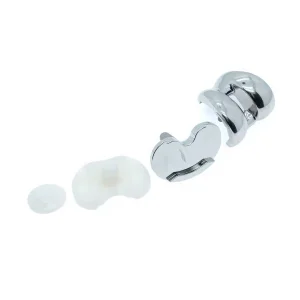
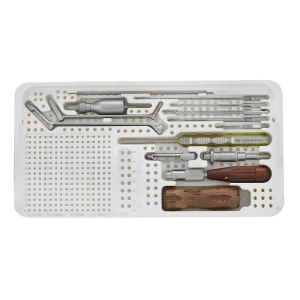
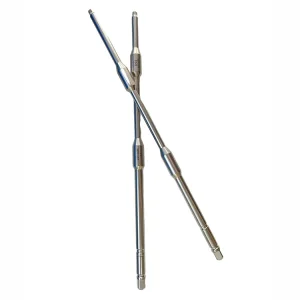
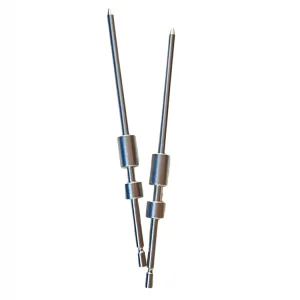
In Japanese university hospitals, scoliosis correction relies on extreme tactile fidelity and tool rigidity. Our Scoliosis Reset Sleeves and Pedicle Positioning Measuring Devices ensure sub-millimeter precision when placing pedicle screws near the thoracic spinal cord.
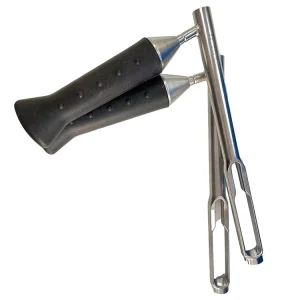
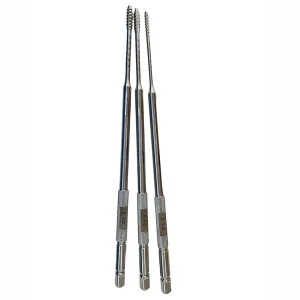
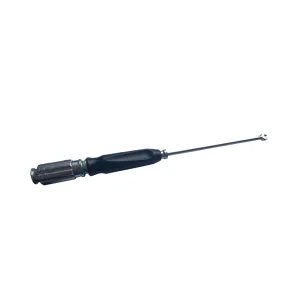
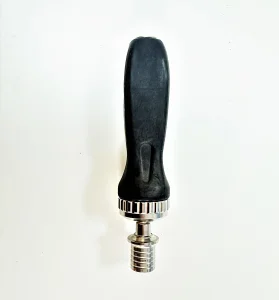
To reduce hospital stays for Japan's elderly patients, MISS techniques are highly utilized. Our slim-profile TLIF Cage Holders and custom Hexagonal Screwdrivers fit standard laparoscopic tubes and channel systems perfectly.
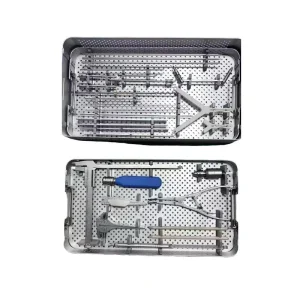
Preserving the natural knee joint is highly favored over total arthroplasty in active Japanese elderly populations. Our specialized HTO Instrument Sets support precise wedge resection and fixation plate positioning with zero room for error.
Axiora provides a complete technical dossier, including material certificates of conformance (MTC) conforming to JIS standards, biological safety reports (ISO 10993 series), and production cleaning verification. This documentation satisfies PMDA Shonin approval requirements and supports the compilation of the local marketing authorization application (Seizo-Hanbai).
We exclusively use certified implant-grade biocompatible metals, including Grade 5 Titanium (Ti-6Al-4V ELI conforming to ASTM F136 / JIS T 7401-2) and medical-grade Stainless Steel (316LVM conforming to ASTM F138 / JIS T 7402-1). PEEK-OPTIMA polymer is used for select radiolucent spinal cage trial components.
Yes, custom CAD drawing-based manufacturing is one of our primary business models. Over 86 engineers handle design translation, reverse engineering, and prototyping. We maintain strict intellectual property protection agreements (NDAs) which conform to the compliance requirements of global medical device brands.
We perform 100% incoming material validation using spectrometers, process control via automated CMM during CNC machining, and 100% final dimensional inspections. For dynamic items such as torque limiters and ratchet handles, every unit undergoes calibration testing to confirm performance within specified tolerances.
Partner with Axiora Medical to streamline your supply chain, ensure PMDA compliance, and access high-precision orthopedic accessories tailored to the Japanese market.
Send Inquiry Now