Axiora Medical
Axiora Medical
Axiora Medical
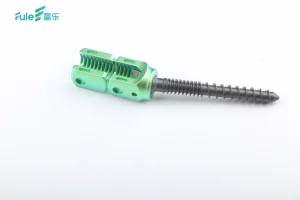
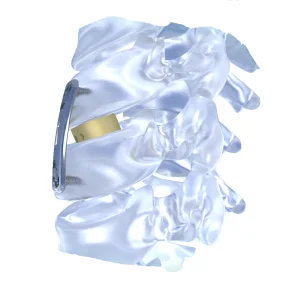
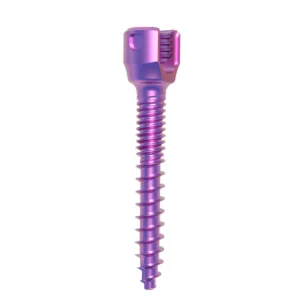
Explore our elite selection of CE-marked posterior cervical, thoracic, and lumbar implant technologies engineered to restore spinal sagittal alignment.
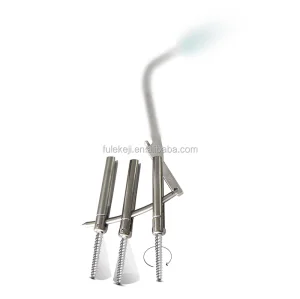
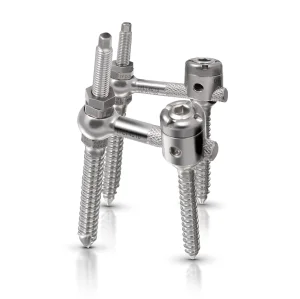
Denmark represents one of the most sophisticated and highly regulated healthcare environments in Europe. The clinical standard in Danish university clinics—such as Rigshospitalet (Copenhagen University Hospital), Aarhus University Hospital (AUH), and Odense University Hospital (OUH)—demands orthopedic and neurosurgical systems of the highest caliber. In Denmark, spine health is tightly coupled with rigorous health economics assessments and the nationwide Danish Spine Database (DaneSpine) tracking outcomes.
The Danish market for spine fixation technologies and interbody fusion cages is characterized by a strong demand for products complying with the European Medical Devices Regulation (EU MDR 2017/745). Danish orthopedic surgeons lean heavily toward evidence-based designs: implants that promote rapid osseointegration, minimize infection risks, and reduce surgical duration through streamlined mechanical design. Consequently, local distributors and clinical procurement channels (such as Amgros and regional group purchasing organizations) require manufacturers to supply extensive preclinical data, fatigue test reports, and biomaterial biocompatibility certificates (ISO 10993).
"Danish orthopedic institutions prioritize suppliers who can deliver titanium and PEEK-OPTIMA solutions that support minimally invasive spinal surgery (MISS) protocols, reducing regional hospital inpatient days."
Globally, the spinal implant industry is transitioning away from rigid instrumentation toward intelligent fusion systems, dynamic stabilization, and customized patient-specific instrumentation. The global spinal implants market, valued at over USD 10 billion, is driven by the aging demographic, rising prevalence of degenerative disc disease, and the rapid adoption of surgical navigation and robotic spine surgery systems.
A core technological driver is the material transition from standard pure titanium to anodized titanium alloys (Ti-6Al-4V ELI) and high-performance polyetheretherketone (PEEK) composites. PEEK materials mimic the elasticity of human cortical bone, reducing the risk of stress shielding and adjacent segment degeneration. Meanwhile, advances in porous titanium surfacing via 3D printing or precise micro-machining allow for immediate mechanical interlocking with endplate bone, optimizing fusion rates.
While Western European manufacturers face escalating overheads and prolonged supply chain times, Chinese medical technology manufacturers have undergone a profound evolution. Today, Axiora Medical Technology (China) Co., Ltd. offers a dual advantage: cost-effective, high-yield manufacturing coupled with strict adherence to Western regulatory standards.
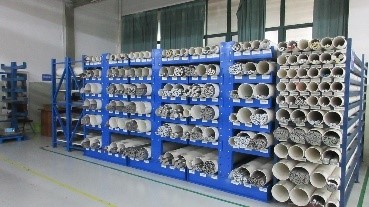
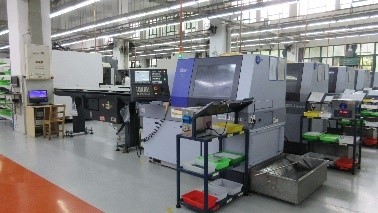
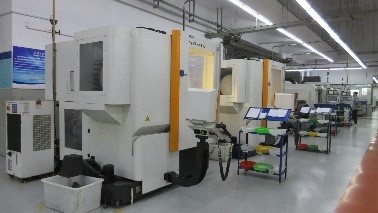
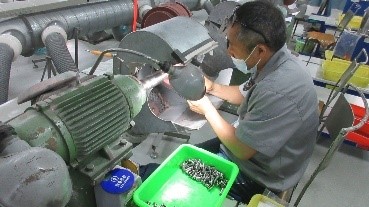
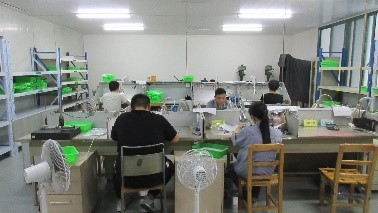
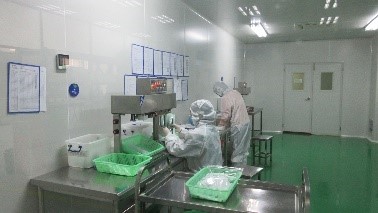
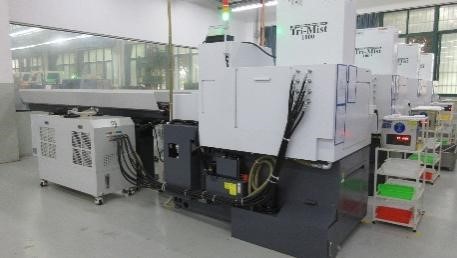
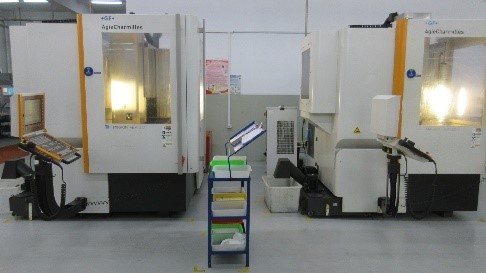
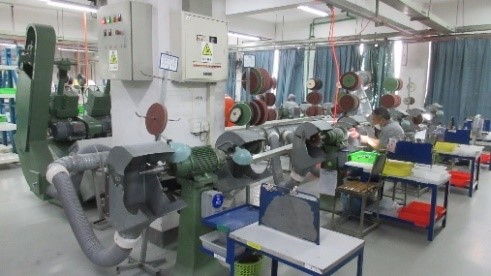
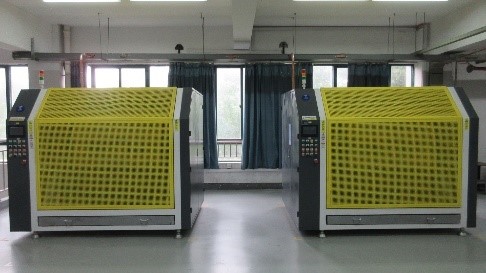
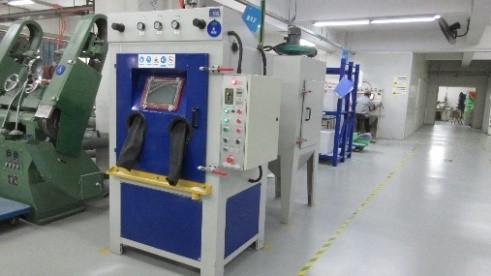
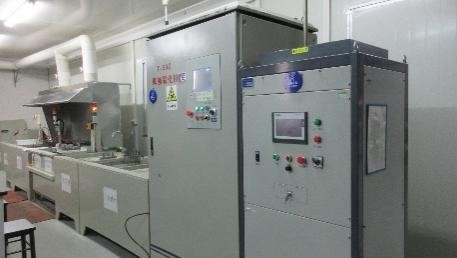
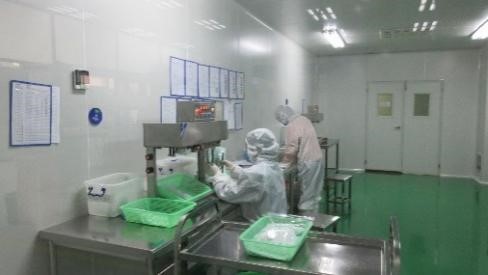
Axiora's manufacturing infrastructure includes advanced Citizen CNC longitudinal cutting lathes, robotic polishing centers, cleanroom packaging facilities conforming to ISO Class 7/Class 10,000, and a dedicated team of 86 R&D engineers. By sourcing certified medical-grade raw materials directly and utilizing vertical integration, we reduce turnaround times for customized implants by up to 40% compared to typical European suppliers. Our annual export revenue of USD 26 Million and our presence in major European clinics are testament to our quality-first culture.
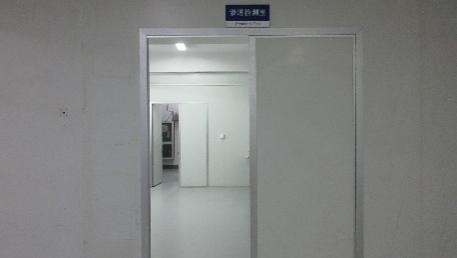
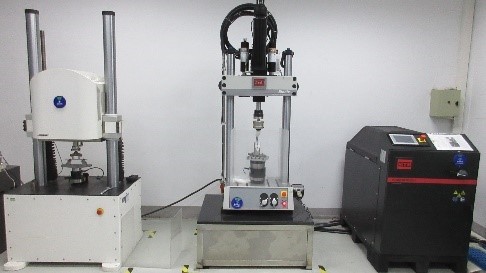
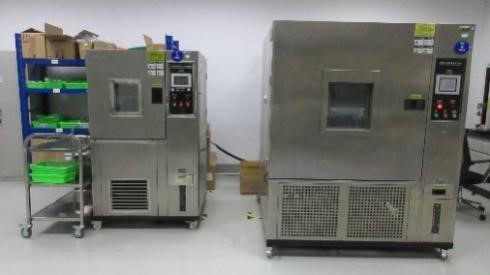
Understanding Danish hospital protocols and localized patient demographics is key to achieving optimal patient outcomes:
Ensuring complete clinical support with specialized instruments, cervical interbody devices, and minimally invasive options.
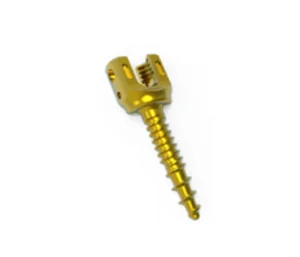
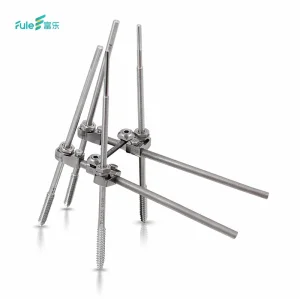
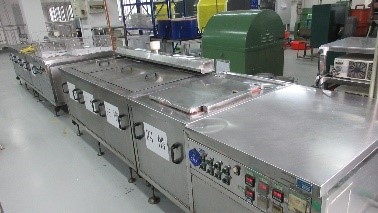
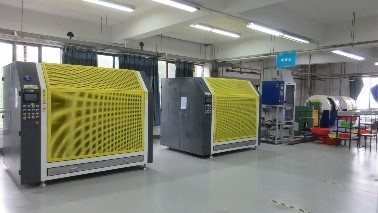
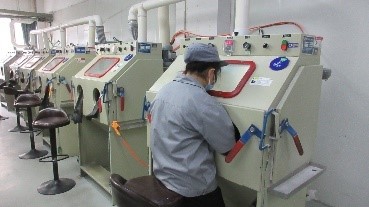
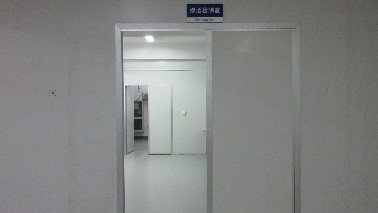
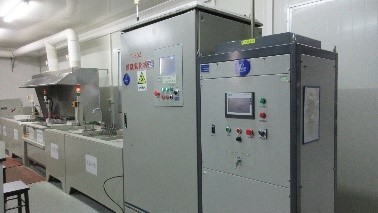
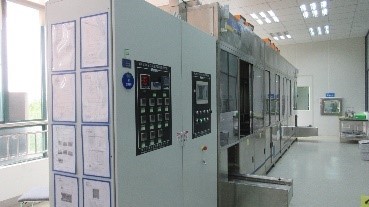
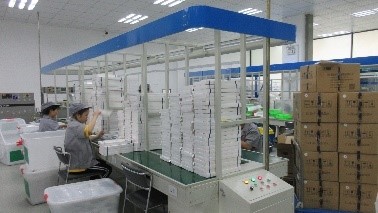
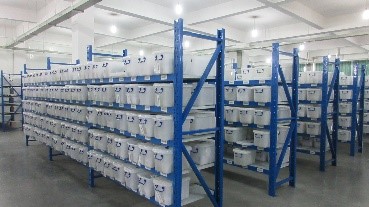
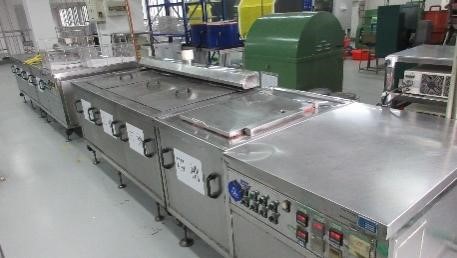
Verified factory logistics, quality control paradigms, and dynamic capabilities of Axiora Medical Technology.
| Item | Details |
|---|---|
| Company Name | Axiora Medical Technology (China) Co., Ltd. |
| Brand | Axiora |
| Website | www.axioraortho.com |
| Established | 2017 |
| Factory Area | 18,600 m² |
| Annual Export Revenue | USD 26 Million |
| Export Experience | 8 Years |
| Industry Experience | 15 Years |
| Quality Inspection | 100% Finished Product Inspection & Incoming Material Inspection |
| Product Inspection Methods | Coordinate Measuring Machine (CMM), Tensile Testing, Hardness Testing, Surface Roughness Inspection, Salt Spray Testing |
| Quality Control Staff | 48 |
| Business Type | Manufacturer & Exporter (OEM/ODM) |
| Main Markets | Europe, North America, Middle East, Southeast Asia, South America |
| Supply Chain Partners | 1,120 |
| Main Customer Types | Medical Device Brands, Importers, Distributors, Hospitals, Government Procurement Projects |
| R&D Capability | Independent Product Development, Reverse Engineering, OEM & ODM Solutions |
| Customization Options | Logo Printing, Private Label, Custom Packaging, Product Design, Material Selection, Drawing-Based Manufacturing |
| New Products Released Last Year | 126 |
| R&D Engineers | 86 |
Strategic evaluation criteria for hospital tenders and international medical device importing channels.
When purchasing spinal implants for distribution inside Denmark or other EU territories, quality managers must navigate rigorous compliance checkpoints:
A. Raw Material Traceability (ASTM F136 & ISO 5832-3): Ensure the implants are constructed from medical-grade wrought Titanium-6Aluminum-4Vanadium ELI (Extra Low Interstitial). The material must exhibit high fatigue strength, excellent corrosion resistance, and verified cell compatibility. Every shipment should be accompanied by mill test reports indicating chemical composition and grain size analysis.
B. Regulatory Technical Documentation (MDR Class III): Spinal implants are classified as high-risk devices. Distributors must verify the CE certificates under Regulation (EU) 2017/745, clinical evaluation reports (CER), and PMCF (Post-Market Clinical Follow-up) plans. Axiora ensures all regulatory files are meticulously structured, facilitating seamless registration through local national bodies like the Danish Medicines Agency (Lægemiddelstyrelsen).
C. Instrumentation Integration and Sterilization Compatibility: Spine surgeries rely heavily on the precision of the associated reusable or disposable instrument kits. Pedicle screw screwdrivers, vertebral distractors, polyaxial reduction instruments, and trial cages must feature ergonomic designs and be constructed from high-grade surgical stainless steel (e.g., SUS 630 or 440C) that withstand repeated autoclave sterilization cycles without degradation or loss of structural tolerance.
Get answers to the most common queries regarding spinal implant sourcing, compliance, and custom production.
A complete selection of CE-certified implants and pediatric surgical devices engineered for spine stabilization.
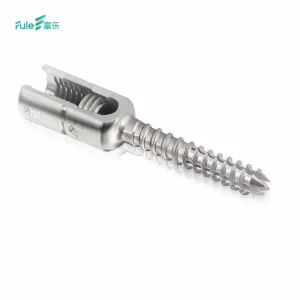
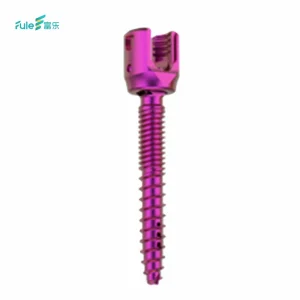
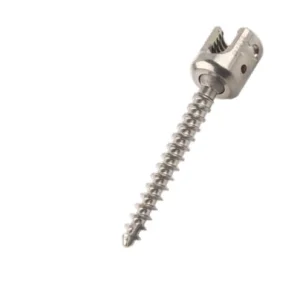
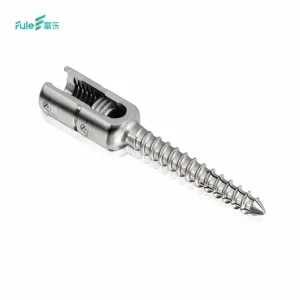
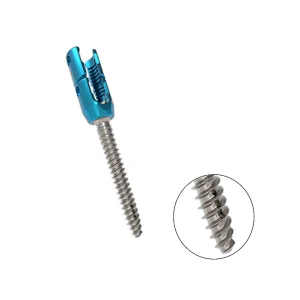
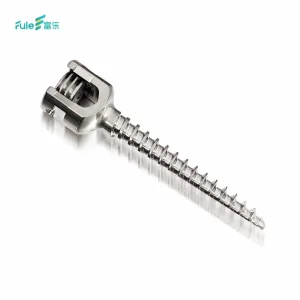
Empower your orthopedic supply chain with reliable titanium and PEEK implants complying with EU MDR and ISO regulations. Connect with our export sales team today.
Send Inquiry Now