Axiora Medical
Axiora Medical
Axiora Medical
Engineered for immediate clinical application, high-precision biocompatibility, and optimal patient outcomes in New York's tier-1 spinal care facilities.
State-of-the-Art Factory Area
Spinal R&D Experience
Quality Inspected Products
Annual Global Export Revenue
New York represents one of the most demanding clinical markets for spinal implant technologies globally. Home to world-class hospital systems, such as the Hospital for Special Surgery (HSS), NYU Langone Orthopedic Hospital, and the Mount Sinai Health System, the state leads research into patient-centric spinal fusion, complex deformity correction, and cervical arthroplasty.
In this high-stakes environment, orthopedic surgeons and procurement executives navigate unique pressures: the rise of outpatient Ambulatory Surgical Centers (ASCs), stringent Medicare reimbursement caps, and the push for zero-defect surgical products. This dynamic requires spinal implants that are not only anatomically precise but also cost-efficient to support B2B supply chain integrity.
By blending local clinical requirements with global manufacturing capacity, leading distributors in New York ensure that healthcare systems have immediate, uninterrupted access to Class III titanium and PEEK implants, mitigating logistical bottlenecks and enhancing surgical outcomes.
Clinical Standards: Highly focused on ASTM F136 & ASTM F1717 mechanical strength margins.
Shift to ASCs: Surging demand for low-profile, pre-packaged, sterile single-use instrument setups.
Regulatory Alignment: Demands robust clinical history, trace documentation, and cleanroom packaging validation.
Economic Target: 30-40% savings on implants to balance Diagnostic Related Group (DRG) hospital reimbursement limits.
Unpacking the rapid transition toward minimally invasive systems and customized metallurgical processing.
The transition from standard Titanium alloys to porous PEEK and specialized surface-treated bio-compatible materials that promote osteo-integration and reduce implant loosening.
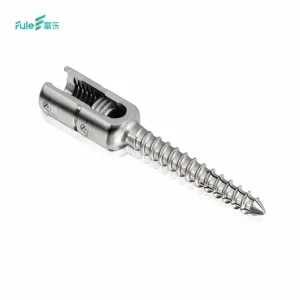
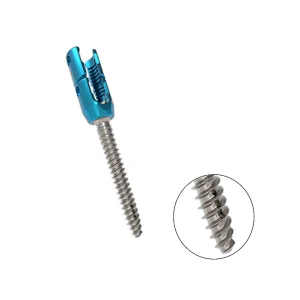
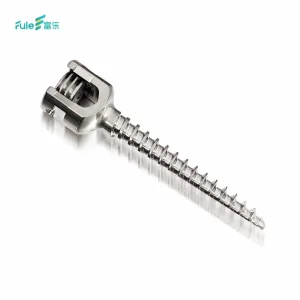
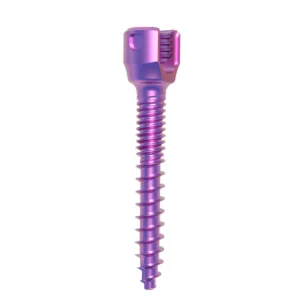
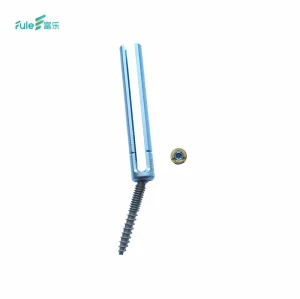
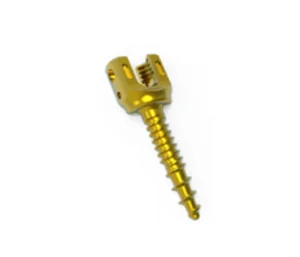
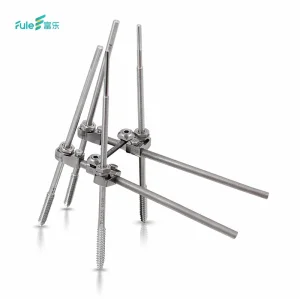
Modern spinal procedures rely heavily on Minimally Invasive Surgery (MIS) pedicle screws and cannulated systems that interface directly with computer-guided surgical navigation systems.
Due to raw material fluctuations and rising logistical costs, device brands are moving away from single-source manufacturing, establishing resilient overseas OEM/ODM hubs.
Globally, the spinal implant market size is expanding, driven by an aging demographic and active lifestyles. However, original medical equipment manufacturers face complex regulatory frameworks (such as the transitioning European MDR and FDA 510k processes). To stay competitive, companies require contract manufacturing partners that combine extensive production scale with absolute regulatory compliance, utilizing cutting-edge CNC technologies and validated cleanroom packaging.
Axiora Medical Technology (China) Co., Ltd. serves as a reliable global manufacturing partner, offering a bridge between cost-effective operations and high-precision quality standards. Operating a massive 18,600 m² advanced manufacturing facility, Axiora optimizes every step of the process to provide premium implants for surgical networks across Europe and North America.
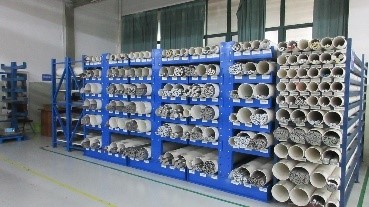
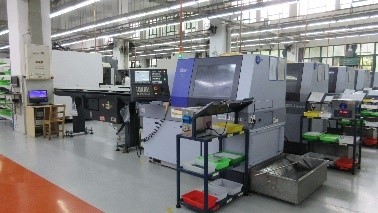
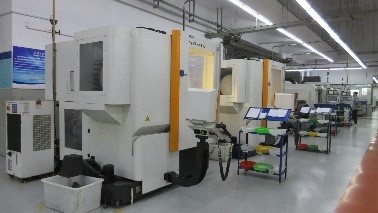
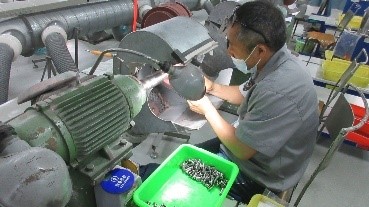
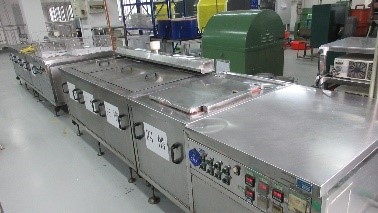
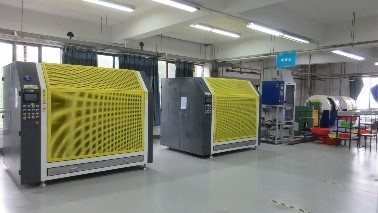
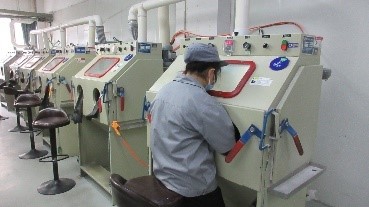
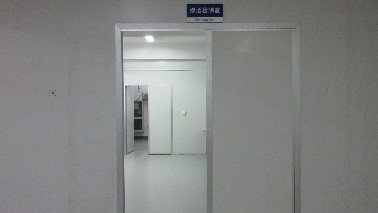
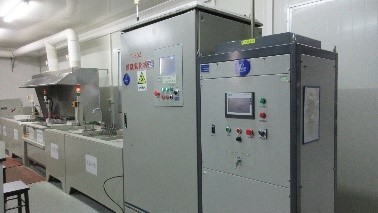
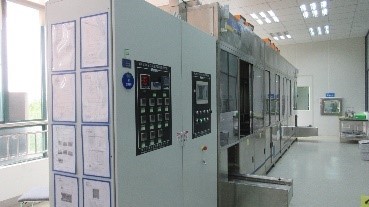
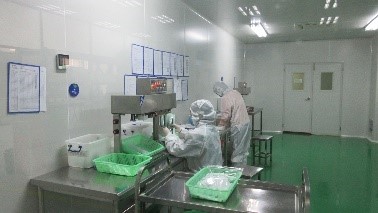
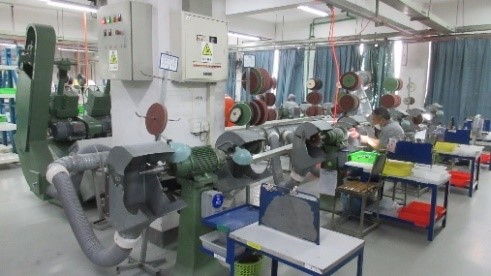
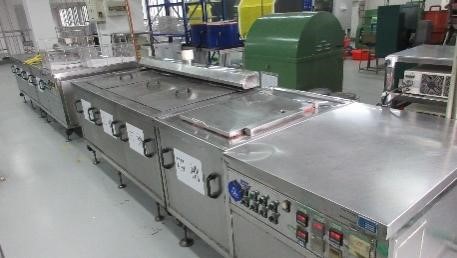
Our competitive advantage lies in systematic manufacturing. By integrating Swiss-type longitudinal cutting lathes, multi-axis CNC machines, automated polishing units, and a Class 100,000 clean aseptic packing room, we minimize human error and ensure reliable metallurgical output. Every batch of Titanium (Gr. 5 / Ti-6Al-4V ELI) undergoes a rigorous inspection protocol before leaving our facility.
For brands sourcing products in New York, Axiora delivers significant cost reductions while maintaining 100% compliance with ISO 13485, CE, and FDA documentation, helping clients successfully enter competitive B2B supply lines.
| Capability Element | Axiora Standard Details |
|---|---|
| Manufacturing Plant | 18,600 m² Advanced CNC Facility |
| Core Metallurgy | Medical Titanium Alloy ASTM F136, PEEK OPTIMA® |
| Machining Accuracy | Precision tolerances within ±0.005mm |
| R&D Engineering Group | 86 Specialist Biomedical Engineers |
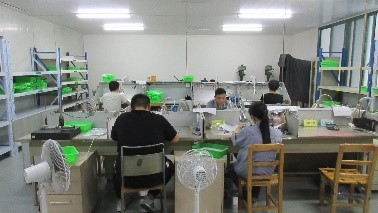
| Quality Inspection | 100% Finished Inspection, CMM, Fatigue & Tensile Testing |
| Regulatory Track | ISO 13485, CE Certified, Class III FDA-compliant procedures |
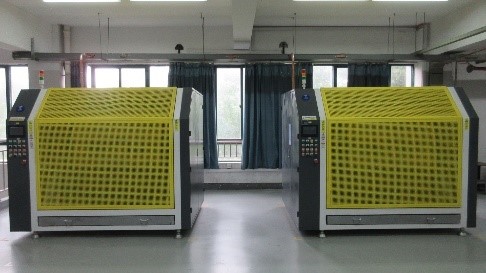
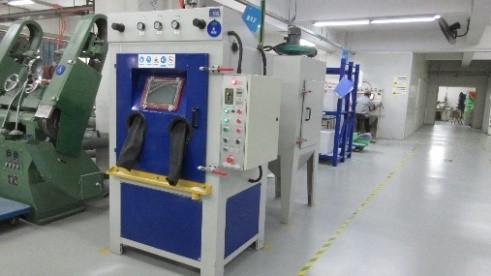
Explore the systematic production pipeline of Axiora Medical's state-of-the-art facility, showing how raw titanium becomes a certified implant.
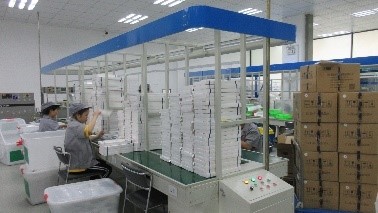
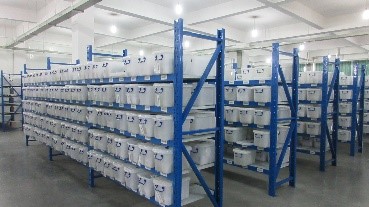
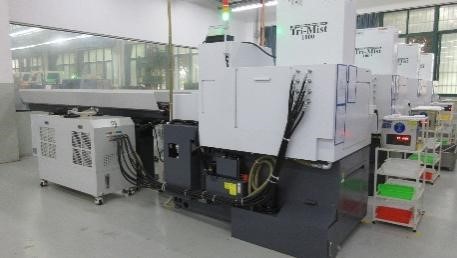
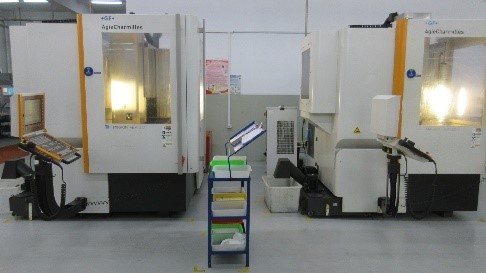
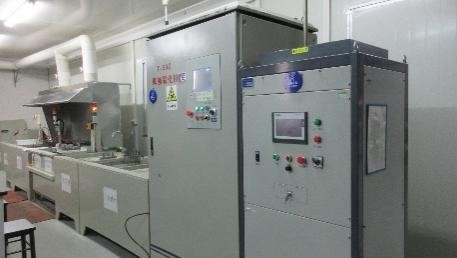
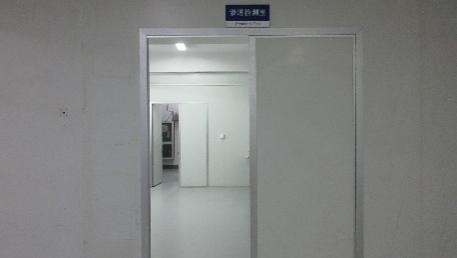
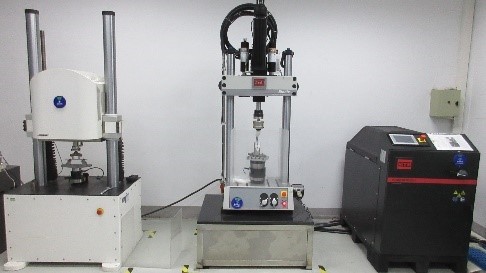
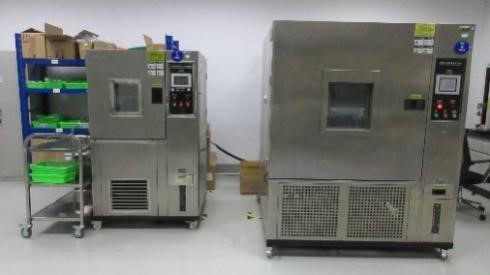
Transparent metrics demonstrating our established industry presence and technical validation capabilities.
| Corporate Parameter | Verified Operational Data |
|---|---|
| Company Name | Axiora Medical Technology (China) Co., Ltd. |
| Brand Label | Axiora |
| Official Website | www.axioraortho.com |
| Established Year | 2017 |
| Factory Infrastructure | 18,600 m² state-certified production floor |
| Annual Export Revenue | USD 26 Million |
| International Export Track | 8 Years B2B export documentation & customs routing |
| Core Medical Focus | Trauma systems, Spinal fixation, joint reconstruction, sports medicine |
| Testing Array | Coordinate Measuring Machine (CMM), Tensile Testing, Hardness Testing, Surface Roughness Inspection, Salt Spray Testing |
| Active Quality Auditors | 48 Dedicated Quality Assurance Engineers |
| Business Model | Primary Manufacturer / High-Capacity OEM & ODM Contractor |
| Key Regional Markets | Europe, North America, Middle East, Southeast Asia, South America |
| R&D Engineering Group | 86 In-house biomedical engineers |
| New Innovations Released (Past Year) | 126 patented/proprietary implant components and instruments |
Where clinical requirements, materials engineering, and surgical workflows are heading over the next five years.
The manufacturing process is shifting to additive electron-beam melting (EBM) to produce porous titanium structures that mimic human trabecular bone, maximizing osteoconductive properties.
Research is underway to embed micro-sensors within fusion cages to track real-time load distribution, vertebral strain, and local bone-density changes post-surgery.
Developing bio-active nanostructures on screw threads that gradually release local antimicrobial agents or bone morphogenetic proteins (BMPs) to reduce infection risk and support fusion.
For medical brand managers and B2B buyers sourcing spinal implants, securing a reliable supply chain requires meticulous auditing. Regulatory compliance remains the primary barrier to entry. Every production run must have full documentation tracing back to the raw material ingot, verified through chemical certificates and metallurgical test reports.
To establish a smooth supply chain, procurement leads should focus on three critical milestones:
By prioritizing transparent QA metrics, global medical distributors can reliably lower overhead costs, shorten launch cycles, and protect patient safety.
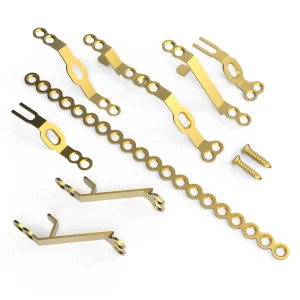
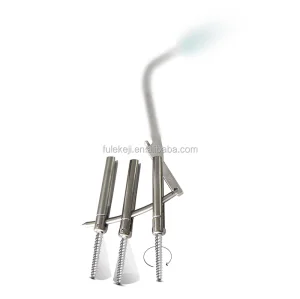
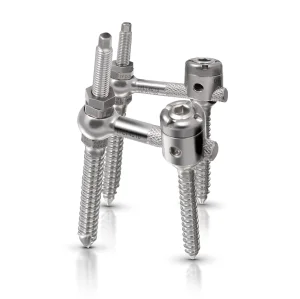
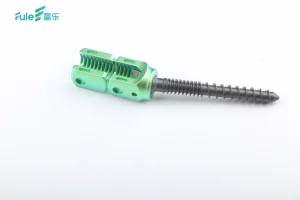
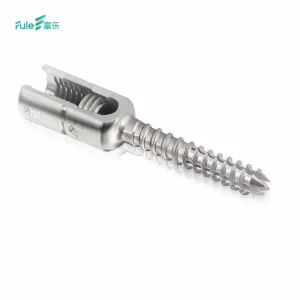
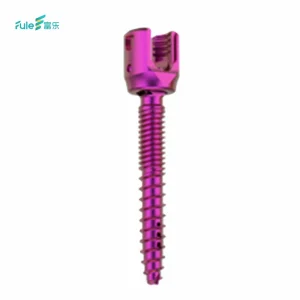
A complete portfolio of posterior, anterior, pediatric, and interbody systems manufactured to ISO and CE specifications.
Direct answers to the regulatory, metallurgical, and logistics questions commonly asked by global procurement teams.
Get in touch with our engineering and sales teams to request material samples, biomechanical test data, or a detailed quotation for custom manufacturing.
Send Inquiry Now