Axiora Medical
Axiora Medical
Axiora Medical
Engineered to strict clinical and mechanical benchmarks. Click below to inspect individual device specifications.
Our operational profile reflects robust quality procedures, engineering capability, and continuous compliance verification.
The global spinal internal fixation market is undergoing structural shifts driven by aging demographics, rising rates of complex spinal deformities, and the clinical demand for motion-preservation and minimally invasive surgery (MIS) options. Spinal internal fixation systems, consisting of pedicle screws, rods, connectors, and interbody cages, are the standard of care for stabilizing segments of the spine during fusion or decompression therapies.
From an industrial and macro-economic standpoint, safety certifications dictate market access. The transition from the Medical Devices Directive (MDD 93/42/EEC) to the more rigorous European Medical Device Regulation (MDR EU 2017/745) has established a new global baseline for clinical data compilation and proactive post-market surveillance. For international distributors and procurement departments, sourcing CE-marked implants from verified manufacturers is no longer just a regulatory preference; it is a critical strategy to mitigate legal and clinical risks.
Industrial Context: Sourcing managers must assess not only chemical composition and mechanical properties but also quality management systems (QMS) such as ISO 13485, ensuring traceablity across the supply chain from melt source to sterile barrier packaging.
Modern spinal biomechanics is centered on balancing structural stability with natural load distribution. Several core trends are shaping the future of this sector:
Spinal internal fixation systems are customized to match distinct anatomical and surgical demands:
Stabilization using posterior pedicle screw systems, coupled with transforaminal (TLIF) or posterior (PLIF) lumbar interbody fusion, provides the rigid framework necessary to facilitate solid bone bridge formation across unstable motion segments.
In pediatric and adult scoliosis correction, spinal systems must withstand immense correction forces. Multi-segmental instrumentation using dual rods, transverse connectors, and custom-angled pedicle screws allows surgeons to execute safe 3D correction maneuver sequences.
Following high-energy vertebral fractures or spinal column tumor resections, immediate stability is mandatory. Cannulated systems designed for minimally invasive placement allow rapid decompression and stabilization in critically ill patients, reducing surgical exposure times and blood loss.
An authoritative overview of Axiora's manufacturing capacities, supply footprints, and engineering standards.
Axiora Medical Technology (China) Co., Ltd. is a professional manufacturer specializing in the research, development, production, and global supply of high-quality orthopedic implants and surgical instruments. Our product portfolio covers trauma fixation systems, spinal implants, joint reconstruction solutions, sports medicine products, and related orthopedic surgical instruments.
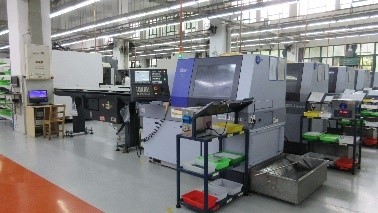
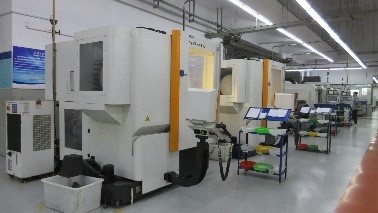
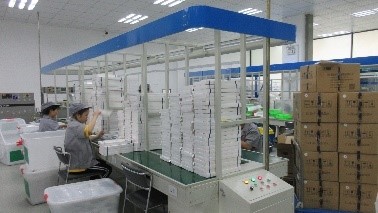
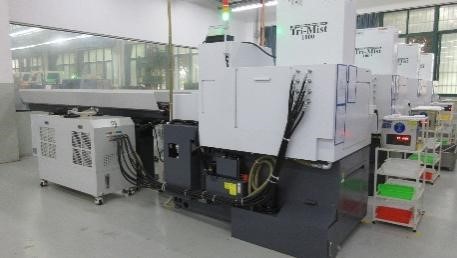
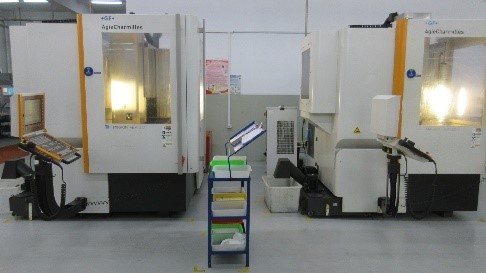
Established with a commitment to innovation and precision manufacturing, Axiora integrates advanced CNC machining, automated production lines, and strict quality management systems to deliver reliable products that meet international standards. Our experienced engineering team continuously develops innovative solutions to support surgeons and healthcare providers worldwide.
With strong OEM and ODM capabilities, we provide customized manufacturing services according to customers' drawings, samples, and technical requirements. From product design and prototyping to mass production and packaging, our integrated manufacturing process ensures consistent quality, competitive pricing, and on-time delivery.
Today, Axiora exports its orthopedic products to customers across Europe, North America, South America, the Middle East, Southeast Asia, and Africa, building long-term partnerships with medical device distributors, brand owners, hospitals, and healthcare organizations around the world.
| Item Details | Operational Metrics & Specifications |
|---|---|
| Company Name | Axiora Medical Technology (China) Co., Ltd. |
| Brand Name & IP | Axiora |
| Website Domain | www.axioraortho.com |
| Year Established | 2017 |
| Manufacturing Facility Area | 18,600 m² |
| Annual Export Revenue | USD 26 Million |
| Export Operations | 8 Years of Continuous Export Service |
| Industry Experience | 15 Years Dedicated Orthopedic Focus |
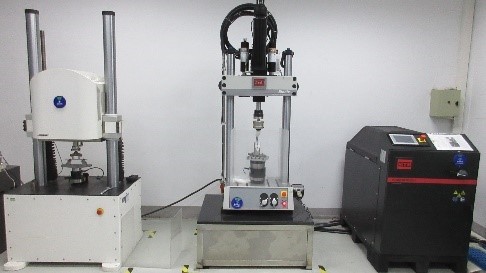
| Quality Control Testing | 100% Finished Product Inspection & Incoming Material Verification |
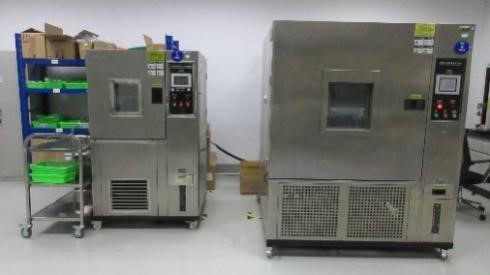
| Inspection Methodologies | Coordinate Measuring Machine (CMM), Tensile Testing, Hardness Testing, Surface Roughness Inspection, Salt Spray Testing |
| Quality Control Staff | 48 Certified Inspectors |
| Business Category | OEM / ODM Medical Manufacturer & Exporter |
| Primary Export Targets | Europe, North America, Middle East, Southeast Asia, South America |
| Strategic Supply Chain Partners | 1,120 Verified Partners |
| Client Typology | OEM Medical Device Brands, National Importers, Distributors, Hospital Groups, Procurement Tenders |
| R&D Capacities | Independent Design, Reverse Engineering, FEA Testing, OEM & ODM Customization |
| Customization Offerings | Laser Etching, Custom Labeling, Sterile Blister Packaging, Mechanical Component Redesign |
| New Products Released (Last Year) | 126 Certified Designs |
| R&D Engineers | 86 In-house Structural & Biomechanical Experts |
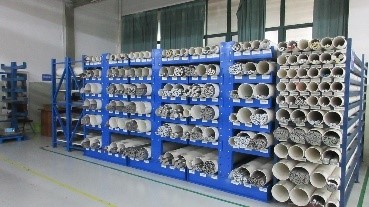
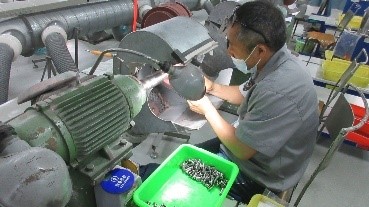
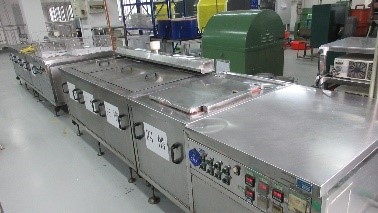
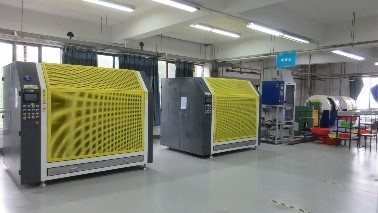
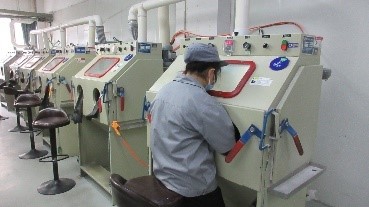
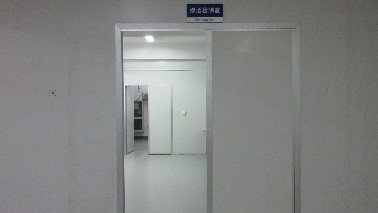
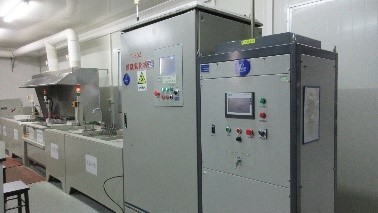
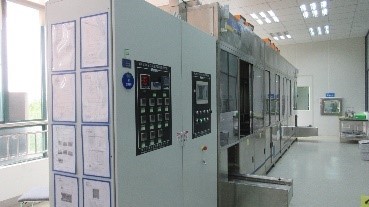
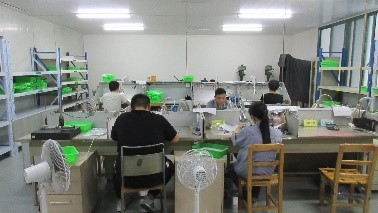
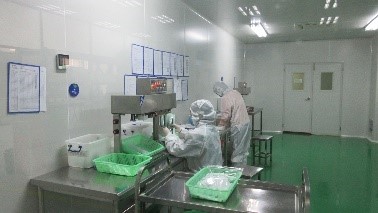
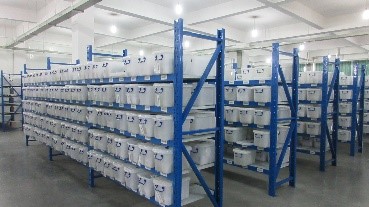
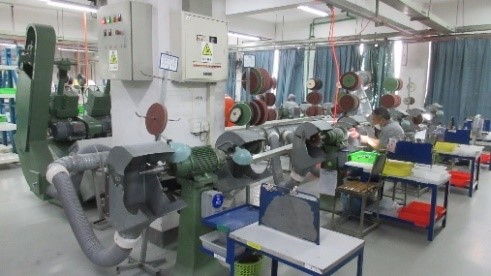
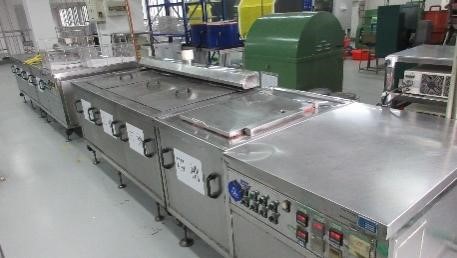
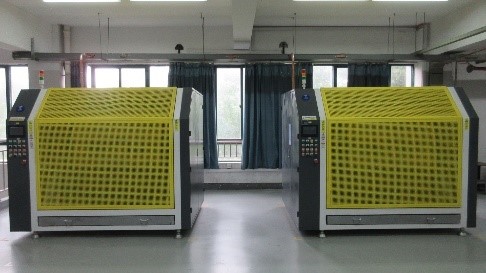
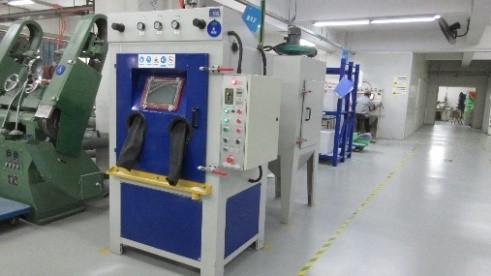
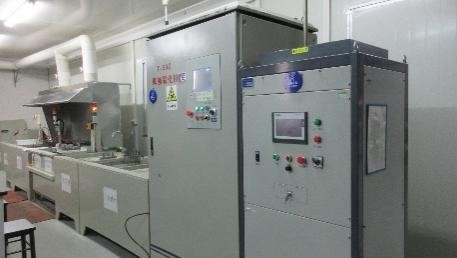
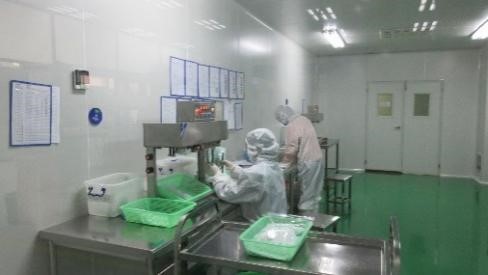
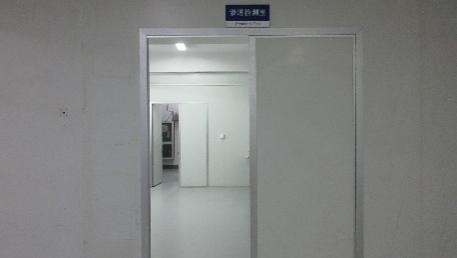
Trace our step-by-step production flow from certified raw titanium rods to Class 100 sterile-barrier packaging.
As the orthopedics sector moves forward, implant design will shift from passive structural stabilization to smart, biological integration. Axiora's engineering roadmap prioritizes three key development horizons:
Future iterations of our pedicle screw systems will include nano-hydroxyapatite (HA) coatings and antimicrobial layer deposition. These biological adjustments are designed to minimize early implant loosening in osteoporotic patients and lower rates of post-operative surgical site infection (SSI).
Utilizing Electron Beam Melting (EBM) and Direct Metal Laser Sintering (DMLS), we are developing structures that mirror the trabecular architecture of human cancellous bone. This optimization reduces the elastic modulus of the implant, reducing stress-shielding risks and accelerating bone ingrowth.
Modern operating rooms require implant systems designed to work with surgical navigation platforms and robotic insert tools. Axiora is modifying screw head geometeries and designing specialized instrument interfaces that allow optical tracking and tactile feedback during computer-assisted spinal surgery.
Frequently asked technical, manufacturing, and regulatory questions from medical device distributors and hospital procurement boards.
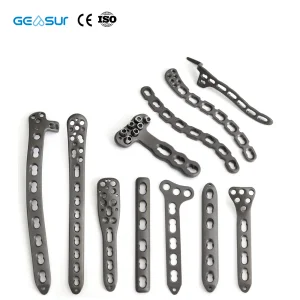
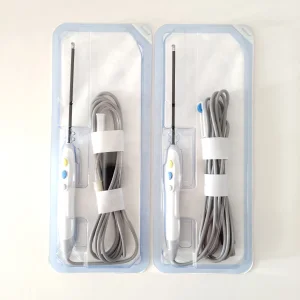
Expanding options in trauma plating, sports medicine electrodes, and specialized veterinary implant systems.