Axiora Medical
Axiora Medical
Axiora Medical
High-performance clinical solutions manufactured for trauma, reconstruction, and sports medicine applications.
Vertebral Body Replacement (VBR) systems represent the pinnacle of spinal reconstructive engineering. Used primarily in the thoracic and lumbar spine, VBR devices are indicated for patients requiring surgical stabilization following a corpectomy. A corpectomy—the surgical removal of all or part of a vertebral body—is typically mandated by aggressive spinal pathologies, including primary or metastatic spinal tumors, severe burst fractures resulting from high-energy trauma, and osteomyelitis (spinal infection).
The primary biomechanical mandate of a VBR device is the restoration of load-bearing capabilities of the anterior spine column. In a healthy human, the anterior column supports approximately 80% of axial compressive loads. Once compromised, it initiates progressive kyphotic deformity, neurological compression, and intractable pain. VBR devices, configured either as static mesh cylinders or complex expandable structures, span the void, restoring segment height and anatomical lordosis while providing a scaffold for permanent bony fusion (osteointegration).
In global healthcare procurement, hospitals and surgeons seek VBR implants that minimize surgical complexity. Key evaluation metrics include axial load-bearing capacity, resistance to subsidence (the device sinking into adjacent endplates), and ease of primary mechanical insertion. This clinical demand has driven leading exporters to develop highly refined systems featuring tooth-like endplate interfaces and customizable footprint angles, ensuring customized anatomical adaptation.
Because VBR devices are permanent Class III medical implants (in accordance with stringent regulatory criteria), they pose critical risk profiles if not designed and manufactured to the highest standards. Major complications of sub-standard VBR implants include device migration, catastrophic fatigue failure, hardware breakage, and severe bone subsidence leading to reoperation. Therefore, compliance with regulatory benchmarks, specifically the European Union’s Medical Device Regulation (EU MDR 2017/745) and obtaining the CE mark, is non-negotiable for global market penetration.
CE certification serves as validation of a manufacturer’s adherence to clinical safety, biological compatibility, and mechanical performance. The certification process requires exhaustive testing protocols, including:
For international medical distributors and procurement managers supplying national health services in Europe, Latin America, and Asia, a CE-certified VBR is more than a regulatory checkbox—it is a mitigation of legal and clinical liability. CE certification verifies that the factory has been audited by a recognized Notified Body and that every batch of implants complies with rigorous Clinical Evaluation Reports (CER) and Post-Market Surveillance (PMS) tracking.
Empirical metrics verifying our capacity as a leading global manufacturer and exporter of orthopedic solutions.
In the global medical device sector, Chinese manufacturing has transitioned from low-cost assembly to high-precision engineering. Under this paradigm, factories like Axiora Medical Technology integrate advanced technological capabilities with unparalleled vertical supply chain integration. The resulting efficiency yields substantial advantages for global buyers, distributors, and healthcare systems.
The efficiency of a modern Chinese orthopedic implant factory is defined by several core factors:
This industrial synergy directly translates to cost optimization without compromising quality. By reducing machining times, minimizing scrap rates through real-time CMM monitoring, and housing all post-processing operations (including chemical anodization, sand-blasting, and ultrasonic washing) under one roof, Chinese manufacturers offer high-quality orthopedic implants at highly competitive price points.
A visual tour of Axiora's vertically integrated production, advanced surface finishing, and quality control lines.
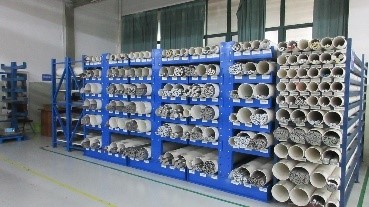
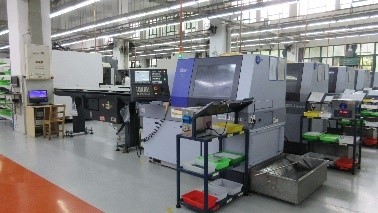
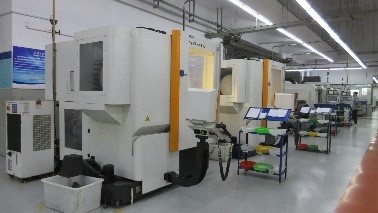
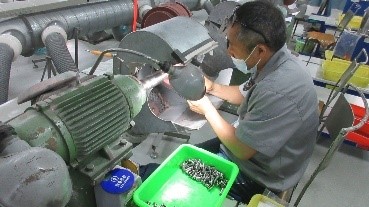
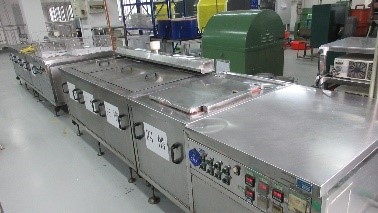
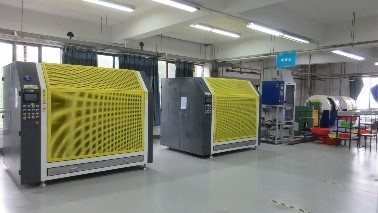
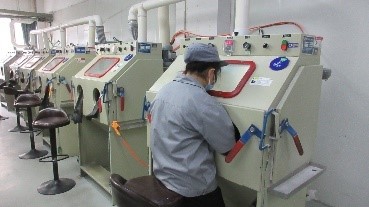
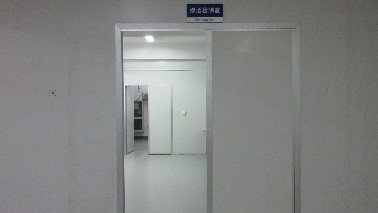
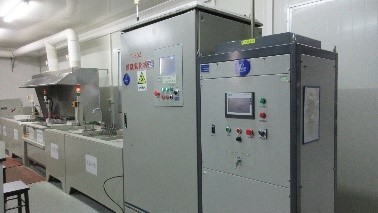
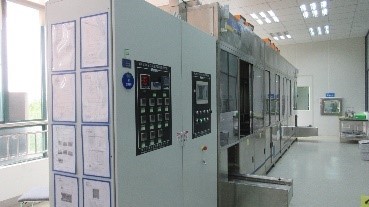
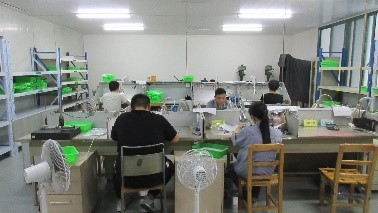
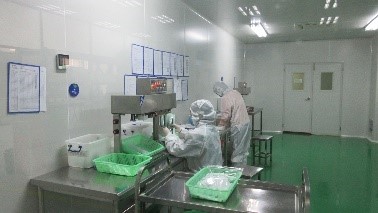
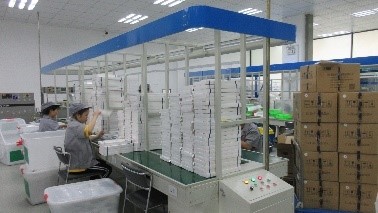
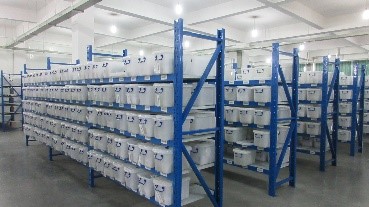
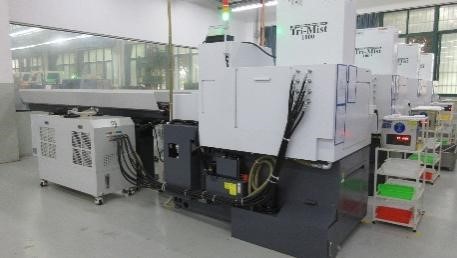
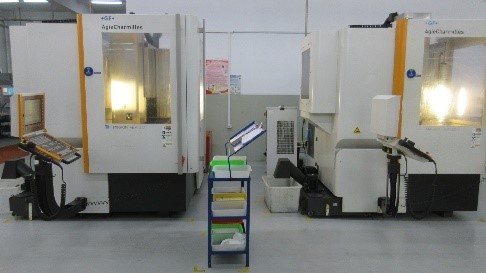
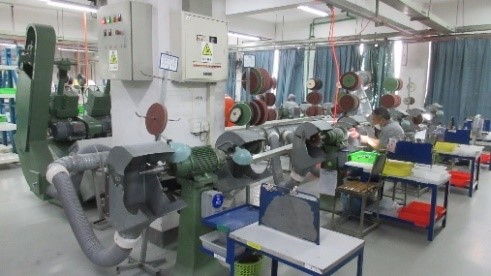
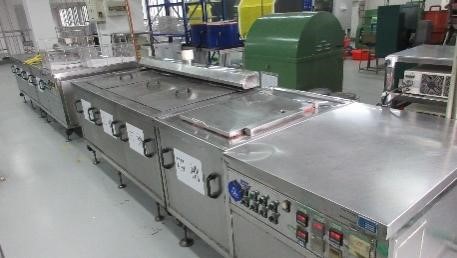
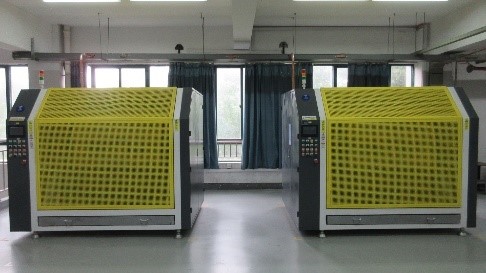
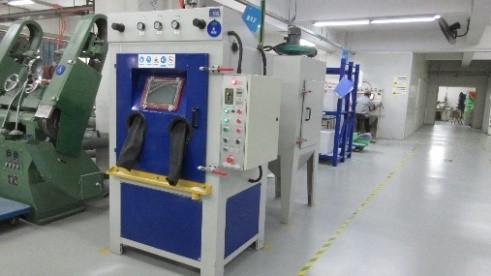
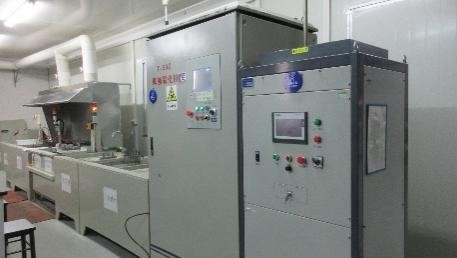
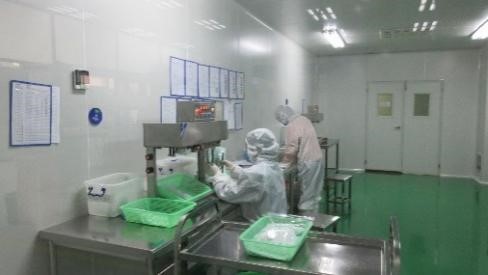
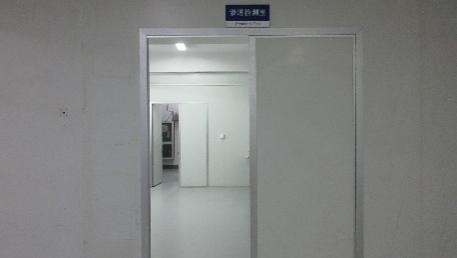
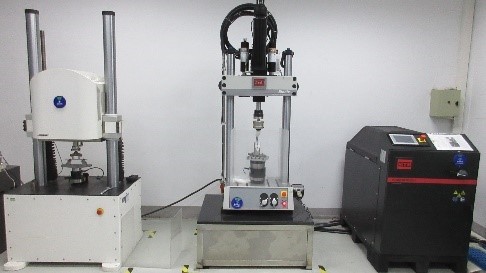
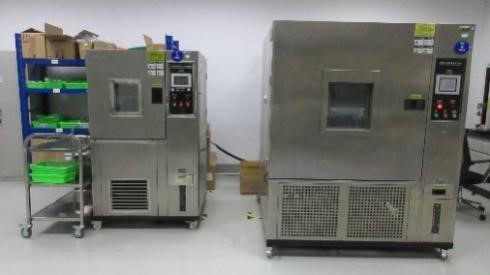
Procuring surgical-grade vertebral body replacement systems requires a thorough review of production capacity, quality validation, and supply chain logistics. Unlike commodity products, orthopedic implants demand precise manufacturing. Standard procurement evaluations should address several key operational parameters:
OEM and ODM Customization: Most spinal cases present unique clinical challenges. Axiora supports customized engineering by accommodating custom drawing modifications, proprietary branding, and tailored packaging designs. Our 86 R&D engineers facilitate reverse engineering and rapid prototyping to convert clinical design concepts into production-ready implants.
Quality Assurance Systems: A reliable supplier must utilize a multi-layered quality control framework. Quality protocols should include material audits, coordinate measuring machine (CMM) dimensional checks, surface roughness assessments, and penetrant testing to detect micro-fissures in load-bearing surfaces.
| Procurement Factor | Critical Standard / Axiora Specification | Strategic Impact on Distributors |
|---|---|---|
| Raw Materials | ASTM F136 Ti-6Al-4V ELI / Medical-Grade PEEK | Ensures mechanical strength, bone-matching elasticity, and high radiolucency. |
| Biomechanical Validation | ASTM F1717 / F2077 Testing Standards | Guarantees structural stability and minimizes long-term subsidence risks. |
| Machining Tolerance | High-Precision CNC Tolerances within ±0.005mm | Ensures seamless compatibility between implant components and instrumentation. |
| Aseptic Processing | ISO Class 7 (Class 10,000) Aseptic Packaging Cleanroom | Guarantees sterility, low endotoxin levels, and direct-to-operating-room readiness. |
| Regulatory Approval | CE Marking (MDR Compliant) & ISO 13485 | Minimizes import barriers and provides clinical legal protections. |
Packaging & Logistical Flows: For international shipping, implants must be housed in sterile barrier systems. Axiora utilizes double-barrier Tyvek packaging sealed within Class 10,000 cleanrooms. This ensures sterile preservation throughout global transport, helping distributors maintain optimal inventory levels.
The field of vertebral body reconstruction is advancing toward biologically active and patient-specific implant designs. The industry is moving away from static, solid metallic blocks, shifting focus to materials and surfaces that actively promote rapid osteointegration.
Additive Manufacturing (3D Printing): Electron Beam Melting (EBM) and Direct Metal Laser Sintering (DMLS) are transforming VBR fabrication. By layer-printing titanium alloy powder, manufacturers can produce porous, trabecular structures that mimic human cancellous bone. This porous architecture promotes vascularization and bone ingrowth, reducing long-term implant migration rates.
Advanced Polymers & Surface Treatments: While polyetheretherketone (PEEK) is favored for its radiolucency and bone-like elastic modulus, its bio-inert surface can sometimes lead to fibrous encapsulation. Modern developments address this by applying thin coatings of hydroxyapatite (HA) or titanium plasma spray to the PEEK substrate, combining mechanical compatibility with bone-growth promotion.
Expandable Vertebral Cages: Minimally invasive surgery (MIS) relies on expandable VBR systems. These implants are inserted in a compact state through narrow surgical corridors, then expanded in situ to match the patient's anatomy. This reduces tissue retraction, protects critical neural structures, and allows for fine adjustment of sagittal alignment.
Verified regulatory and operational metrics for Axiora Medical Technology (China) Co., Ltd.
Axiora Medical Technology (China) Co., Ltd. is a dedicated manufacturer specializing in the research, development, and global supply of orthopedic implants and surgical instruments. Our portfolio covers trauma fixation systems, spinal implants, joint reconstruction products, sports medicine devices, and related orthopedic instrumentation.
| Operating Metric | Verified Corporate Specification |
|---|---|
| Company Name | Axiora Medical Technology (China) Co., Ltd. |
| Brand Portfolio | Axiora |
| Official Website | www.axioraortho.com |
| Established Year | 2017 (Industry experience spanning 15+ years) |
| Production Facility Area | 18,600 m² |
| Annual Export Volume | USD 26 Million |
| Active R&D Engineers | 86 Personnel |
| Quality Inspection Force | 48 Quality Control Staff |
| Inspection Methodologies | Coordinate Measuring Machine (CMM), Tensile Strength Testing, Hardness Testing, Surface Roughness Profilometry, Salt Spray Testing |
| Customization Capabilities | Logo Printing, Private Labeling, Custom Packaging, Material Customization, Drawing-Based Prototyping (OEM & ODM) |
| Global Footprint | Europe, North America, South America, Middle East, Southeast Asia, Africa |
Detailed technical answers addressing quality control, design parameters, and regulatory compliance.
High-performance clinical solutions manufactured for trauma, reconstruction, and sports medicine applications.