Axiora Medical
Axiora Medical
Axiora Medical
High-performance implants and tools engineered to exceed international surgical standards
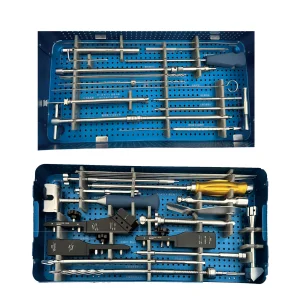
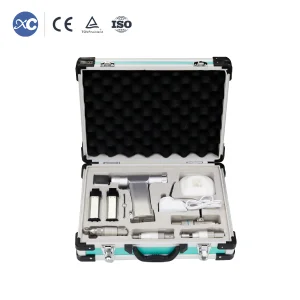
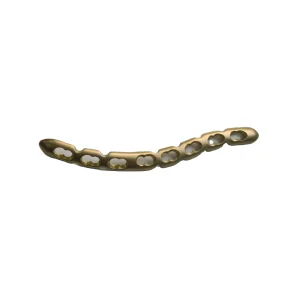
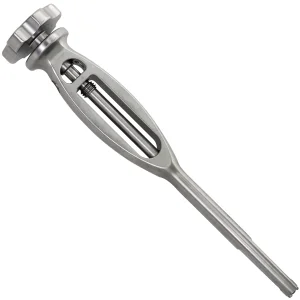
Reverse Shoulder Arthroplasty (RSA) has revolutionized the treatment of complex glenohumeral arthropathies, providing a highly reliable surgical pathway where traditional anatomical total shoulder replacements fail. Originally conceptualized to address rotator cuff tear arthropathy (CTA), the therapeutic scope of RSA has expanded dramatically. Today, it encompasses massive, irreparable cuff tears without arthrosis, primary glenohumeral osteoarthritis with severe glenoid bone loss, failed anatomical total shoulder arthroplasties (TSA), and complex acute proximal humerus fractures.
The fundamental design of RSA is based on the biomechanical principles pioneered by Professor Paul Grammont. By reversing the normal anatomy—replacing the glenoid socket with a convex sphere (glenosphere) and the humeral head with a concave socket (humeral cup)—the biomechanical center of rotation is shifted medially and inferiorly. This structural modification increases the deltoid lever arm and recruits the deltoid muscle as the primary driver for shoulder elevation and abduction, bypassing the function of a deficient rotator cuff.
In an anatomical shoulder joint, stability and motion rely heavily on the dynamic balance of the rotator cuff muscles (supraspinatus, infraspinatus, teres minor, subscapularis). When these muscles undergo chronic degeneration or massive tearing, the upward force exerted by the deltoid causes the humeral head to migrate superiorly against the acromion, resulting in severe pain and pseudoparalysis.
The RSA system counters this upward migration by stabilizing the joint space. Under a medialized center of rotation, the shearing forces across the glenoid component are converted into compressive forces, reducing the risk of component loosening—historically the primary mode of failure for anatomical glenoid components in cuff-deficient patients.
For decades, global orthopedic procurement has been concentrated in European and American medical manufacturing hubs. However, the paradigm is shifting. Axiora Medical Technology leverages China’s elite industrial infrastructure, advanced raw material access, and specialized processing technologies to offer medical-grade implants that meet or exceed Western performance metrics at highly competitive costs.
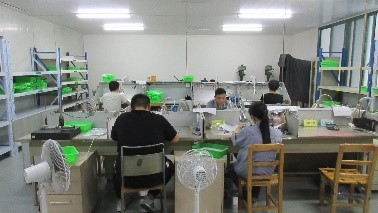
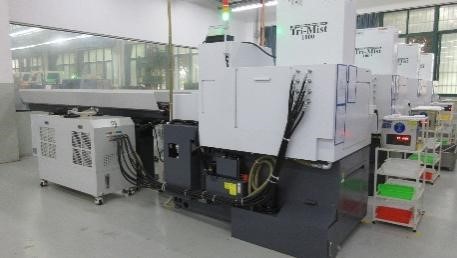
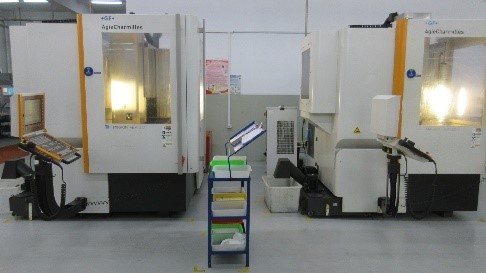
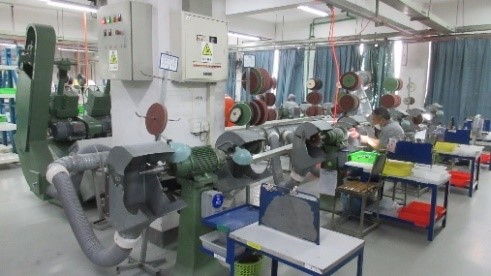
Our facility utilizes longitudinal cutting lathes and multi-axis CNC machines to achieve micron-level tolerances. The complex spherical geometries of the glenosphere and the precise tapers of the humeral stems require exceptional dimensional repeatability to ensure optimal press-fit stability.
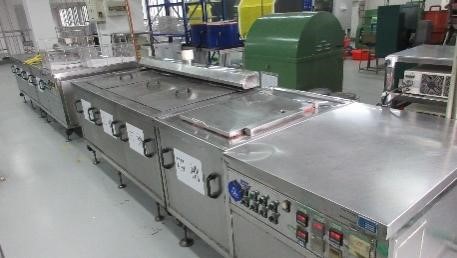
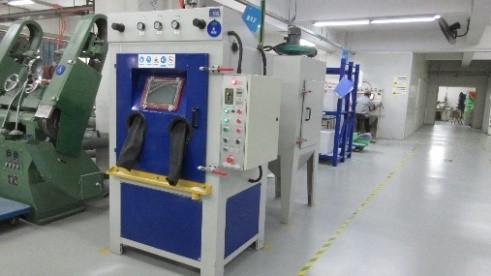
We process ultra-pure biocompatible alloys (Ti6Al4V ELI conforming to ASTM F136 and CoCrMo conforming to ASTM F1537) and medical-grade Ultra-High-Molecular-Weight Polyethylene (UHMWPE conforming to ASTM F648). Advanced surface treatments, including titanium plasma spraying and type-II anodizing, promote superior osseointegration and lower wear rates.
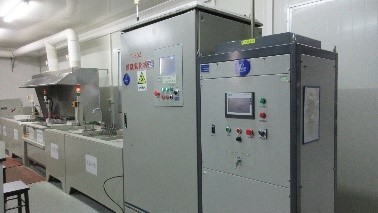
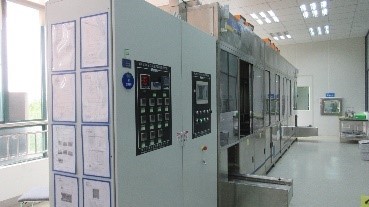
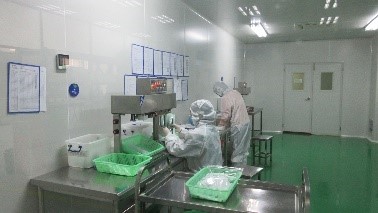
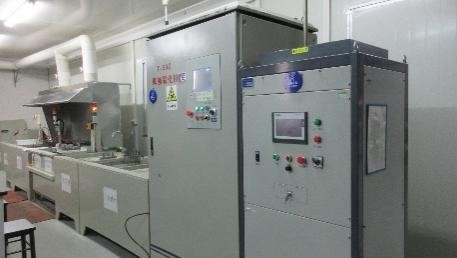
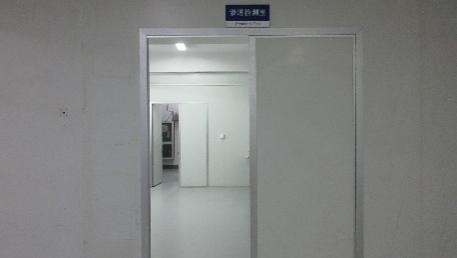
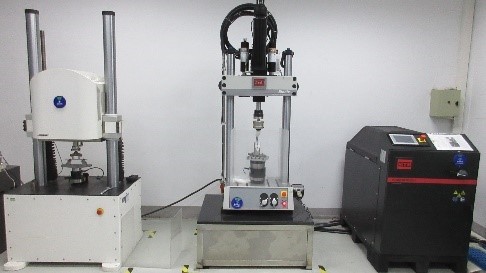
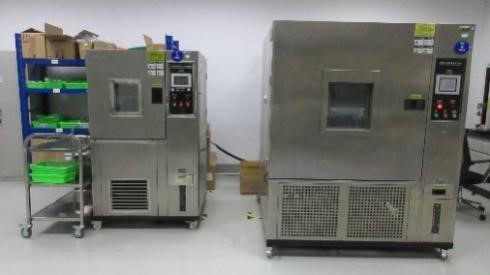
Our quality control department utilizes Coordinate Measuring Machines (CMM), surface roughness checkers, tensile testing units, and non-destructive penetrant testing. Every batch undergoes 100% finished product inspection in our cleanroom facilities before sterilization and global dispatch.
Axiora adheres strictly to regulatory standards required for international orthopedic supply chains. All materials, including titanium alloy and stainless steel surgical tools, are traceable down to the raw material ingot. Our ISO 13485-certified facilities undergo regular external audits, ensuring that our implants and instrumentation systems consistently meet the safety benchmarks required by ministries of health worldwide.
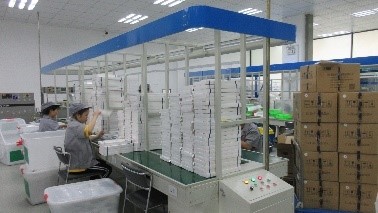
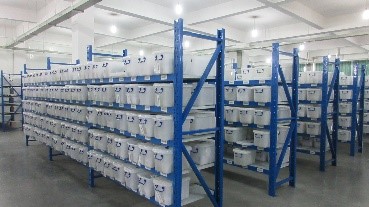
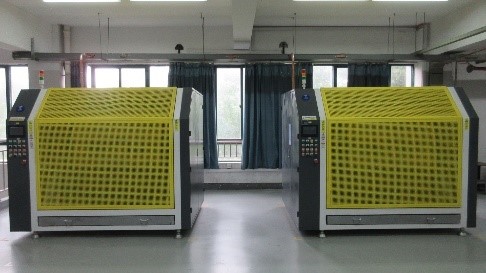
A step-by-step visual demonstration of our medical device production line, quality inspection, and testing systems.
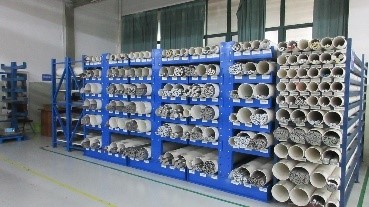
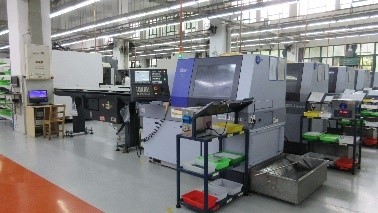
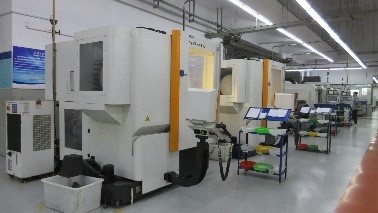
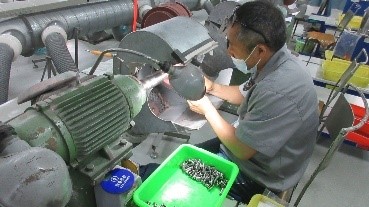
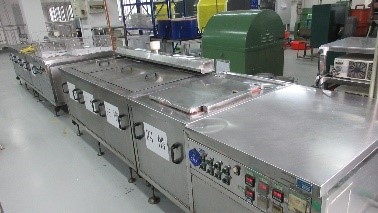
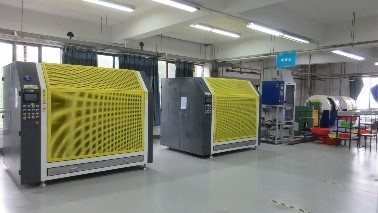
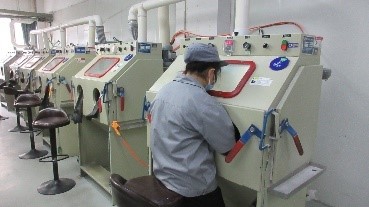
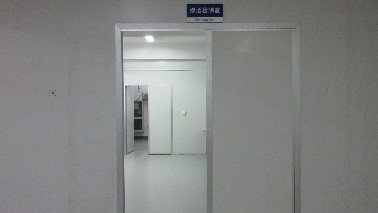
The field of joint replacement is transforming rapidly, driven by advanced surgical techniques and digital design frameworks. Three major developments are shaping the global market for Reverse Shoulder Arthroplasty:
Traditional press-fit and cemented implants are increasingly being replaced by 3D-printed porous implants. Using electron beam melting (EBM) or selective laser melting (SLM), manufacturers can produce highly porous structures that mimic the trabecular architecture of cancellous bone. This optimizes primary mechanical stability and enhances long-term biological fixation.
To simplify potential revision surgeries, convertible humerus stem systems allow surgeons to transition from an anatomical shoulder system to a reverse configuration without removing a well-fixed humeral stem. This reduces operating times, minimizes bone loss, and lowers the risk of intraoperative fractures.
Severe glenoid retroversion or bone loss can make proper baseplate placement challenging. Advanced preoperative software uses CT data to construct 3D anatomical models of the patient's shoulder. This allows for precise surgical planning and the production of patient-specific guides, ensuring accurate screw placement and implant orientation.
For multinational distributors, hospitals, and national health authorities, sourcing joint systems requires a partner capable of executing complex logistical setups. Axiora provides comprehensive supply solutions, including:
Axiora Medical Technology (China) Co., Ltd. is a specialized manufacturer focused on the development, production, and global supply of premium orthopedic implants and precision surgical instruments.
Established with a focus on innovation and precision, Axiora integrates advanced CNC machining, automated production lines, and rigorous quality management systems to deliver reliable products that meet international standards. Our experienced engineering team continuously designs and refines solutions to support surgeons and healthcare providers worldwide.
Through our OEM and ODM capabilities, we offer customized manufacturing according to customers' technical drawings, samples, and performance requirements. From initial design and prototyping to mass production and cleanroom packaging, our integrated process ensures consistent quality, competitive pricing, and reliable delivery schedules.
Axiora exports orthopedic products to partners across Europe, North America, South America, the Middle East, Southeast Asia, and Africa, maintaining long-term relationships with medical device distributors, brand owners, hospitals, and healthcare organizations.
| Item | Details |
|---|---|
| Company Name | Axiora Medical Technology (China) Co., Ltd. |
| Brand | Axiora |
| Website | www.axioraortho.com |
| Established | 2017 |
| Factory Area | 18,600 m² |
| Annual Export Revenue | USD 26 Million |
| Export Experience | 8 Years |
| Industry Experience | 15 Years |
| Quality Inspection | 100% Finished Product Inspection & Incoming Material Inspection |
| Product Inspection Methods | Coordinate Measuring Machine (CMM), Tensile Testing, Hardness Testing, Surface Roughness Inspection, Salt Spray Testing |
| Quality Control Staff | 48 |
| Business Type | Manufacturer & Exporter (OEM/ODM) |
| Main Markets | Europe, North America, Middle East, Southeast Asia, South America |
| Supply Chain Partners | 1,120 |
| Main Customer Types | Medical Device Brands, Importers, Distributors, Hospitals, Government Procurement Projects |
| R&D Capability | Independent Product Development, Reverse Engineering, OEM & ODM Solutions |
| Customization Options | Logo Printing, Private Label, Custom Packaging, Product Design, Material Selection, Drawing-Based Manufacturing |
| New Products Released Last Year | 126 |
| R&D Engineers | 86 |
Detailed answers regarding manufacturing capabilities, material selections, and regulatory standards.
Advanced surgical instruments, spinal hardware, and specialized trauma plates