Axiora Medical
Axiora Medical
Axiora Medical
Explore our leading product ranges, engineered under CE and ISO compliance to optimize surgical outcomes and clinical efficacy.
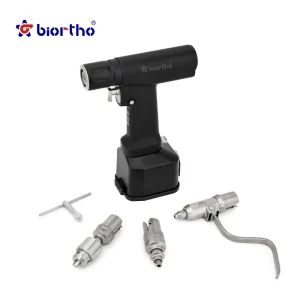
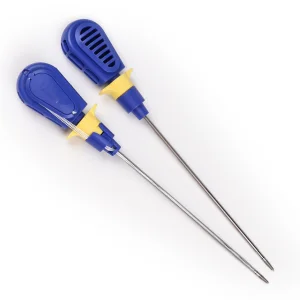
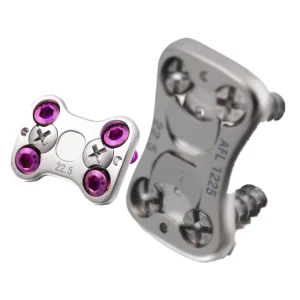
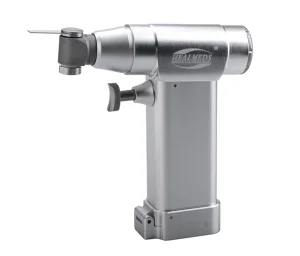
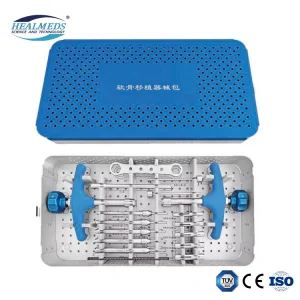
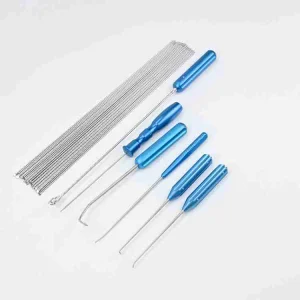
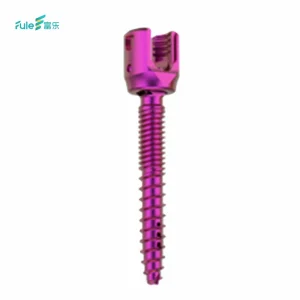
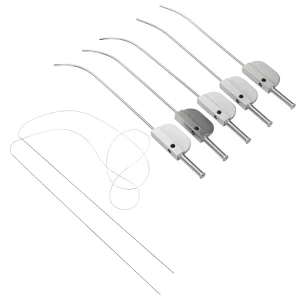
The surgical treatment of spinal instability and complex deformities has shifted decisively towards Minimally Invasive Spine Surgery (MISS). Within this domain, cannulated pedicle screws have emerged as the foundational implant system. Specifically designed with a hollow central core, these screws allow guide-wire-directed insertion. This technique significantly reduces surgical trauma, minimizes surrounding soft-tissue disruption, and reduces intraoperative blood loss, enabling faster postoperative rehabilitation.
"Clinical efficacy in MISS relies entirely on the mechanical integrity of the implant interface. The evolution of cannulated pedicle screws from rigid fixation devices to dynamic, customizable systems represents a critical milestone in surgical outcomes."
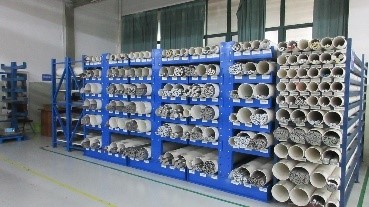
From a structural metallurgy perspective, the selection of raw materials determines the dynamic fatigue life of the implant. Axiora utilizes medical-grade Ti-6Al-4V ELI (Extra Low Interstitial) titanium alloy in compliance with ASTM F136. This material provides an optimal balance of biocompatibility, high tensile strength, and a lower modulus of elasticity, reducing the risk of stress shielding.
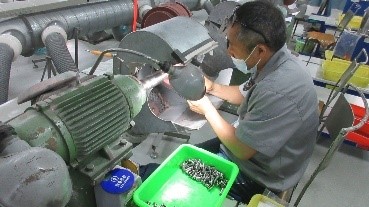
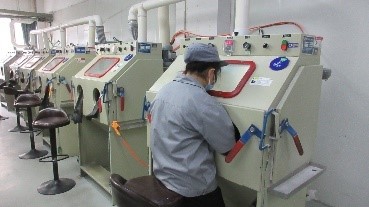
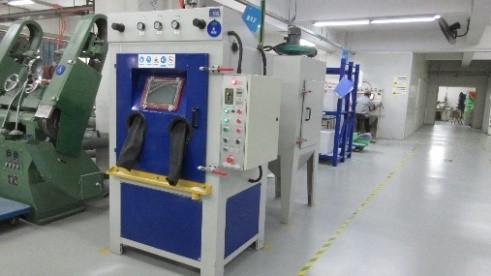
To optimize bone-to-implant contact and accelerate osseointegration, the outer surfaces of our cannulated screws are subjected to advanced physical treatments. This includes dual-lead thread designs that enhance cortical bone purchase while accelerating insertion times, and micro-roughness optimization using controlled sand-blasting and medical anodization.
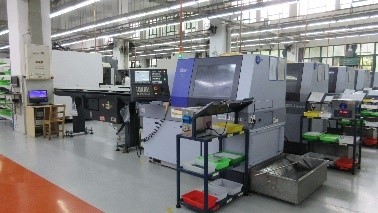
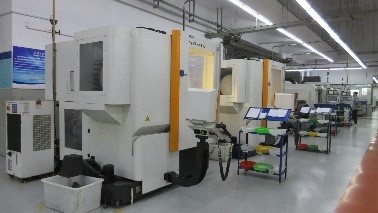
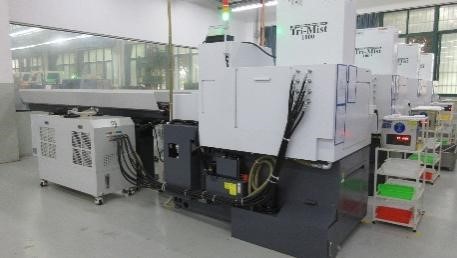
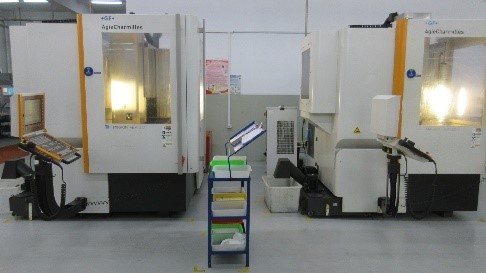
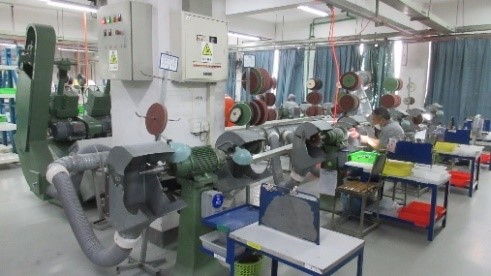
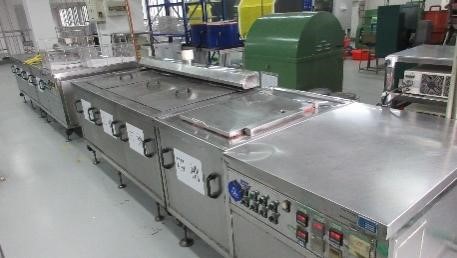
The global spinal implant market is transitioning from legacy open-surgery pedicle systems toward navigation-assisted and robotic-guided procedures. China's manufacturing sector has adapted to this shift by upgrading production infrastructures to rival Tier-1 multinational medical device firms. High-precision manufacturing is supported by Swiss longitudinal cutting lathes and German CNC milling centers.
By combining advanced manufacturing with optimized raw material sourcing, Chinese suppliers offer high quality at cost-effective rates. This enables international distributors, medical device brand owners, and public hospital networks to optimize their procurement budgets while maintaining strict surgical standards.
| Strategic Capability Indicator | Details & Technical Standards |
|---|---|
| Company Name | Axiora Medical Technology (China) Co., Ltd. |
| Quality Inspection | 100% Finished Product Inspection & Incoming Material Inspection |
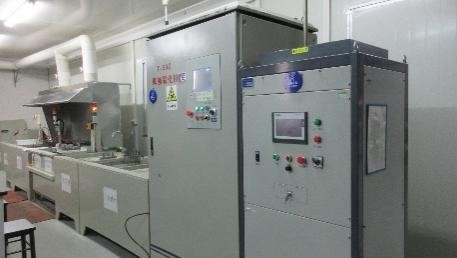
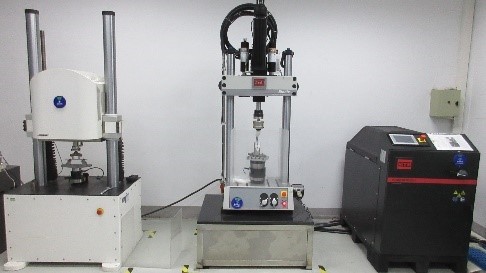
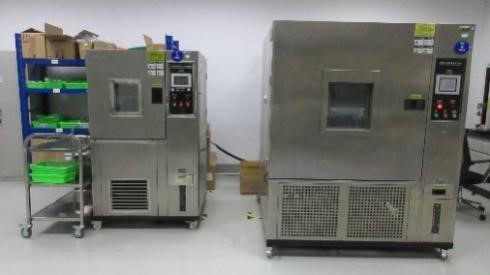
| Inspection Methods | Coordinate Measuring Machine (CMM), Tensile Testing, Hardness Testing, Surface Roughness Inspection, Salt Spray Testing |
| Quality Control Staff | 48 Quality Control Professionals |
| Supply Chain Partners | 1,120 Globally Active Partners |
| Customization Scope | Logo Printing, Private Label, Custom Packaging, Material Customization, Custom Mechanical Profiles |
| Product Development | 126 New Product Lines Developed & Released Last Year |
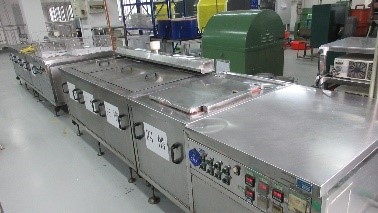
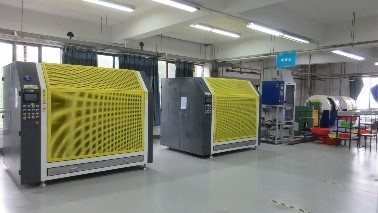
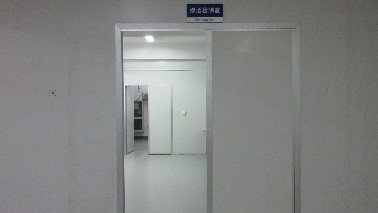
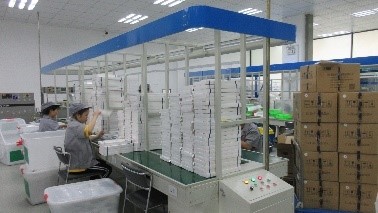
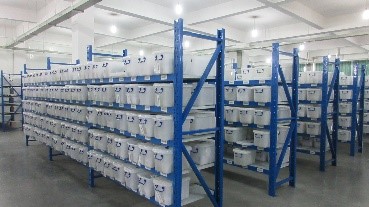
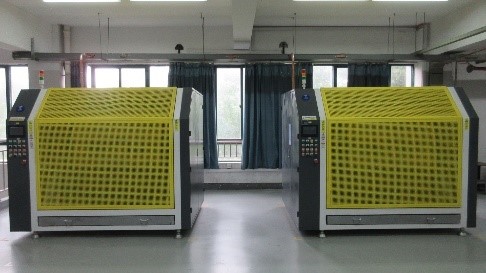
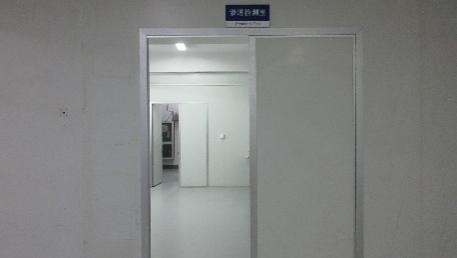
From metallurgical verification to aseptic packaging, our manufacturing process ensures clinical-grade quality at every stage.
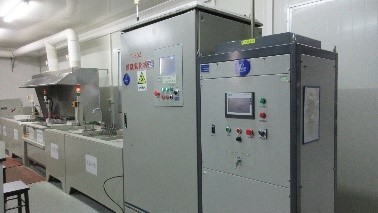
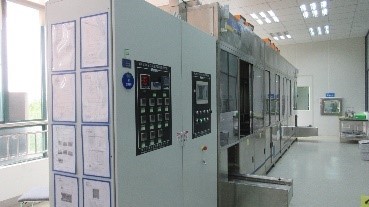
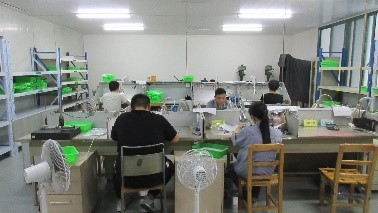
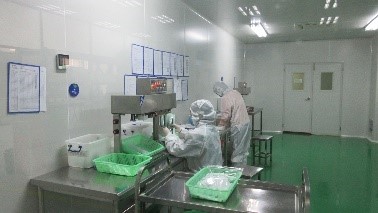
As surgical navigation technologies evolve, the interface between spinal implants and intraoperative visualization systems is becoming increasingly critical. Our R&D division is focused on three primary areas:
Navigating international regulatory frameworks is a key challenge for medical device distributors. We offer comprehensive support to streamline this process, including:
Technical Documentation: Providing detailed technical files, raw material certification, and mechanical testing profiles to support CE MDR and FDA registrations. Our dedicated regulatory affairs team works directly with distributors to resolve regional compliance inquiries.
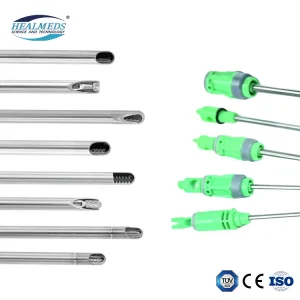
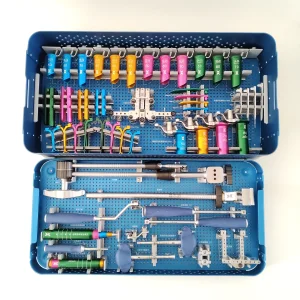
Customized Instrument Trays: Offering tailored surgical instrument sets designed to integrate with specific hospital workflows and surgical approaches, ensuring seamless clinical deployment.
Expert answers addressing the design, manufacturing standards, and clinical applications of our orthopedic implant systems.
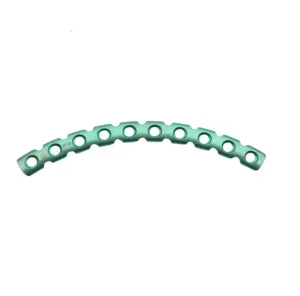
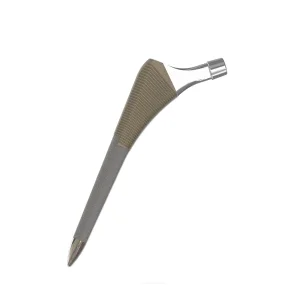
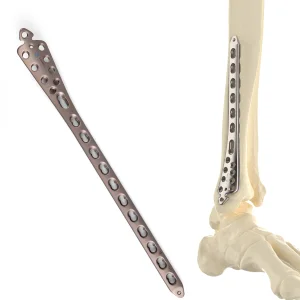
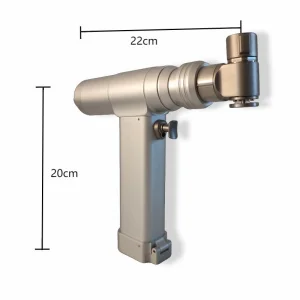
Explore our broader range of orthopedic solutions, including bone fixation plates, joint prostheses, and surgical instruments.