Axiora Medical
Axiora Medical
Axiora Medical
Engineered for structural stability, mechanical alignment, and long-term biological integration.
Solving complex bone loss, mechanical instability, and joint line restoration.
Revision Total Knee Arthroplasty (RTKA) represents one of the most challenging segments in reconstructive orthopedics. Unlike primary Total Knee Arthroplasty (TKA), which utilizes standard implants to replace worn joint surfaces, revision surgeries are performed to replace failed primary knee implants due to aseptic loosening, periprosthetic infection, mechanical instability, osteolysis, or periprosthetic fracture. The complexity of these procedures requires implant systems designed with modularity, structural support, and customizable fixation options to address varying levels of bone loss and joint instability.
Key clinical factors driving the choice of a revision knee prosthesis system include:
Advanced engineering specifications for medical-grade materials and biocompatibility.
Utilized for articulating surfaces (femoral components) per ASTM F75 standards. Offers superior hardness, wear resistance, and high-fatigue strength to minimize particulate debris generation.
Complies with ASTM F136 requirements. Optimized for intramedullary stems, metaphyseal sleeves, and tibial trays. Provides an elastic modulus closer to cortical bone to reduce stress shielding.
Highly Cross-Linked Polyethylene (HXLPE) infused with Vitamin E options to mitigate oxidation, reducing long-term bearing wear and bone resorption risks.
Axiora Medical Technology (China) Co., Ltd. is a professional manufacturer specializing in the research, development, production, and global supply of high-quality orthopedic implants and surgical instruments. Our product portfolio covers trauma fixation systems, spinal implants, joint reconstruction solutions, sports medicine products, and related orthopedic surgical instruments.
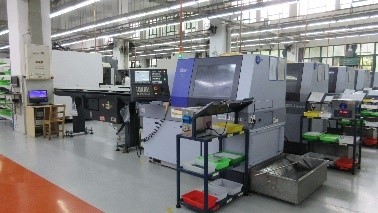
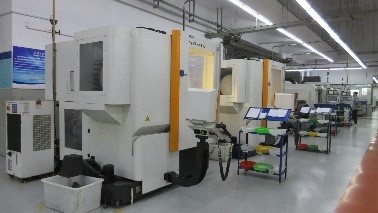
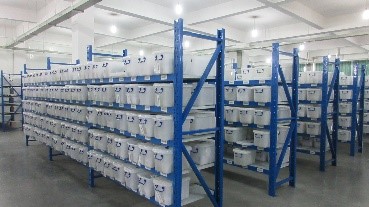
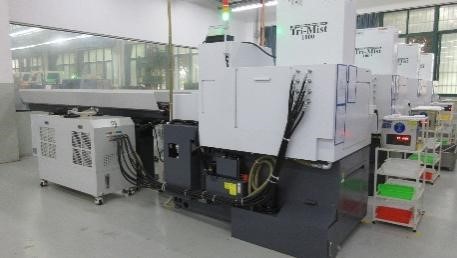
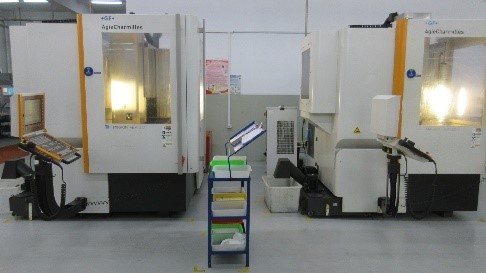
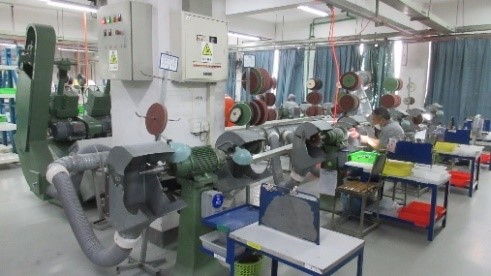
Established with a commitment to innovation and precision manufacturing, Axiora integrates advanced CNC machining, automated production lines, and strict quality management systems to deliver reliable products that meet international standards. Our experienced engineering team continuously develops innovative solutions to support surgeons and healthcare providers worldwide.
With strong OEM and ODM capabilities, we provide customized manufacturing services according to customers' drawings, samples, and technical requirements. From product design and prototyping to mass production and packaging, our integrated manufacturing process ensures consistent quality, competitive pricing, and on-time delivery. Today, Axiora exports its orthopedic products to customers across Europe, North America, South America, the Middle East, Southeast Asia, and Africa, building long-term partnerships with medical device distributors, brand owners, hospitals, and healthcare organizations around the world.
| Item | Details |
|---|---|
| Company Name | Axiora Medical Technology (China) Co., Ltd. |
| Brand | Axiora |
| Website | www.axioraortho.com |
| Established | 2017 |
| Factory Area | 18,600 m² |
| Annual Export Revenue | USD 26 Million |
| Export Experience | 8 Years |
| Industry Experience | 15 Years |
| Quality Inspection | 100% Finished Product Inspection & Incoming Material Inspection |
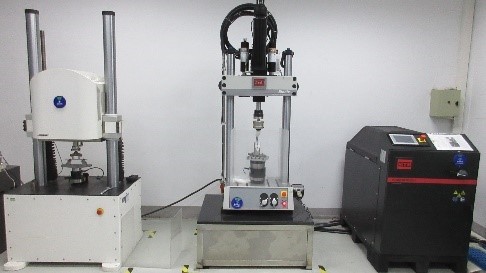
| Product Inspection Methods | Coordinate Measuring Machine (CMM), Tensile Testing, Hardness Testing, Surface Roughness Inspection, Salt Spray Testing |
| Quality Control Staff | 48 |
| Business Type | Manufacturer & Exporter (OEM/ODM) |
| Main Markets | Europe, North America, Middle East, Southeast Asia, South America |
| Supply Chain Partners | 1,120 |
| Main Customer Types | Medical Device Brands, Importers, Distributors, Hospitals, Government Procurement Projects |
| R&D Capability | Independent Product Development, Reverse Engineering, OEM & ODM Solutions |
| Customization Options | Logo Printing, Private Label, Custom Packaging, Product Design, Material Selection, Drawing-Based Manufacturing |
| New Products Released Last Year | 126 |
| R&D Engineers | 86 |
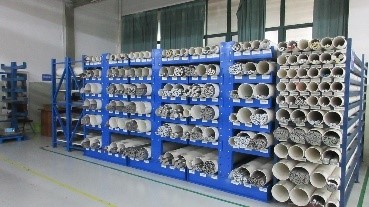
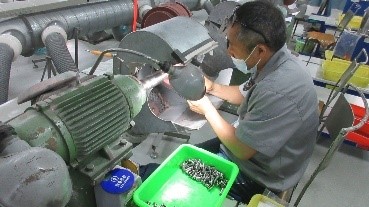
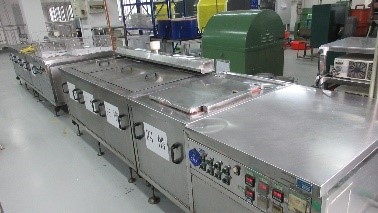
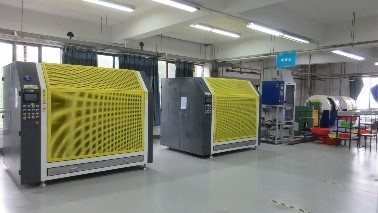
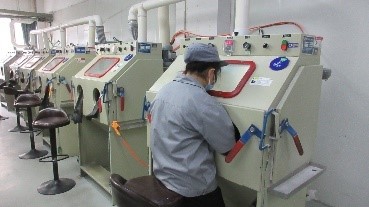
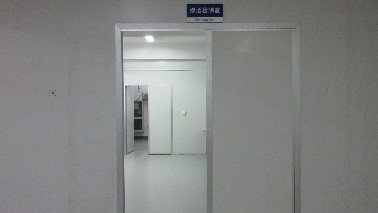
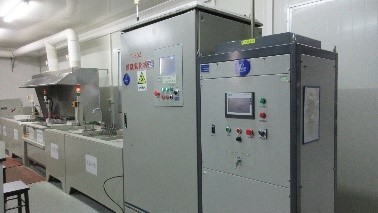
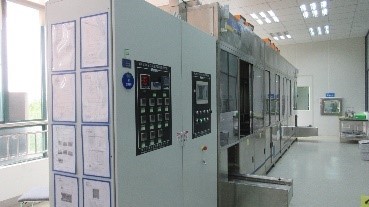
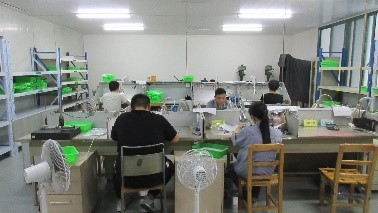
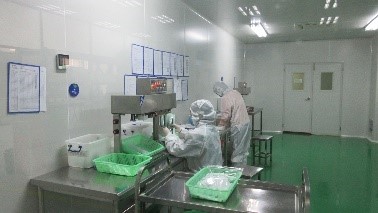
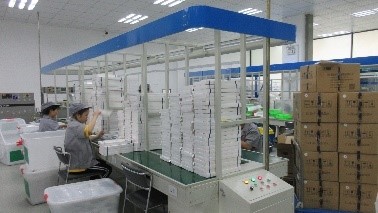
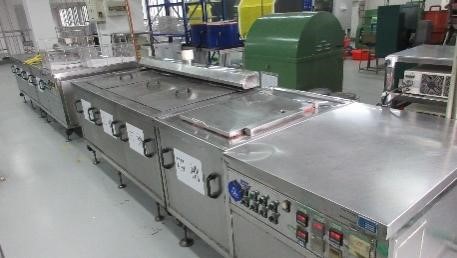
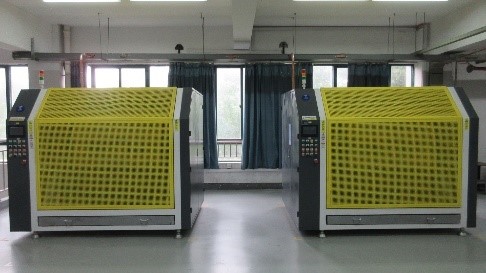
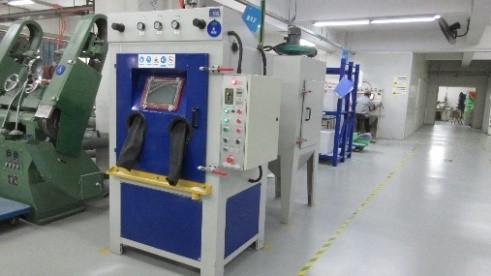
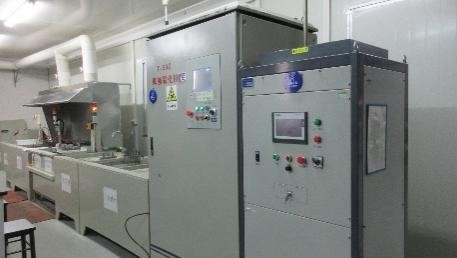
Strict clinical manufacturing process from high-grade raw materials to sterile packaging.
Ensuring regulatory conformity, secure supply chains, and localized hospital support.
Medical implant devices belong to the highest regulatory risk class globally (Class III for US FDA and EU MDR 2017/745). To export joint prostheses globally, Chinese factories must maintain certified quality management systems operating under ISO 13485:2016. All raw medical-grade metals must provide full trace certificates, ensuring that every batch of titanium, cobalt-chromium, and ultra-high molecular weight polyethylene can be tracked from production to the final surgery.
Modern revision knee prostheses utilize modular components to accommodate the anatomy of diverse global populations. Asian populations typically require smaller components with narrower dimensions compared to Western demographics. Top-tier manufacturers like Axiora offer extended size ranges for femoral condyles and tibial trays to ensure safe fitment across world markets without causing soft tissue impingement.
Revision surgeries are high-risk, unplanned, or semi-elective procedures that require rapid response. Axiora supports global distributors through reliable logistics partners and high-volume component availability, ensuring that hospitals have immediate access to complete surgical instrument systems and trials during challenging reconstructions.
The evolutionary trajectory of joint reconstruction systems and technology integrations.
The joint reconstruction industry is moving away from generic off-the-shelf components toward high-modularity and personalized solutions. The technological roadmap for joint prostheses includes three major developments:
Answers to common procurement and technical implementation inquiries.
Indications include aseptic loosening, mechanical failure, periprosthetic infection, joint instability, persistent pain, and bone loss from a prior primary total knee replacement.
We support drawing-based custom designs, reverse engineering, private label packaging, and material selection (CoCrMo, Titanium, UHMWPE) utilizing our internal R&D engineering team and CNC processing machinery.
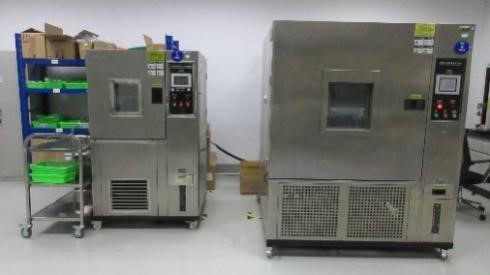
We perform 100% finished product inspections using CMM (Coordinate Measuring Machines), surface roughness tests, hardness verification, tensile strength evaluations, and endurance fatigue tests.
Our system provides modular femoral and tibial augments, metal cones, and intramedullary stems to bypass defect zones, allowing stable distal/proximal mechanical load transfer.
Standard custom runs require 4 to 8 weeks depending on the configuration, drawing complexity, surface coating requirements, and sterilization/packaging needs.
Quality orthopedic instrumentation supporting surgeons and hospital workflows worldwide.