Axiora Medical
Axiora Medical
Axiora Medical
Precision-engineered instrumentation, implants, and surgical power tools meeting stringent international regulatory standards.
An authoritative analysis of biomechanics, locking variations, and treatment paradigms in proximal and diaphyseal humeral fractures.
Humeral shaft fractures account for approximately 3% to 5% of all orthopedic fractures globally. Historically, conservative management or open reduction and internal fixation (ORIF) with locking compression plates (LCP) were the main treatment choices. However, open plating requires extensive soft tissue dissection, which risks damaging the radial nerve and compromising the periosteal blood supply. This has led to the adoption of minimally invasive procedures, particularly Humeral Intramedullary Nails (IMN), as a primary choice for managing unstable diaphyseal and proximal humerus fractures.
Intramedullary nailing acts as a load-sharing device. Unlike eccentric locking plates, an intramedullary nail is positioned along the mechanical axis of the humerus, minimizing bending moments on the implant and reducing the incidence of mechanical failure in osteoporotic bone. By keeping the fracture hematoma intact, the biology of bone healing is preserved, leading to faster callus formation and shorter recovery times. Modern humeral interlocking nail designs utilize multi-planar proximal locking options to secure unstable proximal segments. This design helps prevent varus collapse and controls rotation, which are common issues with earlier iterations of intramedullary implants.
Positions the implant along the physiological neutral axis, reducing stress shielding and improving primary callus formation through micro-motion under controlled loading conditions.
Minimally invasive entry points reduce the need for extensive dissection along the spiral groove, significantly lowering the rates of transient or permanent radial nerve palsy.
Multi-planar, interlocking proximal screws combined with dynamic or static distal locking holes offer robust resistance against rotational and shear forces.
A premier global manufacturing center for certified orthopedic implants, spine systems, and advanced joint reconstruction solutions.
Axiora Medical Technology (China) Co., Ltd. is a professional manufacturer specializing in the research, development, production, and global supply of high-quality orthopedic implants and surgical instruments. Our product portfolio covers trauma fixation systems, spinal implants, joint reconstruction solutions, sports medicine products, and related orthopedic surgical instruments.
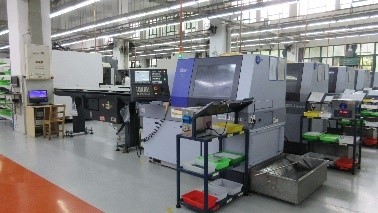
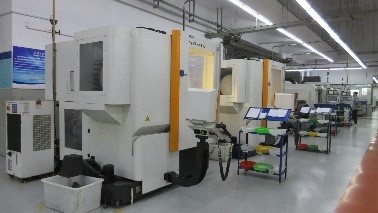
Established with a commitment to innovation and precision manufacturing, Axiora integrates advanced CNC machining, automated production lines, and strict quality management systems to deliver reliable products that meet international standards. Our experienced engineering team continuously develops innovative solutions to support surgeons and healthcare providers worldwide. With strong OEM and ODM capabilities, we provide customized manufacturing services according to customers' drawings, samples, and requirements.
| Operating Metric | Verified Specifications & Details |
|---|---|
| Company Name | Axiora Medical Technology (China) Co., Ltd. |
| Brand | Axiora |
| Website | www.axioraortho.com |
| Established | 2017 |
| Factory Area | 18,600 m² |
| Annual Export Revenue | USD 26 Million |
| Quality Inspection | 100% Finished Product Inspection & Incoming Material Inspection |
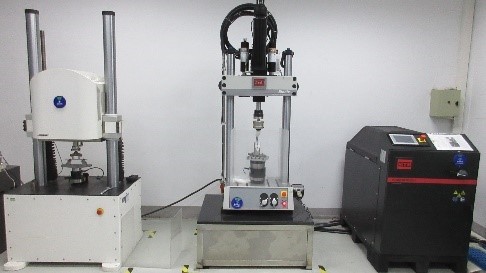
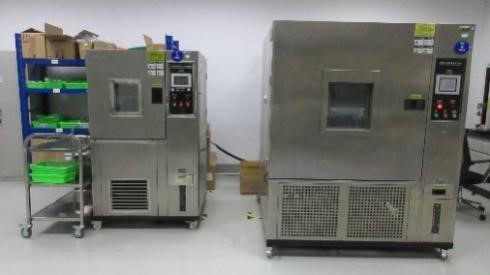
| Product Inspection Methods | Coordinate Measuring Machine (CMM), Tensile Testing, Hardness Testing, Surface Roughness Inspection, Salt Spray Testing |
| Quality Control Staff | 48 Quality Specialists |
| Business Type | Manufacturer & Exporter (OEM/ODM) |
| Supply Chain Partners | 1,120 active partners globally |
| Customization Options | Logo Printing, Private Label, Custom Packaging, Product Design, Material Selection, Drawing-Based Manufacturing |
| New Products Released Last Year | 126 new designs and product lines |
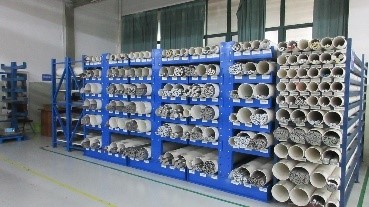
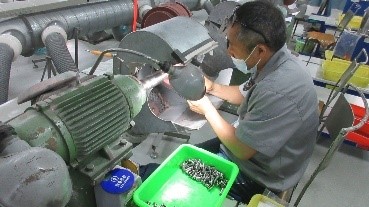
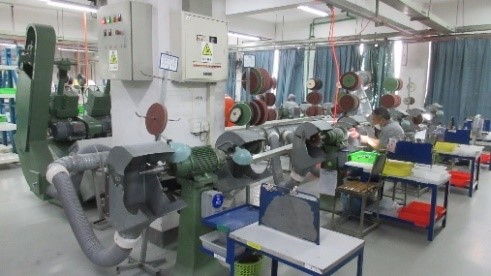
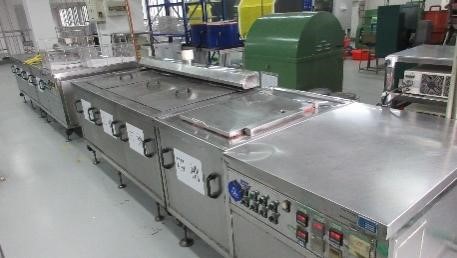
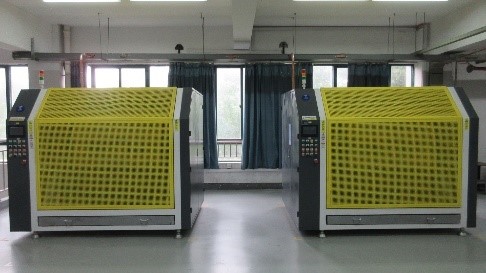
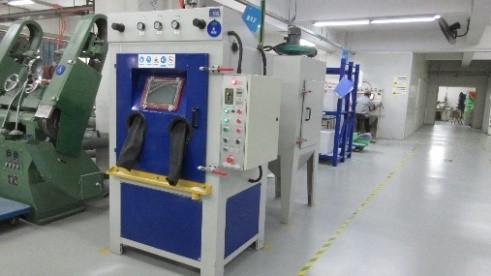
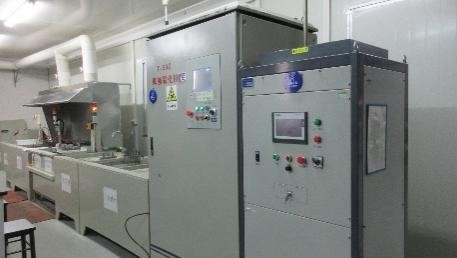
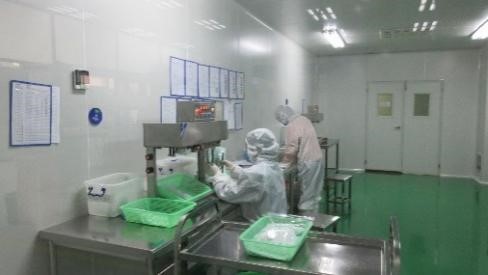
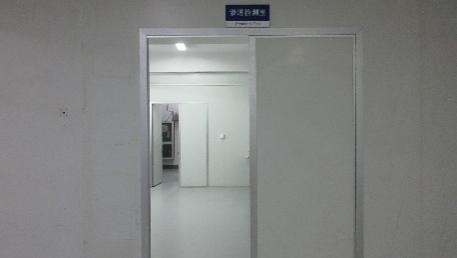
An end-to-end traceably monitored manufacturing process ensuring implants achieve unmatched mechanical integrity and biological compatibility.
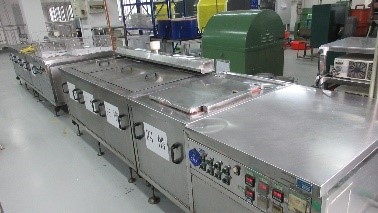
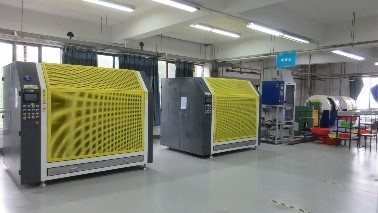
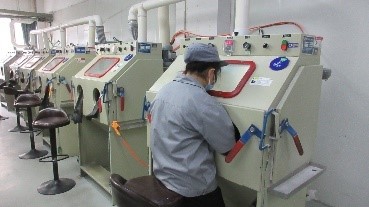
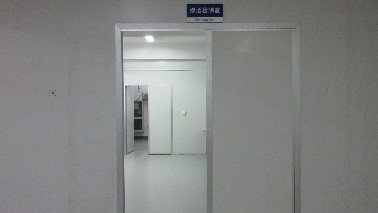
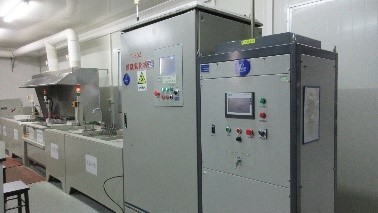
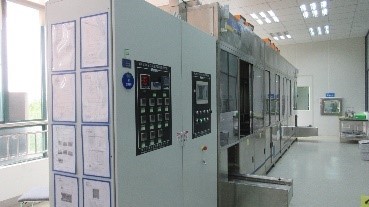
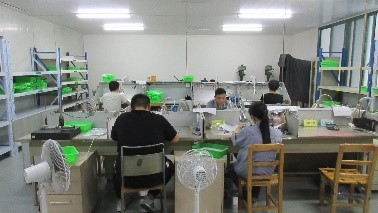
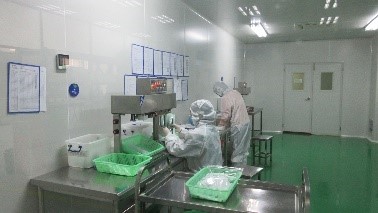
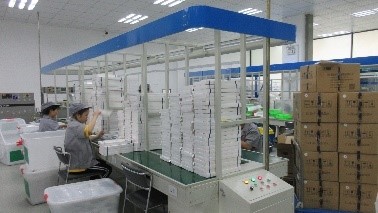
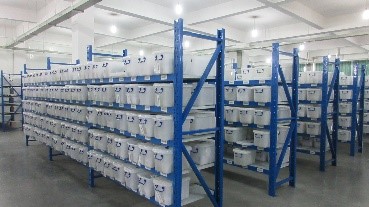
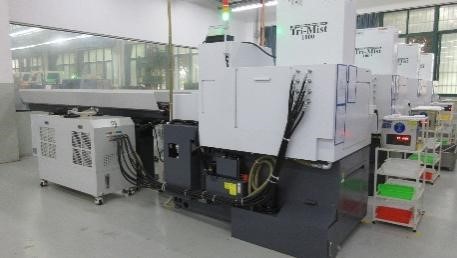
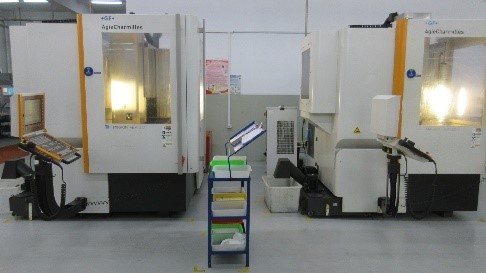
Optimized implant metallurgy and structural configurations for challenging humeral fractures.
Manufactured from Medical Grade 5 Titanium alloy (Ti-6Al-4V ELI) complying with ASTM F136. This grade offers a high strength-to-weight ratio, excellent fatigue resistance, and a low elastic modulus to reduce stress shielding.
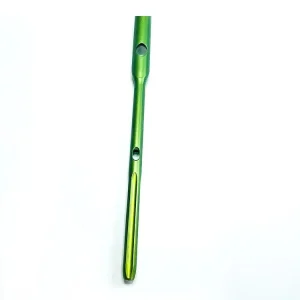
Designed with a pre-bent curvature to facilitate insertion from either an antegrade or retrograde approach. Can be used for reamed or unreamed techniques, depending on the patient's anatomy.
Proximal dynamic locking options support controlled fracture compression, while multi-directional locking holes provide stability against multi-axial forces.
| Implant Variant | Diameter Range (mm) | Length Range (mm) | Proximal Angle | Distal Locking Holes |
|---|---|---|---|---|
| Antegrade Humeral Nail | Ø 6.5, Ø 7.5, Ø 8.5, Ø 9.5 | 180 – 320 (in 20mm increments) | 4° Herzog bend | 2 multi-planar holes + 1 dynamic slot |
| Retrograde Humeral Nail | Ø 7.0, Ø 8.0, Ø 9.0 | 190 – 280 (in 10mm increments) | Straight / 3° bend distal | 3 locking screw options |
| Multi-Locking Proximal System | Ø 8.0, Ø 9.5 | 140 – 240 (in 10mm increments) | Anatomic offset | 4 multi-directional locking |
Navigating the commercial realities, supply channels, and regulatory barriers in global orthopedic markets.
The global demand for orthopedic trauma devices is growing, driven by an aging population and increasing rates of traffic accidents in developing countries. As healthcare systems look to optimize costs, hospital procurement managers are shifting away from higher-priced premium brands toward OEM manufacturers that offer comparable quality. This trend makes high-grade titanium implants from China a cost-effective alternative for global distribution networks.
However, importing medical devices requires strict compliance with local regulations. In the European Union, products must comply with the Medical Device Regulation (MDR 2017/745), which has replaced the older MDD. In the United States, FDA 510(k) clearance is required. For distributors, partnering with a manufacturer that provides complete documentation—including ISO 13485 quality system certificates, biocompatibility test results, and trace materials documentation—is essential to reduce regulatory risks.
Axiora supports customers with technical documentation for regulatory submissions, including material certifications, cleanroom validation reports, and sterilization test records.
Partnering with 1,120 supply chain networks ensures access to high-grade titanium and machining tools, keeping production cycles steady even during global material shortages.
Axiora currently exports to markets across Europe, North America, the Middle East, Southeast Asia, and Latin America, adapting to local logistics standards.
How we customize surgical kits, implant finishes, and instruments to suit specific regional preferences.
Every region has its own clinical preferences. For example, some markets prefer sterile-packed implants to reduce hospital infection rates and eliminate reprocessing costs, while others prefer bulk-delivered non-sterile options. To meet these varied needs, Axiora offers tailored packaging configurations, including double-sterile Tyvek pouch packaging and bulk solutions.
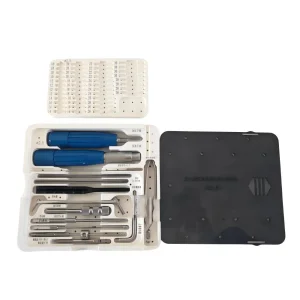
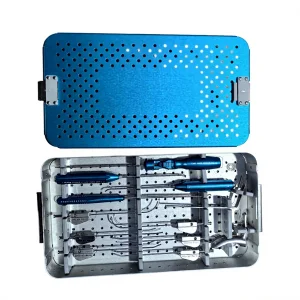
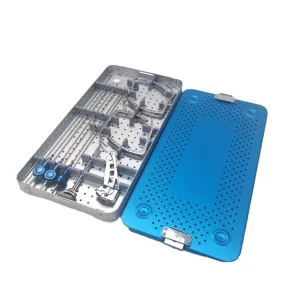
We also provide OEM/ODM services to support custom branding. Our engineering team can modify design features—such as adding a specialized thread type, adjusting the distal targeting guide, or applying custom color-coded anodization—to help distributors create a unique product line. We also manufacture customized surgical instrument kits, ensuring the tools fit the specific requirements of surgeons in each region.
Electrolytic anodization provides a protective layer and color-codes components (e.g., green for locking screws, blue for nails) to help surgical staff identify tools quickly during procedures.
Implant packaging is performed in an ISO Class 5/Class 100,000 cleanroom environment, helping ensure low bioburden levels before sterilization.
We design and manufacture lightweight carbon-fiber or stainless steel targeting guides, aiming to reduce fatigue for surgeons and improve distal locking accuracy.
An overview of upcoming developments in smart implants, surface treatments, and advanced materials.
Research is underway on bioactive coatings, such as hydroxyapatite (HA) and calcium phosphate, aimed at promoting faster osseointegration at the bone-implant interface, particularly in osteoporotic bone.
Developing carbon-fiber composite nails that offer structural support while allowing clear X-ray imaging, making it easier for surgeons to monitor healing without metal artifacts.
Exploring the integration of miniature micro-strain sensors within the nail's hollow chamber to track real-time healing progress and mechanical load changes.
Answers to common technical, manufacturing, and regulatory questions from distributors and procurement teams.
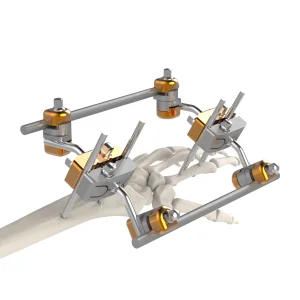
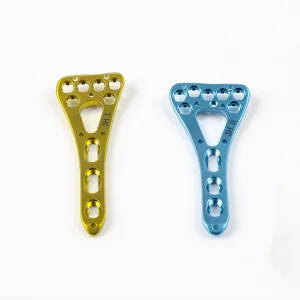
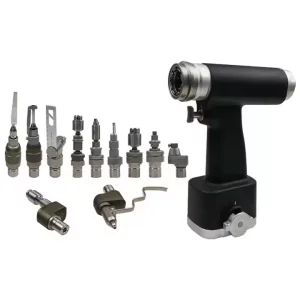
Explore our full line of surgical tools, joint replacements, external fixators, and spinal trauma hardware.